Cauda Equina Syndrome Treatment: How It Works, Results and What to Expect
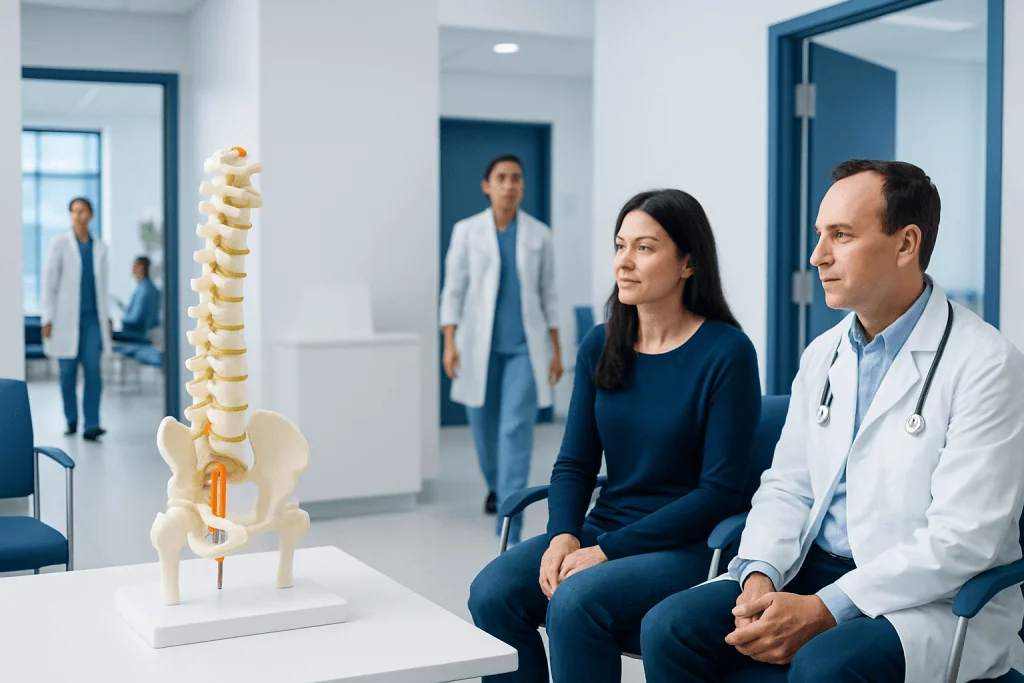
Cauda equina syndrome is a spinal emergency because nerve compression can affect movement, sensation, bladder and bowel control. Urgent spinal decompression is the main treatment when scans confirm significant compression.
Key Takeaways
- Cauda equina syndrome is a spinal emergency because nerve compression can affect movement, sensation, bladder and bowel control.
- Urgent spinal decompression is the main treatment when scans confirm significant compression.
- Surgery aims to prevent further nerve injury; some symptoms may improve quickly, while nerve recovery can take months or longer.
- New saddle-area numbness, urinary retention or incontinence, bowel changes, or rapidly worsening leg weakness require emergency medical assessment.
- Rehabilitation, bladder and bowel support, pain management and follow-up are important parts of recovery.
Cauda equina syndrome treatment is usually urgent surgery to remove pressure from the bundle of nerves at the base of the spine. Fast assessment and treatment can improve the chance of preserving or recovering leg, bladder, bowel and sexual function, although recovery varies between individuals.
Overview: how cauda equina syndrome treatment works
Cauda equina syndrome treatment focuses on urgently relieving pressure on the cauda equina, a group of nerve roots that travels through the lower spinal canal. These nerves supply sensation and movement in the legs and help control the bladder, bowel and sexual function. When they are severely compressed, prompt assessment is essential because prolonged pressure may lead to lasting problems.
For most people with confirmed cauda equina syndrome caused by a large lumbar disc herniation, surgery is recommended as soon as safely possible. The surgeon removes the material or tissue pressing on the nerves, an approach called spinal decompression. Depending on the cause, treatment may involve a discectomy, laminectomy, removal of a cyst or tumour, drainage of an infection, or stabilization of the spine.
Initial care may also include pain relief, bladder drainage if urine cannot be passed, treatment of an infection or cancer when relevant, and close neurological monitoring. The precise plan is guided by symptoms, examination findings and urgent imaging, usually magnetic resonance imaging (MRI).
Symptoms, causes and candidacy for urgent surgery
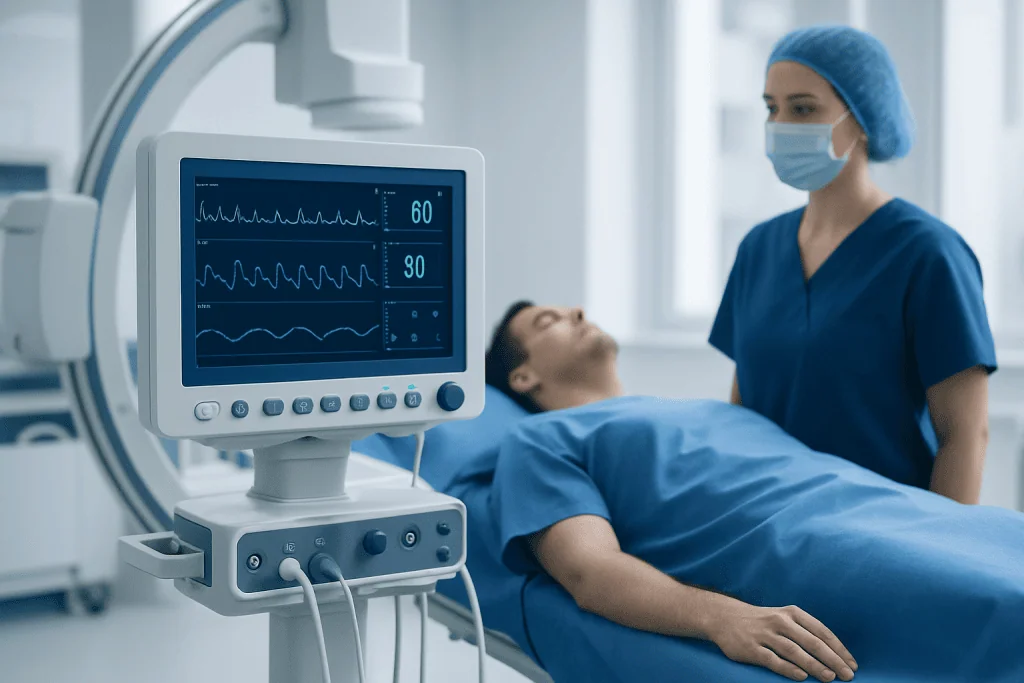
Cauda equina syndrome commonly develops when a large disc herniation in the lower back narrows the spinal canal and compresses several nerve roots. Less common causes include spinal stenosis, trauma, bleeding around the spine, infection, inflammatory conditions and tumours. It may occur suddenly or progress over a short period of time.
Symptoms can include severe low back pain; pain, tingling or numbness in one or both legs; weakness in the legs or feet; and altered sensation around the buttocks, genitals or inner thighs. This distribution is sometimes described as saddle numbness. Difficulty starting urination, inability to empty the bladder, urinary leakage, loss of bowel control or altered sexual sensation are particularly important warning signs.
People are considered for emergency decompression when their symptoms, physical examination and MRI indicate nerve compression that is causing or threatens to cause cauda equina dysfunction. Surgery is not based on pain alone; it is based on the overall evidence of significant nerve compromise. The team also considers the underlying cause, general health, medications, bleeding risk and whether spinal instability needs to be addressed.
How urgent is cauda equina surgery?
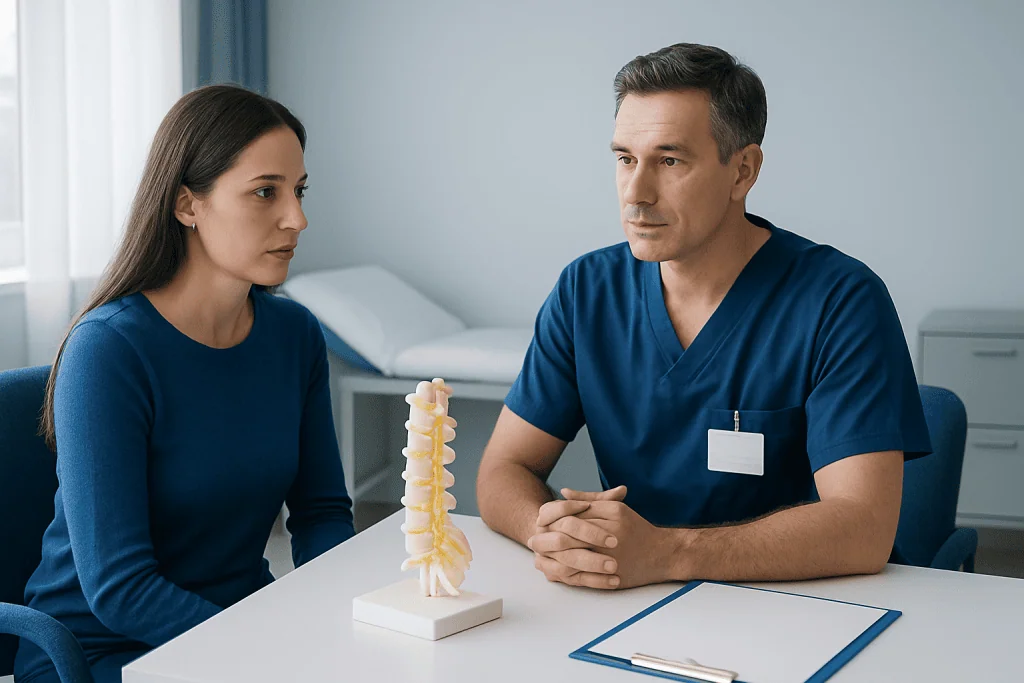
Cauda equina surgery is generally treated as an emergency or urgent procedure. New bladder or bowel dysfunction, saddle-area sensory changes, or worsening weakness can indicate significant pressure on the nerves and should be assessed immediately in an emergency department. Clinicians aim to diagnose the cause rapidly and perform decompression without avoidable delay when it is indicated.
Research and clinical guidance support early decompression, particularly when bladder function is affected, but an exact time window cannot predict every individual outcome. Symptoms, the duration and severity of compression, the cause, and pre-existing health conditions all influence recovery. Even if symptoms have been present for longer, urgent specialist assessment remains important because treatment may still prevent further deterioration and support improvement.
Before surgery, the team may arrange urgent MRI, blood tests and an anaesthetic assessment. If urinary retention is present, a catheter may be needed to safely drain the bladder. This is supportive care and does not replace treatment of the spinal compression.
Step by step: what happens during decompression surgery
The procedure is performed under general anaesthesia, so the patient is asleep and does not feel the operation. The surgical approach depends on the cause and level of compression. For a disc herniation, the surgeon commonly makes a small incision in the lower back and removes a portion of bone or ligament when needed to reach the spinal canal, followed by removal of the disc fragment pressing on the nerves.
A laminectomy or laminotomy may be used when narrowing of the canal is caused by bone, thickened ligament or other structures. If there is instability, a fracture, or a need to remove a larger amount of supporting tissue, spinal fusion may occasionally be considered. Infection, bleeding or tumour-related compression requires a tailored plan that may include additional medical treatments.
The goal is decompression: creating adequate space for the nerve roots and removing the source of pressure where possible. The surgeon may use magnification and imaging guidance to work carefully around delicate structures. The removed tissue may be examined when the cause is uncertain or when infection or tumour is suspected.
For information about operations used to relieve pressure in the lumbar spine, patients may review lumbar disc herniation surgery. The treating surgeon can explain which technique is appropriate and why it is recommended in the individual situation.
What should I expect after surgery for cauda equina syndrome?
After surgery, the patient is monitored as they wake from anaesthesia. The team checks leg strength, sensation, pain control and bladder function. Hospital stay varies according to the procedure, the underlying cause and the person’s neurological condition. Some people can begin standing and walking with guidance soon after surgery, while others need more intensive rehabilitation.
Back and incision discomfort are expected in the early recovery period and are managed with an individualized pain plan. Leg pain caused by nerve pressure may improve promptly, but numbness, weakness and altered bladder or bowel function often recover more gradually. Temporary or ongoing use of a urinary catheter, intermittent self-catheterization, bowel routines or specialist continence support may be needed.
Physiotherapy can help rebuild safe movement, strength, balance and confidence with daily activities. Occupational therapy may help with practical adaptations at home or work. Follow-up appointments allow the surgical and rehabilitation teams to monitor wound healing, neurological recovery and any ongoing bladder, bowel, pain or sexual health concerns.
People should follow the surgeon’s guidance about wound care, lifting, driving, work and physical activity. A gradual increase in activity is often advised, rather than strict bed rest. New weakness, fever, wound redness or drainage, escalating pain, or a return of bladder or bowel symptoms should be reported urgently.
How long does it take for cauda equina nerves to heal?
Nerve healing after cauda equina syndrome is variable. Some symptoms, especially pain related to mechanical compression, may improve in the days or weeks after decompression. Changes in numbness, muscle strength, bladder control, bowel control and sexual function can take many months and may continue to improve over a year or longer.
Recovery depends on how severely the nerves were affected before treatment, how long symptoms were present, the underlying cause and the person’s overall health. It is not possible to guarantee a particular degree or speed of recovery. Surgery is primarily intended to relieve pressure and limit further damage; it cannot always reverse nerve injury that has already occurred.
Regular rehabilitation and follow-up support the best possible functional recovery. A care plan may include physiotherapy, neurological review, urology or continence care, pain management and emotional support. Reporting persistent symptoms allows the team to identify treatable problems and adjust rehabilitation goals.
Benefits, risks and longer-term self-care
The principal benefit of decompression surgery is relief of nerve pressure, which can help prevent further neurological decline and may improve leg pain, walking ability and pelvic organ function. Earlier treatment is generally preferred when cauda equina syndrome is suspected. However, the degree of improvement differs widely, and some people have ongoing numbness, weakness or bladder and bowel difficulties despite appropriate treatment.
All spinal operations carry risks, although the surgical team takes steps to reduce them. Potential complications include bleeding, infection, blood clots, leakage of spinal fluid, injury to a nerve root, persistent or recurrent symptoms, and reactions to anaesthesia. In some cases, a disc herniation may recur or additional spinal treatment may be needed later.
Longer-term self-care includes attending follow-up visits, doing prescribed rehabilitation exercises and using safe body mechanics when returning to activity. Maintaining a healthy weight, avoiding smoking and gradually building physical conditioning may support general spine health. These measures cannot prevent every cause of cauda equina syndrome, but they may help reduce strain on the lower back.
Acibadem International’s multidisciplinary specialists and JCI-accredited hospitals provide assessment, spinal surgery and rehabilitation planning for international patients with cauda equina syndrome and related spinal conditions.
When to seek medical care
Emergency medical care is needed immediately for new or worsening difficulty passing urine, inability to feel when the bladder is full, urinary or bowel incontinence, numbness around the genitals or buttocks, or rapidly progressing weakness in one or both legs. These symptoms may have causes other than cauda equina syndrome, but they require prompt examination and should not be managed at home.
People with severe back pain and new leg weakness, spreading numbness or major changes in walking should also seek urgent medical assessment. It is helpful to tell the clinical team exactly when symptoms began, whether they are worsening, and whether there have been changes in bladder, bowel or sexual function.
For less urgent but persistent lower back and leg symptoms, a clinician can assess for causes such as lumbar disc herniation and advise on appropriate imaging, treatment and referral. Cauda equina syndrome is uncommon, but recognizing its warning signs supports timely care.
Frequently asked questions
How painful is cauda equina syndrome?
Pain can range from severe low back pain to sharp, burning or radiating pain in one or both legs. Some people have prominent numbness or weakness with less pain, so the severity of pain does not reliably show how serious the nerve compression is. Bladder, bowel and saddle-area sensory symptoms require urgent assessment even if pain is manageable.
Can cauda equina syndrome be treated without surgery?
When cauda equina syndrome is caused by significant compression and there are neurological or bladder and bowel symptoms, urgent surgery is usually the recommended treatment. Medicines may help with pain or treat an underlying infection or inflammatory condition, but they do not reliably remove mechanical pressure from the nerves. The appropriate treatment depends on MRI findings and specialist assessment.
Will bladder function return after cauda equina surgery?
Bladder recovery is possible, but it varies substantially. Some people regain normal function, while others need temporary or longer-term bladder management. Earlier evaluation and decompression may improve the chance of recovery, but no outcome can be guaranteed.
Can I walk after cauda equina surgery?
Many people are encouraged to stand and walk with assistance soon after surgery when medically safe. The timing depends on leg strength, balance, pain control and the type of surgery performed. Physiotherapists help patients progress safely and may recommend walking aids during early recovery.
What happens if cauda equina syndrome is not treated quickly?
Ongoing pressure on the cauda equina can lead to worsening weakness, sensory loss and long-term bladder, bowel or sexual dysfunction. This is why symptoms such as urinary retention, incontinence and saddle numbness should be assessed in an emergency setting. Prompt diagnosis is important even when symptoms are incomplete or uncertain.
Can cauda equina syndrome come back after surgery?
Symptoms can recur if there is a recurrent disc herniation, scar-related nerve irritation, spinal narrowing or another underlying spinal problem. New red-flag symptoms after surgery should be treated as urgent and assessed promptly. Regular follow-up helps address persistent symptoms and supports rehabilitation.
References
- National Institute for Health and Care Excellence
- American Association of Neurological Surgeons
- National Institute of Neurological Disorders and Stroke
- NHS
- American Academy of Orthopaedic Surgeons
This article is for general information only and is not a substitute for professional medical advice. Please consult a qualified doctor about your individual situation.
Persistent digestive symptoms? Get evaluated in Turkey
JCI-accredited · board-certified surgeons · reply within 24h
Add us as a Preferred Source to see more of our trusted health content across Google Search, AI Overviews and Discover.