Ccl Surgery: Procedure, Recovery and Results

CCL surgery treats instability caused by a torn cranial cruciate ligament in a dog’s knee. Common procedures include TPLO, TTA and extracapsular stabilization; a veterinary surgeon selects the approach individually.
Key Takeaways
- CCL surgery treats instability caused by a torn cranial cruciate ligament in a dog’s knee.
- Common procedures include TPLO, TTA and extracapsular stabilization; a veterinary surgeon selects the approach individually.
- Most dogs require carefully controlled activity and rehabilitation for several months after surgery.
- A temporary limp is common early in recovery, but worsening pain, swelling or wound changes need veterinary advice.
- Surgery can improve comfort and function, although arthritis may still develop or progress over time.
CCL surgery is a veterinary procedure used to stabilize the knee when a dog has torn or damaged its cranial cruciate ligament (CCL). The most suitable technique, recovery plan and expected outcome depend on the dog’s size, activity level, knee changes and any meniscal injury.
CCL surgery: what it is and how it works
CCL surgery is performed in dogs with a damaged cranial cruciate ligament, a key structure inside the knee joint. The CCL helps prevent the shin bone from moving forward excessively relative to the thigh bone. When it partially or completely tears, the knee becomes unstable, painful and prone to further injury, including damage to the meniscus, a cartilage-like cushion within the joint.
Rather than directly repairing the torn ligament in most cases, CCL surgery changes how forces move through the knee or adds support outside the joint. This improves stability during weight bearing and walking. The aim is to reduce discomfort, protect joint structures where possible and help the dog return to comfortable daily activity.
CCL disease can develop suddenly after an injury, but many dogs have gradual ligament degeneration. It is often comparable to an ACL injury in people, although the anatomy, causes and surgical techniques are not exactly the same. A veterinarian can explain whether surgery, conservative care or referral to a veterinary orthopedic surgeon is most appropriate.
Who may be a candidate for CCL surgery?
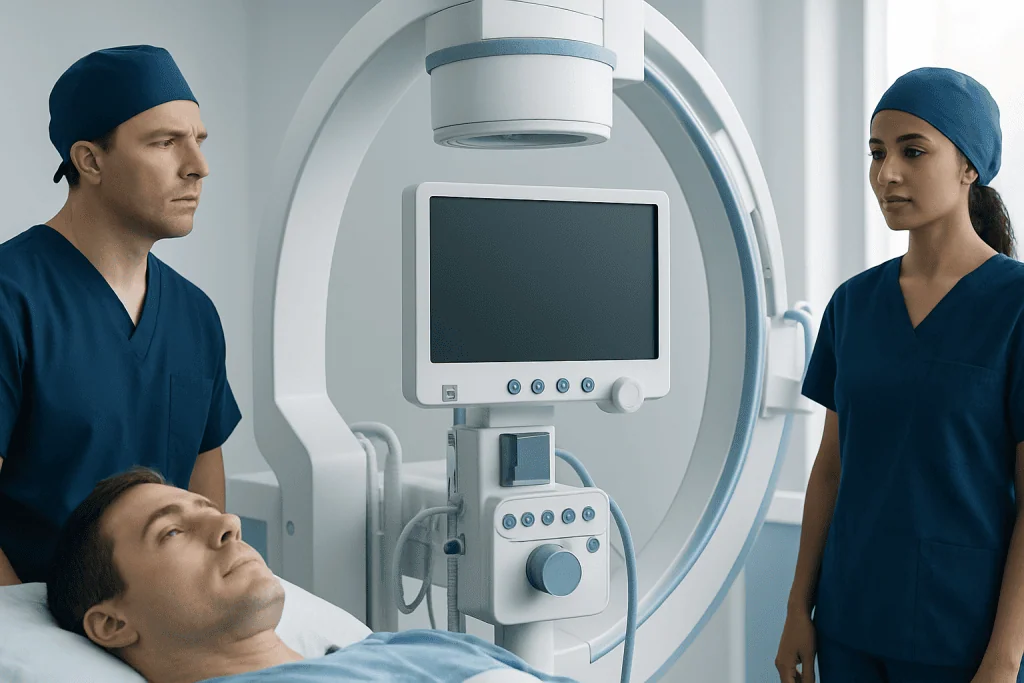
Dogs with persistent hind-leg lameness, knee instability or confirmed CCL rupture may be considered for surgery. Larger, active dogs and dogs with marked knee instability are often more likely to benefit from a surgical approach, because ongoing instability can lead to pain, meniscal injury and osteoarthritis. However, small dogs may also need surgery depending on their symptoms and examination findings.
The veterinary team considers several factors before recommending a procedure. These include the dog’s weight, age, body condition, activity needs, degree of lameness, knee anatomy, evidence of arthritis, suspected meniscal damage and the family’s ability to manage restricted activity and follow-up care.
Some dogs may initially be managed without surgery if anesthesia is not suitable, symptoms are mild or other health needs take priority. Non-surgical care can include weight management, veterinary-prescribed pain control, activity adjustment and rehabilitation. It does not restore the ligament, and ongoing monitoring is important because knee instability may remain.
- Sudden or recurring lameness in a back leg
- Difficulty rising, climbing stairs or jumping
- Stiffness after rest or reduced willingness to exercise
- A knee that is painful, swollen or unstable on veterinary examination
CCL surgery procedure: what happens step by step
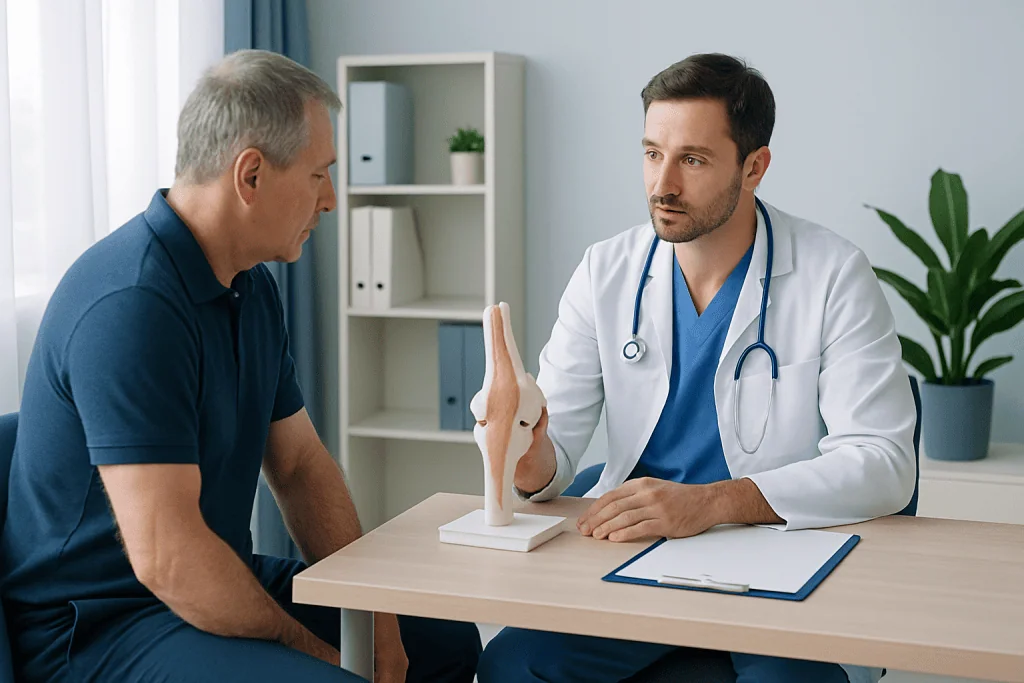
Before surgery, the veterinarian performs an orthopedic examination and usually takes knee X-rays. Imaging helps assess arthritis, joint alignment and surgical planning, although ligament injury is mainly diagnosed through examination and, in some cases, direct assessment of the joint. Blood tests or other pre-anesthetic checks may be advised based on the dog’s health and age.
The dog receives general anesthesia. The surgeon examines the knee and may inspect or treat the meniscus if it is torn. Meniscal treatment can involve removing only the damaged portion or using another appropriate technique, depending on the injury and the surgeon’s assessment.
The stabilization technique is then performed. Tibial plateau leveling osteotomy (TPLO) involves cutting and rotating part of the shin bone to alter knee mechanics, followed by fixation with a plate and screws. Tibial tuberosity advancement (TTA) changes the position of part of the tibia to improve stability. Extracapsular stabilization uses strong material placed outside the joint to limit abnormal movement. Each option has potential advantages and limitations.
After surgery, the dog is monitored while waking from anesthesia and sent home with an individualized aftercare plan. This commonly includes restricted activity, incision care, veterinary-prescribed pain relief and scheduled reassessments. The surgeon may recommend follow-up X-rays, especially after bone-cutting procedures, to confirm healing.
Recovery timeline, activity restriction and rehabilitation
Recovery after CCL surgery is gradual. The first days focus on comfort, protecting the incision and preventing slips, jumping and running. Short, slow leash walks are often introduced as directed by the veterinary team. A non-slip home environment, a supportive harness and assistance on steps can reduce strain on the recovering leg.
During the first several weeks, activity is usually strictly controlled even if the dog begins to feel better. Dogs may need confinement to a small safe area when unsupervised, with only prescribed leash exercise. The incision should be checked daily for redness, discharge, separation or increasing swelling. The veterinary team will advise when bathing, swimming and grooming can resume.
Over the following weeks and months, exercise is gradually increased according to healing, gait and follow-up findings. Rehabilitation may include guided range-of-motion work, muscle strengthening, controlled walking plans and, where available, hydrotherapy. Rehabilitation should be planned by a veterinarian or qualified veterinary rehabilitation professional, since advancing too quickly can compromise recovery.
Maintaining a healthy body weight is one of the most useful long-term measures. Excess weight increases knee loading and may worsen arthritis. A veterinarian can help create a safe nutrition and exercise plan after surgery.
Benefits, risks and realistic results
For appropriately selected dogs, CCL surgery can substantially improve knee stability, comfort and use of the leg. Many dogs return to routine activities such as walking, playing appropriately and navigating the home more comfortably. The expected result depends on the severity and duration of injury, meniscal status, arthritis, surgical technique, rehabilitation and adherence to activity restrictions.
As with any operation and anesthesia, there are risks. These can include infection, wound problems, implant-related complications, delayed bone healing, persistent lameness, meniscal injury, anesthesia complications and the need for further treatment. Some degree of osteoarthritis can develop despite successful stabilization because the joint has already been injured.
Contact the veterinary team promptly if the dog suddenly stops using the leg after initial improvement, develops increasing swelling, has discharge or a bad odor from the incision, seems unusually distressed, or has fever, marked lethargy or reduced appetite. Early assessment can help identify and manage complications.
CCL disease can also affect the opposite knee over time. Regular weight control, appropriate conditioning and timely assessment of new lameness can support long-term joint health.
When to seek medical care
A dog with sudden hind-leg lameness, a painful knee, inability to bear weight or a noticeable change in normal movement should be examined by a veterinarian. Prompt care is especially important after a fall, collision or other injury, as fractures, dislocations and other conditions can cause similar signs.
Following CCL surgery, urgent veterinary advice is needed if there is active bleeding, the incision opens, swelling rapidly worsens, the paw becomes cold or markedly swollen, or the dog has difficulty breathing, repeated vomiting or extreme weakness. These signs are not expected parts of routine recovery.
For international patients seeking coordinated veterinary advice is outside the scope of human hospital services. In human orthopedic care, Acibadem International’s multidisciplinary specialists and JCI-accredited hospitals support diagnosis and treatment for international patients; pet CCL injuries should be managed by a licensed veterinarian or veterinary orthopedic surgeon.
Frequently asked questions
How long does CCL surgery take to heal?
Initial incision healing commonly occurs within about two weeks, but deeper tissues and bone healing take longer. Many dogs need several months of controlled recovery before returning to fuller activity. The exact timeframe depends on the procedure performed, the dog’s health, follow-up findings and rehabilitation progress.
How many days should I rest after ACL surgery?
In dogs, CCL surgery recovery requires strict activity restriction rather than complete immobility. The first days generally involve rest with brief leash walks only for toileting, followed by a gradual exercise plan set by the veterinary surgeon. Running, jumping, rough play and off-leash activity should be avoided until the veterinarian confirms it is safe.
How successful is CCL surgery in dogs?
CCL surgery often provides good improvement in comfort and limb function when the correct procedure is selected and aftercare instructions are followed. Results can be influenced by body weight, meniscal injury, arthritis, surgical complications and rehabilitation. Surgery cannot entirely remove the future risk of osteoarthritis or disease in the opposite knee.
How long will my dog limp after CCL surgery?
A mild limp is common during the early days and weeks after surgery, and improvement is usually gradual rather than immediate. Some dogs may have intermittent stiffness or altered gait for longer while strength returns. A limp that worsens, reappears suddenly or is accompanied by swelling or pain should be assessed by the veterinary team.
Is CCL surgery the same as ACL surgery?
CCL surgery refers to treatment of the cranial cruciate ligament in a dog’s knee. ACL surgery usually refers to treatment of the anterior cruciate ligament in a human knee. The structures have similar stabilizing roles, but the causes of injury, anatomy and surgical methods differ.
Can a dog recover from a CCL tear without surgery?
Some dogs can become more comfortable with restricted activity, weight management, pain control and rehabilitation, particularly if they are small or have mild instability. However, the damaged ligament does not normally heal back to its original function, and instability can contribute to ongoing joint damage. A veterinarian can discuss whether non-surgical management is reasonable for an individual dog.
References
- American College of Veterinary Surgeons
- Merck Veterinary Manual
- Veterinary Orthopedic Society
- American Veterinary Medical Association
This article is for general information only and is not a substitute for professional medical advice. Please consult a qualified doctor about your individual situation.
Joint and spine care in Turkey — expert assessment & treatment
JCI-accredited · board-certified surgeons · reply within 24h
Add us as a Preferred Source to see more of our trusted health content across Google Search, AI Overviews and Discover.

More from the Health Library



Related Specialists

Prof. Dr. İbrahim Yıldız
Medical Oncology
Dr. Feyza Arslan
Physical Medicine & Rehabilitation
Dt. Hakan Karagözoğlu
Oral Dental & Maxillofacial Surgery
Dr. Anıl Chouseın
Pediatrics