Cellulite on Stomach: What Patients Need to Know

Cellulite on the stomach is caused by the way skin, fat and connective tissue interact, not by toxins or a lack of fitness. Body weight can influence how visible cellulite is, but people at many body sizes can have it.
Key Takeaways
- Cellulite on the stomach is caused by the way skin, fat and connective tissue interact, not by toxins or a lack of fitness.
- Body weight can influence how visible cellulite is, but people at many body sizes can have it.
- Creams, massage and exercise may produce modest or temporary changes; procedural treatments can be considered after a clinical assessment.
- A new painful, red, warm or rapidly changing area of skin should be assessed because it may not be cellulite.
- Treatment decisions should be based on realistic expectations, skin type, medical history and the specific concern being treated.
Cellulite on stomach is a common and harmless change in skin texture that can create a dimpled, uneven or “orange-peel” appearance. It is not a sign of poor health, and while it cannot always be completely removed, lifestyle measures and selected medical treatments may improve its appearance for some people.
Cellulite on the Stomach: An Overview
Cellulite on stomach refers to dimpling, puckering or an uneven texture in the abdominal skin. It happens when fat beneath the skin pushes upward while fibrous bands of connective tissue pull the skin downward. This creates the familiar bumpy appearance, which may be more noticeable when sitting, bending, pinching the skin or under certain lighting.
Cellulite is very common, particularly after puberty, and occurs more often in women because of differences in hormones, fat distribution and connective-tissue structure. It can also affect men. Although it may be frustrating cosmetically, abdominal cellulite is not a disease and does not mean that a person is overweight, unhealthy or failing to care for their skin.
It is useful to distinguish cellulite from cellulitis. Cellulitis is a bacterial skin infection that typically causes redness, warmth, tenderness and swelling and requires medical attention. Cellulite, by contrast, is a stable or gradually changing texture difference without signs of infection.
Why Stomach Cellulite Develops
The appearance of cellulite is shaped by anatomy. The skin lies over a layer of fat that is connected to deeper tissues by fibrous septae, or bands. Where these bands tether the skin, small depressions can form; where underlying fat pushes outward, raised areas may appear. Skin thickness, elasticity and the arrangement of these bands all influence how visible the changes are.
Genetics have an important role. A person may be more likely to develop cellulite based on inherited tendencies related to body-fat distribution, skin structure, circulation and connective tissue. Hormonal changes, especially involving estrogen, are also thought to contribute. Cellulite may become more apparent during puberty, pregnancy, around menopause, or during other times when body composition or skin elasticity changes.
Weight changes can alter the visibility of cellulite, but they do not fully explain it. Weight gain may make dimpling more noticeable in some people, while weight loss may improve the contour for others. However, loose skin after substantial weight loss can also make textural changes more visible. Aging can contribute because skin gradually becomes thinner and less elastic.
What It Looks and Feels Like

Stomach cellulite commonly looks like shallow dimples, small indentations or a rippled surface. The degree can range from subtle texture seen only when the skin is compressed to dimpling visible while standing at rest. It may appear on the lower abdomen, around the waistline or alongside similar changes on the thighs, buttocks, hips or upper arms.
Ordinary cellulite does not usually cause pain, itchiness, warmth, marked swelling or a rash. The skin color is generally unchanged. Some people notice that the appearance varies through the day because of posture, hydration, bloating, clothing pressure or lighting. These variations do not indicate that fat has suddenly increased or decreased.
Not every irregularity in abdominal contour is cellulite. Stretch marks, scars, loose skin, a hernia, localized fat deposits and inflammatory skin conditions can look different and may need separate assessment. A clinician can examine the area and discuss whether the concern is primarily cellulite, skin laxity, body contour, or another condition.
Can Diet and Exercise Reduce Cellulite?
There is no diet that specifically removes cellulite from the stomach. However, eating a balanced pattern that supports a stable weight and overall health may help some people reduce the contrast between fatty tissue and the skin surface. A diet rich in vegetables, fruit, whole grains, protein sources and healthy fats can support general nutrition, while reducing highly processed foods may be helpful for people who find that fluid retention or bloating affects abdominal appearance.
Regular movement cannot target fat loss from one body area, including the stomach. Still, aerobic activity and strength training can improve fitness, body composition and muscle tone. Strengthening the core and whole body may improve posture and the underlying contour, which can make cellulite less noticeable for some individuals. Results vary and should be viewed as gradual rather than immediate.
Hydration is important for general health, but drinking extra water does not dissolve cellulite. Likewise, detoxes, restrictive diets, supplements and wraps have not been shown to permanently remove it. A sustainable approach is safer and more likely to support wellbeing than rapid weight-loss methods or unregulated products marketed as cellulite cures.
Treatment Options for Abdominal Cellulite
Topical creams may temporarily improve skin smoothness or hydration, but they do not reliably remove cellulite. Products containing caffeine can temporarily reduce the appearance of puffiness in some people, while prescription retinoid-based treatments may modestly thicken the outer skin over time in selected patients. Any active skin product should be chosen with professional guidance, particularly during pregnancy, breastfeeding, or if the skin is sensitive.
Massage, dry brushing and mechanical massage techniques may create a short-lived smoothing effect by shifting fluid and improving the surface appearance. Evidence for lasting benefit is limited. These methods should not cause bruising, pain or skin injury, and they should be avoided on irritated skin, varicose veins or areas with active infection unless a clinician advises otherwise.
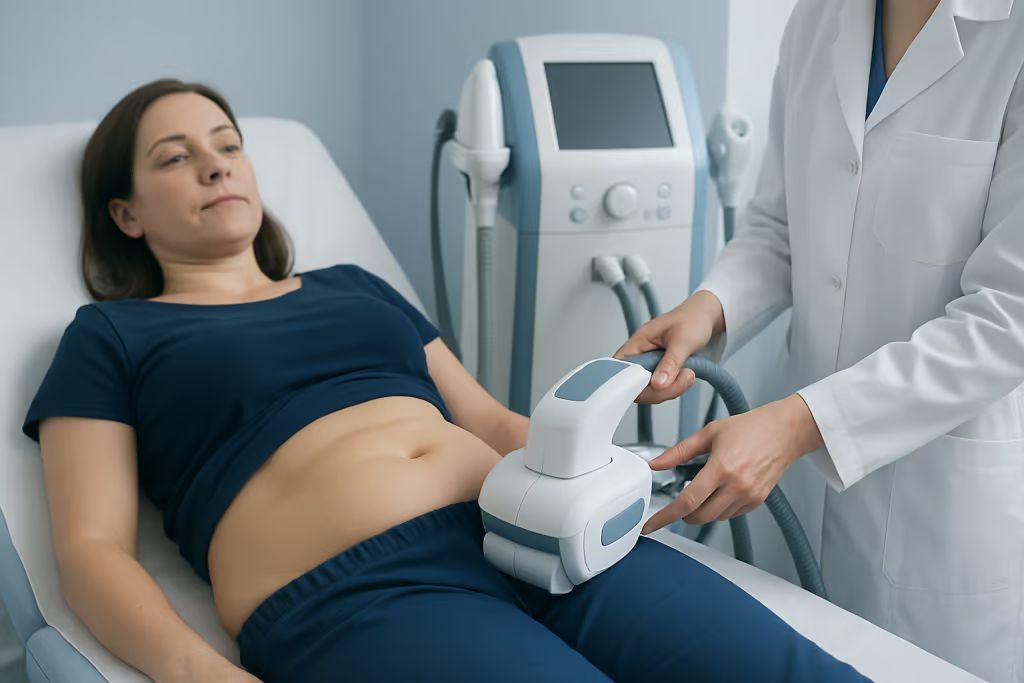
Clinicians may discuss energy-based procedures, subcision techniques that release selected fibrous bands, or other contour-focused options depending on the location and pattern of dimpling. The evidence and expected duration of benefit differ by method, and not every treatment used for thigh or buttock cellulite is appropriate for the abdomen. Potential effects can include temporary swelling, bruising, tenderness, pigment changes, uneven contour or, rarely, more significant complications.
A qualified dermatologist, plastic surgeon or other appropriately trained clinician can help set realistic goals. An assessment should include skin laxity, fat distribution, medical conditions, medications, prior abdominal procedures and the possibility of pregnancy. Acibadem International’s multidisciplinary specialists at JCI-accredited hospitals can assess skin and body-contour concerns and discuss appropriate options for international patients.
Practical Self-Care and Healthy Expectations
For many people, the most helpful first step is recognizing that cellulite is a normal variation in body appearance. Images on social media and in advertising are often affected by posing, lighting, editing and temporary cosmetic techniques. Comparing the skin under similar light and posture, rather than from day to day, can provide a more realistic sense of any change.
Maintaining regular physical activity, avoiding smoking, protecting skin from excessive sun exposure and following a nourishing eating pattern can support skin health and general wellbeing. If weight loss is a personal health goal, gradual changes developed with a clinician or registered dietitian are safer than extreme restriction. These measures may improve the appearance of cellulite but cannot guarantee its disappearance.
Before choosing a cosmetic procedure, patients should ask about the expected improvement, how long results may last, the number of sessions needed, recovery time, adverse effects, the clinician’s training and whether the procedure is suitable for abdominal skin. Treatments should be performed in an appropriately regulated medical setting, not by unqualified providers.
When to Seek Medical Care
Routine cellulite does not require medical treatment. However, a medical review is advisable if an abdominal skin change is new, one-sided, rapidly worsening, painful, firm, associated with a lump, or different from typical dimpling. A clinician can check for other explanations and advise whether testing or specialist referral is needed.
Prompt medical care is important for redness that spreads, warmth, significant tenderness, swelling, fever, chills or feeling unwell. These symptoms may suggest cellulitis, an infection that is unrelated to cosmetic cellulite and may need antibiotics. People with diabetes, reduced immunity, circulation problems or recent surgery should be especially cautious about new skin symptoms.
Medical advice is also appropriate when concern about cellulite causes distress, affects body image or leads to unsafe dieting or excessive exercise. A healthcare professional can offer supportive, nonjudgmental guidance and help identify options that are appropriate for the individual’s health needs and expectations.
Frequently asked questions
Is cellulite on the stomach normal?
Yes. Cellulite on the stomach is a common, harmless skin-texture change caused by the interaction between fat, connective tissue and skin. It can occur in people of different body sizes and fitness levels.
Can losing weight get rid of stomach cellulite?
Weight loss may make cellulite less noticeable for some people, especially if it reduces the amount of fat beneath the skin. However, it does not reliably remove cellulite, and loose skin after significant weight loss can sometimes make dimpling more apparent.
What is the fastest way to reduce cellulite on the stomach?
There is no proven fast or permanent home remedy for cellulite. Temporary smoothing may occur with hydration, massage or certain topical products, while medical procedures may offer more noticeable improvement for selected people after professional evaluation.
Do stomach exercises remove cellulite?
Abdominal exercises strengthen muscles and can improve posture and body contour, but they cannot selectively eliminate fat or cellulite from the stomach. Combining strength training with regular activity supports overall health and may improve appearance gradually.
Is stomach cellulite the same as cellulitis?
No. Cellulite is harmless dimpling of the skin, while cellulitis is a bacterial infection that can cause painful redness, warmth, swelling and sometimes fever. Suspected cellulitis needs timely medical assessment.
When should a person worry about dimpling on the stomach?
A person should seek medical advice for new or rapidly changing dimpling, a firm lump, pain, skin redness, warmth, swelling or systemic symptoms such as fever. These signs are not typical of ordinary cellulite and should be assessed by a qualified clinician.
References
- American Academy of Dermatology Association
- Mayo Clinic
- National Institutes of Health
- Cleveland Clinic
This article is for general information only and is not a substitute for professional medical advice. Please consult a qualified doctor about your individual situation.
Persistent digestive symptoms? Get evaluated in Turkey
JCI-accredited · board-certified surgeons · reply within 24h
Add us as a Preferred Source to see more of our trusted health content across Google Search, AI Overviews and Discover.