Ceph Presentation: A Complete Medical Overview

Ceph presentation means the baby's head is closest to the birth canal. Most babies are in ceph presentation by the last weeks of pregnancy.
Key Takeaways
- Ceph presentation means the baby's head is closest to the birth canal.
- Most babies are in ceph presentation by the last weeks of pregnancy.
- Not all ceph positions are identical; some are more favorable for vaginal delivery than others.
- Doctors confirm fetal presentation with abdominal examination, pelvic examination during labor, and sometimes ultrasound.
- Management depends on the baby's exact position, the stage of labor, and the health of the mother and baby.
Ceph presentation means the baby is positioned head-down in the uterus. It is the most common presentation near term and is generally the most favorable position for vaginal birth, although the exact head position and how far the baby has descended also matter.
Overview: what ceph presentation means
Ceph presentation means the baby is positioned with the head pointing down toward the birth canal. In simple terms, it is a head-first presentation. This is the most common fetal presentation in the final weeks of pregnancy and is usually considered the most favorable arrangement for vaginal birth.
Ceph presentation is not a single exact posture. It includes several head-down variations based on how much the baby’s neck is flexed and which part of the head is leading. The most common and most favorable type is vertex presentation, where the chin is tucked and the top of the head leads through the pelvis.
Healthcare professionals assess more than whether the baby is simply “head-down.” They also look at whether the baby’s head is well flexed, whether the back is facing the mother’s front or back, how low the head has moved into the pelvis, and whether labor is progressing normally. These details help guide decisions about labor monitoring and delivery.
Types of ceph presentation
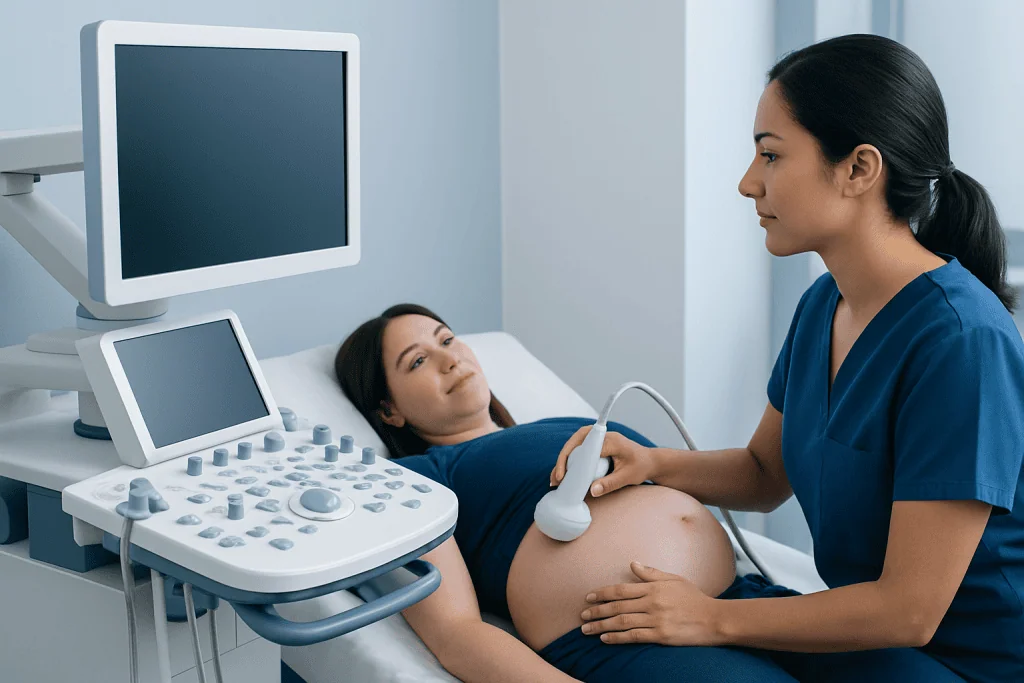
Several fetal positions fall under the broad term ceph presentation. The differences depend on the baby’s head and neck posture and which part of the head enters the pelvis first. These variations can affect how easily labor progresses.
- Vertex presentation: the baby’s chin is tucked toward the chest, so the crown of the head leads. This is the most common and usually the best position for vaginal birth.
- Occiput anterior: a common vertex position in which the back of the baby’s head faces the front of the mother’s pelvis. This is generally the most efficient orientation for labor.
- Occiput posterior: the baby is still head-down, but the back of the head faces the mother’s back. Vaginal birth is still possible, but labor may be longer or associated with more back pain.
- Brow presentation: the head is partly extended, with the brow leading. This is less favorable and may complicate vaginal delivery.
- Face presentation: the head is extended further, so the face presents first. Management depends on the exact position and labor circumstances.
Because these terms can sound technical, it helps to remember the main practical point: many babies are head-down, but the exact angle of the head and the baby’s rotation in the pelvis can make labor easier or more difficult. If there are concerns about fetal position or labor progress, clinicians may use repeat examinations or ultrasound for clarification.
How common it is and why it matters

By late pregnancy, most babies naturally settle into ceph presentation. Gravity, the shape of the uterus, the amount of amniotic fluid, and the baby’s movements all play a role. As the baby’s head becomes heavier in the third trimester, it often rotates downward and may gradually engage in the pelvis.
Ceph presentation matters because it usually allows the smallest diameter of the baby’s head to move through the birth canal when the head is well flexed. This makes labor more likely to progress safely and efficiently. It also lowers the likelihood of complications compared with non-head-down presentations.
Even so, a head-down baby does not guarantee an uncomplicated birth. Labor can still be affected by the size and shape of the mother’s pelvis, the baby’s size, the strength of contractions, and the baby’s exact head position. This is why routine prenatal care and skilled labor assessment remain important.
When the baby is not head-down, other presentations such as breech presentation or a transverse lie may need closer assessment. In some situations, a clinician may discuss options such as external cephalic version to try to turn the baby before labor begins.
What causes different fetal positions and who may be at risk
In many pregnancies, fetal position changes naturally until the final weeks, and no specific cause can be identified. A baby’s presentation is influenced by the shape of the uterus, the tone of the abdominal and uterine muscles, the amount of amniotic fluid, placental location, and whether this is a first pregnancy or a later one.
Some factors make non-ideal or unstable positions more likely. These may include preterm pregnancy, carrying twins or more, too much or too little amniotic fluid, uterine fibroids, certain uterine shape differences, placenta previa, or a baby who has not yet engaged in the pelvis. A history of previous pregnancies can also influence how and when the baby settles into position.
Even within ceph presentation, occiput posterior or deflexed head positions may be associated with longer labor or a greater chance of assisted delivery. These are not always preventable and do not necessarily mean there is a serious problem. Often, the baby’s position changes during labor as contractions help guide rotation through the pelvis.
Pregnant individuals should be cautious about claims that exercises, postures, or home techniques can reliably change fetal position. Gentle movement and normal activity are usually safe unless a doctor advises otherwise, but position concerns should be discussed with a qualified maternity clinician rather than managed with unproven methods alone.
How ceph presentation is diagnosed and monitored
Ceph presentation is commonly identified during routine prenatal visits, especially in the third trimester. A clinician may feel the abdomen with Leopold maneuvers to estimate where the baby’s head, back, and limbs are located. This can often suggest whether the baby is head-down and how the back is oriented.
Ultrasound can confirm the presentation and is especially helpful if the abdominal examination is unclear, the pregnancy has additional complexities, or the care team needs to check placental location and amniotic fluid at the same time. Ultrasound is also useful if there is concern for brow, face, breech, or transverse presentation.
During labor, a vaginal examination may help determine which part of the baby’s head is presenting, how far the head has descended, and whether labor is progressing normally. Fetal heart rate monitoring can provide information about the baby’s well-being during contractions.
If labor is slow or if the head remains in a less favorable position, the team may continue to reassess. In selected situations, further evaluation may be part of broader pregnancy follow-up and delivery planning, particularly when there are additional maternal or fetal health considerations.
What ceph presentation means for labor and delivery
In most cases, ceph presentation supports planning for a vaginal birth, provided there are no other medical reasons to recommend a different approach. A vertex, occiput-anterior baby generally moves most efficiently through the pelvis. Labor often progresses as the cervix opens, the head descends, and the baby rotates naturally.
If the baby is head-down but facing the mother’s abdomen or the head is not fully flexed, labor may still end in a healthy vaginal birth, but it can take longer. Back labor, slower descent, or a need for closer monitoring may occur. Changes in maternal position, movement during labor when appropriate, hydration, rest, and standard obstetric support may help labor progress.
Sometimes intervention is needed. Depending on the situation, clinicians may recommend assisted vaginal birth or a cesarean section if labor is not progressing, the baby shows signs of distress, or the exact cephalic subtype makes vaginal delivery unsafe. The decision is individualized and based on the health of both mother and baby.
At centers with multidisciplinary maternity care, specialists assess presentation together with contraction patterns, fetal status, pelvic factors, and maternal preferences. Acibadem International’s multidisciplinary specialists in JCI-accredited hospitals evaluate fetal position and birth planning for international patients when pregnancy or labor requires specialist assessment.
Self-care, preparation, and communication with the care team
For most pregnant people, the best approach is regular prenatal care and open communication with the maternity team. Asking about the baby’s position in the third trimester can help clarify whether the baby is head-down, whether the head is engaged, and whether any special planning is needed for birth.
General healthy habits remain important: attending scheduled checkups, managing chronic conditions, staying hydrated, maintaining appropriate activity if approved by the clinician, and promptly reporting reduced fetal movement or other concerning symptoms. These steps do not guarantee a specific fetal position, but they support overall pregnancy health.
It is also helpful to discuss what might happen if the baby’s position changes, if labor starts before term, or if a procedure becomes necessary. Understanding possible scenarios can make birth planning feel more manageable and less stressful.
Patients who have been told their baby is not in an ideal position may benefit from consultation with an obstetrician experienced in delivery planning. If additional conditions are present, such as suspected placenta problems or fetal growth concerns, the care team may recommend further imaging or observation rather than waiting for labor alone to provide answers.
When to seek medical care
A pregnant person should contact a doctor, midwife, or maternity unit promptly if there are signs that need urgent assessment. These include vaginal bleeding, leakage of fluid that may mean the waters have broken, regular painful contractions before term, fever, severe abdominal pain, severe headache, or noticeably reduced fetal movements.
Medical advice is also important if a clinician has raised concerns about fetal position, if the baby remains non-head-down late in pregnancy, or if labor begins and there is uncertainty about whether the baby is descending normally. During labor, symptoms such as heavy bleeding, severe pain between contractions, or feeling that something is not right should be assessed without delay.
Questions about ceph presentation itself do not always require emergency care. However, a qualified obstetric team can explain the baby’s exact position, confirm whether it is favorable for vaginal birth, and discuss safe next steps if labor progress is uncertain.
Frequently asked questions
Is ceph presentation normal?
Yes. Ceph presentation is the usual head-down position of the baby and is the most common presentation near the end of pregnancy. It is generally the most favorable position for vaginal birth, especially when the baby's chin is tucked and the back of the head is facing the front of the mother's pelvis.
Is ceph presentation the same as vertex presentation?
Not exactly. Ceph presentation is a broad term for any head-first presentation, while vertex presentation is the most common subtype in which the baby's head is well flexed and the crown leads. Vertex is usually the most favorable cephalic position for vaginal delivery.
Can a baby be cephalic but still need a cesarean section?
Yes. A head-down position lowers the chance of delivery problems, but it does not remove all risks. A cesarean section may still be recommended if labor does not progress, the baby shows signs of distress, there are placental concerns, or the exact head position makes vaginal birth unsafe.
When do babies usually turn into ceph presentation?
Many babies move into a head-down position during the third trimester, often by the last weeks before birth. Some change position earlier or later, and a smaller number remain breech or in another presentation near term. Regular prenatal visits help track these changes.
How do doctors know if the baby is in ceph presentation?
Doctors often estimate fetal position by feeling the abdomen during a prenatal visit. If needed, ultrasound can confirm whether the baby is head-down and provide more detail about the exact position, amniotic fluid, and placenta. During labor, pelvic examination may also help assess which part of the head is presenting.
Does ceph presentation guarantee an easy labor?
No. Ceph presentation is favorable, but labor is influenced by many factors, including contraction strength, pelvic shape, the baby's size, and whether the head rotates well during descent. Even with a head-down baby, some labors are longer or require assistance.
This article is for general information only and is not a substitute for professional medical advice. Please consult a qualified doctor about your individual situation.
Explore treatments in Turkey — costs, top hospitals & a free quote
JCI-accredited · board-certified surgeons · reply within 24h
Add us as a Preferred Source to see more of our trusted health content across Google Search, AI Overviews and Discover.

More from the Health Library

Tubing Mascara: An Evidence-Based Guide for Patients

Ag Ratio — Explained by Medical Evidence, Not Myths

Ph Balance: A Complete Medical Overview

Humidifier for Eczema: A Complete Medical Overview

Audism: A Complete Medical Overview