Cerebellum and Cerebellar: A Complete Medical Overview

The cerebellum is a brain structure that fine-tunes movement, balance, posture, and coordination. Cerebellar problems can cause ataxia, dizziness, slurred speech, tremor, and abnormal eye movements.
Key Takeaways
- The cerebellum is a brain structure that fine-tunes movement, balance, posture, and coordination.
- Cerebellar problems can cause ataxia, dizziness, slurred speech, tremor, and abnormal eye movements.
- Causes include stroke, tumors, multiple sclerosis, infections, toxins, alcohol misuse, inherited conditions, and vitamin deficiencies.
- Diagnosis often involves a neurological exam, brain imaging, blood tests, and sometimes genetic testing.
- Treatment depends on the cause and may include medicines, rehabilitation, surgery, or treatment of the underlying condition.
- New or sudden cerebellar symptoms need prompt medical attention, especially if they begin abruptly.
Cerebellum and cerebellar are terms related to the part of the brain that helps coordinate movement, balance, posture, and motor learning. When the cerebellum is affected by injury or disease, a person may develop unsteady walking, poor coordination, tremor, speech changes, or eye movement problems.
Overview: what cerebellum and cerebellar mean
The term cerebellum refers to a structure at the back and lower part of the brain, just behind the brainstem. The word cerebellar simply means “related to the cerebellum.” Although it is smaller than the cerebrum, the cerebellum has a major role in helping the body move smoothly, stay balanced, and adjust posture without conscious effort.
The cerebellum does not usually start a movement on its own. Instead, it helps refine movement by comparing what the body intends to do with what is actually happening. This allows actions such as walking, reaching, speaking, swallowing, and moving the eyes to become more accurate and coordinated.
Doctors often use the phrase “cerebellar signs” when describing symptoms caused by damage or dysfunction in this area. These signs may include clumsiness, unsteady gait, hand tremor during movement, slurred speech, and trouble with rapid alternating movements. Cerebellar problems can appear suddenly, as in a stroke, or develop gradually over time.
Understanding cerebellum and cerebellar health is helpful because these terms may appear in brain scans, neurology consultations, and reports about conditions such as stroke, inherited ataxias, tumors, or inflammatory diseases. Recognizing the broad role of the cerebellum can also make symptoms easier to discuss with a doctor.
How the cerebellum works in the body
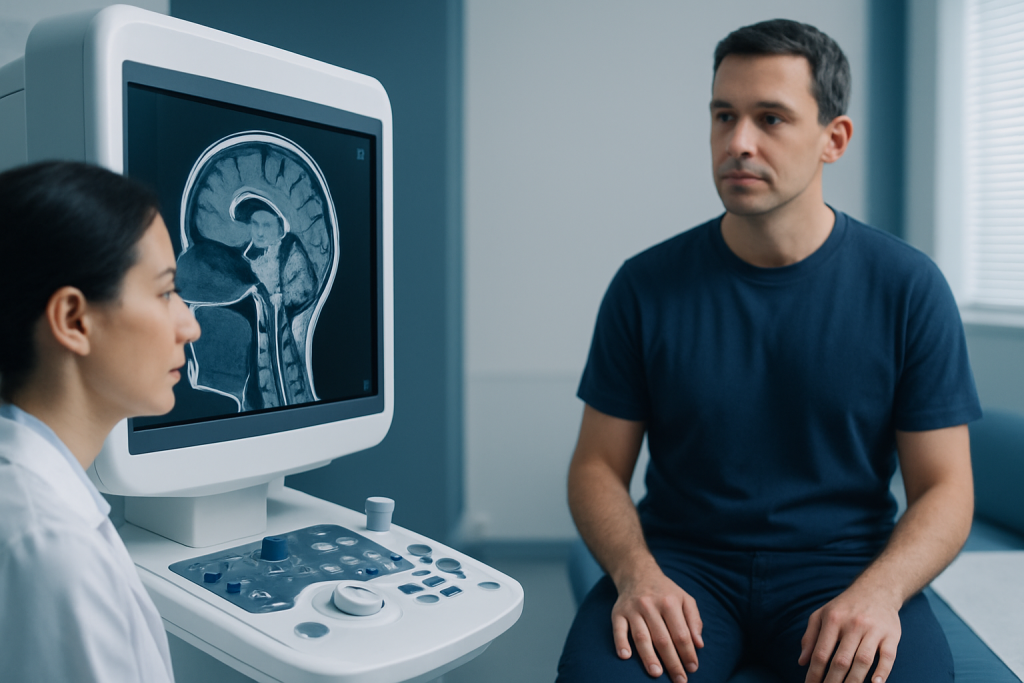
The cerebellum helps the brain coordinate timing, force, and precision of movement. When a person reaches for a cup, the cerebellum helps judge distance and speed so the hand arrives smoothly rather than overshooting or shaking. It also helps the body make quick adjustments when standing, turning, or walking on uneven ground.
It is closely connected to the inner ear, spinal cord, brainstem, and motor areas of the brain. These connections allow it to process information about body position, muscle activity, and visual input. This is why cerebellar disease may affect balance, eye movements, and limb coordination at the same time.
The cerebellum also contributes to motor learning. Repeated activities such as riding a bicycle, typing, or playing an instrument become easier because the cerebellum helps the nervous system practice and refine patterns of movement. This process is one reason rehabilitation can improve function even after some forms of cerebellar injury.
Research also suggests the cerebellum may support aspects of attention, language, and emotional regulation. These effects are usually less obvious than movement problems, but some people with cerebellar disorders may report difficulty with planning, concentration, or changes in speech rhythm and clarity.
Symptoms of cerebellar problems

Cerebellar symptoms often affect coordination more than muscle strength. A person may feel weak because movement becomes inefficient, but the main issue is usually poor control rather than true paralysis. Symptoms can involve the trunk, arms, legs, speech muscles, and the systems that control eye movements and balance.
Common cerebellar symptoms include:
- Unsteady walking or a wide-based gait
- Loss of balance, especially when turning or standing
- Clumsiness of the hands or difficulty with fine motor tasks
- Tremor that appears during movement, such as when reaching
- Slurred or scanning speech
- Abnormal eye movements, double vision, or difficulty focusing
- Dizziness or a spinning sensation in some cases
- Difficulty swallowing in more severe conditions
The pattern of symptoms may help doctors identify which part of the cerebellum is affected. Midline cerebellar problems often cause balance and walking difficulties, while injury to one side can affect coordination on the same side of the body. Symptoms may be mild at first and become more noticeable with fatigue, illness, or alcohol use.
Sudden onset of severe dizziness, inability to walk, vomiting, slurred speech, facial symptoms, or severe headache can be a sign of an urgent brain problem and should not be ignored. In some people, cerebellar symptoms are the first clue to conditions such as brain tumor or inflammatory neurological disease.
Causes and risk factors
Cerebellar dysfunction has many possible causes. Some are temporary and treatable, while others are chronic or progressive. The most common broad categories include reduced blood flow, bleeding, inflammation, infection, tumors, toxins, inherited disorders, autoimmune disease, and metabolic or nutritional problems.
Important causes include stroke affecting the posterior circulation, head injury, multiple sclerosis, viral infections, brain tumors, long-term alcohol misuse, certain medications, heavy metal exposure, and vitamin deficiencies such as low vitamin B12 or vitamin E in selected cases. Degenerative and hereditary conditions can also cause cerebellar ataxia over time.
Risk factors depend on the underlying cause. For example, vascular risk factors such as high blood pressure, diabetes, smoking, high cholesterol, and heart rhythm disorders raise the risk of cerebellar stroke. A family history may suggest an inherited ataxia. Alcohol dependence, malnutrition, or chronic liver disease can increase the chance of toxin-related cerebellar damage.
Autoimmune conditions may also involve the cerebellum, sometimes after infection or alongside cancer-related immune responses. Because the list of causes is broad, evaluation usually focuses on the tempo of symptoms. Problems that begin within minutes to hours are approached differently from symptoms that slowly progress over months or years.
How cerebellar disorders are diagnosed
Diagnosis begins with a careful medical history and neurological examination. The doctor may ask when the symptoms started, whether they came on suddenly or gradually, and whether there are triggers such as infection, alcohol, new medication, or family history. The physical exam often includes tests of walking, standing, finger-to-nose movement, heel-to-shin movement, speech, and eye tracking.
Brain imaging is often essential. Magnetic resonance imaging is commonly used to look for stroke, tumor, inflammation, bleeding, shrinkage of the cerebellum, or structural problems. In urgent situations, a CT scan may be performed quickly to check for bleeding or other emergency findings. Some patients may also need vascular imaging to assess blood vessels in the brain and neck.
Blood tests may help identify infection, inflammation, autoimmune markers, thyroid disease, vitamin deficiency, liver problems, or toxic exposures. If a hereditary condition is suspected, genetic counseling and genetic testing may be recommended. In some situations, spinal fluid testing or more specialized neurological studies may be needed.
Because balance problems can also arise from the inner ear, peripheral nerves, muscles, or other parts of the brain, diagnosis aims to distinguish true cerebellar disease from other causes. When symptoms suggest structural compression, bleeding, or a mass, specialists may recommend urgent evaluation and, if necessary, neurosurgical treatment.
Treatment options and rehabilitation
Treatment for cerebellar disorders depends on the underlying cause rather than the symptom alone. For example, a cerebellar stroke may require urgent stroke care, while infection is treated with the appropriate antimicrobial therapy and a vitamin deficiency is managed by replacing the missing nutrient. If a medication or toxin is contributing, reducing exposure may help prevent further damage.
Some structural causes require procedure-based treatment. A tumor, bleeding, or severe pressure in the back of the brain may need specialist management, which can include brain tumor surgery or other targeted interventions. If a blocked or narrowed blood vessel is involved, the care team may consider approaches linked to stroke treatment depending on timing and imaging findings.
Rehabilitation is often a major part of recovery. Physical therapy can improve gait, balance, and safe transfers. Occupational therapy can help with dressing, writing, eating, and home adaptations. Speech and swallowing therapy may support clearer communication and safer eating if speech or swallowing muscles are affected.
Some cerebellar conditions cannot be fully reversed, but symptoms can still be managed. Assistive devices, fall-prevention strategies, treatment of nausea or dizziness when appropriate, and regular follow-up with neurology can improve quality of life. In complex cases, patients may benefit from multidisciplinary care that combines neurology, rehabilitation, neuroradiology, and neurosurgery.
Prevention and self-care for cerebellar health
Not every cerebellar disorder can be prevented, especially inherited or some autoimmune conditions. However, many causes are linked to general brain health. Managing blood pressure, diabetes, cholesterol, and heart disease lowers the risk of stroke. Avoiding smoking and limiting alcohol use may also help protect the brain and nervous system.
Good nutrition matters. A balanced diet helps reduce the risk of vitamin deficiencies that can affect the nervous system. People with unexplained balance problems should avoid self-treating with supplements alone, because persistent symptoms need proper evaluation to find the cause and prevent missed diagnoses.
Fall prevention is an important self-care step for anyone with cerebellar symptoms. Useful measures include removing loose rugs, improving lighting, wearing stable footwear, using handrails, and following a therapist’s advice about walking aids. Driving, climbing, and operating machinery may need to be reconsidered if coordination or vision is impaired.
Regular follow-up is especially important for progressive or chronic cerebellar conditions. Over time, a care plan may include exercise, speech therapy, swallowing support, medication review, and monitoring for complications. Near the end of the care pathway, some patients choose evaluation at centers such as Acibadem International, where multidisciplinary specialists in JCI-accredited hospitals diagnose and treat cerebellar and other neurological conditions for international patients.
When to seek medical care
Medical review is important whenever a person develops new problems with balance, coordination, slurred speech, or unusual eye movements. Even if symptoms seem mild, they may indicate a neurological condition that benefits from early treatment. Sudden symptoms should be assessed urgently because cerebellar stroke and bleeding can worsen quickly.
Seek emergency care right away if there is sudden inability to walk, severe vertigo with vomiting, severe headache, new double vision, one-sided facial symptoms, confusion, loss of consciousness, or symptoms after a head injury. These may point to a medical emergency affecting the brain.
Prompt but non-emergency medical evaluation is also appropriate for gradually worsening clumsiness, frequent falls, tremor during movement, unexplained speech changes, or difficulty swallowing. Early assessment can help identify treatable causes such as vitamin deficiency, medication effects, inflammation, or tumor.
If a person already has a known neurological diagnosis, contact the treating team if symptoms change significantly or rehabilitation becomes less effective. Depending on the findings, a doctor may recommend advanced imaging, neurological testing, or referral for focused care such as Gamma Knife radiosurgery when a suitable brain lesion is present.
Frequently asked questions
What is the difference between cerebellum and cerebellar?
The cerebellum is the actual part of the brain located at the back of the head near the brainstem. Cerebellar is an adjective that means related to the cerebellum, such as cerebellar symptoms or cerebellar disease.
Can cerebellar problems cause dizziness?
Yes. Some cerebellar disorders can cause dizziness, vertigo, nausea, or a sense of imbalance, especially when the pathways involved in balance and eye control are affected. However, dizziness can also come from ear problems or other neurological conditions, so medical assessment is important.
Is cerebellar ataxia the same as weakness?
Not exactly. Cerebellar ataxia means poor coordination of movement, which can make a person appear weak or clumsy. In many cases, the muscles can still generate strength, but movement is inaccurate, shaky, or poorly timed.
Can damage to the cerebellum improve?
Sometimes it can, depending on the cause. Recovery may occur after infections, medication-related problems, some strokes, or nutritional deficiencies, especially when treatment starts early. In other conditions, rehabilitation focuses on improving function and safety rather than full reversal.
How do doctors test for cerebellar dysfunction?
Doctors usually begin with a neurological examination that checks gait, balance, coordination, speech, and eye movements. Brain imaging, blood tests, and sometimes genetic or spinal fluid testing may be needed to identify the underlying cause.
Does the cerebellum affect speech?
Yes. The cerebellum helps coordinate the muscles used in speech, so cerebellar disorders may cause speech that sounds slow, slurred, or uneven in rhythm. Speech therapy can often help with communication strategies and clarity.
References
- World Health Organization
- National Institute of Neurological Disorders and Stroke
- National Institute on Aging
- American Stroke Association
- MedlinePlus
This article is for general information only and is not a substitute for professional medical advice. Please consult a qualified doctor about your individual situation.
Joint and spine care in Turkey — expert assessment & treatment
JCI-accredited · board-certified surgeons · reply within 24h
Add us as a Preferred Source to see more of our trusted health content across Google Search, AI Overviews and Discover.

More from the Health Library

Insomnia Tips: What Patients Need to Know

Half Creamer — Explained by Medical Evidence, Not Myths

Ear Congestion: An Evidence-Based Guide for Patients

Lemon Balm for Weight Loss: An Evidence-Based Guide for Patients

Angina: What Patients Need to Know