Cerebral Angiography Recovery: Aftercare, Activity Limits, and Warning Signs

Mild bruising, soreness, and tiredness are common after cerebral angiography. Patients usually need to rest, avoid heavy activity, and keep the catheter site clean and dry for a short time.
Key Takeaways
- Mild bruising, soreness, and tiredness are common after cerebral angiography.
- Patients usually need to rest, avoid heavy activity, and keep the catheter site clean and dry for a short time.
- Drinking fluids helps clear contrast dye unless a doctor has advised fluid restriction.
- Bleeding from the puncture site, worsening swelling, weakness, or trouble speaking need urgent medical review.
- Recovery advice may vary depending on the access site, overall health, and whether another procedure was performed.
Cerebral angiography recovery is usually straightforward, with most people going home the same day or after a short observation period. Good aftercare focuses on rest, hydration, protecting the catheter site, and knowing which symptoms are normal and which need prompt medical attention.
Overview of Cerebral Angiography Recovery
Cerebral angiography is a test that shows the blood vessels in the brain, head, and neck using contrast dye and X-ray imaging. It is commonly performed through a small catheter inserted into an artery, often in the groin or wrist. Recovery begins as soon as the catheter is removed and the access site is sealed with pressure or a closure device.
For many people, cerebral angiography recovery is uncomplicated. Some go home the same day, while others stay for a few hours of observation or overnight, depending on the reason for the test, the type of sedation used, and any underlying medical conditions. The healthcare team watches for early issues such as bleeding, allergic reactions, blood pressure changes, or new neurological symptoms.
Most patients can expect a short period of reduced activity rather than a long recovery. The main goals are to allow the artery access site to heal, support the body in clearing the contrast dye, and notice any warning signs early. Clear discharge instructions are important because aftercare can differ slightly from one hospital to another.
What Is Normal After the Procedure
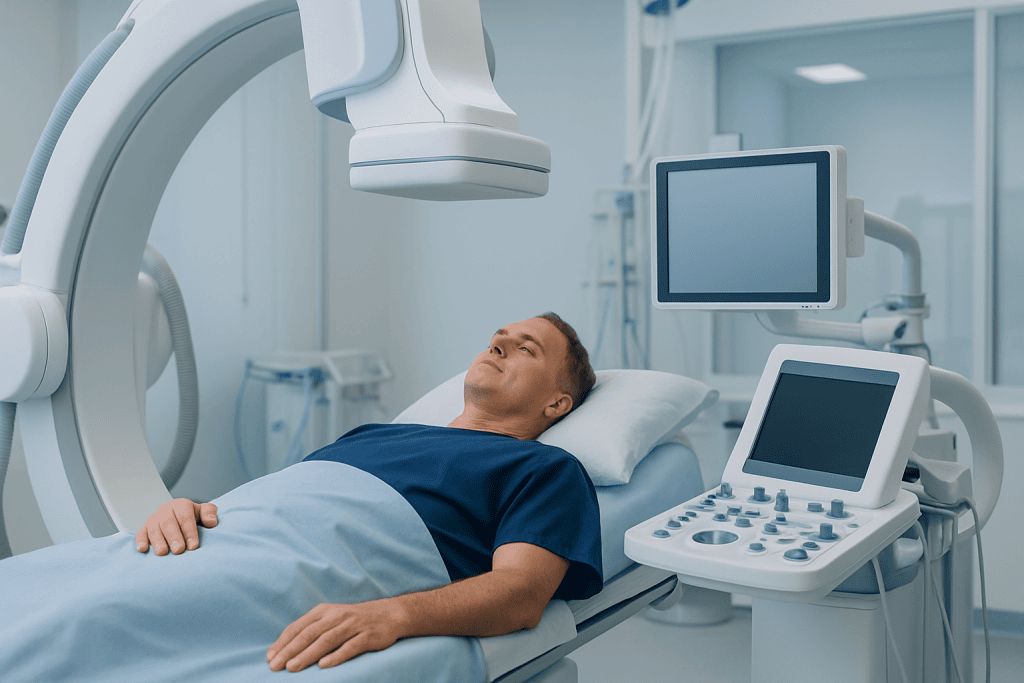
It is common to feel tired for the rest of the day after cerebral angiography, especially if sedative medicine was used. Mild tenderness, a small bruise, or slight swelling where the catheter entered the artery can also occur. These symptoms often improve over several days.
Some people notice a small lump under the skin at the puncture site. This may be related to normal healing, especially when a closure device has been used. A mild headache, temporary nausea, or a warm flushed feeling shortly after contrast injection can also happen, but these effects usually pass quickly.
Patients are often advised to drink water unless they have kidney disease, heart failure, or another reason to limit fluids. Extra hydration can help the kidneys process the contrast dye. Light meals are usually fine once nausea has passed, and many people return to their usual diet the same day.
- Common short-term effects include mild bruising, soreness, and fatigue.
- A small amount of spotting on the dressing may occur, but active bleeding is not normal.
- Temporary groin or wrist discomfort is usually mild and should gradually improve.
Aftercare at Home

Home care after cerebral angiography begins with protecting the catheter site. Patients are usually told to leave the dressing in place for the recommended time and to keep the area clean and dry. Bathing instructions vary, but showering is often allowed after a day or as advised, while soaking in a bathtub, pool, or hot tub is usually delayed until the site has healed.
Rest is important on the first day. Many people are advised not to drive, sign important documents, or make major decisions until sedative effects have fully worn off. Having a responsible adult nearby for the first several hours can be helpful, especially after discharge on the same day.
Medication instructions should be followed closely. Patients who take blood thinners, diabetes medicines, or blood pressure medicines may receive specific directions about when to restart them. If there is any uncertainty, it is safest to ask the treating team rather than guessing. Some patients undergoing angiography as part of evaluation for a brain aneurysm or other vascular problem may also receive tailored follow-up plans.
It helps to check the puncture site a few times a day. Looking for increasing redness, warmth, drainage, expanding bruising, or swelling can help identify a developing problem early. If a closure device was used, the team may explain what kind of lump or tenderness is expected during healing.
Activity Limits and Returning to Daily Life
Activity limits after cerebral angiography are mainly designed to reduce pressure on the artery that was used. Patients are often asked to avoid heavy lifting, strenuous exercise, pushing, pulling, or repeated bending for at least a short period, commonly one to several days depending on the access site and the doctor’s instructions. This helps lower the risk of bleeding or reopening the puncture area.
If the catheter was inserted through the groin, doctors may recommend limiting stair climbing, squatting, or forceful leg movement at first. If the wrist was used, avoiding strong gripping, repetitive hand use, or lifting with that arm may be advised. Gentle walking is often encouraged because it supports circulation without placing too much strain on the access site.
Return to work depends on the type of job and the reason the angiography was done. Desk work may be possible fairly quickly, while physically demanding work may require more time. If angiography was followed by another intervention, recovery instructions may be different from a diagnostic study alone. In some cases, the angiogram is part of planning for brain aneurysm treatment or stroke treatment, which can involve a separate recovery timeline.
Travel plans should also be discussed with the care team. Most routine local travel is manageable once a patient is stable and comfortable, but long trips, air travel, or traveling alone soon after the procedure may not be ideal for everyone. Individual advice is especially important for older adults and people with complex medical conditions.
Warning Signs That Need Prompt Attention
Although serious complications are uncommon, certain symptoms after cerebral angiography need prompt medical attention. The most urgent issue is bleeding from the puncture site. If bright red bleeding occurs, firm pressure should be applied as instructed and emergency help should be sought right away.
Worsening swelling, a rapidly enlarging bruise, severe pain, numbness, coldness, or color change in the arm, hand, leg, or foot beyond the catheter site can suggest a circulation problem. Fever, increasing redness, pus, or warmth around the site may point to infection. Chest pain, shortness of breath, fainting, or a severe allergic reaction also require immediate care.
Because the procedure involves the brain’s blood vessels, any new neurological symptom should be treated seriously. These include weakness, facial drooping, confusion, trouble speaking, sudden vision changes, severe dizziness, loss of balance, or a sudden severe headache unlike the person’s usual pattern. These can be warning signs of a stroke or another neurological complication and should not be ignored.
- Seek urgent help for active bleeding that does not stop with pressure.
- Call a doctor promptly for increasing swelling, severe pain, or signs of infection.
- Call emergency services for weakness, speech changes, vision loss, or a sudden severe headache.
Follow-Up, Test Results, and Longer-Term Recovery
Recovery does not end when the patient leaves the hospital. Follow-up helps review the angiography findings, explain what they mean, and decide whether any further treatment or surveillance is needed. In some cases, the angiogram is normal; in others, it may identify narrowing, malformations, aneurysms, or other blood vessel changes that guide next steps.
If the angiogram was performed because of symptoms such as severe headache, transient weakness, or suspected stroke, the doctor may combine the results with MRI, CT, ultrasound, or laboratory findings. Patients may be referred to neurology, neurosurgery, or vascular specialists depending on the cause. Some may need ongoing management for conditions such as carotid artery disease.
People with kidney disease, diabetes, or older age may need extra attention after receiving contrast dye. Follow-up blood tests are sometimes arranged to check kidney function when there is concern. Patients should also tell their doctor if they develop delayed rash, persistent nausea, reduced urine output, or unusual fatigue after going home.
When specialist treatment is needed, a multidisciplinary approach can help coordinate imaging, medication, and intervention decisions. Acibadem International’s multidisciplinary specialists in JCI-accredited hospitals diagnose and treat complex neurovascular conditions for international patients, including evaluation with procedures such as cerebral angiography and therapies such as carotid endarterectomy when appropriate.
How to Support a Smooth Recovery
A smooth recovery often depends on a few practical steps. Resting on the day of the procedure, avoiding strain, drinking fluids if allowed, and following site-care instructions can make a meaningful difference. Patients should keep their discharge paperwork nearby so they can quickly check instructions about medicines, bathing, activity, and who to call with concerns.
It is also helpful to prepare the home environment before the appointment. Easy access to water, light meals, prescribed medicines, and a place to rest can reduce stress after discharge. Wearing loose clothing may prevent rubbing over the groin or wrist access site.
Family members or caregivers can support recovery by checking in during the first day, helping with transport, and watching for warning signs. A patient should never feel hesitant about contacting the medical team if something seems unusual. Early questions are often the best way to prevent a small issue from becoming a larger one.
Every person’s recovery is a little different. The safest approach is to use general guidance as a framework and follow the specific instructions from the treating doctor, who knows the details of the procedure, the access site, and the patient’s overall health.
Frequently asked questions
How long does cerebral angiography recovery usually take?
Most people recover from the immediate effects within a day or two, although mild bruising or soreness at the catheter site can last longer. The exact timeline depends on whether the angiography was purely diagnostic or part of a larger treatment plan.
Is it normal to have bruising after a cerebral angiogram?
Yes, a small bruise and mild tenderness at the groin or wrist access site are common. However, a bruise that rapidly expands, becomes very painful, or is associated with swelling or numbness should be assessed promptly.
When can normal exercise be resumed?
Light walking is often acceptable soon after the procedure, but strenuous exercise and heavy lifting are usually restricted for a short period. The treating doctor will give the safest timing based on the access site and the patient's overall condition.
What should be avoided after cerebral angiography?
Patients are commonly advised to avoid driving right away if sedation was used, and to avoid heavy lifting, strenuous exertion, and soaking the puncture site until healing has started. It is also important not to ignore new neurological symptoms or active bleeding.
When should a patient go to the emergency department after cerebral angiography?
Emergency care is needed for uncontrolled bleeding, sudden weakness, trouble speaking, severe headache, vision changes, chest pain, or shortness of breath. These symptoms can signal a serious complication and should be treated without delay.
Why is drinking water recommended after the procedure?
Fluids may help the body clear the contrast dye used during angiography, especially when kidney function is normal. However, people with heart failure, kidney disease, or fluid restrictions should follow their doctor's individualized advice.
References
- American Heart Association
- National Institute of Neurological Disorders and Stroke
- Radiological Society of North America
- Society of Interventional Radiology
- NHS
This article is for general information only and is not a substitute for professional medical advice. Please consult a qualified doctor about your individual situation.
Explore treatments in Turkey — costs, top hospitals & a free quote
JCI-accredited · board-certified surgeons · reply within 24h
Add us as a Preferred Source to see more of our trusted health content across Google Search, AI Overviews and Discover.
Check your numbers in seconds
BMI, calories, due date, blood pressure and 30+ more clinical calculators — free, instant, doctor-reviewed ranges.