Cerebral Angiography Recovery: Side Effects, Warning Signs, and Aftercare

Most people recover from cerebral angiography within a short period, but they should follow activity restrictions and puncture-site care instructions closely. Mild bruising, soreness, and fatigue are common side effects after a brain angiogram and often improve within days.
Key Takeaways
- Most people recover from cerebral angiography within a short period, but they should follow activity restrictions and puncture-site care instructions closely.
- Mild bruising, soreness, and fatigue are common side effects after a brain angiogram and often improve within days.
- Urgent medical attention is needed for heavy bleeding, worsening swelling, severe headache, weakness, speech changes, chest pain, or trouble breathing.
- Drinking fluids, resting, avoiding strenuous activity, and taking medicines exactly as advised support a smoother recovery.
- People with kidney disease, contrast allergy history, or blood-thinner use may need closer monitoring after the procedure.
Cerebral angiography recovery is usually straightforward, with most people experiencing only mild soreness, bruising, or tiredness for a short time after the procedure. Knowing what is normal, how to care for the puncture site, and which warning signs need medical attention can help recovery feel safer and more predictable.
Overview of cerebral angiography recovery
Cerebral angiography is a procedure that uses contrast dye and X-ray imaging to show the blood vessels in the brain and neck. It is often performed to help diagnose or plan treatment for conditions such as aneurysms, narrowing of blood vessels, arteriovenous malformations, stroke-related problems, or unexplained bleeding. Recovery usually begins immediately after the procedure, when the medical team monitors the puncture site, blood pressure, pulse, and neurological status.
For many people, cerebral angiography recovery is short and uncomplicated. The most common expectations are several hours of observation, temporary restrictions on movement, and some soreness or bruising where the catheter was inserted, often in the groin or wrist. Depending on the reason for the angiogram, the type of closure device used, and the person’s overall health, some patients go home the same day while others stay longer for observation.
Although recovery is generally smooth, it is important to understand that cerebral angiography is an invasive test. The aftercare period is not only about comfort but also about watching for uncommon complications, such as bleeding, vessel injury, allergic reaction, kidney strain from contrast dye, or new neurological symptoms. Clear discharge instructions and prompt medical advice for warning signs help reduce risk and provide reassurance.
Common side effects after a brain angiogram
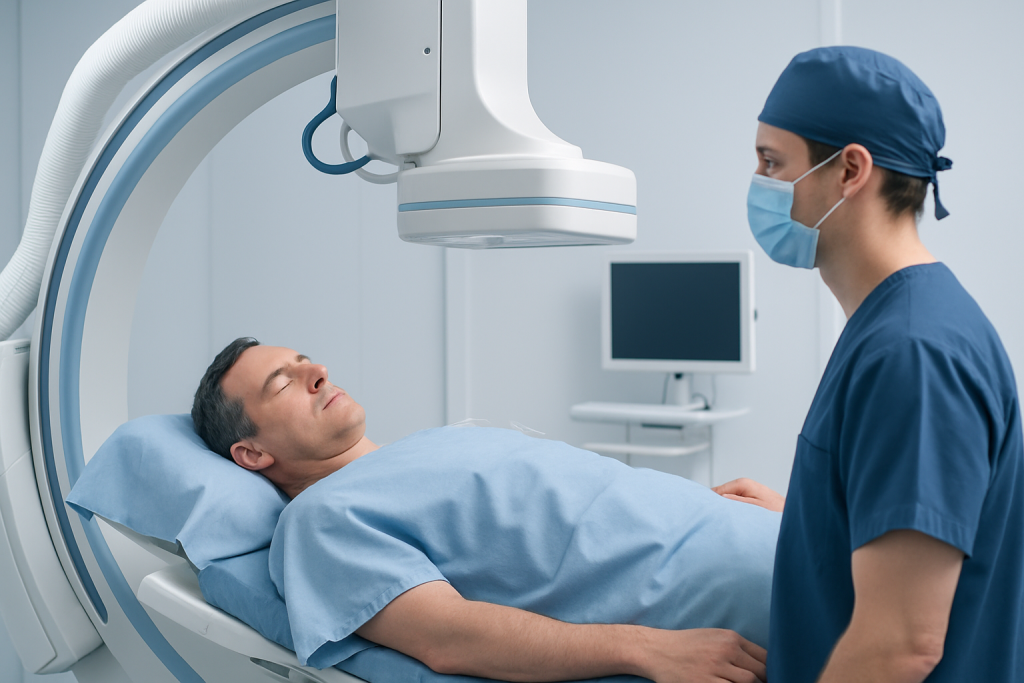
Most side effects after cerebral angiography are mild and short-lived. A small bruise, tenderness, or a firm lump near the catheter insertion site can happen as the tissues heal. Some people also feel tired after the procedure, especially if they were fasting, received sedating medicines, or felt anxious beforehand.
It is also common to notice slight discomfort when moving the leg or wrist used for access. Mild nausea, a warm flushed feeling during contrast injection, or a temporary metallic taste may occur during or shortly after the angiogram and usually settle quickly. If a bandage or compression device was used, the area may feel tight for a limited time.
Other expected but usually minor symptoms can include:
- Light bruising at the puncture site
- Mild swelling or tenderness around the access area
- Temporary fatigue or sleepiness
- Small amount of spotting on the dressing
- Brief skin sensitivity from tape or antiseptic
These symptoms should gradually improve, not worsen. If pain increases rather than eases, or if bruising spreads rapidly, medical review is important because it may suggest bleeding under the skin or another complication.
What happens right after the procedure

Immediately after cerebral angiography, the catheter is removed and pressure is applied to prevent bleeding. In some cases, a closure device is used to seal the artery. The patient is then monitored in a recovery area, where nurses check the puncture site, circulation to the limb, blood pressure, heart rate, and alertness. They may also ask the patient to move the arms and legs or answer simple questions to confirm normal neurological function.
If the catheter was inserted through the groin, lying flat and keeping the leg still for a period of time may be necessary. If wrist access was used, the hand and wrist may be supported while pressure is maintained. Eating and drinking are usually allowed once the team confirms that it is safe to do so, and good hydration is often encouraged to help the body clear the contrast dye.
Before discharge, the care team explains when to remove the dressing, when bathing is safe, how much activity is allowed, and which medicines should be continued or paused. Because sedatives may impair alertness for a while, many patients are advised not to drive and to have a responsible adult accompany them home. Following these instructions carefully is one of the most important parts of aftercare.
At-home aftercare and self-care tips
At home, recovery usually focuses on protecting the puncture site and allowing the body to rest. Most people are advised to avoid strenuous exercise, heavy lifting, and repeated bending or forceful use of the affected limb for a short time. Gentle walking is often acceptable, but the exact timing should follow the treating team’s instructions.
Drinking water can be helpful unless a doctor has advised fluid restriction for another medical reason. Regular meals may be resumed as tolerated. Medicines should be taken exactly as directed, especially if there were temporary changes to blood thinners, diabetes medicines, or drugs used to protect kidney function. It is best not to restart any paused medicine early unless the doctor specifically says it is safe.
Simple self-care measures may support comfort and healing:
- Keep the dressing clean and dry as instructed
- Check the puncture site daily for bleeding, redness, or increasing swelling
- Rest for the remainder of the day after discharge
- Avoid hot baths, swimming, or soaking the site until cleared by the medical team
- Arrange help at home if standing, lifting, or caring for others may strain the access area
If the angiogram was performed as part of evaluation for a problem such as an aneurysm or stroke, follow-up appointments are especially important. Recovery instructions may differ when angiography is combined with procedures in interventional neuroradiology treatment or when imaging is guiding care for a brain aneurysm.
Warning signs that need urgent medical attention
While complications are not common, some symptoms should never be ignored. Heavy bleeding from the puncture site, rapidly expanding swelling, numbness, coolness, or color change in the arm or leg used for access may suggest a circulation problem or ongoing bleeding. If bleeding occurs, firm pressure is usually advised while urgent medical help is sought according to the discharge plan.
Neurological symptoms are especially important after cerebral angiography. A severe or unusual headache, weakness on one side, trouble speaking, confusion, facial drooping, loss of balance, vision changes, or seizures require emergency assessment. These symptoms can be unrelated to the recovery site itself and may indicate a problem affecting the brain.
Other urgent warning signs include chest pain, trouble breathing, fainting, fever with worsening redness at the puncture site, or signs of allergic reaction such as hives, facial swelling, or wheezing. People should also contact a doctor promptly if they pass very little urine, develop significant nausea and vomiting, or feel unusually unwell, because contrast dye can occasionally affect kidney function, particularly in those already at risk.
In patients whose angiography relates to conditions such as stroke or vessel abnormalities, clinicians may advise an especially low threshold for seeking help if any new neurological symptom appears. When there is uncertainty, it is safer to call the treating team or emergency services rather than wait.
Factors that can affect recovery
Recovery time and aftercare needs are not identical for everyone. Age, general health, mobility, kidney function, diabetes, blood pressure control, and the reason for the angiogram can all influence how closely a patient needs to be monitored. People who take anticoagulants or antiplatelet medicines may have a higher risk of bruising or bleeding and often receive tailored instructions before and after the procedure.
A history of allergy to contrast dye, asthma, or previous reactions to imaging procedures may also change the recovery plan. In some patients, premedication is used, and extra observation may be recommended afterward. Those with chronic kidney disease may need hydration strategies and blood tests to make sure the kidneys tolerate the contrast well.
The access route matters too. Groin access can require more limitation of bending and lifting for a period of time, while wrist access may affect hand use temporarily. If cerebral angiography is followed by treatment rather than imaging alone, recovery may be longer and more individualized. In some cases, further care may involve aneurysm treatment or other neurovascular planning based on the angiogram results.
Follow-up, results, and when to contact the doctor
Patients are usually told when and how they will receive their angiography results. Sometimes the findings are explained on the same day, while in other cases the images are reviewed in detail before the final plan is discussed. Follow-up may include clinic visits, repeat imaging, medication review, or referral to a neurologist, neurosurgeon, or neurointerventional specialist depending on what the angiogram showed.
It is sensible to contact the doctor if there are symptoms that are not severe but still concerning, such as a growing bruise, persistent pain, continued oozing from the site, rash, or side effects from medicines. Questions about returning to work, travel, exercise, and driving are also appropriate during follow-up, because guidance can vary according to the person’s job, underlying condition, and procedural details.
People should seek medical advice sooner rather than later if they feel something is not right, even if the symptom does not seem to fit a standard list. A careful review can often provide reassurance, and when a problem is present, early assessment supports safer treatment. Acibadem International’s multidisciplinary specialists in JCI-accredited hospitals diagnose and treat neurovascular conditions for international patients, including evaluation after cerebral angiography when ongoing care is needed.
For some patients, the next step after diagnostic angiography may involve targeted treatment such as carotid artery disease treatment if significant vessel narrowing is found. The exact plan depends on the angiogram findings, symptoms, and the patient’s overall medical situation.
Frequently asked questions
How long does cerebral angiography recovery usually take?
Many people recover enough to go home the same day after a period of monitoring. Mild bruising or soreness at the puncture site may last a few days, while activity restrictions are usually short-term and depend on the access site and the doctor's instructions.
Is it normal to have a bruise after a brain angiogram?
Yes, a small bruise and some tenderness around the catheter site are common after cerebral angiography. The area should gradually improve, not become more painful, swollen, or firm over time.
When can normal activities be resumed after cerebral angiography?
Light daily activities may often be resumed fairly soon, but heavy lifting, strenuous exercise, and soaking the puncture site are usually delayed for a short period. The exact timing depends on whether the artery was accessed through the groin or wrist and whether any additional treatment was performed.
What symptoms after cerebral angiography are an emergency?
Emergency symptoms include heavy bleeding from the puncture site, rapidly increasing swelling, severe headache, weakness, trouble speaking, vision changes, chest pain, or trouble breathing. These symptoms need urgent medical assessment because they may indicate bleeding, a circulation problem, or a neurological complication.
Should patients drink extra water after cerebral angiography?
Hydration is often encouraged because it may help the body clear the contrast dye, provided there is no medical reason to limit fluids. Patients with heart failure, kidney disease, or other conditions that affect fluid balance should follow their doctor's specific advice.
Can cerebral angiography affect the kidneys?
The contrast dye used during angiography can affect kidney function in some people, especially those who already have kidney disease, diabetes, or dehydration. This is one reason doctors review medical history carefully and may recommend hydration or follow-up blood tests in higher-risk patients.
References
- American Heart Association
- National Institute of Neurological Disorders and Stroke
- Radiological Society of North America
- Society of Interventional Radiology
This article is for general information only and is not a substitute for professional medical advice. Please consult a qualified doctor about your individual situation.
Explore treatments in Turkey — costs, top hospitals & a free quote
JCI-accredited · board-certified surgeons · reply within 24h
Add us as a Preferred Source to see more of our trusted health content across Google Search, AI Overviews and Discover.
Check your numbers in seconds
BMI, calories, due date, blood pressure and 30+ more clinical calculators — free, instant, doctor-reviewed ranges.