Cerebral Cortex: Functions, Regions, and Common Problems
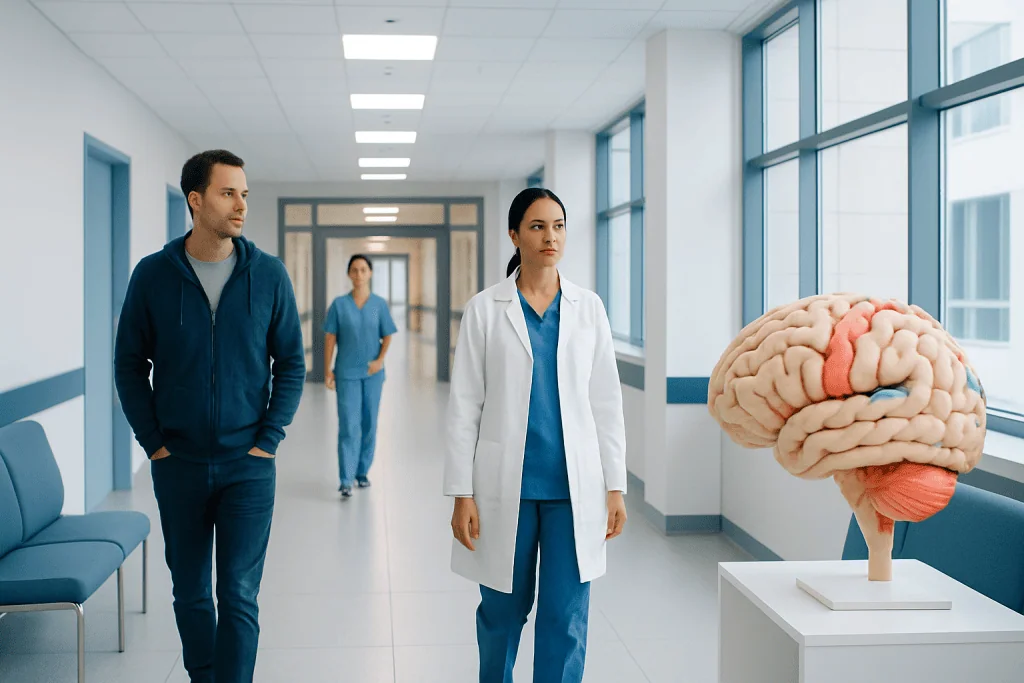
The cerebral cortex is the folded outer layer of the brain involved in higher brain functions. Different cortical lobes help control movement, sensation, language, vision, emotions, and decision-making.
Key Takeaways
- The cerebral cortex is the folded outer layer of the brain involved in higher brain functions.
- Different cortical lobes help control movement, sensation, language, vision, emotions, and decision-making.
- Problems affecting the cerebral cortex may cause symptoms such as weakness, speech changes, memory issues, seizures, or personality changes.
- Doctors use neurological exams and brain imaging to identify cortical disorders and guide treatment.
- Treatment depends on the underlying cause and may include medicines, rehabilitation, surgery, or supportive care.
The cerebral cortex is the brain’s outer layer and plays a central role in thought, memory, language, sensation, and voluntary movement. Understanding its regions and functions can help explain how different brain problems affect daily life.
Overview of the Cerebral Cortex
The cerebral cortex is the thin, wrinkled outer covering of the cerebrum, the largest part of the brain. Although it is only a few millimeters thick, it contains billions of nerve cells and connections that make complex human abilities possible. These include thinking, planning, speaking, understanding language, remembering, feeling sensations, and controlling voluntary movement.
Its folded appearance is important because the folds increase the surface area of the brain. This allows more nerve cells to fit into the skull and supports advanced processing. The cortex works together with deeper brain structures, the brainstem, spinal cord, and peripheral nerves, forming networks that help the body respond to both internal and external information.
The cerebral cortex is divided into two hemispheres, left and right, and each hemisphere is further organized into lobes with specialized roles. In many people, some functions are more dominant on one side. For example, language is often more strongly linked to the left hemisphere, while aspects of spatial awareness may rely more on the right. Even so, most daily tasks depend on multiple regions working together rather than one area acting alone.
Main Functions of the Cerebral Cortex
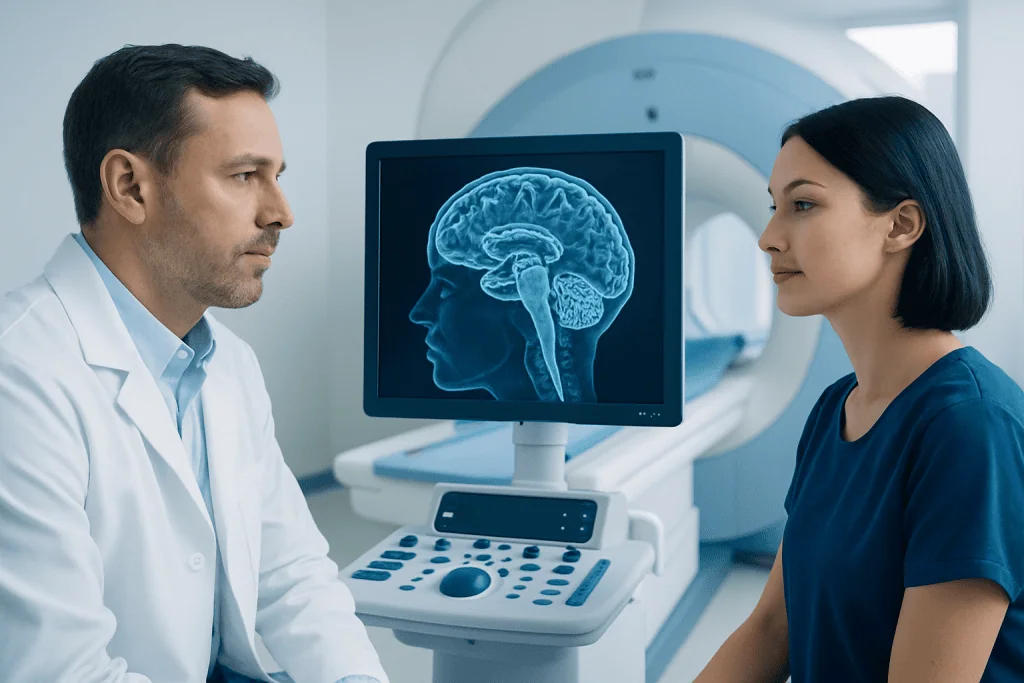
The cerebral cortex supports what are often called higher brain functions. These include attention, judgment, problem-solving, self-control, awareness, social behavior, and the ability to learn from experience. It also helps process incoming sensory information, such as touch, pain, temperature, sound, and visual signals, so that the brain can interpret what the body is sensing.
Another major role is motor control. The cortex helps initiate and guide voluntary movements, from walking and writing to facial expressions and speech. It does not work in isolation; smooth and coordinated movement also depends on communication with deeper structures such as the basal ganglia and cerebellum.
Language is another key cortical function. Specific areas help a person produce speech, understand spoken words, read, and write. The cortex also plays an essential role in memory and emotion by connecting with structures such as the hippocampus and limbic system. Because so many functions rely on the cortex, damage to different areas can lead to very different symptoms.
Regions of the Cerebral Cortex and What They Do

The cortex is commonly described by its four major lobes. The frontal lobe helps with planning, decision-making, behavior, impulse control, personality, and voluntary movement. It also includes areas involved in speech production. The parietal lobe processes touch and body position and helps with spatial awareness, attention, and integrating sensory information.
The temporal lobe is important for hearing, language comprehension, and memory. It also contributes to emotion and recognition of sounds and objects. The occipital lobe, located at the back of the brain, mainly processes vision. Damage in this area can lead to visual disturbances even when the eyes themselves are healthy.
Doctors also describe the cortex by functional areas rather than only by lobes. For example, the primary motor cortex helps control movement, the primary somatosensory cortex receives body sensations, and association areas combine information to support reasoning and perception. This functional mapping helps explain why a problem in one part of the cortex may affect speech, while a problem in another may affect balance, sensation, or vision.
Although each region has special roles, the cortex works as an interconnected system. Reading a sentence, for example, may involve visual areas, language areas, attention networks, and memory circuits at the same time. This is why cortical disorders can sometimes affect more than one ability at once.
Common Problems That Affect the Cerebral Cortex
Many medical conditions can affect the cerebral cortex. A stroke can interrupt blood flow to part of the brain, damaging cortical tissue and causing sudden symptoms such as weakness, numbness, speech difficulty, or vision changes. Head injuries may also harm the cortex, sometimes leading to concentration problems, mood changes, memory difficulties, or seizures.
Seizure disorders such as epilepsy often begin in the cortex, where abnormal electrical activity can spread through brain networks. Depending on the affected area, seizures may involve staring, unusual sensations, jerking movements, confusion, or loss of awareness. Infections, inflammation, and autoimmune conditions can also involve the cortex and may cause headaches, fever, confusion, or neurological deficits.
Brain tumors, whether benign or malignant, may press on or grow into cortical tissue. Symptoms vary by location and can include headaches, weakness, personality changes, speech problems, or seizures. Neurodegenerative disorders such as Alzheimer’s disease may gradually damage cortical networks involved in memory, orientation, judgment, and communication.
Some developmental or congenital conditions also affect cortical structure or function. In children, this may show up as delays in speech, movement, learning, or behavior. Because the cerebral cortex influences so many aspects of daily life, any new or unexplained neurological symptom deserves medical attention.
Symptoms of Cerebral Cortex Disorders
Symptoms depend largely on which cortical area is affected and how quickly the problem develops. Sudden changes can happen with stroke, bleeding, or severe infection, while gradual changes are more typical of tumors or degenerative diseases. Some symptoms are very noticeable, while others may first appear as subtle changes in behavior, attention, or memory.
Possible symptoms include weakness on one side of the body, numbness, clumsiness, trouble speaking, difficulty understanding language, confusion, memory loss, personality changes, vision problems, or seizures. Some people may have difficulty recognizing familiar faces or objects, following instructions, reading, writing, or judging space and direction.
Warning signs that need urgent medical care include sudden facial drooping, arm weakness, severe confusion, sudden loss of vision, trouble speaking, or a seizure in someone without a known history. A severe head injury with vomiting, loss of consciousness, or worsening drowsiness also requires immediate evaluation.
- Movement problems may suggest frontal or motor cortex involvement.
- Sensory loss may point to the parietal cortex.
- Speech or language changes may involve frontal or temporal regions.
- Visual disturbances may suggest occipital cortex involvement.
- Memory and behavior changes may reflect temporal or frontal lobe problems.
How Doctors Diagnose Cerebral Cortex Problems
Diagnosis usually begins with a careful medical history and neurological examination. The doctor asks about the timing of symptoms, whether they started suddenly or gradually, and whether there are triggers such as injury, infection, or previous medical conditions. The examination may assess strength, sensation, balance, reflexes, vision, speech, memory, and coordination.
Brain imaging is often an important next step. A CT scan may be used urgently to look for bleeding, stroke, or major structural problems. MRI gives more detailed images of brain tissue and can help detect tumors, inflammation, small strokes, demyelination, or injury to specific cortical areas. In some cases, specialized scans may be used to study blood flow or brain activity.
If seizures are suspected, an electroencephalogram, or EEG, may record the brain’s electrical activity. Blood tests can help look for infection, metabolic problems, autoimmune causes, or other medical conditions affecting the brain. Depending on the situation, some people may also need cognitive testing, lumbar puncture, or referral to a neurologist, neurosurgeon, or rehabilitation specialist.
Prompt diagnosis matters because some cortical conditions, especially stroke, infection, and certain seizures, benefit from early treatment. A clear diagnosis also helps guide recovery planning and long-term support.
Treatment Options and Recovery
Treatment depends on the underlying cause rather than on the cortex alone. For example, a stroke may require emergency care and later rehabilitation, while epilepsy may be managed with anti-seizure medicines and follow-up testing. Brain tumors may need monitoring, brain tumor surgery, radiation therapy, or other specialist treatment depending on the tumor type and location.
If a person has severe or difficult-to-control seizures, doctors may consider advanced evaluation and, in selected cases, epilepsy surgery. Inflammatory or infectious conditions may be treated with medicines aimed at the cause, such as antimicrobials or immune therapies. Head injuries may need close observation, rehabilitation, and sometimes surgery if there is pressure on the brain.
Recovery often includes supportive therapies. Physical therapy can improve strength and movement, occupational therapy can help with daily activities, and speech-language therapy can support communication and swallowing. Cognitive rehabilitation may help with attention, memory, and problem-solving after injury or illness.
In some cases, surgery on the nervous system may be part of care, such as neurosurgery for structural problems affecting the cortex. Near the end of the care journey, long-term follow-up is important because symptoms, medication needs, and rehabilitation goals can change over time. Acibadem International’s multidisciplinary specialists and JCI-accredited hospitals diagnose and treat neurological conditions for international patients when expert assessment is needed.
Prevention, Self-care, and When to See a Doctor
Not all cerebral cortex disorders can be prevented, but healthy habits can lower the risk of some major causes. Managing blood pressure, diabetes, and cholesterol, avoiding smoking, limiting alcohol, staying physically active, and following a balanced diet can help reduce the risk of stroke and vascular brain disease. Using helmets, seat belts, and fall-prevention measures can also reduce the risk of head injury.
People with known neurological conditions should take prescribed medicines as directed and attend follow-up appointments. Good sleep, stress management, and avoiding missed seizure medication doses may help some people with epilepsy reduce the chance of breakthrough seizures. Family members may also help by recognizing warning signs and supporting medication routines and rehabilitation plans.
A doctor should be consulted for new headaches with neurological symptoms, persistent memory problems, unexplained changes in speech or behavior, repeated seizures, or ongoing weakness or numbness. Emergency care is needed for any sudden stroke-like symptom, a first seizure, or a serious head injury. Early evaluation can make a meaningful difference in treatment choices and recovery.
Frequently asked questions
What is the cerebral cortex?
The cerebral cortex is the outer layer of the brain’s cerebrum. It is responsible for many advanced functions, including thinking, language, sensation, memory, and voluntary movement.
What are the main parts of the cerebral cortex?
The cerebral cortex is commonly divided into the frontal, parietal, temporal, and occipital lobes. Each lobe has specialized roles, but they work together through complex brain networks.
Can damage to the cerebral cortex heal?
Some recovery is possible, depending on the cause, severity, and location of the damage. The brain can sometimes adapt by using other pathways, especially with rehabilitation, but recovery varies from person to person.
What symptoms suggest a problem in the cerebral cortex?
Possible symptoms include weakness, numbness, speech difficulty, memory loss, seizures, personality changes, or vision problems. Sudden symptoms, especially trouble speaking or one-sided weakness, need urgent medical care.
How is a cerebral cortex disorder diagnosed?
Doctors usually combine a neurological exam with tests such as CT, MRI, blood work, and sometimes EEG. The exact tests depend on the symptoms and the suspected cause.
Are cerebral cortex problems always serious?
Not always, but they should not be ignored. Some causes are temporary or treatable, while others need urgent care, so a medical evaluation is important whenever new neurological symptoms appear.
References
- World Health Organization
- National Institute of Neurological Disorders and Stroke
- National Institute on Aging
- Mayo Clinic
- Cleveland Clinic
This article is for general information only and is not a substitute for professional medical advice. Please consult a qualified doctor about your individual situation.
Explore treatments in Turkey — costs, top hospitals & a free quote
JCI-accredited · board-certified surgeons · reply within 24h
Add us as a Preferred Source to see more of our trusted health content across Google Search, AI Overviews and Discover.