Cerebrum: Function, Structure, and Common Disorders

The cerebrum controls many higher brain functions, including reasoning, voluntary movement, speech, and sensory processing. It is divided into lobes and hemispheres, each with specialized but connected roles.
Key Takeaways
- The cerebrum controls many higher brain functions, including reasoning, voluntary movement, speech, and sensory processing.
- It is divided into lobes and hemispheres, each with specialized but connected roles.
- Common cerebrum-related disorders include stroke, traumatic brain injury, tumors, epilepsy, and neurodegenerative conditions.
- Symptoms vary widely and may include weakness, speech changes, memory problems, seizures, or personality changes.
- Diagnosis usually involves a neurologic exam and imaging or other tests tailored to the suspected cause.
The cerebrum is the largest part of the brain and plays a central role in thinking, movement, sensation, language, and memory. Understanding its structure and common disorders can help people recognize symptoms early and seek appropriate care.
Overview
The cerebrum is the largest and most highly developed part of the brain. It sits at the top of the brain and is responsible for many of the functions people associate with consciousness, including thought, voluntary movement, language, planning, memory, and awareness of the surrounding world.
Although the cerebrum works as a whole, different regions are specialized for different tasks. Injury or disease affecting one area may cause very specific symptoms, while more widespread problems can affect several abilities at once. In some cases, disorders of the cerebrum may be acute, such as a stroke, while others develop gradually over time.
For a broader overview of the nervous system, some people also find it helpful to read about stroke and epilepsy, two conditions that can directly affect cerebrum function.
Structure of the Cerebrum
The cerebrum is divided into two halves, called the left and right hemispheres. These hemispheres are connected by a thick band of nerve fibers that allows them to communicate. Each hemisphere controls movement and receives sensory information from the opposite side of the body.
Each hemisphere is further divided into lobes: the frontal, parietal, temporal, and occipital lobes. The frontal lobe helps with planning, judgment, personality, speech production, and voluntary movement. The parietal lobe processes touch, spatial awareness, and some aspects of attention. The temporal lobe is important for hearing, language understanding, and memory. The occipital lobe primarily processes vision.
Under the brain’s outer surface, the cerebral cortex lies in folds and grooves that increase the surface area available for complex processing. Deeper structures within or near the cerebrum help regulate movement, coordination, and communication between brain regions.
Function of the Cerebrum

The cerebrum supports many of the body’s most complex abilities. It allows a person to interpret sights, sounds, touch, and other sensations, and then respond in a coordinated way. It is also essential for learning, problem-solving, decision-making, and the ability to carry out purposeful actions.
Language is another major cerebrum function. Different areas work together to help a person understand speech, choose words, and speak clearly. Memory formation and recall also depend heavily on cerebrum networks, especially those involving the temporal lobes and related connections.
Because the cerebrum integrates information from many parts of the body, even a small disruption can lead to noticeable changes. Depending on the location and severity of the problem, symptoms may affect movement, sensation, thinking, speech, vision, or behavior.
Common Cerebrum Disorders
Several conditions can affect the cerebrum. Some happen suddenly, such as stroke or head injury, while others are progressive. Common disorders include brain tumors, infections that involve brain tissue, epilepsy, degenerative diseases, and inflammatory conditions.
Stroke can occur when blood flow to part of the cerebrum is blocked or when a blood vessel ruptures. A traumatic brain injury may damage cerebrum tissue directly or cause swelling and bleeding. Tumors can press on nearby areas and interfere with normal brain activity.
Other conditions may alter cerebrum function more gradually. Certain dementias affect memory and reasoning, while epilepsy can cause recurrent seizures due to abnormal electrical activity in the brain. The exact impact depends on which brain networks are involved.
In some situations, doctors may consider treatments such as stroke treatment or brain surgery when a cerebrum disorder requires urgent or specialized care.
Symptoms and Warning Signs
Symptoms of cerebrum disorders vary by cause and location. A person may develop weakness on one side of the body, numbness, trouble speaking, confusion, vision changes, difficulty walking, or problems with balance and coordination. Some people notice changes in personality, concentration, or memory.
Seizures are another important sign of cerebrum dysfunction. They can look very different from person to person, ranging from brief staring spells to convulsions. Headache alone is not specific to a cerebrum disorder, but a severe or unusual headache together with neurologic symptoms deserves prompt assessment.
Because symptoms can overlap among many conditions, it is important not to assume the cause. A careful medical evaluation helps distinguish between stroke, infection, injury, tumor, seizure disorder, and other possibilities.
Causes and Risk Factors
Cerebrum disorders can arise from many causes. Vascular problems, such as blocked or burst blood vessels, are among the most serious. Trauma, infections, autoimmune inflammation, tumors, and inherited or degenerative diseases can also affect brain tissue.
Risk factors depend on the underlying condition. High blood pressure, diabetes, smoking, and certain heart conditions increase the risk of stroke. A history of falls, contact sports, or motor vehicle accidents can raise the risk of head injury. Older age is associated with a higher risk of some degenerative brain conditions, while seizures may occur after injury, infection, or without a clear cause.
Reducing modifiable risks can support overall brain health, but not all cerebrum disorders are preventable. Early recognition remains important, especially when new neurologic symptoms appear suddenly.
Diagnosis
Doctors usually begin with a detailed history and neurologic examination. They ask about when symptoms started, how they have changed, and whether there was injury, fever, seizure activity, headache, or loss of consciousness. The neurologic exam checks strength, reflexes, sensation, speech, eye movements, coordination, and mental status.
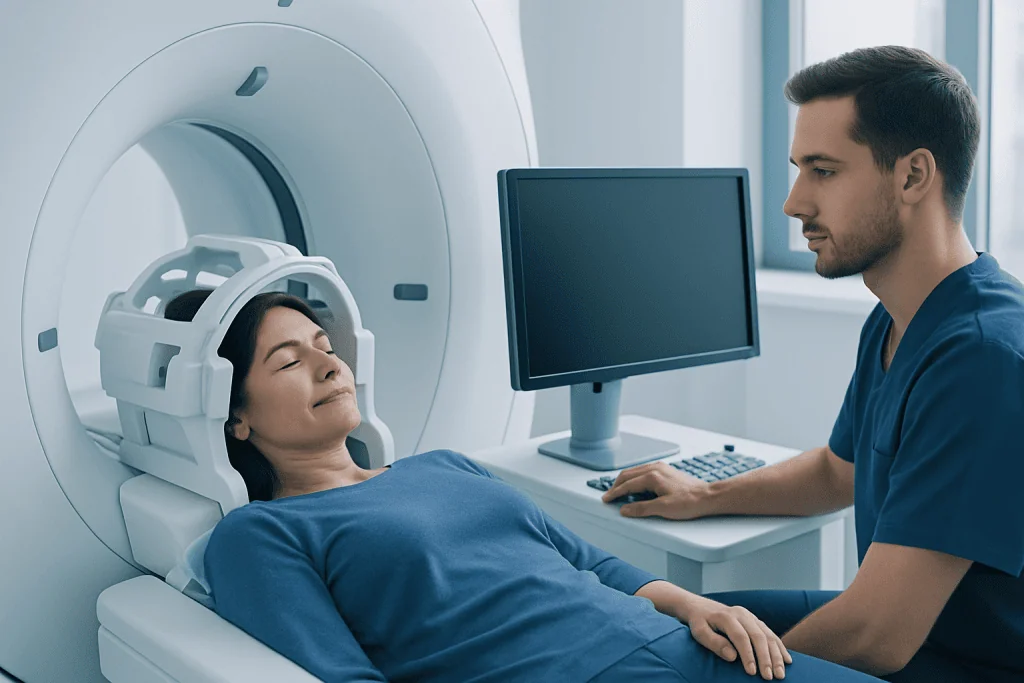
Imaging is often an important next step. A CT scan may be used urgently, especially when stroke or bleeding is suspected. MRI can provide more detailed images of brain tissue and is often useful for tumors, inflammation, and certain injuries. Depending on the case, doctors may also order blood tests, lumbar puncture, EEG, or other studies.
The diagnostic plan is individualized. The goal is not only to identify whether the cerebrum is affected, but also to determine the cause quickly enough to guide the right treatment.
Treatment Options
Treatment depends entirely on the cause. Some people need urgent care to restore blood flow in a stroke, control bleeding, or reduce brain swelling. Others may need medication for seizures, antibiotics or antivirals for infection, steroids or immunotherapy for inflammation, or surgery for selected tumors and structural problems.
Rehabilitation is often an important part of recovery after cerebrum injury or disease. Physical therapy can help with walking and strength, occupational therapy can support daily tasks, speech therapy can address language or swallowing problems, and cognitive rehabilitation may help with attention and memory.
For some patients, supportive care and long-term monitoring are also needed. A neurologist, neurosurgeon, rehabilitation specialist, and other clinicians may work together to create a plan based on the person’s symptoms, test results, and overall health.
When surgery is considered, options may include specialized procedures such as craniotomy or image-guided techniques chosen according to the problem and its location.
Prevention and Self-care
Not every cerebrum disorder can be prevented, but healthy habits can lower risk for some major conditions. Good blood pressure control, diabetes management, regular physical activity, a balanced diet, not smoking, and limited alcohol use all support brain and vascular health.
Protecting the head is also important. Wearing seat belts, using helmets when appropriate, and reducing fall risk at home can help prevent traumatic brain injury. People with epilepsy or other neurologic conditions should follow their doctor’s guidance, take prescribed medicines consistently, and avoid known seizure triggers when possible.
Self-care after a diagnosis may include getting adequate sleep, following medication plans, attending rehabilitation sessions, and keeping follow-up visits. Family support and written reminders can be useful if memory, attention, or language has been affected.
When to See a Doctor
Medical evaluation is important for any new or unexplained neurologic symptom, especially sudden weakness, facial drooping, trouble speaking, vision loss, severe confusion, or a seizure. These may indicate an urgent problem that needs prompt attention.
People should also seek care for gradually worsening memory problems, personality changes, headaches with neurologic signs, repeated falls, or new difficulties with coordination or daily activities. Even if symptoms seem mild, early assessment can improve the chance of identifying a treatable cause.
If symptoms are severe or sudden, emergency care is appropriate. For non-emergency concerns, a primary care doctor or neurologist can help decide the next steps and refer to specialists if needed. Acibadem International’s multidisciplinary specialists and JCI-accredited hospitals diagnose and treat cerebrum-related conditions for international patients.
Frequently asked questions
What does the cerebrum do?
The cerebrum handles many higher brain functions, including thinking, memory, language, sensation, and voluntary movement. It also helps people plan, make decisions, and respond to the environment. Different parts of the cerebrum contribute to different tasks.
Which part of the brain is the cerebrum?
The cerebrum is the large upper part of the brain. It is divided into left and right hemispheres and into lobes that specialize in different functions. It forms the largest portion of the brain by volume and surface area.
Can cerebrum disorders be treated?
Many can be treated, although the approach depends on the cause. Some conditions need urgent therapy, while others are managed with medication, surgery, rehabilitation, or long-term monitoring. Early diagnosis often improves treatment planning.
What symptoms suggest a problem with the cerebrum?
Common signs include weakness, numbness, speech difficulty, vision changes, confusion, memory problems, seizures, and personality changes. The exact pattern depends on which area of the brain is affected. Sudden symptoms should be evaluated quickly.
How do doctors test cerebrum function?
Doctors usually start with a neurologic exam and medical history. Imaging tests such as CT or MRI are often used, and EEG or blood tests may be helpful depending on the suspected condition. The testing is tailored to the person’s symptoms.
Is the cerebrum the same as the cerebral cortex?
No. The cerebral cortex is the outer layer of the cerebrum, where much of the brain’s complex processing occurs. The cerebrum also includes deeper structures and connections that support its functions.
References
- National Institute of Neurological Disorders and Stroke
- Mayo Clinic
- World Health Organization
- Merck Manual Professional Version
- American Stroke Association
This article is for general information only and is not a substitute for professional medical advice. Please consult a qualified doctor about your individual situation.
Explore treatments in Turkey — costs, top hospitals & a free quote
JCI-accredited · board-certified surgeons · reply within 24h
Add us as a Preferred Source to see more of our trusted health content across Google Search, AI Overviews and Discover.

More from the Health Library



Related Specialists
Dr. Buğra Alpan
Orthopedic Surgery & Traumatology
Prof. Dr. Murat Toprak
Otorhinolaryngology
Prof. Dr. Mustafa Herdem
Orthopedic Surgery & Traumatology
Fatma Yilmaz
Physical Medicine & Rehabilitation