Chalazion Surgery: When a Persistent Eyelid Bump Needs Removal

Most chalazia improve with warm compresses, but some persist for weeks to months. Chalazion surgery is a minor procedure used when a lump is large, bothersome, or not responding to conservative care.
Key Takeaways
- Most chalazia improve with warm compresses, but some persist for weeks to months.
- Chalazion surgery is a minor procedure used when a lump is large, bothersome, or not responding to conservative care.
- An eye doctor may suggest removal if the bump affects vision, causes discomfort, or recurs in the same place.
- Recovery is usually quick, with temporary swelling or bruising being more common than serious complications.
- Good eyelid hygiene and management of underlying blepharitis can help reduce the chance of recurrence.
A chalazion is a usually harmless eyelid lump caused by a blocked oil gland. When it does not improve with self-care or keeps returning, chalazion surgery may be recommended to remove the trapped material and help the eyelid heal.
Overview
A chalazion is a small lump that forms in the eyelid when one of the meibomian glands becomes blocked. These glands normally release oil that helps keep the eye surface comfortable and the tears from evaporating too quickly. When the oil cannot drain properly, it may collect and trigger inflammation, creating a firm bump in the upper or lower eyelid.
Many chalazia get better with warm compresses, gentle lid care, and time. However, some become persistent, especially if the blocked material remains trapped. In these cases, a doctor may discuss chalazion surgery, also called incision and curettage, to remove the contents of the lump and support healing.
Although the word “surgery” can sound worrying, this is usually a minor outpatient procedure. It is typically performed under local anesthetic in adults, and the goal is to improve comfort, reduce the lump, and protect eyelid function. Children or anxious patients may sometimes need a different approach depending on age and cooperation.
Symptoms and How a Chalazion Differs From a Stye
A chalazion often appears as a round, localized swelling in the eyelid. It may start with mild tenderness but commonly becomes less painful over time, leaving a firm or rubbery bump. Some people notice eyelid heaviness, irritation, or a feeling that something is on the eye, especially if the lump is larger.
If the chalazion grows, it may press on the surface of the eye and temporarily blur vision. The surrounding eyelid can look swollen or red, though the bump itself is often more inflamed than infected. Some chalazia are visible from the outside, while others are easier to see when the eyelid is turned inward.
A chalazion is often confused with a stye. A stye is usually an acute infection near an eyelash follicle or gland and tends to be more painful, red, and tender. By contrast, a chalazion is more often a blocked gland with inflammation rather than infection. A doctor can help distinguish between them, especially if symptoms overlap or the lump does not go away.
- Common chalazion features include a painless or mildly tender eyelid lump
- A larger lesion may cause pressure or blurred vision
- A stye is usually more painful and may have a visible pus point
- Persistent or recurring lumps should be examined by an eye specialist
Causes and Risk Factors

Chalazia develop when oil-producing glands in the eyelid become blocked. Thickened gland secretions, eyelid inflammation, and poor drainage can all contribute. This is why chalazia are more common in people with chronic blepharitis, meibomian gland dysfunction, or skin conditions that affect the eyelids.
Several factors can make recurrence more likely. These include rosacea, seborrheic dermatitis, previous chalazia, and frequent eyelid inflammation. Contact lens wear does not directly cause a chalazion, but eye rubbing, inadequate lid hygiene, or other sources of irritation may worsen the underlying gland blockage.
In rare cases, a lump that looks like a chalazion may actually be another eyelid condition. If a bump keeps returning in the same spot, has an unusual appearance, causes lash loss, or does not respond as expected, the doctor may recommend closer evaluation. This is one reason why persistent eyelid lumps should not simply be ignored.
When Chalazion Surgery Is Needed
Doctors usually recommend conservative treatment first. Warm compresses applied regularly can soften the trapped oil and encourage drainage. Gentle eyelid massage and lid hygiene may also help. Many chalazia improve over several weeks, so immediate surgery is not necessary in most cases.
Chalazion surgery may be considered when the bump persists despite self-care, becomes large, causes discomfort, or affects vision by pressing on the eye. It may also be advised if the lump repeatedly returns, if there is uncertainty about the diagnosis, or if the eyelid appearance is bothersome for the patient.
Sometimes a steroid injection is another option, depending on the chalazion’s size, location, and the doctor’s assessment. The choice between injection and surgery depends on individual factors, including whether the lesion is firm, long-standing, or likely to need tissue removal. If there are signs of active infection or another eye disorder, treatment will be guided accordingly.
Diagnosis and Pre-Procedure Assessment
Diagnosis usually begins with a medical history and an eye examination. The doctor will ask how long the bump has been present, whether it has changed in size, and if there are symptoms such as pain, redness, discharge, or changes in vision. The eyelid and eye surface are then examined closely, sometimes by gently everting the eyelid.
In most cases, no imaging or blood tests are needed. The appearance and location of the lump are often enough to diagnose a chalazion. The clinician will also look for signs of blepharitis or other eyelid problems that may need treatment to lower the risk of recurrence.
If surgery is planned, the doctor explains the procedure, expected recovery, and possible risks. They may advise the patient about medications that can affect bleeding, although guidance depends on the individual’s health needs and should always come from the treating physician. For people with recurrent eyelid inflammation, managing the underlying issue is an important part of the treatment plan.
How Chalazion Surgery Is Performed
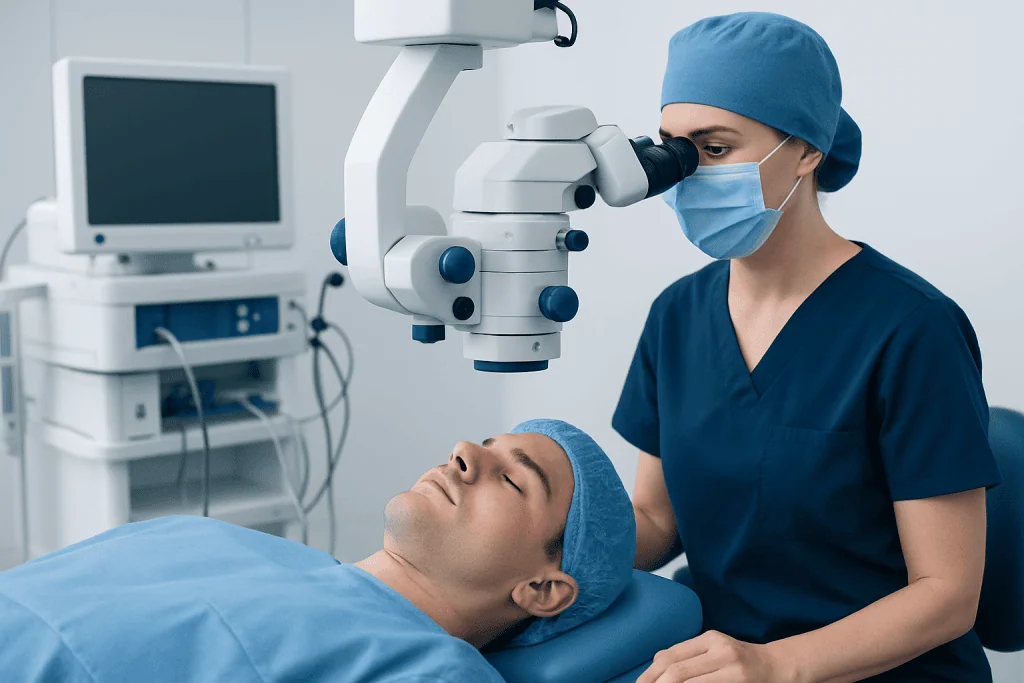
Chalazion surgery is commonly performed as a brief outpatient procedure. After the eyelid is cleaned, a local anesthetic is used to numb the area. A small clamp may be placed on the eyelid to keep it stable and reduce bleeding. In many cases, the incision is made from the inner side of the eyelid, which helps avoid a visible skin scar.
The surgeon makes a small opening and gently removes the trapped inflammatory material. This is often called incision and curettage. Once the contents are cleared, the gland space can heal more normally. Stitches are often not needed, especially when the approach is from the inner eyelid surface.
Some patients may need a slightly different technique if the chalazion is near the skin side of the eyelid or has unusual features. If there is concern about another diagnosis, a tissue sample may occasionally be sent for analysis. In centers that provide broader eye surgery and specialist eyelid care, the procedure is typically coordinated through ophthalmology services experienced in managing persistent eyelid lesions.
Recovery, Risks, and Treatment Aftercare
Recovery after chalazion surgery is usually straightforward. Mild swelling, bruising, light oozing, or tenderness can occur for a few days. Many people return to normal daily activities quickly, though the doctor may advise avoiding eye makeup, contact lenses, swimming, or heavy rubbing until the eyelid has healed.
Aftercare commonly includes keeping the area clean, using prescribed eye drops or ointment if needed, and applying warm compresses once the doctor says it is appropriate. Follow-up may be arranged to confirm that the bump is resolving and that there are no signs of recurrence or ongoing eyelid inflammation.
Complications are uncommon but can include bleeding, infection, incomplete removal, or recurrence. Temporary lid contour changes or skin discoloration may occasionally happen, particularly if steroid treatment was also used. Patients should contact their doctor promptly if they develop increasing pain, worsening redness, significant discharge, fever, or a noticeable drop in vision. If persistent eyelid inflammation is present alongside issues such as dry eye, that condition may also need treatment to support long-term comfort.
Prevention, Self-Care, and When to See a Doctor
Preventing a chalazion is not always possible, but consistent eyelid care can help reduce risk. Warm compresses and gentle lid cleansing may improve gland drainage, especially in people with blepharitis or meibomian gland dysfunction. Avoiding frequent eye rubbing and removing eye makeup carefully can also support eyelid health.
People who get repeated chalazia may benefit from an eye examination to look for chronic eyelid inflammation, rosacea, or other contributing factors. Long-term management may involve regular lid hygiene and treatment of associated conditions. This can be especially useful for adults who experience recurrent or multiple eyelid bumps over time.
A doctor should assess a lump that persists for several weeks, enlarges, keeps coming back, or affects vision. Medical review is also important if the eyelid becomes very painful, if there is marked redness spreading around the eye, or if the diagnosis is uncertain. For international patients who need specialist evaluation, Acibadem International’s multidisciplinary teams in JCI-accredited hospitals diagnose and treat eye conditions including persistent chalazia and other eyelid problems.
Frequently asked questions
Can a chalazion go away without surgery?
Yes. Many chalazia improve on their own with warm compresses and gentle eyelid care over several weeks. Surgery is usually considered only if the lump persists, grows, causes symptoms, or keeps coming back.
Is chalazion surgery painful?
The procedure is usually done with local anesthetic, so the area is numbed before treatment starts. Patients may feel pressure or minor discomfort, but significant pain during the procedure is uncommon.
How long does it take to recover after chalazion removal?
Most people recover quickly, with mild swelling or bruising improving over a few days. The eyelid may take a little longer to fully settle, especially if the chalazion was large or present for a long time.
Can a chalazion come back after surgery?
Yes, recurrence is possible, especially in people with blepharitis, rosacea, or ongoing meibomian gland dysfunction. Good eyelid hygiene and follow-up care can help reduce the chance of future episodes.
What is the difference between a chalazion and a stye?
A chalazion is usually caused by a blocked oil gland and often becomes a firm, less painful eyelid lump. A stye is more often an acute infection and tends to be red, tender, and painful.
When should a persistent eyelid bump be checked by a doctor?
A doctor should evaluate any eyelid lump that does not improve after several weeks, affects vision, becomes very painful, or repeatedly returns in the same place. Examination is also important if the bump looks unusual or the diagnosis is not clear.
References
- American Academy of Ophthalmology
- National Eye Institute
- NHS
- Mayo Clinic
- Merck Manual
This article is for general information only and is not a substitute for professional medical advice. Please consult a qualified doctor about your individual situation.
Chalazion in Turkey — costs, top hospitals & a free quote
JCI-accredited · board-certified surgeons · reply within 24h
Add us as a Preferred Source to see more of our trusted health content across Google Search, AI Overviews and Discover.

Ophthalmology
Comprehensive eye care from laser vision correction to retina, cornea and cataract surgery.
75 specialists in this unit