Chalazion vs Stye Treatment: Differences Explained

A stye is usually tender, red, and near the eyelash line, while a chalazion is often a firmer, less painful lump deeper in the eyelid. Warm compresses and gentle lid hygiene are first-line care for most uncomplicated styes and chalazia.
Key Takeaways
- A stye is usually tender, red, and near the eyelash line, while a chalazion is often a firmer, less painful lump deeper in the eyelid.
- Warm compresses and gentle lid hygiene are first-line care for most uncomplicated styes and chalazia.
- Antibiotics are not routinely needed for a chalazion and are used for styes only when a clinician suspects spreading bacterial infection or another related condition.
- A chalazion that does not resolve may be treated with a steroid injection or a minor drainage procedure by an eye specialist.
- Vision changes, severe swelling, fever, eye pain, or a recurrent lump in the same location require medical assessment.
Chalazion vs stye treatment starts with identifying whether the eyelid lump is an inflamed or infected eyelash-area gland (a stye) or a usually painless blocked oil gland (a chalazion). Both often improve with warm compresses, but persistent, recurrent, or concerning eyelid lumps should be assessed by an eye doctor.
Overview: chalazion vs stye treatment
Chalazion vs stye treatment differs mainly because the two eyelid lumps have different causes. A stye, also called a hordeolum, is usually an acute inflammation or infection of an eyelid gland and is often sore and red. A chalazion develops when an oil-producing meibomian gland becomes blocked; it commonly feels like a firm lump and may be painless after the initial inflammation settles.
For both problems, warm compresses and careful eyelid hygiene are usually the first steps. A stye may need medical treatment if infection spreads into surrounding eyelid tissue, whereas a persistent chalazion may need an office-based procedure to drain it or reduce inflammation. Squeezing, popping, or trying to lance an eyelid lump at home can injure the eyelid and increase infection risk.
Many eyelid bumps are harmless and improve over days to weeks. However, a clinician should examine a lump that persists, repeatedly returns, changes appearance, causes vision symptoms, or is associated with significant pain or swelling.
How do I know if it's a stye or chalazion?
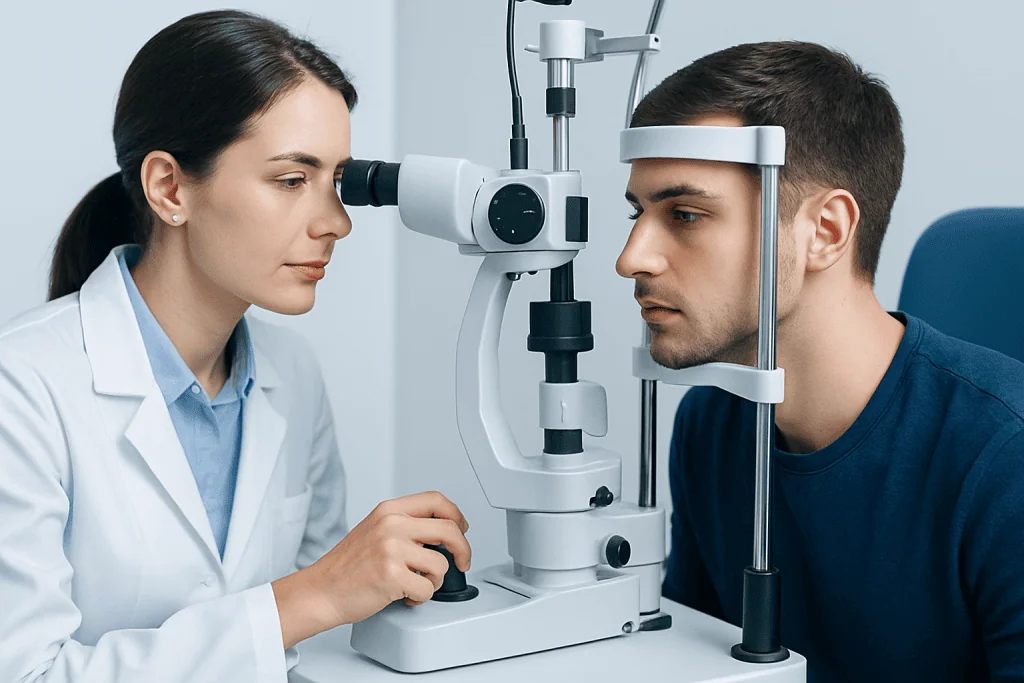
A stye usually appears relatively quickly as a painful, red, tender bump. An external stye often forms at the eyelid edge near an eyelash and may develop a small yellow or white point. An internal stye develops in a deeper oil gland, so it may look like a tender swelling within the eyelid rather than a visible spot at the lash line.
A chalazion is more often a rounded, firm nodule located farther from the eyelash line. It may start with mild redness or tenderness, but it commonly becomes less painful as it evolves. Depending on its size and position, a chalazion can press on the surface of the eye and cause temporary blur or a sensation of pressure.
There can be overlap. A clinician may use the term hordeolum for a stye and distinguish it from a chalazion by examining the eyelid, lash follicles, gland openings, and the location of the swelling. This practical chalazion vs stye diagnosis is usually based on symptoms and examination; imaging or laboratory testing is rarely necessary.
How to tell the difference between chalazion and hordeolum?

“Hordeolum” is the medical term for a stye. It is generally caused by blockage and infection or acute inflammation involving an eyelash follicle or eyelid gland. It tends to be painful, warm, red, and short-lived, although an internal hordeolum can be harder to see and can cause more diffuse eyelid swelling.
A chalazion is a localized inflammatory reaction to retained oily material from a blocked meibomian gland. It is not usually an active bacterial infection. The difference between chalazion and hordeolum is therefore not only location and tenderness, but also the underlying process: acute infection or inflammation in a stye versus a blocked oil gland with longer-lasting inflammation in a chalazion.
It is not always possible to make the distinction from a photograph or a downloadable “chalazion vs stye PDF” guide. A face-to-face eye examination is more reliable, especially if symptoms are severe, the diagnosis is unclear, or the lump has not improved as expected.
What is mistaken for a chalazion?
Several conditions can resemble a chalazion. These include an internal stye, a cyst, a benign skin growth, allergic eyelid swelling, blepharitis-related gland blockage, or inflammation associated with rosacea. A firm eyelid lump may also be confused with lesions arising from the eyelid skin or lash follicles.
Rarely, a persistent or recurrent lump that appears to be a chalazion can represent an eyelid tumor, including sebaceous gland carcinoma. This possibility is uncommon, but it is one reason eye doctors recommend assessment for a lesion that returns in the same spot, does not respond to appropriate care, causes loss of eyelashes, bleeds, ulcerates, or has an unusual appearance.
An ophthalmologist can inspect the lid margin, turn the eyelid over if needed, and assess the eye surface and vision. If a lesion is unusual or repeatedly recurs, the doctor may recommend biopsy to establish the diagnosis rather than continuing treatment for a presumed chalazion.
Is it normal for a stye to turn into a chalazion?
Yes. A stye can develop into a chalazion when the acute tenderness and redness improve but a blocked gland remains. The remaining oil and inflammatory material can form a firmer, relatively painless lump that lasts longer than the original stye.
This change does not necessarily mean the condition is becoming dangerous. Continued warm compresses may help the gland drain naturally, but the lump can take several weeks to settle. Contact lens wear and eye makeup should generally be avoided during an active, draining, or significantly inflamed eyelid condition, unless a clinician advises otherwise.
Repeated styes or chalazia may be associated with chronic blepharitis, meibomian gland dysfunction, rosacea, or skin conditions that affect oil glands. Identifying and managing these contributing factors can reduce future episodes.
Treatment options: warm care, medicine, and procedures
For most uncomplicated eyelid lumps, the first treatment is a warm, clean compress placed over the closed eyelid for about 10 to 15 minutes several times daily. Warmth softens thickened gland oils and supports natural drainage. Afterward, gentle massage toward the eyelid margin may be suggested, but it should be light and should stop if it causes pain. Keeping the eyelids clean and avoiding rubbing can also help.
Chalazion vs stye medicine is not identical. A chalazion generally does not improve with oral antibiotics because it is usually not an active infection. For a stye, an eye doctor may prescribe topical or oral antibiotics when there is significant bacterial infection, associated blepharitis, or concern that infection is spreading. Antibiotic drops or ointments should not be used without medical guidance, and steroid-containing eye medicines require particular supervision.
If a chalazion remains despite conservative care, an ophthalmologist may discuss a steroid injection or incision and curettage. In this minor procedure, local anesthetic is used, the eyelid is typically turned outward, and the trapped material is removed through a small incision on the inner lid. A persistent internal stye may occasionally require drainage as well.
Suitable candidates for a procedure include people with a large, bothersome, vision-affecting, persistent, or repeatedly recurring lesion. Benefits may include faster resolution and confirmation of the diagnosis when tissue is sent for testing. Possible risks include bruising, swelling, temporary discomfort, scarring, recurrence, infection, skin color changes after steroid injection, and rarely damage to nearby eyelid structures.
Recovery, prevention, and self-care
After a stye begins draining or a chalazion starts shrinking, residual redness and swelling usually improve gradually. Following a drainage procedure, mild soreness, bruising, or swelling can occur for several days. The eye specialist may recommend warm compresses, prescribed ointment, and a short period without contact lenses or eye makeup; recovery instructions should be followed closely.
Regular eyelid hygiene may help people who experience repeated problems. This can include warm compresses, gentle cleansing of the eyelid margins with products recommended by an eye care professional, removing eye makeup completely, replacing old eye makeup, and avoiding sharing cosmetics. Managing rosacea, dandruff-like eyelid inflammation, and contact lens hygiene can also be important.
A nutritious diet, adequate sleep, and hand hygiene support general wellbeing, but they do not replace targeted eyelid care. People should not attempt to burst a stye or chalazion with fingers, needles, or other tools. Doing so can worsen inflammation, introduce infection, and delay proper diagnosis.
When to seek medical care
Prompt medical assessment is important if eyelid redness or swelling spreads rapidly, the eye itself becomes very painful, vision changes, fever develops, or there is difficulty opening the eye. These symptoms can indicate a more significant infection or another eye condition that needs timely treatment.
An eye doctor should also assess a lump that lasts longer than several weeks, repeatedly returns, grows, causes eyelash loss, bleeds, or has an irregular appearance. Infants, young children, people with weakened immune systems, and those with diabetes may benefit from earlier clinical advice when eyelid symptoms develop.
Acibadem International’s multidisciplinary specialists and JCI-accredited hospitals can assess persistent eyelid lumps and provide ophthalmology care for international patients. A qualified clinician can confirm whether the lump is a stye, chalazion, or another condition and discuss the most appropriate next step.
Frequently asked questions
Can a chalazion go away on its own?
Yes. Many chalazia gradually improve with regular warm compresses and eyelid hygiene. Resolution may take several weeks, and larger lumps can take longer. An eye doctor should assess a lump that persists, recurs, or affects vision.
Should a stye be treated with antibiotics?
Not always. Many styes improve with warm compresses and do not require antibiotics. A clinician may recommend antibiotic treatment when there are signs of significant bacterial infection, eyelid cellulitis, or an associated condition such as blepharitis.
Can I wear contact lenses with a stye or chalazion?
It is usually best to avoid contact lenses while the eyelid is inflamed, painful, or draining. This helps reduce irritation and lowers the chance of contaminating the lenses. Contact lens use can usually resume when symptoms have resolved and a clinician agrees if needed.
Why does my chalazion keep coming back?
Recurrent chalazia can occur when meibomian glands remain blocked or when there is ongoing blepharitis, rosacea, or eyelid oil-gland dysfunction. Regular lid hygiene may reduce recurrence. A recurrent lump in exactly the same location should be examined by an ophthalmologist.
Does a chalazion drainage procedure hurt?
The procedure is typically performed with local anesthetic, so pain during the drainage is minimized. Some pressure or pulling may be felt, followed by temporary tenderness or swelling afterward. The eye specialist will explain what to expect and provide aftercare guidance.
Can makeup cause styes or chalazia?
Makeup does not directly cause every eyelid lump, but old, contaminated, or poorly removed eye makeup may irritate eyelid margins and contribute to blocked glands. Avoiding eye makeup during active inflammation and replacing products regularly can support eyelid hygiene. Makeup should never be shared.
References
- American Academy of Ophthalmology
- Mayo Clinic
- Merck Manual Consumer Version
- National Health Service
- American Optometric Association
This article is for general information only and is not a substitute for professional medical advice. Please consult a qualified doctor about your individual situation.
Chalazion in Turkey — costs, top hospitals & a free quote
JCI-accredited · board-certified surgeons · reply within 24h
Add us as a Preferred Source to see more of our trusted health content across Google Search, AI Overviews and Discover.

Ophthalmology
Comprehensive eye care from laser vision correction to retina, cornea and cataract surgery.
74 specialists in this unitMore from the Health Library



Related Specialists

Prof. Dr. Yusuf Kenan Yalçınbaş
Cardiovascular Surgery
Dr. Soysal Turhan
Cardiovascular Surgery
Dyt. Zeynep Ondur
Nutrition & Diet
Dr. Süreyya Menteş
Gynecology & Obstetrics