Chance of Colon Cancer after Negative Colonoscopy: Preparation, Procedure and Results

A negative, high-quality colonoscopy generally provides strong protection against colorectal cancer for many years. The quality of bowel preparation, completeness of the examination and personal risk factors affect follow-up recommendations.
Key Takeaways
- A negative, high-quality colonoscopy generally provides strong protection against colorectal cancer for many years.
- The quality of bowel preparation, completeness of the examination and personal risk factors affect follow-up recommendations.
- New symptoms such as rectal bleeding, persistent bowel changes or unexplained weight loss should be assessed even after a recent colonoscopy.
- Colonoscopy preparation commonly causes temporary diarrhea and may leave small flecks in stool while the bowel is clearing.
- Serious complications from bowel preparation or colonoscopy are uncommon but require prompt medical attention when they occur.
The chance of colon cancer after a negative colonoscopy is low because a high-quality examination can detect and remove many precancerous polyps. Risk is not zero, however, as rare cancers may develop later or small lesions may be missed when bowel preparation or visibility is limited.
Overview: What a Negative Colonoscopy Means
The chance of colon cancer after a negative colonoscopy is low when the procedure was complete, the bowel was well prepared and the lining of the colon was clearly seen. A negative result means that no cancer and no clinically important polyps were identified during that examination. For people at average risk, this often allows a longer interval before the next screening test.
Colonoscopy is both a screening and preventive procedure. It enables a gastroenterologist to inspect the rectum and entire colon with a flexible camera, take tissue samples when needed and remove many polyps before they can become cancerous. A negative result is reassuring, but it does not mean that future symptoms should be ignored.
The recommended timing of future testing depends on the quality of the examination, the reason it was performed and the person’s medical and family history. A doctor may advise earlier follow-up for people with a strong family history of colorectal cancer, inflammatory bowel disease, inherited cancer syndromes, previous polyps or an inadequate bowel preparation.
How Quickly Can Colon Cancer Develop After a Negative Colonoscopy?
Most colorectal cancers develop gradually, often over years, through a sequence in which certain polyps become cancerous. This slow progression is one reason a high-quality negative colonoscopy can offer long-lasting reassurance. For many average-risk adults, repeat screening may not be needed for up to 10 years, although individual recommendations can differ.
Rarely, colorectal cancer can be diagnosed between scheduled colonoscopies. These are sometimes called interval cancers. They may arise from lesions that were difficult to see, such as flat or serrated polyps, from rapidly changing abnormalities, or from an examination where bowel cleansing or visibility was not optimal. Cancers can also develop after the test as new changes occur over time.
A colonoscopy report can help explain how reliable the result is. Useful details include whether the scope reached the beginning of the colon, whether the bowel preparation was adequate and whether any tissue was removed. If preparation was poor, a doctor may recommend repeating the examination sooner because small polyps can be hidden by residual stool.
People should contact their clinician rather than wait for their routine screening date if concerning symptoms develop. This is particularly important for those with a personal history of polyps, colorectal cancer or inflammatory bowel disease, or a close relative diagnosed with colorectal cancer at a young age.
Preparation and Procedure: How Colonoscopy Works
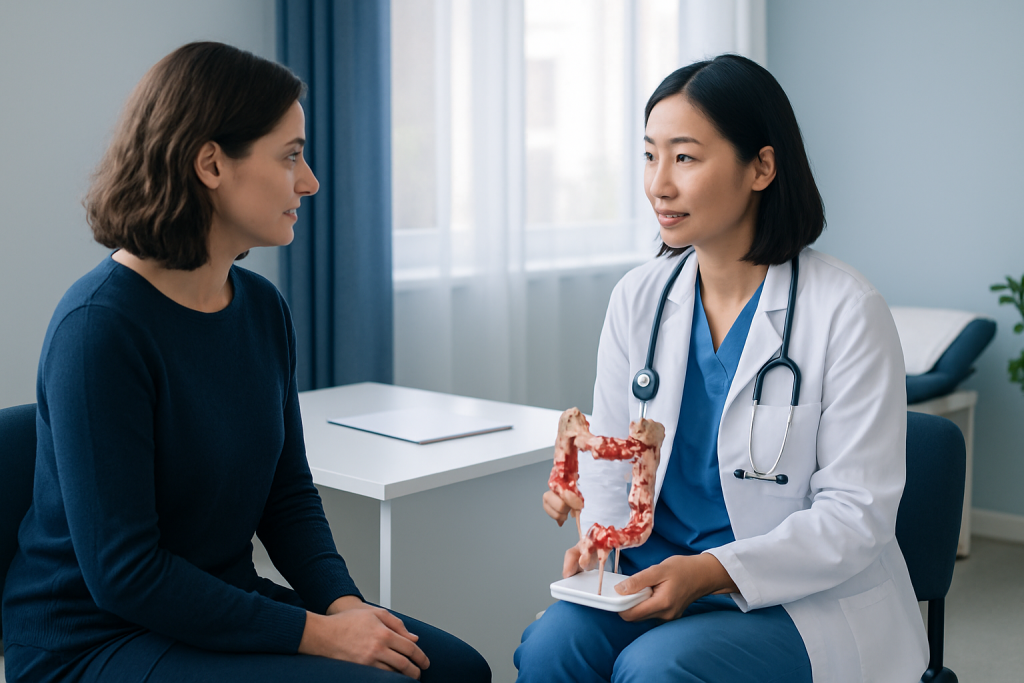
Before colonoscopy, the bowel must be emptied so that the colon lining can be inspected accurately. Patients usually follow a temporary low-residue or clear-liquid diet and take a prescribed laxative preparation according to detailed instructions. The exact plan varies according to health conditions, medicines and the time of the procedure.
Colonoscopy may be appropriate for routine screening, assessment of symptoms such as bleeding or unexplained anemia, follow-up after polyps, or monitoring certain bowel conditions. A clinician reviews medical history, allergies, kidney or heart disease, diabetes, pregnancy status and medicines beforehand. Blood thinners, diabetes medicines and iron supplements may need special instructions; they should never be changed without advice from the prescribing clinician.
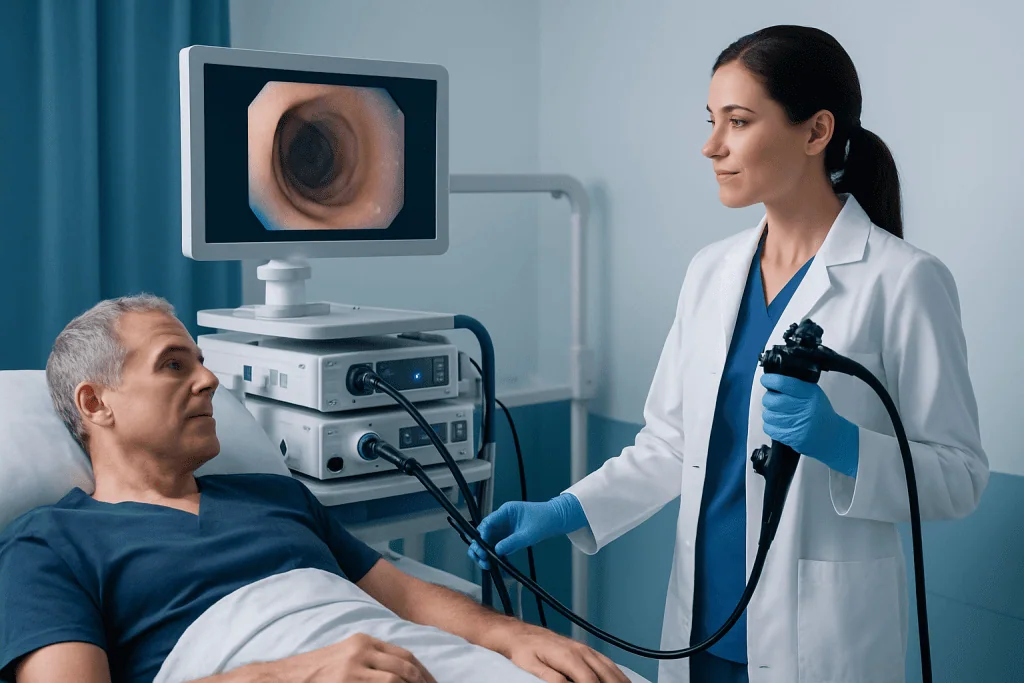
During the procedure, sedation is commonly used to support comfort. The doctor gently passes a thin, flexible colonoscope through the rectum and along the colon while using air or carbon dioxide to improve visibility. If a polyp is found, it can often be removed during the same procedure. Biopsies may also be taken; this does not necessarily mean cancer is suspected.
A specialized evaluation may be recommended when symptoms, abnormal tests or increased risk are present. Colonoscopy evaluation can help identify polyps, inflammation, bleeding sources and other changes affecting the large bowel.
Is It Normal to Have Flecks in My Stool After Preparing for a Colonoscopy?
Small flecks or particles in bowel movements can be common while taking colonoscopy preparation, particularly earlier in the cleansing process. They may represent food residue, mucus or small amounts of stool that are still passing through the bowel. As the preparation takes effect, stools usually become increasingly watery and lighter in color.
The goal is generally a clear or yellowish liquid output without solid material by the time specified in the preparation instructions. If bowel movements remain brown, thick, cloudy or contain substantial solid particles close to the procedure time, the endoscopy team should be contacted. They can advise whether to continue the preparation, make adjustments or reschedule if necessary.
Following the preparation instructions closely is important for accuracy. Incomplete cleansing can obscure small polyps and may shorten the interval before another colonoscopy is needed. Patients should also tell the care team about vomiting, difficulty keeping fluids down, severe constipation or uncertainty about which liquids and medicines are allowed.
Benefits, Recovery and Potential Risks
The main benefit of colonoscopy is that it can prevent colorectal cancer by finding and removing precancerous polyps. It can also help investigate symptoms and clarify the cause of abnormal screening results. When no concerning findings are seen during a high-quality examination, the result can provide meaningful reassurance and guide a personalized screening plan.
After sedation, most people rest in a recovery area until they are alert enough to go home with a responsible adult. Bloating, mild cramps and passing gas are common for several hours because air or carbon dioxide is used during the examination. Normal eating can often resume as advised by the clinical team, while driving, alcohol and important decisions should be avoided for the rest of the day after sedation.
Complications are uncommon but can include bleeding, especially after polyp removal, a reaction to sedative medicines, infection and a tear in the colon wall. The risk varies with the procedure, the size and location of any removed polyps, and individual health factors. Persistent or worsening abdominal pain, fever, heavy rectal bleeding, fainting or repeated vomiting needs urgent medical assessment.
Preparation itself can cause dehydration and changes in body salts, particularly in older adults and people with kidney, heart or liver disease. The prescribed preparation should be used exactly as directed, with appropriate clear fluids unless a clinician has advised fluid restriction.
What Are the Potential Serious Side Effects of Colonoscopy Prep?
Most people experience expected short-term effects from colonoscopy preparation, including frequent watery diarrhea, nausea, bloating, abdominal cramping and temporary fatigue. These effects help clear the bowel and usually improve once the preparation is complete. However, serious side effects, while uncommon, require timely clinical advice.
Potential serious problems include severe dehydration, electrolyte disturbances, fainting, confusion, persistent vomiting, severe weakness, an allergic reaction or worsening of underlying kidney or heart disease. The risk may be higher for people who are older, have significant medical conditions, take diuretics or certain blood pressure medicines, or cannot drink enough of the recommended clear fluids.
Patients should seek urgent medical care for chest pain, trouble breathing, swelling of the face or throat, loss of consciousness, severe or persistent abdominal pain, or inability to keep fluids down. They should contact the endoscopy team promptly if they have dizziness that does not settle, markedly reduced urination or symptoms that make it difficult to finish the preparation safely.
Clinicians can select an appropriate preparation regimen and offer individualized instructions for people with kidney disease, diabetes, heart failure or other complex health needs. This helps balance safe bowel cleansing with the person’s overall medical condition.
What Are the Early Signs and Symptoms of Colon Cancer?
Early colorectal cancer may cause no symptoms, which is why screening remains important even for people who feel well. When symptoms occur, they can overlap with many noncancerous conditions, such as hemorrhoids, infections or irritable bowel syndrome. Symptoms should be evaluated rather than assumed to have a single cause.
Possible signs include blood in or on the stool, dark or black stools, a persistent change in bowel habits, ongoing diarrhea or constipation, stools that become narrower than usual, abdominal discomfort, unexplained tiredness and unintended weight loss. Iron-deficiency anemia, sometimes found on a blood test, can also be a reason for further assessment.
These symptoms do not confirm colon cancer, and a negative colonoscopy lowers the likelihood that they are caused by a missed cancer. Nonetheless, symptoms that are new, persistent, worsening or accompanied by bleeding should be discussed with a doctor. Related conditions may need assessment as well, including colon polyps, which can often be removed before cancer develops.
People with a family history of colorectal cancer or certain inherited conditions may need screening earlier or more often than average-risk adults. A clinician can review family history and determine whether genetic counseling or a modified surveillance plan is appropriate.
When to Seek Medical Care
Medical advice should be sought for new rectal bleeding, blood mixed with stool, persistent changes in bowel habit, ongoing abdominal pain, unexplained anemia, fatigue or unintentional weight loss. These symptoms can have many possible causes, but they should be assessed even if a previous colonoscopy was normal or recent.
After colonoscopy, urgent care is appropriate for severe or worsening pain, a rigid or swollen abdomen, fever, heavy bleeding, black stools, fainting, chest pain or breathing difficulty. Mild gas discomfort and a small amount of blood after biopsy or polyp removal may occur, but the endoscopy team should advise what is expected for the individual procedure.
Maintaining future screening appointments, sharing an accurate family history and following bowel-preparation instructions are practical ways to support prevention and early detection. Acibadem International’s multidisciplinary specialists and JCI-accredited hospitals diagnose and treat digestive and colorectal conditions for international patients.
Frequently asked questions
Does a negative colonoscopy completely rule out colon cancer?
A negative colonoscopy greatly lowers the likelihood of colorectal cancer at the time of a high-quality examination, but it cannot reduce the possibility to zero. Small, flat or hidden lesions can occasionally be missed, and new abnormalities can develop later. New or persistent symptoms should still be discussed with a clinician.
When should colonoscopy be repeated after a normal result?
For many adults at average risk with a complete, well-prepared normal colonoscopy, the next screening colonoscopy may be recommended in 10 years. Earlier follow-up may be advised if bowel preparation was inadequate, polyps were found previously, symptoms develop or personal and family risk is higher. The procedure report and a clinician’s advice should guide the interval.
Can poor bowel preparation affect a negative colonoscopy result?
Yes. Stool or cloudy liquid can hide small polyps and make the examination less reliable. If preparation is inadequate, the doctor may recommend repeating the test sooner. Patients should tell the endoscopy unit if their bowel movements have not become sufficiently clear before the procedure.
Is bleeding after colonoscopy normal?
A very small amount of bleeding may occur after a biopsy or polyp removal, depending on the procedure. Heavy bleeding, bleeding that continues or increases, black stools, dizziness or weakness should be assessed urgently. Patients should follow the specific discharge instructions provided by their care team.
Can colonoscopy preparation cause dehydration?
Yes, frequent diarrhea can lead to dehydration, especially if a person cannot drink enough approved clear fluids. Dizziness, fainting, very low urine output, confusion or ongoing vomiting should be reported promptly. People with kidney, heart or liver disease may need individualized preparation instructions.
Should symptoms be investigated after a normal colonoscopy?
Yes. Rectal bleeding, unexplained weight loss, persistent bowel changes, ongoing abdominal pain and iron-deficiency anemia can require assessment even after a normal colonoscopy. A clinician can determine whether the symptoms need blood tests, imaging, repeat endoscopy or evaluation for another condition.
References
- American Cancer Society
- U.S. Multi-Society Task Force on Colorectal Cancer
- National Cancer Institute
- American Society for Gastrointestinal Endoscopy
- World Gastroenterology Organisation
This article is for general information only and is not a substitute for professional medical advice. Please consult a qualified doctor about your individual situation.
Colon Cancer in Turkey — costs, top hospitals & a free quote
JCI-accredited · board-certified surgeons · reply within 24h
Add us as a Preferred Source to see more of our trusted health content across Google Search, AI Overviews and Discover.

Medical Oncology Department
Medical treatment of cancer with chemotherapy, immunotherapy and targeted therapies under a multidisciplinary tumor board.
60 specialists in this unitMore from the Health Library



Related Specialists

Dr. Mehmet Kuşku
Pediatrics
Dr. İlke Karagöz
Aesthetic Plastic & Reconstructive Surgery
Dt. Elif Ceren Güzelel
Oral & Dental Health
Dr. Abdulkadir Kırkgöz
Pediatrics