Charles Bonnet Syndrome: Diagnosis, Outlook, and Modern Treatment Approaches

Charles Bonnet syndrome most often affects people with partial vision loss from eye disease or aging. The hallucinations are visual only and are commonly recognized by the person as unreal.
Key Takeaways
- Charles Bonnet syndrome most often affects people with partial vision loss from eye disease or aging.
- The hallucinations are visual only and are commonly recognized by the person as unreal.
- Diagnosis involves ruling out other causes such as delirium, medication effects, neurological disease, or eye-related conditions.
- Treatment focuses on managing the underlying vision problem when possible, education, reassurance, and symptom-coping strategies.
- New or sudden hallucinations, confusion, or neurological symptoms should be assessed by a doctor promptly.
Charles Bonnet syndrome is a condition in which a person with reduced vision sees images that are not actually present, while usually understanding that they are hallucinations. It is not a psychiatric disorder, and care focuses on confirming the cause, checking eye and brain health, and helping symptoms become less distressing.
Overview: what Charles Bonnet syndrome is
Charles Bonnet syndrome is a condition in which people with decreased vision experience visual hallucinations, such as patterns, faces, animals, people, or detailed scenes. A key feature is that the person is usually aware that what they are seeing is not real. This helps distinguish the syndrome from many psychiatric illnesses, although medical evaluation is still important.
The condition is most often linked to reduced visual input to the brain. When vision becomes limited, the visual system may create images on its own, somewhat like the brain “filling in” missing information. These hallucinations can be brief or recurring, simple or complex, and may happen more often in dim light, quiet settings, or when a person is tired.
Charles Bonnet syndrome can be unsettling, especially at first, but it is not a sign of “losing touch with reality” on its own. Many people do not mention the symptoms because they worry others will misunderstand them. Clear explanation and proper diagnosis often bring significant relief, even before any specific treatment is started.
How symptoms appear and what people may experience
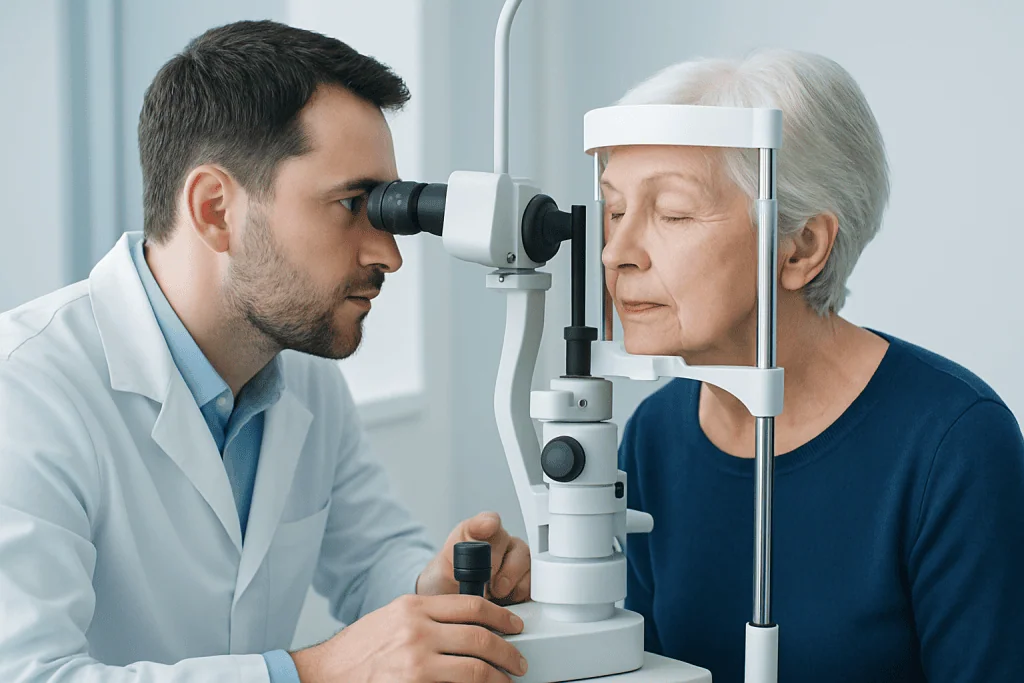
The main symptom is seeing images that are not actually there. Some people notice simple shapes, flashes, grids, or colors. Others see highly formed images such as unfamiliar faces, children, animals, buildings, or entire scenes. The images may be still or moving, and they can last from seconds to much longer periods.
These hallucinations do not usually involve sound, smell, or touch. Most people with Charles Bonnet syndrome remain fully aware of their surroundings and understand that the images are unreal, especially after learning about the condition. The experience may be neutral, interesting, or distressing depending on how often it occurs and what the images look like.
Symptoms often fluctuate. They may become more noticeable with fatigue, low light, social isolation, stress, or long periods of visual inactivity. In some people, the episodes lessen over time, while in others they continue intermittently. Because the symptom pattern can overlap with other conditions, a careful medical assessment is needed rather than self-diagnosis.
- Simple visual hallucinations: lines, dots, shapes, flashes, or patterns
- Complex visual hallucinations: people, faces, animals, objects, or landscapes
- Preserved insight: the person often knows the images are not real
- No typical loss of consciousness or severe confusion from the syndrome itself
Why it happens: causes and risk factors

Charles Bonnet syndrome is strongly associated with vision loss. It can occur in people with age-related macular degeneration, glaucoma, diabetic eye disease, cataracts, retinal problems, or other disorders that reduce visual input. The exact mechanism is not fully understood, but experts believe the visual centers of the brain become more likely to produce internally generated images when normal signals from the eyes are reduced.
Risk tends to be higher in older adults because visual impairment becomes more common with age, but the syndrome is not limited to older people. Anyone with significant loss of vision may be affected. It may also be more likely when both eyes are involved, when vision loss is more severe, or when the person spends more time alone or in low-stimulation environments.
It is important to understand what Charles Bonnet syndrome is not. It is not usually caused by a primary mental health disorder, and it is not the same as confusion from infection, medication side effects, substance use, or metabolic illness. It is also different from other conditions that can affect vision and the brain, such as glaucoma or macular degeneration, which may contribute to the vision loss that triggers symptoms.
How doctors diagnose Charles Bonnet syndrome
Diagnosis starts with a detailed history. A doctor will ask what the person sees, how often episodes happen, whether insight is preserved, and whether there are associated symptoms such as memory problems, confusion, hearing voices, fainting, weakness, headache, or recent medication changes. This discussion is essential because there is no single laboratory test that confirms Charles Bonnet syndrome.
An eye examination is usually part of the evaluation to identify the degree and cause of vision loss. Depending on the situation, a person may need retinal imaging, visual field testing, or specialist review. If eye disease is found, addressing it may improve symptoms or at least reduce one important trigger.
Doctors may also consider neurological or psychiatric causes when the symptom pattern is atypical. For example, urgent assessment is important if hallucinations begin suddenly, occur together with confusion, altered behavior, fever, severe headache, or new neurological deficits. In selected cases, brain imaging or consultation in neurology care may help rule out other explanations such as seizures, stroke, dementia, or other disorders affecting the brain.
The diagnosis is usually made when visual hallucinations occur in a person with impaired vision, insight is largely preserved, and other medical causes have been carefully excluded. This step matters because a correct diagnosis can reduce fear and guide practical treatment.
Modern treatment approaches and symptom management
Treatment begins with education and reassurance. Many patients feel much better once they understand that Charles Bonnet syndrome is a recognized medical condition linked to vision loss rather than a sign of psychiatric illness. Doctors may explain that the images are a brain response to reduced visual input, which can make the experience easier to cope with.
Managing the underlying eye condition is an important part of care whenever possible. This may include assessment by an ophthalmologist, updated glasses, better lighting, low-vision support, or treatment of the cause of sight loss. In suitable patients, options such as cataract surgery or ongoing retina treatment may improve visual function and reduce hallucination frequency, although results vary from person to person.
Simple behavioral techniques can also help interrupt an episode. Some people benefit from blinking several times, moving the eyes from side to side, changing the room lighting, standing up, focusing on a real object, or turning on background activity such as conversation or music. Better sleep, stress reduction, and social engagement may also decrease triggers.
There is no single medication approved specifically for Charles Bonnet syndrome. In more severe or persistent cases, a doctor may consider treatment on an individual basis after reviewing risks, benefits, and alternative explanations for symptoms. For people with complex visual symptoms and significant vision impairment, combined care through ophthalmology evaluation and other specialists can be helpful. Near the end of the care journey, some international patients also seek assessment at centers such as Acibadem International, where multidisciplinary specialists in JCI-accredited hospitals evaluate vision and neurological causes together.
Daily coping, prevention, and living with the condition
There is no guaranteed way to prevent Charles Bonnet syndrome, but reducing preventable vision loss can lower risk. Regular eye checks, good diabetes management when relevant, protecting the eyes, and following treatment plans for chronic eye disease all support visual health. Early attention to changes in vision may help identify conditions before sight loss becomes more advanced.
For people already experiencing symptoms, practical routines often make a real difference. Keeping rooms well lit, staying mentally and socially engaged, and avoiding long periods of sensory deprivation may reduce episodes. Some people find it useful to keep a symptom diary to note patterns related to time of day, fatigue, or specific environments.
Emotional support is also important. Even when a person knows the images are not real, repeated hallucinations can feel isolating or embarrassing. Family members and caregivers can help by responding calmly, avoiding judgment, and encouraging open discussion with a healthcare professional. Supportive communication often reduces distress more than trying to “argue away” what the person has seen.
When to seek medical care
Any new visual hallucinations deserve medical attention, especially if the person has not previously been diagnosed with Charles Bonnet syndrome. Prompt evaluation is particularly important when symptoms appear suddenly, become much more frequent, or happen along with confusion, drowsiness, fever, recent falls, severe headache, weakness, speech changes, or memory decline.
Medical review is also recommended if the person is unsure whether the images are real, hears voices as well as seeing images, or has major anxiety or sleep disruption because of the episodes. These features may point to another condition that needs a different kind of treatment. If there are signs of a stroke or other emergency neurological problem, urgent care should be sought immediately.
Even when the syndrome is already known, follow-up matters if vision worsens or daily life becomes more difficult. Ongoing review can identify treatable eye disease, update coping strategies, and ensure that no new neurological or medication-related factor has appeared.
Frequently asked questions
Is Charles Bonnet syndrome a mental illness?
No, Charles Bonnet syndrome is not usually considered a mental illness. It is most often linked to reduced vision, and people commonly understand that the images they see are not real. A doctor should still assess new hallucinations to rule out other causes.
What do people with Charles Bonnet syndrome usually see?
People may see simple patterns, flashes, or shapes, or more detailed images such as faces, animals, or scenes. The hallucinations are visual and are not typically accompanied by sound. They may last briefly or recur over time.
Does Charles Bonnet syndrome mean dementia?
Not by itself. Many people with Charles Bonnet syndrome have normal thinking and memory and retain insight into the hallucinations. However, because visual hallucinations can also occur in other conditions, doctors may evaluate memory, behavior, and neurological symptoms when needed.
Can Charles Bonnet syndrome go away?
In some people, symptoms lessen or become less frequent over time. In others, they continue intermittently, especially if vision loss remains significant. Treating the underlying eye problem when possible and using coping strategies may help reduce episodes.
How is Charles Bonnet syndrome treated?
Treatment focuses on confirming the diagnosis, addressing vision loss when possible, and helping the person manage symptoms. Education, reassurance, better lighting, eye movement techniques, and low-vision support are commonly used. Medication is not routine but may be considered in selected cases by a doctor.
When should hallucinations be treated as urgent?
Urgent medical care is important if hallucinations start suddenly or occur with confusion, weakness, speech trouble, severe headache, fever, or reduced awareness. These signs may suggest a different and potentially serious cause. Emergency assessment is also needed if stroke symptoms are present.
References
- National Eye Institute
- American Academy of Ophthalmology
- National Institute on Aging
- Mayo Clinic
- NHS
This article is for general information only and is not a substitute for professional medical advice. Please consult a qualified doctor about your individual situation.
Explore treatments in Turkey — costs, top hospitals & a free quote
JCI-accredited · board-certified surgeons · reply within 24h
Add us as a Preferred Source to see more of our trusted health content across Google Search, AI Overviews and Discover.

More from the Health Library



Related Specialists
Prof. Dr. Selçuk Palaoğlu
Neurosurgery
Prof. Dr. Osman Bilgin Timuralp
Cardiology
Embriyolog Burcu Aksu Türan
Vitro Fertilization and Reproductive Medicine Center
Prof. Dr. Umut Akgün
Orthopedic Surgery & Traumatology