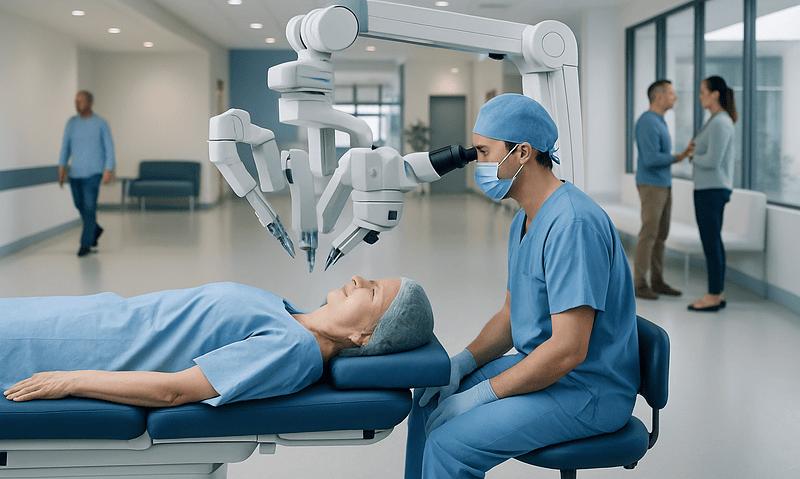
Charles Bonnet Treatment: How It Works, Results and What to Expect

Charles Bonnet syndrome causes visual hallucinations in people with reduced vision who otherwise have clear awareness and insight. Treatment is individualized and commonly focuses on vision care, reassurance, low-vision support, and coping techniques.
Key Takeaways
- Charles Bonnet syndrome causes visual hallucinations in people with reduced vision who otherwise have clear awareness and insight.
- Treatment is individualized and commonly focuses on vision care, reassurance, low-vision support, and coping techniques.
- There is no single procedure or medicine that reliably stops Charles Bonnet syndrome for everyone.
- New, sudden, frightening, or changing hallucinations should be assessed promptly to rule out other causes.
- Many people find that symptoms become less frequent or less bothersome over time.
Charles Bonnet treatment usually begins with confirming that visual hallucinations are related to vision loss rather than another medical condition. Most people benefit from education, reassurance, treatment of any reversible eye problem, and practical strategies that make episodes less frequent or less troubling.
Overview: How Charles Bonnet Treatment Works
Charles Bonnet treatment is not usually a single procedure. It is a care plan that explains why the hallucinations happen, checks for treatable causes of reduced vision, and offers practical ways to manage episodes. Charles Bonnet syndrome (CBS) occurs when the brain receives less visual information because of eye disease or vision loss and produces images such as patterns, people, animals, or scenes.
The most important first step is a careful assessment. A clinician needs to distinguish CBS from hallucinations caused by medicines, infection, delirium, dementia, seizures, migraine, or psychiatric illness. People with CBS commonly recognize that what they see is not real, even though the images can look vivid and detailed.
Once CBS is confirmed, reassurance is therapeutic. Understanding that the experience is linked to visual loss and is not, by itself, a sign of mental illness can reduce fear and embarrassment. Care may involve an ophthalmologist, optometrist, primary care clinician, neurologist, geriatrician, and low-vision rehabilitation professional.
Who May Benefit From Treatment and Assessment
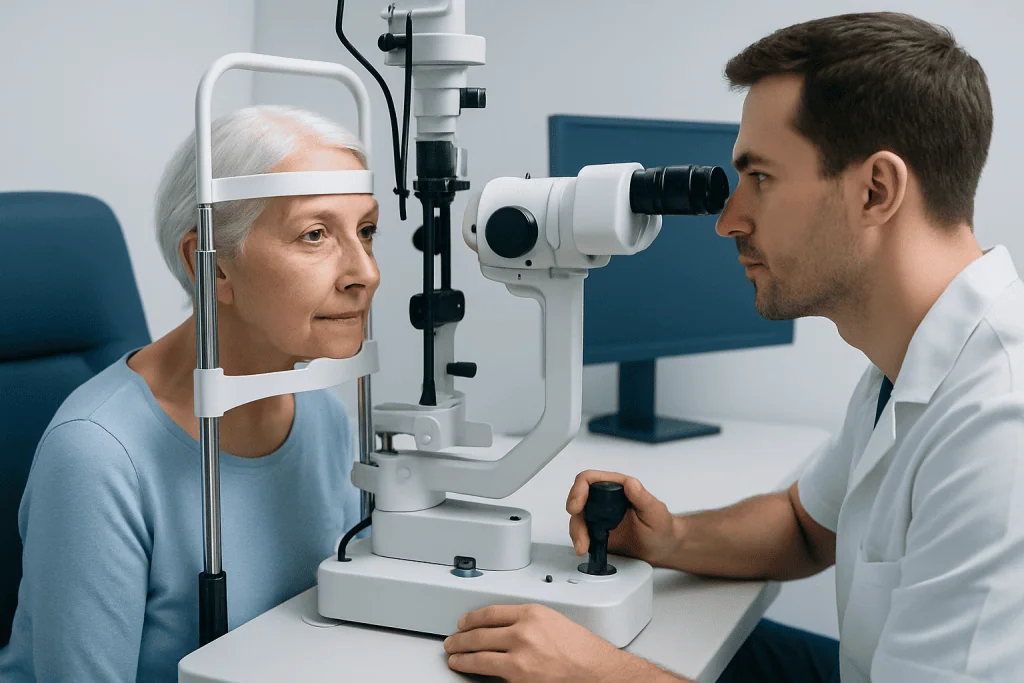
People with new or recurrent formed visual hallucinations alongside impaired vision may benefit from evaluation for Charles Bonnet syndrome. CBS is more likely in people with conditions that reduce sight, including age-related macular degeneration, glaucoma, diabetic eye disease, cataract, retinal disease, and vision loss after eye or brain injury.
A person may be a good candidate for a CBS-focused care plan when they have preserved awareness, can describe their visual experiences clearly, and do not have major confusion or loss of consciousness. However, these features do not replace medical assessment. Hallucinations can have more than one contributing cause, particularly in older adults or people taking several medicines.
Improving a reversible cause of visual impairment may help some people. For example, eye specialists may evaluate whether cataract management, updated glasses, treatment for retinal disease, or other eye care could maximize usable vision. The appropriate option depends on the underlying eye diagnosis and overall health.
What Happens During Charles Bonnet Treatment

There is no standard operation for Charles Bonnet syndrome itself. Instead, treatment proceeds in steps, beginning with a detailed history of the hallucinations: what is seen, how long episodes last, whether vision has changed, and whether there are symptoms such as headache, weakness, fever, memory change, sleep disruption, or confusion. The clinician also reviews medicines, alcohol or substance use, and relevant medical history.
An eye examination helps identify the degree and cause of visual loss. Depending on the situation, a clinician may recommend cognitive screening, blood tests, brain imaging, or neurological review to exclude other causes. These tests are not needed for every person, but they can be important when symptoms are sudden, atypical, or accompanied by neurological changes.
After assessment, the clinician explains the diagnosis and develops a plan. This may include optimizing eye treatment, referral for low-vision rehabilitation, improving lighting and visual aids at home, and practicing episode-management techniques. If hallucinations are severe, persistent, or highly distressing, a specialist may consider whether treatment for another contributing condition is needed; medication is not routinely required for CBS alone.
Follow-up allows the care team to monitor changes in vision, symptom burden, sleep, mood, and safety. Keeping a short record of episodes can help identify patterns, such as fatigue, dim lighting, isolation, or stress.
Benefits, Recovery Timeline, and Possible Challenges
The main benefits of Charles Bonnet treatment are clarity about the diagnosis, reduced anxiety, better support for vision loss, and greater confidence managing hallucinations when they occur. For many people, simply knowing that CBS is a recognized consequence of reduced sight is a meaningful relief.
There is no physical recovery period because CBS management is usually noninvasive. Some people notice reduced distress soon after receiving a clear explanation and learning coping techniques. Changes in the frequency of hallucinations are less predictable. Episodes may continue for months or longer, but they can lessen over time, especially when visual function is optimized and triggers are addressed.
The principal challenge is that no strategy works equally well for everyone. Some people remain troubled by frequent imagery, poor sleep, or fear of being misunderstood. It is important to tell a clinician if symptoms affect daily life, mood, social contact, or safety, because additional support can be arranged.
Medication side effects are a consideration only when a clinician recommends a medicine for a related condition or for severe symptoms after individualized assessment. People should not stop prescribed medicines or start supplements to treat hallucinations without discussing this with a qualified healthcare professional.
Does Charles Bonnet Syndrome Get Worse?
Charles Bonnet syndrome does not necessarily get worse. The pattern varies: hallucinations may come and go, become less frequent with time, or change as a person’s vision changes. In some people, episodes are more noticeable during periods of tiredness, stress, low light, or inactivity.
If vision loss progresses, visual hallucinations may become more frequent or more persistent, although this does not happen to everyone. A new increase in symptoms should prompt a review of vision, medicines, general health, and neurological symptoms rather than an assumption that it is simply CBS.
Hallucinations that are new, suddenly different, accompanied by confusion, or associated with weakness, speech difficulty, severe headache, fever, or altered consciousness require urgent medical assessment. These features may point to a condition other than Charles Bonnet syndrome.
What Are Some Good Exercises for Charles Bonnet Syndrome?
Exercises for Charles Bonnet syndrome are coping methods rather than a cure. During an episode, some people find it helpful to blink repeatedly, look directly at the image and then away, move their eyes from side to side, stand up, change rooms, or turn on brighter lighting. These approaches are safe to try, but their effect differs from person to person.
Keeping the eyes and mind engaged may also help. Activities such as listening to music or audiobooks, speaking with another person, gentle walking when safe, and maintaining regular daily routines can reduce isolation and may make episodes less noticeable. Good sleep habits and adequate hydration support general wellbeing, although they do not directly treat CBS.
Vision-specific exercises should only be recommended by an eye-care professional or low-vision therapist after assessing the cause of sight loss. A rehabilitation plan may include training in magnifiers, lighting, contrast, and other visual aids to support independence in reading, mobility, and daily tasks.
- Use consistent, comfortable lighting and reduce glare where possible.
- Try changing the visual environment when an image appears.
- Record possible triggers, duration, and what helped.
- Seek support if fear of episodes leads to avoiding daily activities.
Do People With Charles Bonnet Syndrome Know They Are Hallucinating?
Most people with Charles Bonnet syndrome know that the images are not real. This awareness is called insight and is one of the features that helps clinicians distinguish CBS from some other causes of hallucinations. A person may see a highly realistic face, animal, pattern, or landscape while still recognizing that it is a visual experience created by the brain.
Insight may not be immediate. A person can feel startled or confused during early episodes, especially if they have never heard of CBS. Open discussion with a trusted clinician or family member can be reassuring and helps prevent unnecessary shame or isolation.
When a person firmly believes the images are real, has significant memory changes, hears voices, becomes confused, or has hallucinations affecting multiple senses, clinicians may look more closely for another or additional cause. This does not mean a serious condition is certain, but it does mean prompt assessment is appropriate.
What Doctor Treats Charles Bonnet Syndrome and When to Seek Medical Care
An ophthalmologist or optometrist is often the first specialist involved because CBS is closely associated with visual impairment. A primary care doctor can coordinate care and review general health and medicines. A neurologist, geriatrician, psychiatrist, or neuro-ophthalmologist may be involved when the diagnosis is uncertain, symptoms are complex, or there are neurological or cognitive concerns.
Medical care should be sought promptly for any first episode of visual hallucinations, a sudden change in their pattern, or a noticeable decline in vision. Urgent assessment is needed if hallucinations occur with sudden weakness, facial drooping, speech problems, severe headache, fainting, fever, confusion, or a major change in alertness.
People can also seek support when CBS causes distress, poor sleep, reduced independence, anxiety, or withdrawal from usual activities. Acibadem International’s multidisciplinary specialists and JCI-accredited hospitals can assess visual hallucinations and vision loss for international patients, coordinating eye care and neurological evaluation when appropriate.
Frequently asked questions
Is there a cure for Charles Bonnet syndrome?
There is no single cure that works for every person with Charles Bonnet syndrome. Care focuses on confirming the diagnosis, maximizing remaining vision where possible, providing reassurance, and using strategies that reduce distress during episodes. Symptoms may lessen over time for many people.
Are medicines used for Charles Bonnet syndrome?
Medicines are not routinely the first treatment for Charles Bonnet syndrome. A clinician may consider medication only in selected situations, such as severe distress or when another condition may be contributing. Any medicine should be chosen after a full medical review because side effects and interactions matter.
Can better eyesight stop Charles Bonnet hallucinations?
Improving vision can reduce hallucinations for some people, particularly when there is a treatable cause of visual loss. However, this is not guaranteed, and hallucinations can persist even after vision treatment. An eye specialist can explain which options are appropriate for the individual eye condition.
How long do Charles Bonnet syndrome episodes last?
Episodes can last from seconds or minutes to longer periods, and their frequency varies widely. They may occur daily, occasionally, or in clusters. Keeping a record of timing, triggers, and associated symptoms can help guide medical discussions.
Can stress make Charles Bonnet syndrome worse?
Stress, fatigue, loneliness, and low lighting can make hallucinations feel more noticeable for some people. These factors do not cause Charles Bonnet syndrome, which is associated with reduced visual input. Regular routines, rest, social support, and practical coping techniques may help reduce the impact.
Should a person tell family members about Charles Bonnet syndrome?
Sharing the diagnosis with trusted family members or carers can be helpful because it reduces misunderstanding and allows practical support. It may also make it easier to report changes in symptoms. The person should be encouraged to describe episodes openly without fear of judgment.
References
- National Eye Institute
- American Academy of Ophthalmology
- NHS
- Mayo Clinic
- American Geriatrics Society
This article is for general information only and is not a substitute for professional medical advice. Please consult a qualified doctor about your individual situation.
Explore treatments in Turkey — costs, top hospitals & a free quote
JCI-accredited · board-certified surgeons · reply within 24h
Add us as a Preferred Source to see more of our trusted health content across Google Search, AI Overviews and Discover.