Ho Treatment: How It Works, Results and What to Expect

Hyperbaric oxygen therapy increases the amount of oxygen dissolved in the blood and delivered to tissues. Treatment is used for selected conditions, including some serious infections, radiation tissue injury, and difficult-to-heal wounds.
Key Takeaways
- Hyperbaric oxygen therapy increases the amount of oxygen dissolved in the blood and delivered to tissues.
- Treatment is used for selected conditions, including some serious infections, radiation tissue injury, and difficult-to-heal wounds.
- A session commonly lasts about 90 to 120 minutes, while the total number of sessions depends on the diagnosis and response.
- Ear pressure discomfort is common; rare but important risks include lung injury, seizures related to oxygen toxicity, and vision changes.
- Home oxygen equipment is not the same as medically supervised hyperbaric oxygen therapy and cannot replace it.
HO treatment usually refers to hyperbaric oxygen therapy (HBOT), a medical treatment in which a person breathes nearly pure oxygen in a pressurized chamber. It can support healing in certain approved conditions, but it is not appropriate for every wound, symptom, or wellness goal and should be prescribed by an experienced medical team.
What Is HO Treatment?
HO treatment commonly means hyperbaric oxygen therapy, also called HBOT. During this treatment, the patient sits or lies in a specially designed chamber while breathing high-concentration oxygen at pressure higher than normal atmospheric pressure. The higher pressure allows substantially more oxygen to dissolve in the blood plasma, helping oxygen reach tissues with limited blood supply.
HBOT is a medical procedure rather than a general oxygen treatment. It is used alongside standard care such as wound care, surgery, antibiotics, diabetes management, or rehabilitation when a specialist determines that additional oxygen may be helpful. It does not replace the treatment of the underlying condition.
The phrase “hows treatment” can reflect uncertainty about how the therapy works. In simple terms, increased oxygen availability may help reduce swelling, support the body’s infection-fighting activity, encourage new small blood vessel formation in selected chronic injuries, and assist healing in oxygen-starved tissue.
How Hyperbaric Oxygen Therapy Works
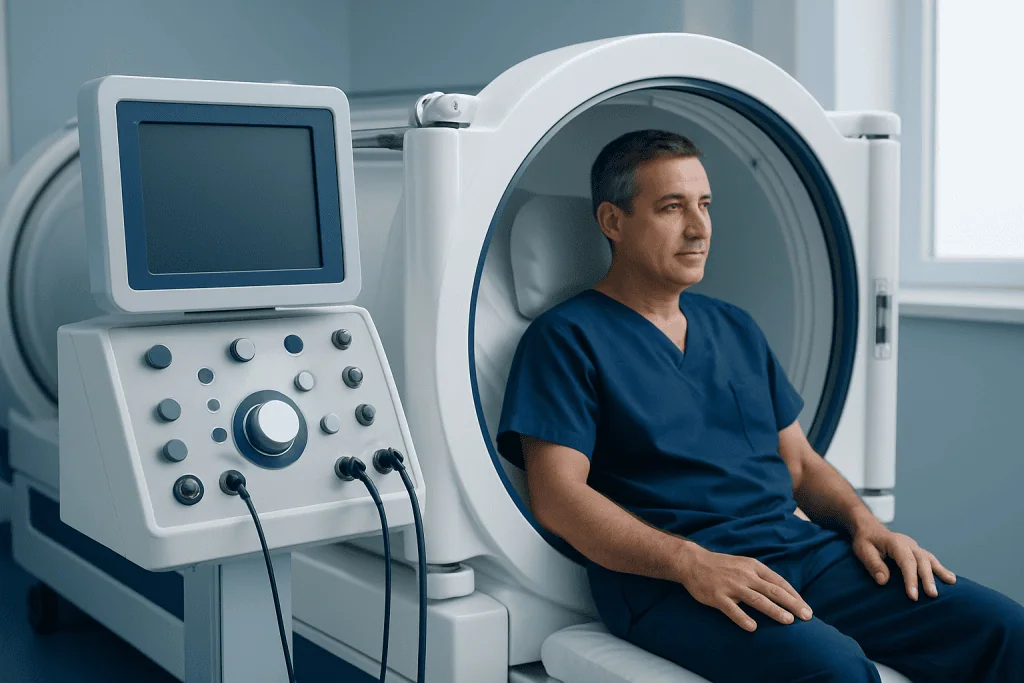
Under normal conditions, most oxygen in the bloodstream is carried by red blood cells. In a hyperbaric chamber, the combination of pressurized surroundings and oxygen breathing increases the oxygen dissolved directly in the liquid part of blood. This oxygen can reach areas where circulation is reduced or tissue is injured.
The biological effects vary by condition. HBOT may help certain white blood cells work more effectively against infection, reduce edema in some acute injuries, and support healing after radiation damage. For particular gas-related emergencies, it can also help reduce the size of gas bubbles in the bloodstream or tissues.
Evidence supports HBOT for specific medical indications, not for every health concern. A hyperbaric physician considers the diagnosis, severity, other treatments, imaging or wound findings, and potential risks before recommending treatment. The care plan is usually coordinated with the clinician managing the underlying problem.
Who May Be a Candidate for HBOT?

Hyperbaric oxygen therapy may be considered for conditions such as decompression sickness, carbon monoxide poisoning, certain severe soft-tissue or bone infections, crush injuries with compromised blood flow, delayed radiation injury, selected skin grafts or flaps at risk of failure, and some non-healing diabetic foot ulcers. The exact indications and eligibility criteria can differ according to clinical guidelines and local practice.
A wound is not automatically suitable for HBOT simply because it has taken a long time to heal. The clinical team first assesses circulation, infection, pressure or friction, blood glucose control, nutrition, medications, and whether dead tissue needs removal. Effective wound care remains essential before, during, and after HBOT.
Before treatment, patients are screened for conditions that may require extra precautions. Untreated pneumothorax, meaning collapsed lung, is generally a contraindication. Lung disease, ear or sinus problems, fever, seizures, claustrophobia, recent eye surgery, and certain medicines may affect whether treatment is suitable or how it is delivered.
People seeking results from home should understand that standard home oxygen devices do not create therapeutic chamber pressure. A home treatment regimen involving oxygen should only be used when a clinician has prescribed it for a separate medical reason; it is not a substitute for supervised hyperbaric care.
What Happens During a Decompression Chamber Treatment?
Before entering the chamber, patients change into approved clothing and remove items that may create a fire or safety risk, including certain cosmetics, hair products, electronic devices, and lighters. The team reviews safety instructions because oxygen-rich environments require strict fire prevention procedures.
In a monoplace chamber, one person lies inside a clear tube-like chamber. In a multiplace chamber, several patients sit or recline in a larger pressurized room and may receive oxygen through a mask or hood. A trained team monitors the patient throughout the session and remains in communication.
As pressure increases, the ears may feel full, much like during air travel. Patients are taught to equalize pressure by swallowing, yawning, or using other techniques recommended by the team. The patient can usually rest, listen to approved entertainment, or speak with staff, depending on the chamber type and facility rules.
After the pressure is gradually reduced, the patient leaves the chamber and is checked for symptoms. Most people return to ordinary daily activities unless their medical condition or broader treatment plan requires restrictions. The appropriate next step is a specialist review of hyperbaric oxygen therapy as part of comprehensive care.
How Long Does a Decompression Chamber Treatment Take?
A decompression chamber treatment commonly takes around 90 to 120 minutes from pressurization to return to normal pressure. The time inside the facility may be longer because of preparation, pre-treatment checks, changing, and a brief assessment afterward.
Some emergency indications use different protocols, and treatment duration can vary by chamber type, pressure level, diagnosis, and whether oxygen breaks are needed. Oxygen breaks are short intervals designed to reduce the likelihood of oxygen toxicity during longer exposures.
The number of sessions also varies widely. An urgent condition may require one or several treatments over a short period, while chronic radiation injury or a complex wound may involve repeated weekday sessions over several weeks. The treating team reviews healing and other clinical measures regularly rather than promising a fixed outcome.
Benefits, Results and Possible Risks
When appropriately selected, HBOT may improve oxygen delivery to damaged tissue and support healing as an addition to standard treatment. The expected benefit depends strongly on the diagnosis. For example, the goal may be to help preserve threatened tissue, control a severe infection alongside antibiotics and surgery, or support healing in radiation-damaged tissue.
How long the effects of hyperbaric oxygen therapy last depends on why it was used. Blood oxygen levels rise during and shortly after a session, but longer-term clinical benefit relies on cumulative tissue responses and on treating the underlying cause. A chronic wound can recur if pressure, poor circulation, infection, or uncontrolled diabetes persists.
Most side effects are temporary and manageable. Ear or sinus discomfort, fatigue, and short-term changes in vision can occur. Less commonly, pressure injury to the ear or lung, low blood sugar in people using diabetes medicines, or oxygen-related seizures may occur. Serious complications are uncommon in supervised programs, but patients should promptly report pain, breathing changes, dizziness, new visual symptoms, or unusual symptoms.
- Benefits are most likely when HBOT is paired with condition-specific treatment.
- Progress is assessed through symptoms, physical examination, wound measurements, imaging, or laboratory tests as appropriate.
- Patients should not stop antibiotics, wound care, diabetes treatment, or other prescribed care without medical advice.
Which Life-Threatening Wound Is Treated With Hyperbaric Oxygen Therapy?
One life-threatening wound-related condition for which HBOT may be used is necrotizing soft-tissue infection, sometimes called necrotizing fasciitis. This rapidly progressive infection requires immediate emergency treatment, including urgent surgery to remove infected tissue, broad-spectrum intravenous antibiotics, intensive monitoring, and treatment of complications. HBOT may be considered as an additional therapy in selected cases; it must never delay surgery or antibiotics.
Other severe infections or injuries may also be evaluated for HBOT, including some cases of gas gangrene and crushing injuries that threaten tissue survival. Whether it is appropriate depends on the type of infection, tissue blood supply, surgical findings, and the patient’s overall stability.
Emergency warning signs include rapidly worsening pain, spreading redness or swelling, skin discoloration, blisters, fever, confusion, fainting, or feeling severely unwell. These symptoms require emergency assessment rather than treating home with dressings, supplements, or non-medical oxygen products.
How Often Should You Do Hyperbaric Oxygen Therapy for Anti-Aging?
There is no established, medically recommended schedule for hyperbaric oxygen therapy for anti-aging in otherwise healthy people. Although research is continuing into HBOT and aging-related biological processes, current evidence does not support routine chamber treatment as a proven anti-aging intervention.
HBOT carries practical burdens and potential side effects, so it should not be pursued as a wellness routine without a clear medical indication and specialist assessment. Claims that a particular number of sessions will reverse aging, reliably improve appearance, or produce lasting rejuvenation should be approached cautiously.
For healthy aging, clinicians generally emphasize measures with stronger evidence: not smoking, regular physical activity, balanced nutrition, adequate sleep, sun protection, preventive care, management of blood pressure and cholesterol, and control of long-term health conditions. A doctor can help patients discuss individual goals safely.
When to Seek Medical Care
Prompt medical care is important for a wound that is deep, contaminated, painful, increasingly red or swollen, producing pus, associated with fever, or not improving with appropriate care. People with diabetes, reduced circulation, immune suppression, or reduced sensation in the feet should seek assessment early for any new foot wound or skin breakdown.
Emergency care is needed for suspected carbon monoxide poisoning, decompression illness after diving, severe breathing difficulty, confusion, rapidly spreading infection, or signs of tissue death. These conditions require urgent conventional emergency management, with HBOT considered where clinically indicated.
For patients who may benefit from a multidisciplinary assessment, Acibadem International’s specialists and JCI-accredited hospitals can diagnose and treat eligible conditions for international patients. A referral team may include wound-care clinicians, infectious disease specialists, surgeons, diabetes specialists, and hyperbaric medicine professionals.
Frequently asked questions
Is HO treatment the same as hyperbaric oxygen therapy?
In many searches, HO treatment refers to hyperbaric oxygen therapy, or HBOT. The treatment involves breathing oxygen in a pressurized chamber under medical supervision. It differs from ordinary oxygen therapy delivered through nasal tubing or a mask at normal pressure.
How long does a decompression chamber treatment take?
Most sessions take approximately 90 to 120 minutes, although total visit time can be longer. The exact duration depends on the medical indication, chamber protocol, pressure level, and whether oxygen breaks are used. Emergency protocols may differ from planned outpatient courses.
Which life-threatening wound is treated with hyperbaric oxygen therapy?
HBOT may be considered as an additional treatment for selected cases of necrotizing soft-tissue infection, including necrotizing fasciitis. This is an emergency that needs immediate surgery, antibiotics, and hospital care. Hyperbaric treatment must not delay these essential treatments.
How often should you do hyperbaric oxygen therapy for anti-aging?
There is no evidence-based schedule for HBOT as an anti-aging treatment in healthy people. It is not routinely recommended for this purpose because benefit has not been established and the treatment has potential risks. A clinician can discuss safer, proven approaches to healthy aging.
How long do the effects of hyperbaric oxygen therapy last?
Oxygen levels increase during and shortly after each session, while any longer-term healing effects depend on the treated condition and the full care plan. For chronic problems, benefits may be limited if causes such as poor circulation, infection, pressure, or diabetes remain unmanaged. The treating team monitors response over time.
Can hyperbaric oxygen therapy be done at home?
Medical HBOT is performed in regulated pressurized chambers with trained staff and safety procedures. Home oxygen concentrators and non-medical chambers are not equivalent to prescribed hyperbaric therapy. Anyone considering home-based oxygen or a home treatment regimen should first speak with a qualified clinician.
References
- Undersea and Hyperbaric Medical Society
- U.S. Food and Drug Administration
- Mayo Clinic
- Centers for Disease Control and Prevention
- National Institute of Diabetes and Digestive and Kidney Diseases
This article is for general information only and is not a substitute for professional medical advice. Please consult a qualified doctor about your individual situation.
Explore treatments in Turkey — costs, top hospitals & a free quote
JCI-accredited · board-certified surgeons · reply within 24h
Add us as a Preferred Source to see more of our trusted health content across Google Search, AI Overviews and Discover.

More from the Health Library



Related Specialists
Dr. Caner Ünlüer
Neurosurgery
Assoc. Prof. Dr. Emel Kabakoğlu Ünsür
Pediatrics
Dr. Ulambadrakh Khenchbish
Orthopedic Surgery & Traumatology
Dr. Mesut Fatih
Orthopedic Surgery & Traumatology