Chemo Drugs List: How It Works, Results and What to Expect

Chemotherapy is not one drug; it is a broad group of medicines used alone or with surgery, radiation, immunotherapy or targeted therapy. There is no universal ranking of the “strongest” chemotherapy medicines because effectiveness and risk depend on the cancer being treated.
Key Takeaways
- Chemotherapy is not one drug; it is a broad group of medicines used alone or with surgery, radiation, immunotherapy or targeted therapy.
- There is no universal ranking of the “strongest” chemotherapy medicines because effectiveness and risk depend on the cancer being treated.
- Chemotherapy may be given by vein, injection, tablet or capsule, usually in planned cycles with recovery periods.
- Results may be assessed through symptoms, physical examinations, blood tests and imaging, often after several treatment cycles.
- Side effects vary widely and can often be prevented, monitored or treated by the cancer care team.
- Urgent symptoms during chemotherapy, such as fever or breathing difficulty, need prompt medical advice.
A chemo drugs list covers several groups of medicines used to destroy cancer cells, stop their growth or reduce the chance of cancer returning. Treatment is individualized: the medicines, route, schedule, duration and side effects depend on the cancer type, stage, overall health and treatment goal.
Chemo Drugs List: What Chemotherapy Medicines Do
A chemo drugs list includes medicines that interfere with cancer cells’ ability to grow, copy their DNA or divide. Because cancer cells often divide more quickly than many healthy cells, they can be particularly affected by these medicines. However, some healthy rapidly dividing cells can also be affected, which helps explain side effects involving blood cells, hair follicles, the mouth and the digestive tract.
Common chemotherapy groups include alkylating agents, antimetabolites, anthracyclines, topoisomerase inhibitors, mitotic inhibitors, platinum-based medicines and corticosteroids used in selected blood cancers. Examples include cyclophosphamide, fluorouracil, methotrexate, doxorubicin, paclitaxel, cisplatin and carboplatin. This is not a treatment guide or a complete list; each medicine has specific uses, precautions and monitoring needs.
Chemotherapy may aim to cure cancer, reduce the risk of recurrence after local treatment, shrink a tumor before surgery or radiation, or control cancer-related symptoms when cure is not possible. It may be used with other systemic treatments, including targeted medicines and immunotherapy. A treatment plan should be discussed with an oncology team that understands the person’s cancer and health history.
How Chemotherapy Works and Who May Be a Candidate
Chemotherapy circulates through the bloodstream when given intravenously or taken by mouth, allowing it to reach cancer cells in many parts of the body. Some medicines work at particular points in the cell cycle, while others damage DNA or prevent the production of materials cells need to multiply. Combining medicines with different mechanisms can improve effectiveness for certain cancers, while also requiring careful safety monitoring.
Candidacy is based on more than a diagnosis alone. Doctors consider the cancer’s type, location, stage, molecular features where relevant, how quickly it is growing, previous treatment and the purpose of treatment. They also assess blood counts, kidney and liver function, heart health when relevant, nerve symptoms, nutrition, infections, pregnancy status and a person’s preferences and daily support needs.
Not every person with cancer needs chemotherapy, and chemotherapy is not always the most appropriate first treatment. Some cancers are managed mainly with surgery, radiation, hormone therapy, targeted treatment, immunotherapy, active surveillance or a combination. The oncology team explains why a particular approach is recommended and what alternatives may be suitable.
Planning and Receiving Chemotherapy: Step by Step

Before treatment begins, the care team confirms the diagnosis and develops a regimen: the specific medicines, doses, route, timing and number of cycles. Baseline blood tests are common, and some medicines require heart tests, kidney tests, hearing checks or other assessments. People may also receive advice about fertility preservation, contraception, vaccines, dental care, nutrition and managing work or travel during treatment.
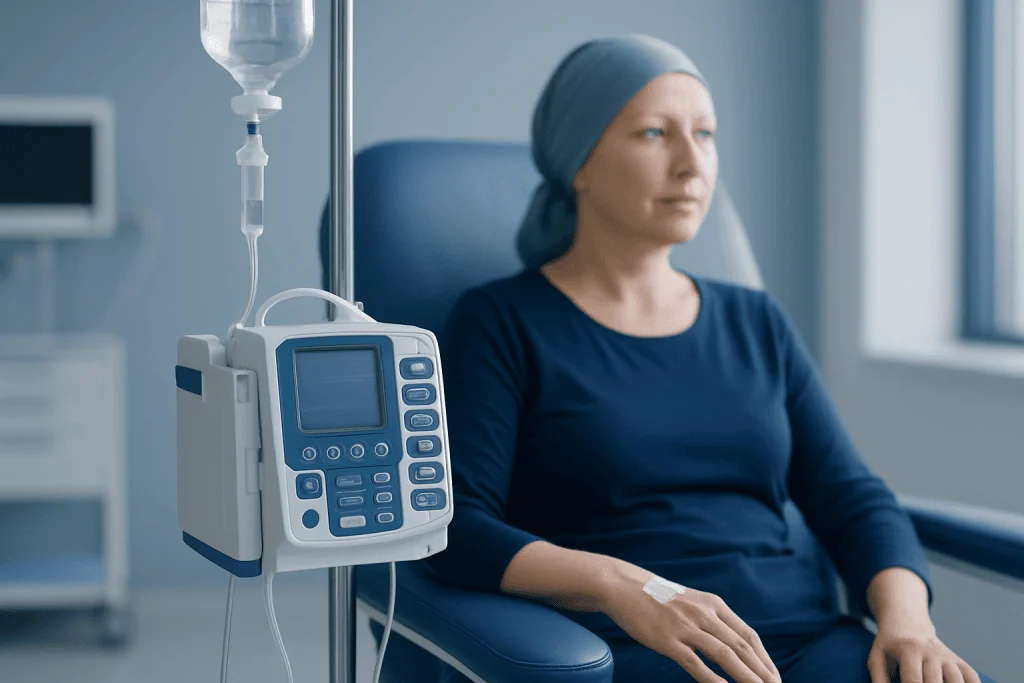
Intravenous chemotherapy is usually given in an outpatient infusion unit through a vein, a temporary IV line or a longer-term device such as a port when appropriate. The visit may include blood tests, a review of symptoms and medicines to help prevent nausea or allergic reactions. Infusion time ranges from a short injection to several hours, depending on the regimen.
Oral chemotherapy, often called chemo pills, is taken at home exactly as prescribed. The answer to “chemo pills how often to take” varies considerably: some are taken daily, some only on selected days, and some are followed by rest days. Chemo pills duration and how long treatment continues also vary; they may be taken for days within repeating cycles or for longer periods. Tablets or capsules should not be crushed, split or shared unless the oncology pharmacist or clinician gives clear instructions.
- Keep a written schedule or use a medication reminder approved by the care team.
- Store oral medicines as directed and away from children and pets.
- Report missed doses, vomiting after a dose, new medicines and supplements rather than taking an extra dose independently.
- Attend scheduled blood tests even when feeling well, as some effects are not immediately noticeable.
How Long Does It Take for Chemo Drugs to Work?
How long chemotherapy takes to work depends on the cancer, the medicines used and the treatment goal. Some people notice symptom improvement within days or weeks, especially if a tumor is causing pain or pressure. For many cancers, however, response is judged after two or more cycles through examinations, blood markers when relevant, scans and other tests rather than by day-to-day symptoms alone.
A treatment cycle commonly includes a treatment day or several treatment days followed by time for the body to recover. Cycles may repeat every one, two, three or four weeks, though schedules differ. The full course can last weeks to months, while some oral regimens continue longer. The oncologist will explain when response testing is planned and what result would lead to continuing, changing or stopping treatment.
It is important not to assume that side effects indicate whether chemotherapy is working. A person may have few side effects and still benefit, or have difficult side effects without the treatment being effective enough. The care team uses objective assessments and the person’s overall wellbeing to guide decisions.
What Are the Top 5 Strongest Chemo Drugs?
There is no medically reliable “top 5 strongest chemo drugs” list. A medicine that is highly effective for one cancer may have little role in another, and “strong” can refer to cancer-cell effects, side-effect potential or the intensity of a regimen. The safest and most effective choice is the one supported by evidence for the specific cancer and tailored to the individual.
Examples of widely used chemotherapy medicines include doxorubicin, cisplatin, cyclophosphamide, paclitaxel and fluorouracil. These medicines can be important parts of treatment for selected cancers, but they are not interchangeable and may have different risks, such as effects on blood counts, kidneys, nerves, hearing or the heart. A medication’s potential harms are considered alongside possible benefits before it is prescribed.
Patients should avoid comparing regimens by perceived strength. Asking the oncology team why each medicine was selected, what it is expected to achieve, how response will be checked and which symptoms to report can provide more useful chemotherapy drugs information than a generic ranking.
What to Expect When Taking Chemo Pills?
Chemo pills can offer the convenience of treatment at home, but they require the same careful follow-up as intravenous chemotherapy. People should expect a clear dosing calendar, regular blood tests, clinic or telephone reviews and instructions on safe handling. The care team may adjust the dose, pause treatment or add supportive medicines if side effects or laboratory changes occur.
Possible effects depend on the drug and may include tiredness, nausea, appetite changes, diarrhea or constipation, mouth soreness, skin or nail changes, numbness or tingling, and lower blood counts. Some effects begin soon after treatment, while others develop gradually. The team can recommend anti-nausea treatment, mouth care, nutrition support and other measures suited to the prescribed medicine.
Chemo pills how long they are taken cannot be predicted from the medicine name alone. Some courses are short and cyclical; others are continued while the cancer responds and side effects remain manageable. Taking the medicine exactly as directed, including any planned breaks, is essential. Do not stop it, restart it or change the schedule without contacting the prescribing team.
Does Chemo Get Harder With Each Treatment? Benefits, Risks and Recovery
Does chemo get harder with each treatment? It can for some people, but it is not inevitable. Certain side effects can build up over repeated cycles, including fatigue, low blood counts, nerve symptoms, skin changes or mouth soreness. Others may improve once preventive medicines, dose adjustments or supportive care are introduced. People’s experiences can vary even on the same regimen.
Recovery commonly follows a pattern related to the treatment cycle. Some effects occur during or shortly after treatment, while low blood counts may develop later in the cycle and then recover before the next dose. Tiredness may last longer, particularly after multiple cycles. Rest, gentle activity when able, balanced nutrition, hydration and accepting practical support can help, but recovery should be individualized rather than forced.
The potential benefit of chemotherapy is reduced cancer burden, improved chance of cure in selected situations, delayed progression or symptom relief. Risks may include infection from low white blood cells, anemia, bleeding from low platelets, nausea, bowel changes, infertility, nerve effects and organ-specific effects depending on the drug. The oncology team monitors for these risks and may modify treatment when needed.
Acibadem International’s multidisciplinary specialists at JCI-accredited hospitals support international patients with cancer diagnosis, chemotherapy planning and treatment monitoring. A personalized discussion with an oncologist can clarify expected benefits, likely side effects and practical arrangements for each regimen.
When to Seek Medical Care During Chemotherapy
Patients should contact their cancer team promptly for symptoms that are new, severe or concerning. The team should provide a 24-hour contact number and individual instructions, especially for the period when blood counts may be low. It is safer to ask early rather than wait for a scheduled appointment if symptoms are worsening.
Urgent medical advice is needed for fever or chills, shortness of breath, chest pain, confusion, fainting, unusual bleeding or bruising, severe vomiting or diarrhea, inability to drink fluids, severe abdominal pain, a new rash with swelling, or pain, redness or discharge around a line or port. A temperature threshold can differ by treatment plan, so patients should follow the exact guidance from their own oncology team.
People should also tell the care team about persistent fatigue, painful mouth sores, constipation or diarrhea, tingling in the hands or feet, changes in urination, new swelling, or symptoms of infection. These issues are often manageable, and early reporting may prevent complications or reduce the need for treatment delays.
Frequently asked questions
What is included in a chemo drugs list?
A chemo drugs list may include many classes of medicines, such as alkylating agents, antimetabolites, anthracyclines, taxanes, platinum drugs and topoisomerase inhibitors. The medicines differ in how they work, which cancers they treat and which side effects require monitoring. An oncologist selects a regimen rather than choosing from a general list alone.
How long does it take for chemo drugs to work?
Some symptoms may improve within days or weeks, but treatment response is often assessed after several cycles. Doctors use examinations, blood tests and imaging to determine whether the cancer is responding. Side effects do not reliably show whether chemotherapy is working.
What are the top 5 strongest chemo drugs?
There is no universal top-five ranking because the most suitable drug depends on the cancer type and treatment goal. Medicines such as doxorubicin, cisplatin, cyclophosphamide, paclitaxel and fluorouracil are widely used in specific settings, but each has different benefits and risks. A treatment should never be judged by perceived strength alone.
What should a person expect when taking chemo pills?
Oral chemotherapy requires a precise schedule, safe storage, routine blood tests and regular communication with the oncology team. Side effects can include fatigue, nausea, bowel changes, mouth soreness or low blood counts, depending on the medicine. The prescribed dose should not be changed without medical advice.
How often are chemo pills taken?
Chemo pills may be taken daily, on selected days of a cycle, or with planned rest periods. The schedule depends entirely on the specific medicine and cancer treatment plan. A missed dose or vomiting after a dose should be reported to the oncology team rather than corrected by taking extra medicine.
Does chemotherapy get harder with each treatment?
Some side effects can build up over repeated cycles, while others remain stable or improve with supportive care. Fatigue, low blood counts and nerve symptoms are examples of effects that may become more noticeable for some people. Regular monitoring allows the oncology team to address symptoms and adjust treatment when appropriate.
References
- National Cancer Institute
- American Cancer Society
- American Society of Clinical Oncology
- National Health Service
- World Health Organization
This article is for general information only and is not a substitute for professional medical advice. Please consult a qualified doctor about your individual situation.
Hair transplant in Turkey — costs, graft counts & a free assessment
JCI-accredited · board-certified surgeons · reply within 24h
Add us as a Preferred Source to see more of our trusted health content across Google Search, AI Overviews and Discover.