

Chemo Infusion: Procedure, Recovery and Results

Chemo infusion treatment is tailored to the cancer type, its stage, treatment goals and a person's overall health. Most infusions are given in cycles, allowing time for the body to recover between treatments.
Key Takeaways
- Chemo infusion treatment is tailored to the cancer type, its stage, treatment goals and a person's overall health.
- Most infusions are given in cycles, allowing time for the body to recover between treatments.
- Side effects can begin during treatment or days later and may change from one cycle to the next.
- Fever, breathing difficulty, severe vomiting, unusual bleeding or sudden confusion need prompt medical advice.
- Supportive medicines, nutrition, rest and early reporting of symptoms can make recovery more manageable.
A chemo infusion is a planned treatment session in which anti-cancer medicines are given into a vein, usually in an outpatient infusion unit. The experience and recovery time differ by medicine, dose, treatment schedule and individual health, but the oncology team provides monitoring and support throughout the process.
Overview: What Is a Chemo Infusion?
A chemo infusion is a way of delivering chemotherapy medicines directly into the bloodstream through a vein. These medicines are used to destroy cancer cells, slow their growth, reduce the chance of cancer returning after local treatment, or relieve symptoms when cancer cannot be fully removed. A chemo infusion may be used alone or alongside surgery, radiotherapy, immunotherapy, targeted therapy or hormone treatment.
The treatment plan is individual. The oncology team selects medicines and a schedule based on the type and extent of cancer, laboratory results, prior treatment, other health conditions and the intended goal of care. Chemotherapy is commonly given in cycles: a treatment day or series of treatment days followed by a rest period. This planned break supports normal tissues, including blood-forming cells, as they recover.
Many infusions are provided in an outpatient setting, so the person can return home the same day. Some regimens require longer observation or hospital admission. The treatment team explains what to expect before the first session and adjusts supportive care as needed during the chemotherapy recovery process.
How the Chemo Infusion Process Works
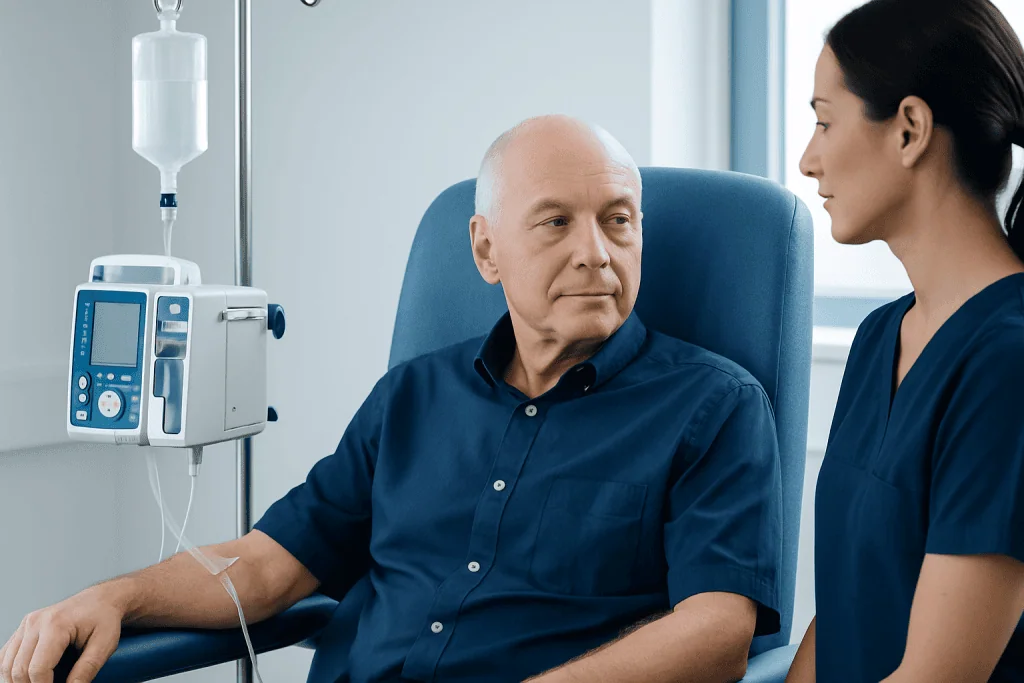
Before chemotherapy begins, the oncology team reviews the diagnosis, treatment aim and potential benefits and risks. Blood tests are usually performed before each cycle to check blood cell counts and organ function. Depending on the treatment, imaging studies, heart tests or other assessments may also be needed. Treatment may be delayed or modified when blood counts are low, side effects have not settled, or there are other safety concerns.
Medicines may be infused through a short cannula placed in a hand or arm vein. For repeated treatment, a central venous access device, such as a port placed under the skin, may be recommended. The best access method depends on the medicines, expected length of treatment and condition of the veins. The team also gives preventive medicines when appropriate, such as anti-sickness medicines or treatments to lower the chance of allergic-type reactions.
On infusion day, vital signs and any new symptoms are checked. The medicine is delivered at a controlled rate, which may take minutes or several hours. Nurses monitor the person during treatment and can slow, pause or stop the infusion if a reaction is suspected. Before leaving, patients receive instructions about medicines, likely side effects, diet and fluids, infection precautions and who to contact after hours.
- Bring an up-to-date list of medicines, supplements and allergies.
- Wear comfortable clothing that allows access to the arm or port site.
- Arrange transport or support if premedication may cause drowsiness.
- Ask the team before taking vitamins, herbal products or over-the-counter medicines.
Candidacy, Benefits and Possible Risks
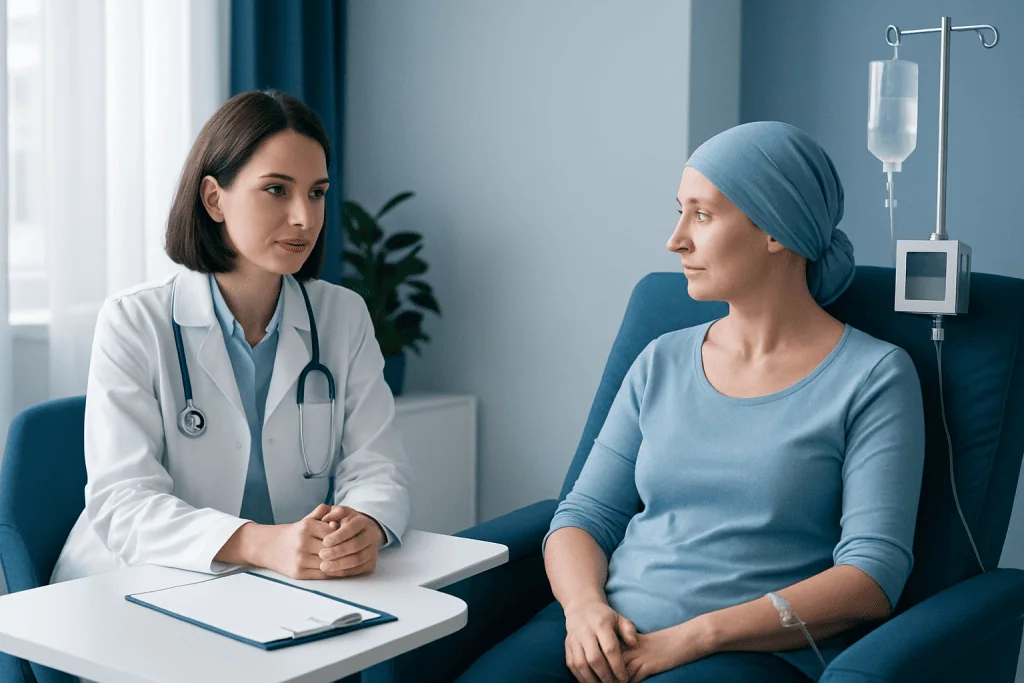
People may be candidates for a chemo infusion when chemotherapy is expected to offer benefit for their particular cancer. It can be given before surgery to shrink a tumour, after surgery to treat cancer cells that may remain, together with radiotherapy in selected cases, or for advanced cancer to control disease and symptoms. The decision is made through shared discussion with an oncologist, considering expected benefit alongside quality of life and personal priorities.
Chemotherapy targets rapidly dividing cells, which is why it can affect some healthy tissues as well as cancer cells. Possible side effects include tiredness, nausea, appetite changes, mouth soreness, bowel changes, hair thinning or loss, changes in taste, numbness or tingling, and changes in blood counts. Not everyone develops the same effects, and many side effects can be prevented or reduced with supportive care.
Less common but important risks include infection due to low white blood cells, anaemia, bleeding from low platelets, blood clots, organ-specific effects and reactions during an infusion. The exact risks depend on the medicines being used. A previous reaction, active infection, poor organ function or low blood counts may require extra precautions or a change in the plan. The team should be told about symptoms promptly rather than waiting for the next appointment.
Systemic treatments are increasingly selected according to tumour features and the overall care plan. In some cases, medical oncology care includes chemotherapy alongside targeted or immune-based treatments, rather than chemotherapy alone.
Chemo Recovery Timeline: What to Expect After Treatment
The chemo recovery timeline is not the same for every person or regimen. Some people feel well enough to continue usual light activities soon after an infusion, while others need several days of rest. Effects may occur immediately, within the first few days, or later in the cycle. Fatigue can be cumulative, meaning it may become more noticeable after several cycles.
For many regimens, nausea, tiredness, appetite changes and aches may be most noticeable in the first few days. Blood counts often reach their lowest point roughly one to two weeks after treatment, although timing varies significantly by medicine. This period can increase the risk of infection. Blood counts generally recover before the next cycle, but the team checks this rather than assuming recovery has occurred.
Chemo treatment recovery time also depends on sleep, nutrition, activity level, age, other illnesses and whether other treatments are being received. Short walks and gentle movement, if approved by the clinical team, can help preserve strength and reduce fatigue for some people. Rest is important, but prolonged inactivity may make tiredness and loss of conditioning worse.
A symptom diary can help identify patterns after each treatment cycle. Recording temperature, bowel changes, nausea, pain, food and fluid intake, sleep and energy levels gives the oncology team useful information to tailor symptom control for the next infusion.
What Are the Worst Days After Chemo Infusion?
The worst days after chemo infusion vary with the medicines and the individual. For some people, the first two to four days bring the most noticeable nausea, tiredness, body aches or changes in appetite. Others have delayed symptoms, and certain treatments cause side effects that build gradually over days or with repeated cycles.
The period when infection risk is greatest may occur later, often when white blood cell counts are at their lowest. This is sometimes called the nadir. The care team can explain the likely timing for the specific regimen and whether additional blood tests, injections or precautions are needed.
It is helpful not to compare recovery too closely with another person’s experience. Symptoms can be managed more effectively when reported early. The oncology team may adjust anti-sickness medicines, pain relief, bowel treatments, hydration advice or other supportive measures based on what happens during a cycle.
How Long Does It Take to Feel Better After Chemo Infusion?
Some people begin to feel better within a few days of chemo infusion, while others need one to two weeks or longer. Recovery often improves during the planned break before the next cycle, but there may be symptoms that persist or accumulate, such as fatigue, nerve symptoms or changes in concentration. The time needed to feel better cannot be predicted precisely in advance.
After the final cycle, many short-term side effects gradually improve over weeks. Hair regrowth, energy levels and taste changes may take longer to normalize, and certain effects need ongoing follow-up. The oncology team reviews recovery at follow-up visits and can arrange rehabilitation, nutrition support, psychological support or specialist care where helpful.
Maintaining regular fluids, eating small nourishing meals when appetite is reduced, taking prescribed supportive medicines and pacing daily activities can support recovery. However, new or worsening symptoms should not be managed alone at home; they should be discussed with the treatment team.
How Will I Feel After My First Chemo Infusion?
After a first chemo infusion, a person may feel no immediate change, or may feel tired, sleepy from premedication, mildly nauseated or emotionally drained. Some treatments can cause a sensation of warmth, flushing, altered taste or temporary discomfort during infusion. Nurses observe for reactions and provide clear instructions before the person leaves.
It is also normal to feel uncertain before knowing how the body will respond. Planning a quiet day, preparing simple meals, keeping contact numbers available and having a family member or friend check in can make the first few days more comfortable. The first cycle gives the team valuable information about which symptoms may need additional support next time.
Before the first session, patients should ask which effects are expected, which need urgent contact, whether they can drive home, and how to take any prescribed medicines. Clear communication helps make the chemo infusion procedure safer and less stressful.
What Is the Hardest Week of Chemo?
There is no single hardest week of chemo for everyone. In a typical multi-week cycle, some people find the days soon after infusion most difficult because of nausea and fatigue. Others find the later part of the cycle harder if blood counts drop, tiredness increases or mouth and bowel symptoms develop.
The hardest period can also shift over time. Later cycles may feel more demanding because fatigue can accumulate, while some side effects become easier to manage once the person and care team know what to expect. Reporting symptoms at each visit allows the regimen and supportive care plan to be reviewed safely.
Planning essential tasks for higher-energy days, accepting practical help and allowing time for rest can reduce pressure during more difficult periods. A doctor or nurse should be contacted if symptoms interfere substantially with eating, drinking, walking, sleep or normal self-care.
When to Seek Medical Care
Patients should follow the emergency instructions provided by their own oncology service, as thresholds and contact pathways may differ. In general, urgent medical advice is needed for a fever of 38°C (100.4°F) or higher, chills or shivering, new shortness of breath, chest pain, confusion, fainting, severe weakness, or signs of an allergic reaction such as facial swelling or difficulty breathing.
The treatment team should also be contacted promptly for repeated vomiting, inability to keep fluids down, severe diarrhoea, uncontrolled pain, unusual bleeding or bruising, painful urination, a rapidly worsening rash, or redness, swelling, pain or discharge around a cannula or port. People receiving chemotherapy should not wait until a routine appointment if they are concerned about a possible infection.
Acibadem International’s multidisciplinary specialists and JCI-accredited hospitals diagnose and treat cancer for international patients, with treatment plans and supportive care coordinated around individual needs. Ongoing follow-up is an important part of cancer care, including surveillance and recovery support after active treatment.
Frequently asked questions
Is chemo infusion painful?
The infusion itself is usually not painful beyond the brief discomfort of placing an IV line or accessing a port. Some medicines can cause burning, stinging or discomfort at the injection site, and this should be reported to the nurse immediately. The team can check the line and respond quickly.
Can someone eat before a chemo infusion?
In many cases, eating a light meal and drinking fluids before treatment is appropriate. However, instructions can differ depending on the medicines, other tests or individual medical needs. The oncology team should provide specific guidance before each session.
Can I work after a chemo infusion?
Some people can work, particularly on days when they feel well, while others need time away or a reduced schedule. Fatigue, nausea, infection risk and the frequency of appointments can affect work capacity. Discussing work demands with the oncology team can help create a safer, realistic plan.
How can fatigue after chemotherapy be managed?
Regular rest, gentle activity as tolerated, adequate fluids and balanced nutrition can help manage fatigue. It is also important to report severe or worsening tiredness, because anaemia, infection, sleep problems, pain or emotional distress may contribute. The care team can assess treatable causes and recommend support.
Can side effects change with each chemo infusion?
Yes. Side effects can vary from one cycle to another, and some become more noticeable with cumulative treatment. Keeping a record of symptoms and reporting them early helps the team adjust supportive medicines or treatment timing when medically appropriate.
When can I exercise after chemo infusion?
Light activity, such as walking, is often possible when a person feels able and the treatment team agrees. Exercise should be reduced or avoided during fever, severe fatigue, dizziness, dehydration, low blood counts or significant treatment-related symptoms. A clinician can advise on a suitable activity plan.
References
- American Cancer Society
- National Cancer Institute
- National Health Service
- European Society for Medical Oncology
This article is for general information only and is not a substitute for professional medical advice. Please consult a qualified doctor about your individual situation.
Oncology care in Turkey — second opinion and treatment plan
JCI-accredited · board-certified surgeons · reply within 24h
Add us as a Preferred Source to see more of our trusted health content across Google Search, AI Overviews and Discover.

More from the Health Library


Related Specialists

Dr. İletişim | 444 55 44
Aesthetic Plastic & Reconstructive Surgery
Dr. Derya Uyan
Gynecology & Obstetrics
Pdg. Yaren Kavlak
Podiatry & Foot Health
Dr. Safiye Küçükgül
Ophthalmology