Chemotherapie: How It Works, Results and What to Expect
Chemotherapie may be used before surgery, after surgery, alongside radiation therapy, or as the main treatment for some cancers. Treatment is usually given in cycles, allowing time for healthy tissues and blood counts to recover between doses.
Key Takeaways
- Chemotherapie may be used before surgery, after surgery, alongside radiation therapy, or as the main treatment for some cancers.
- Treatment is usually given in cycles, allowing time for healthy tissues and blood counts to recover between doses.
- Scans, examinations, symptoms and blood tests help the oncology team assess whether treatment is working.
- Side effects vary widely and are often manageable with preventive medicines, symptom reporting and individualized supportive care.
- Fever, breathing difficulty, severe vomiting, confusion, chest pain or signs of infection require prompt medical advice during chemotherapy.
Chemotherapie, commonly called chemotherapy, is a cancer treatment that uses medicines to destroy cancer cells, slow their growth, or reduce the chance of cancer returning. The experience differs by cancer type, treatment plan and individual health, but supportive care can help people manage treatment safely and comfortably.
Chemotherapie Overview: What It Is and How It Works
Chemotherapie is the German term for chemotherapy: treatment with medicines designed to damage, destroy or stop the division of cancer cells. Cancer cells often multiply more quickly than most normal cells, which can make them more vulnerable to these medicines. However, chemotherapy can also affect healthy fast-growing cells, including cells in the bone marrow, hair follicles and digestive tract. This explains why side effects may occur.
Chemotherapy is not one single medicine or one fixed experience. There are many different chemotherapy drugs, each with a particular role and pattern of effects. A specialist may prescribe one drug or a combination, sometimes together with surgery, radiation therapy, immunotherapy, targeted therapy or hormone treatment. The plan is based on the cancer type, its location and stage, laboratory findings, previous treatment and the person’s overall health.
The goals of treatment can also differ. Chemotherapie may aim to cure cancer, shrink a tumor before another treatment, remove microscopic cancer cells that may remain after surgery, control cancer growth, or relieve cancer-related symptoms. Chemotherapy treatment is planned and monitored by a medical oncology team, with adjustments made when needed for safety and effectiveness.
Who May Be a Candidate for Chemotherapy?
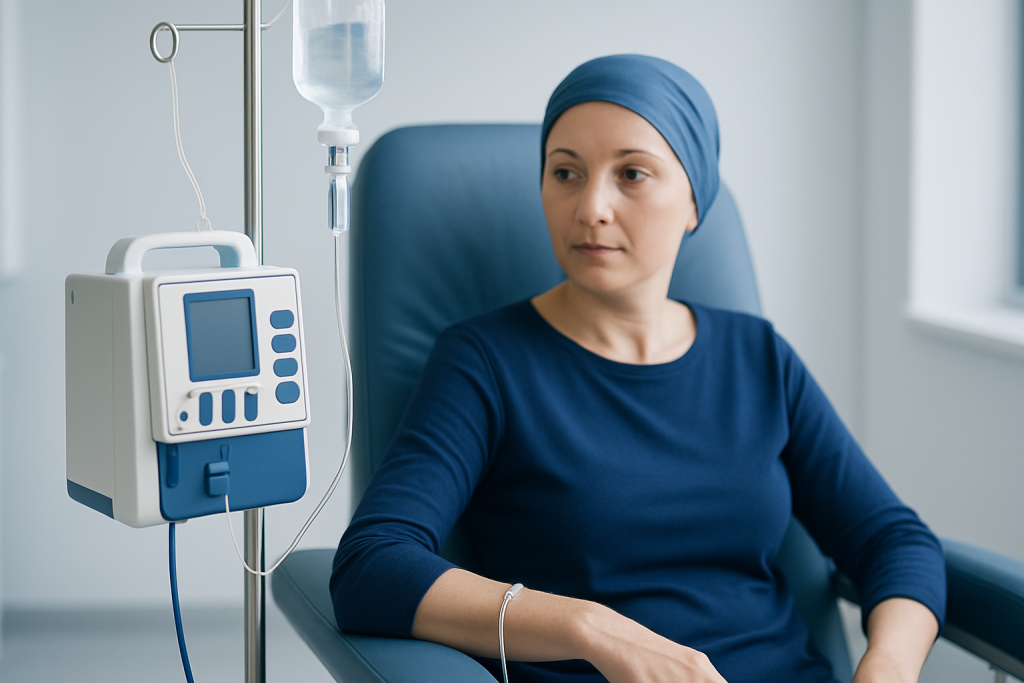
Whether chemotherapie is appropriate depends on the specific cancer and its biological features. Some cancers are especially sensitive to chemotherapy, while others may respond better to surgery, radiation, targeted medicines or immunotherapy. For many people, the most effective approach combines more than one treatment type.
Before recommending treatment, the oncology team considers imaging results, biopsy findings, blood tests, cancer stage, symptoms, kidney and liver function, heart health, other medical conditions and personal treatment goals. Tumor testing may identify genetic or molecular features that influence which medicines are likely to help. Chemotherapy may be useful for both early-stage and advanced cancer, but the expected benefit and treatment intent should be discussed clearly.
People do not need to be in perfect health to receive chemotherapy. Still, some conditions may require additional monitoring, dose changes or an alternative approach. For example, existing kidney, liver, nerve or heart conditions can affect the choice of medicine. An oncologist can explain the expected benefits, possible burdens and supportive care available before treatment begins.
What Happens During Chemotherapy Treatment?
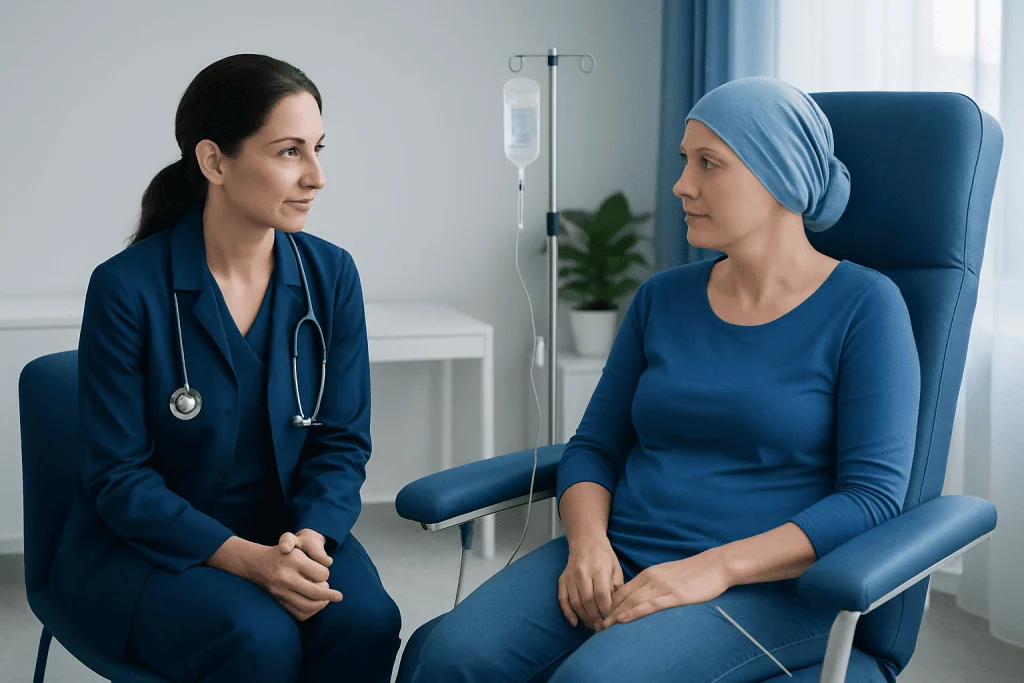
Chemotherapie is often delivered in cycles. A cycle includes treatment days followed by a rest period, which gives normal tissues time to recover. Depending on the drug and cancer type, a cycle may be weekly, every two or three weeks, monthly or follow another schedule. The total number of cycles varies, and the full plan may change according to response and tolerability.
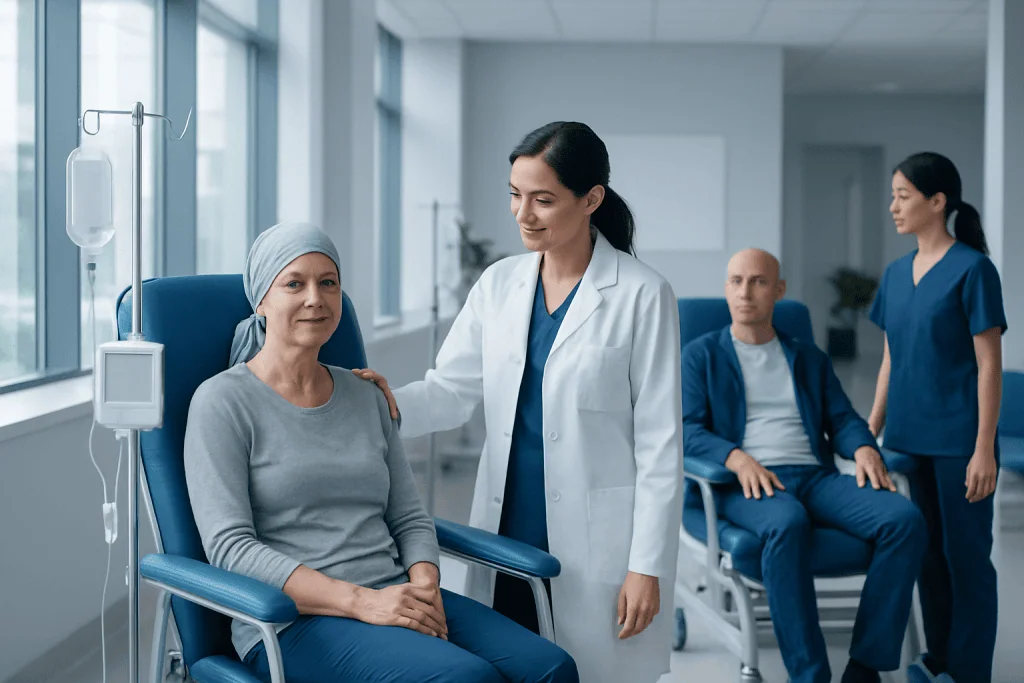
Some medicines are given through a vein at an infusion center or hospital, while others are taken as tablets or capsules at home. Intravenous treatment may be administered through a standard cannula, a central venous catheter or an implanted port. Before an infusion, the team commonly checks symptoms, weight, vital signs and blood results. Medicines to help prevent nausea, allergic reactions or other side effects may be provided before chemotherapy.
During an infusion, nursing staff monitor for discomfort or infusion reactions. Most visits are planned outpatient appointments, although some regimens require longer observation or hospital admission. After treatment, patients receive instructions about medicines, hydration, food safety, activity, infection precautions and when to contact the care team. Keeping a symptom diary can make it easier to identify patterns and tailor support.
For cancers where treatment is coordinated across specialties, chemotherapy may be combined with cancer surgery or radiation therapy. The order of treatments is chosen to fit the individual diagnosis and overall treatment goal.
Results, Benefits and Signs Chemotherapy Is Working
The potential benefit of chemotherapie depends on the cancer type and the reason it is being used. It may shrink tumors, lower the risk of recurrence after local treatment, slow the progression of advanced cancer or reduce symptoms caused by cancer. No treatment can be judged solely by how a person feels after an infusion, because side effects do not reliably show whether cancer cells are responding.
What are good signs that chemo is working? A reduction in symptoms such as pain, cough, pressure, bleeding or fatigue may be encouraging when those symptoms were caused by cancer. A tumor that can be felt may become smaller, and imaging may show that tumors have shrunk or stopped growing. However, the most dependable assessment comes from planned scans, physical examinations, blood tests and, for some cancers, tumor marker trends interpreted by the oncology team.
Response checks are usually scheduled after a defined number of cycles rather than immediately after each treatment. In some situations, stable disease is a positive result because preventing further growth can be an important treatment goal. If results suggest that a medicine is not helping enough, the team may discuss a different chemotherapy combination or another treatment approach, such as immunotherapy, when clinically appropriate.
Recovery Timeline and Common Side Effects
Recovery after each chemotherapy dose is individual. Some people can continue many usual activities with adjustments, while others need more rest and practical support. Side effects may begin on the day of treatment, develop over several days, or accumulate gradually across cycles. Blood counts often reach their lowest point, called the nadir, several days to a few weeks after treatment depending on the medicines used, then recover before the next cycle.
What week of chemo is the hardest? There is no universal hardest week. For some people, the days after the first treatment are challenging while they learn how their body responds. For others, fatigue, low blood counts or nerve symptoms become more noticeable after several cycles. The timing depends on the regimen, dose, other treatments and individual factors, so the oncology team should be told about symptoms at every visit.
When are the worst days after chemo treatment? Many people find that symptoms such as tiredness, nausea, appetite changes or body aches are strongest in the first few days after an infusion. Other effects, especially low white blood cell counts, may occur later in the cycle. The care team can explain the expected timing for the specific regimen and may prescribe medicines or suggest practical measures to reduce symptoms.
Common effects can include fatigue, nausea, vomiting, mouth soreness, taste changes, diarrhea or constipation, hair thinning or loss, skin or nail changes, and increased risk of infection. Not everyone experiences all of these effects. Early reporting is important because nausea, dehydration, pain, constipation and sleep difficulties are often easier to manage before they become severe.
What Organs Can Chemotherapy Affect?
What organ is chemo hard on? Chemotherapy does not affect one single organ in the same way for every person. Different medicines have different potential effects, and the risk is influenced by the total dose, other treatments and pre-existing health conditions. The oncology team chooses medicines carefully and monitors the organs most relevant to the treatment plan.
Some chemotherapy drugs can affect the bone marrow, which produces blood cells. This can lead to low white blood cells, anemia or low platelets. Others may affect the kidneys, liver, heart, lungs, bladder, nerves, hearing or reproductive organs. These risks are not inevitable, and many are reduced through dose planning, protective medicines, hydration, laboratory monitoring and timely treatment changes.
Blood tests may be performed before each cycle to assess blood counts, liver function and kidney function. Depending on the drugs used, the team may also arrange heart tests, hearing checks, urine tests or nerve assessments. Patients should tell their care team about any new numbness, tingling, shortness of breath, swelling, chest symptoms, reduced urination, hearing changes or persistent pain.
Self-Care, Safety and When to Seek Medical Care
Supportive care is an important part of chemotherapie. Patients are generally advised to take prescribed anti-nausea medicines as directed, drink enough fluids if permitted, choose small nourishing meals when appetite is low, rest when needed and maintain gentle activity when they feel able. Careful hand hygiene, avoiding close contact with people who are unwell, and following food-safety guidance can lower infection risk when immune defenses are reduced.
It is important to ask the oncology team before using vitamins, herbal products, over-the-counter medicines or supplements, as some may interact with cancer treatment. Dental work, vaccinations, travel and fertility plans should also be discussed in advance. People who may wish to have children in the future can ask about fertility preservation before treatment starts, as some chemotherapy medicines can affect fertility.
When to seek medical care: Patients should contact their oncology team promptly for a fever at or above the temperature threshold they were given, chills, signs of infection, uncontrolled vomiting or diarrhea, inability to drink fluids, severe mouth sores, unusual bleeding or bruising, worsening pain, new confusion, or symptoms that are concerning. Emergency care is needed for chest pain, severe shortness of breath, fainting, facial or throat swelling, or a severe allergic reaction.
At Acibadem International, multidisciplinary specialists in JCI-accredited hospitals assess and treat cancer for international patients, coordinating chemotherapy and supportive care with other appropriate services. Regular communication with the care team helps ensure that symptoms, priorities and treatment decisions are addressed throughout the process.
Frequently asked questions
Is chemotherapie the same as chemotherapy?
Yes. Chemotherapie is the German spelling of chemotherapy, a treatment that uses medicines to treat cancer. In English-language clinical settings, it is usually called chemotherapy or chemo.
How long does a chemotherapy session take?
The length of an appointment depends on the drugs, route of administration and any medicines given beforehand. Some treatments take a short time, while others take several hours or may require a longer visit. The oncology team can provide a schedule for the specific regimen.
Can chemotherapy be stopped if side effects are difficult?
Patients should not stop treatment or change medicines without speaking to their oncology team. Many side effects can be improved with supportive treatments, dose adjustments or changes in scheduling. If side effects are serious, the team may pause treatment or recommend another option.
Does hair always fall out during chemotherapy?
No. Hair loss depends on the specific chemotherapy drugs, their doses and the treatment schedule. Some regimens cause complete hair loss, some cause thinning, and others do not usually affect hair. The care team can explain what is expected with the prescribed medicines.
Can a person work during chemotherapie?
Some people are able to work during treatment, sometimes with reduced hours or flexible arrangements. Others need more time away because of fatigue, appointments or side effects. Planning ahead with the care team, employer and support network can help make work decisions more manageable.
How long do chemotherapy side effects last after treatment ends?
Many short-term effects, such as nausea and lowered blood counts, improve in the weeks after treatment ends. Fatigue, hair regrowth and changes in taste may take longer to settle. Some effects, including nerve symptoms or organ-related changes, can persist, so follow-up care remains important.
References
- National Cancer Institute
- American Cancer Society
- European Society for Medical Oncology
- World Health Organization
- National Health Service
This article is for general information only and is not a substitute for professional medical advice. Please consult a qualified doctor about your individual situation.
Hair transplant in Turkey — costs, graft counts & a free assessment
JCI-accredited · board-certified surgeons · reply within 24h
Add us as a Preferred Source to see more of our trusted health content across Google Search, AI Overviews and Discover.