Chemotherapy Before You Start: How to Prepare and What to Bring

Preparing for chemotherapy includes medical planning, practical arrangements, and emotional support. Patients should confirm medications, allergies, appointments, and any instructions from their oncology team before treatment starts.
Key Takeaways
- Preparing for chemotherapy includes medical planning, practical arrangements, and emotional support.
- Patients should confirm medications, allergies, appointments, and any instructions from their oncology team before treatment starts.
- Comfort items, snacks, hydration, and entertainment can make infusion visits easier.
- Support at home is important, especially during the first few days after treatment.
- Any fever, worsening symptoms, dehydration, or severe side effects should be reported promptly to a doctor.
Chemotherapy preparation can make the first treatment day feel more manageable and less stressful. Knowing what to expect, what to bring, and how to plan ahead helps patients focus on comfort, safety, and recovery.
Overview: why preparation matters before chemotherapy
Chemotherapy is a common cancer treatment that uses medicines to destroy cancer cells or slow their growth. It may be given alone or along with surgery, radiation therapy, targeted therapies, immunotherapy, or hormone treatment. Because chemotherapy affects the whole body in different ways, preparing in advance can help patients feel more confident and better supported.
Preparation does not remove every uncertainty, but it can reduce practical stress on treatment day. It helps patients understand the schedule, possible side effects, eating and drinking needs, and when to ask for help. It also gives families and caregivers a chance to plan transportation, meals, child care, work leave, and home support.
Every chemotherapy plan is different. The medicines used, how often they are given, and how long each session takes depend on the type of cancer, treatment goals, overall health, and blood test results. The oncology team will explain the plan and provide specific instructions. General preparation is still useful, but the treating team’s advice should always come first.
What to discuss with the oncology team before treatment starts
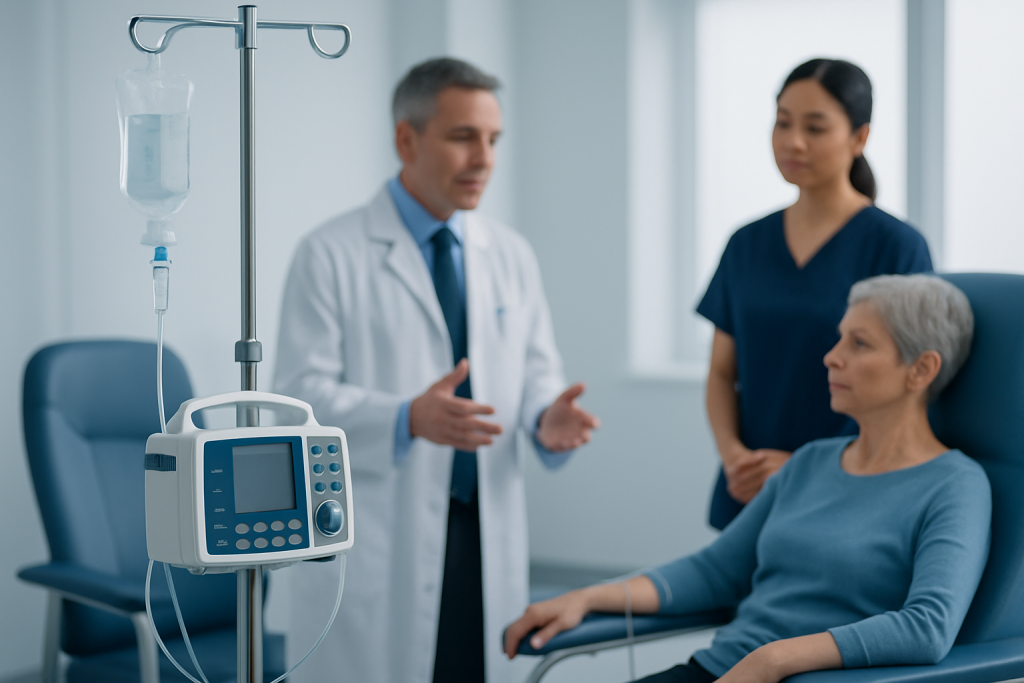
Before the first session, it is helpful for patients to ask how the treatment will be given, how long each appointment may take, and what side effects are most likely with their specific medicines. They should also ask about blood tests, eating beforehand, hydration, activity, work, driving, sexual health, fertility concerns, and whether vaccinations or dental procedures should be delayed.
A complete medication review is important. Patients should tell the team about prescription medicines, over-the-counter pain relievers, herbal products, vitamins, supplements, and any recent antibiotics. Some products can interact with chemotherapy or increase bleeding risk. Allergies, prior reactions to medicines, and existing conditions such as heart disease, kidney disease, diabetes, or infection should also be discussed.
In some cases, the team may recommend steps before treatment begins, such as fertility preservation, a dental check, vaccinations, or placement of a venous access device. For patients who will receive infusions over time, a doctor may discuss options such as port catheter insertion to make repeated treatment easier and help protect smaller veins.
Patients may also want to ask who to call after hours, what symptoms need urgent attention, and whether they should keep a treatment notebook. Writing down questions before appointments and bringing a family member or friend can make it easier to remember key information.
How to prepare the body and home in the days before chemotherapy
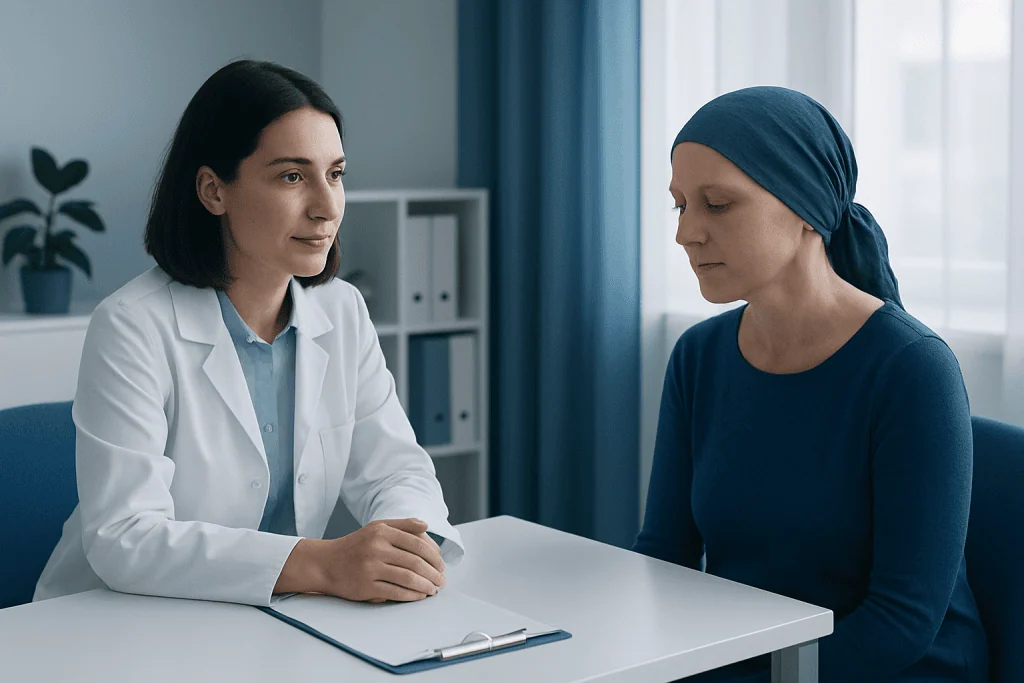
In the days leading up to chemotherapy, rest, regular meals, and good hydration can support overall well-being. Patients do not need a perfect routine, but it can help to eat simple balanced meals, drink fluids regularly unless instructed otherwise, and avoid heavy alcohol use. Gentle activity such as walking may help maintain energy and reduce stress if the doctor agrees.
Many people find it useful to prepare the home before treatment begins. Easy-to-digest foods, soups, snacks, water, and oral care items can be stocked in advance. It may also help to set up a comfortable recovery area with blankets, lip balm, tissues, a thermometer, and a list of important phone numbers. Planning ahead is especially helpful if fatigue, nausea, or reduced appetite develop after treatment.
Practical arrangements can make the first week smoother. Patients may want to organize transportation, ask for help with shopping or meals, and adjust work or family schedules. If young children or older relatives depend on the patient, arranging extra support ahead of time can reduce pressure during recovery days.
If hair loss is expected with a specific chemotherapy plan, some people choose to cut their hair shorter in advance or explore scarves, hats, or wigs. Others may ask about scalp cooling where available. These decisions are personal, and there is no single right choice.
What to bring to a chemotherapy appointment
A chemotherapy bag does not need to be large, but a few essentials can make the visit much more comfortable. Important items usually include identification, insurance or hospital documents if needed, a current medication list, and the contact details of the oncology team. It is also wise to bring water, a light snack if permitted, and any medicines the team has asked the patient to take that day.
Because infusion rooms can feel cool and treatment may take several hours, comfort items are often useful. Patients commonly bring a sweater or soft layers, warm socks, a small blanket, lip balm, tissues, hand sanitizer, and headphones. Books, music, downloaded films, puzzles, or a phone charger can help pass the time.
Some patients bring a notebook to record symptoms, questions, and instructions. This can be very helpful during the first cycle, when many details are new. If nausea is a concern, bland snacks and water may be easier to tolerate than heavy foods. However, food policies differ by clinic, so it is best to check in advance.
A simple checklist may include:
- Photo identification and appointment information
- Medication and allergy list
- Water bottle and approved snacks
- Comfortable loose clothing
- Sweater, socks, or blanket
- Phone, charger, headphones, or reading material
- Notebook with questions and symptom notes
- A trusted companion, if allowed and desired
What to expect on the first day of chemotherapy
The first chemotherapy session often includes several steps before treatment begins. Patients may have blood tests, weight and vital sign checks, and a review of symptoms since the last visit. The oncology nurse or doctor will confirm that it is safe to proceed and explain the medicines being given that day. Some patients receive anti-nausea drugs or other supportive medicines before chemotherapy starts.
Chemotherapy may be given through a vein, by injection, by tablet, or through another method depending on the treatment plan. Intravenous treatment may be delivered through a standard IV line or a port. Infusion times vary widely. Some appointments last less than an hour, while others take much longer. Patients are usually monitored during treatment for comfort and any early reactions.
It is normal to feel anxious before the first session. Many people are surprised to find that the day is slower and more structured than they expected. Nurses can help with questions about eating, using the restroom during infusion, managing discomfort, and planning for the trip home. Wearing clothes with easy access to the arm or chest can also be helpful.
In broader cancer care, chemotherapy may be one part of a larger treatment plan that can also involve medical oncology, surgery, or radiation oncology. The team will explain how each part fits together and what follow-up appointments are needed.
Managing side effects and caring for yourself after treatment
Side effects vary from person to person and depend on the specific medicines used. Some patients feel well after treatment, while others develop fatigue, nausea, changes in taste, constipation, diarrhea, mouth soreness, or low appetite. Side effects do not always start right away; some appear later in the day or over the next several days. Keeping track of symptoms can help the team adjust supportive care.
Following the oncology team’s instructions about hydration, meals, anti-nausea medicines, and rest is important. Small frequent meals may be easier than large ones. Gentle activity can help some people, but extra rest may be needed. Good hand hygiene, careful food safety, and avoiding exposure to illness are also important because some chemotherapy medicines can lower immunity.
Patients should use only the medicines and supplements their doctor has approved. New over-the-counter products, herbal preparations, or home remedies should not be started without asking the oncology team. If hair loss, skin sensitivity, or mouth soreness occurs, the team can suggest safe supportive care measures.
Some cancers are treated with chemotherapy alongside other therapies, and the plan may evolve over time. Patients who are learning about their condition may also see information related to colon cancer or breast cancer as examples of cancers where chemotherapy can be part of treatment, depending on the stage and individual situation.
When to contact a doctor urgently
Patients should know in advance which symptoms need immediate medical advice. The most important warning signs commonly include fever, chills, shortness of breath, chest pain, confusion, severe weakness, persistent vomiting, signs of dehydration, uncontrolled diarrhea, unusual bleeding, or severe pain. Because chemotherapy can lower blood counts, even a fever may need urgent assessment.
It is also important to call the oncology team if there is redness, swelling, leakage, or pain around an IV site or port; mouth sores that prevent drinking; inability to keep fluids down; or constipation or diarrhea that becomes severe. New rash, swelling of the face, or trouble breathing after treatment may signal an allergic or infusion reaction and should be addressed immediately.
Patients should not wait until the next routine appointment if something feels significantly worse than expected. Cancer teams are used to answering these questions and would usually prefer to hear from patients early. Quick communication can often prevent a small problem from becoming more serious.
Near the end of treatment planning, some patients seek care in centers that coordinate multiple specialties. Acibadem International’s multidisciplinary specialists and JCI-accredited hospitals diagnose and treat cancer for international patients, including chemotherapy planning and supportive care when appropriate.
Frequently asked questions
Should a patient eat before chemotherapy?
In many cases, yes, a light meal or snack before chemotherapy can help prevent weakness or nausea. However, instructions vary depending on the medicines being used and the patient’s condition, so the oncology team’s advice should always be followed.
What is the best clothing to wear to chemotherapy?
Loose, comfortable clothing is usually best. Layers are helpful because infusion rooms may feel cool, and tops that allow easy access to the arm or chest can make treatment more convenient.
Can someone drive home after chemotherapy?
Some patients can drive, but others may feel tired, weak, anxious, or drowsy from supportive medicines. For the first treatment especially, arranging a ride is often the safest and most reassuring option.
What if a patient feels fine after the first treatment?
Feeling well after the first session can happen and does not mean the treatment is not working. Side effects vary widely and may appear later in the cycle, so patients should still follow care instructions and monitor for any concerning symptoms.
Should vitamins or herbal supplements be stopped before chemotherapy?
Some supplements can interfere with chemotherapy or increase side effects, but the answer depends on the product and the treatment plan. Patients should show their doctor a full list of vitamins, herbs, teas, and over-the-counter products before starting treatment.
How can family members help someone preparing for chemotherapy?
Family and friends can help by providing transport, preparing meals, picking up medicines, taking notes during appointments, and offering emotional support. Practical help in the first few days after treatment is often especially valuable.
References
- National Cancer Institute
- American Cancer Society
- National Health Service
- American Society of Clinical Oncology
- Centers for Disease Control and Prevention
This article is for general information only and is not a substitute for professional medical advice. Please consult a qualified doctor about your individual situation.
Chemotherapy in Turkey — costs, top hospitals & a free quote
JCI-accredited · board-certified surgeons · reply within 24h
Add us as a Preferred Source to see more of our trusted health content across Google Search, AI Overviews and Discover.

Medical Oncology Department
Medical treatment of cancer with chemotherapy, immunotherapy and targeted therapies under a multidisciplinary tumor board.
60 specialists in this unit