Chemotherapy Brain Fog: How It Works, Results and What to Expect

Chemotherapy brain fog can affect attention, short-term memory, organization and the speed of thinking. Cancer treatment is one possible contributor, alongside fatigue, sleep disruption, emotional stress, pain, anemia and hormone changes.
Key Takeaways
- Chemotherapy brain fog can affect attention, short-term memory, organization and the speed of thinking.
- Cancer treatment is one possible contributor, alongside fatigue, sleep disruption, emotional stress, pain, anemia and hormone changes.
- Most people notice gradual improvement after treatment, although some cognitive changes may last longer.
- Practical routines, physical activity, sleep support and cognitive rehabilitation can help people manage symptoms.
- New, sudden or worsening confusion should be assessed promptly because it may have causes other than chemo brain.
Chemotherapy brain fog, often called chemo brain, describes changes in concentration, memory, word-finding and mental processing that can occur during or after cancer treatment. Symptoms are real, vary from person to person and often improve over time, especially when contributing factors are identified and managed.
Chemotherapy Brain Fog: Overview
Chemotherapy brain fog is a common term for cognitive changes that may arise during or after cancer treatment. A person may feel mentally slower than usual, lose their train of thought, have trouble finding a familiar word or need more time to organize tasks. Clinicians may call this cancer-related cognitive impairment because it can be linked to more than chemotherapy alone.
The experience is genuine and can affect work, family responsibilities, confidence and daily routines. It does not mean that a person is not trying hard enough or that they will develop dementia. For many people, symptoms are mild and improve gradually; for others, they require structured support from the oncology team and, when appropriate, specialists in rehabilitation, neurology or psychology.
Chemo brain is best understood as a symptom pattern rather than a single disease or a procedure with one predictable result. An individual assessment helps distinguish treatment-related effects from other manageable causes, such as poor sleep, low mood, medication side effects, thyroid problems or nutritional deficiencies.
How Chemotherapy Brain Fog Works
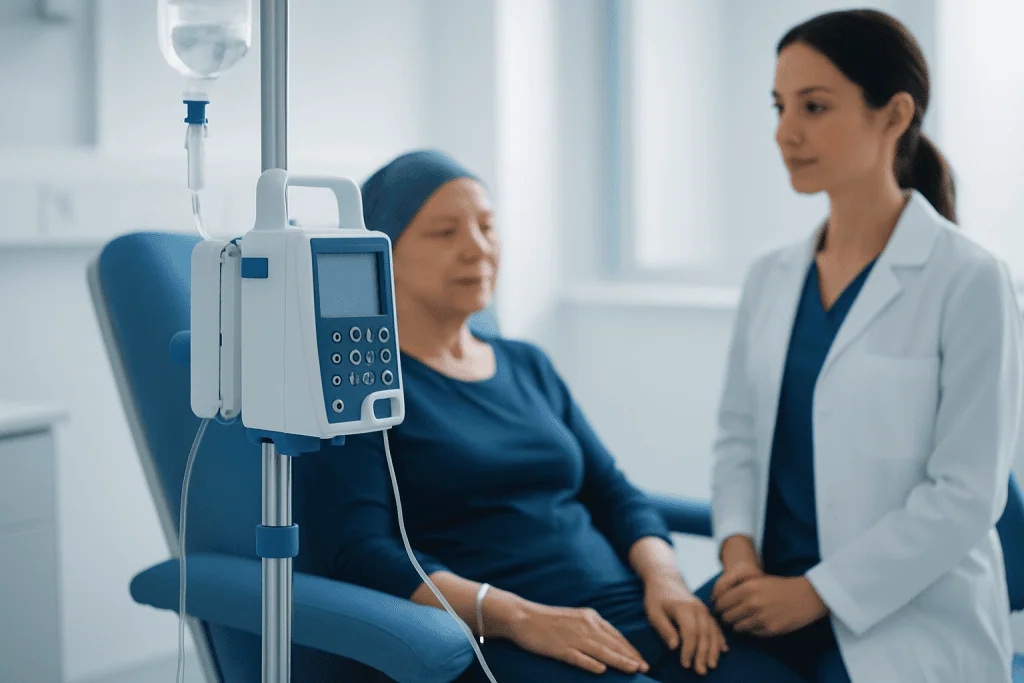
Researchers are still clarifying exactly why chemotherapy brain fog develops. Some cancer medicines may affect brain function directly or indirectly through inflammation, changes in blood vessels or effects on cells involved in attention and memory. However, cognitive symptoms can also occur before chemotherapy begins and after other treatments, showing that cancer itself and the overall treatment experience can play a role.
Fatigue, pain, nausea, infection, anemia, dehydration, anxiety, depression and disturbed sleep can all make thinking feel more difficult. Medicines used alongside cancer treatment, including some anti-nausea medicines, pain medicines or sleep medicines, may also contribute. In some people, hormonal treatment or early menopause related to treatment can influence cognition.
Symptoms often fluctuate. A person may think clearly on one day but struggle when tired, stressed, unwell or trying to manage several tasks at once. Tracking when symptoms occur can help the care team identify patterns and choose useful adjustments.
- Attention may be harder to sustain, particularly in busy environments.
- Short-term memory and recall of names, appointments or recent conversations may be affected.
- Planning, multitasking and switching between tasks can take more effort.
- Word-finding and processing speed may feel slower than before treatment.
Who May Experience It and How It Is Assessed

Anyone receiving cancer treatment can experience cognitive changes, although not everyone does. Risk may be influenced by the type and intensity of treatment, older age, previous neurological conditions, low cognitive reserve, sleep difficulties, emotional distress and other medical illnesses. A previous history of attention, memory or mood concerns can also be relevant.
Assessment begins with a discussion of the symptoms: when they started, what activities they affect, whether they are changing and which medicines or treatments are being used. The oncology team may ask about sleep, mood, fatigue, pain, alcohol use, nutrition and recent infections. Blood tests or other investigations may be considered if symptoms suggest anemia, thyroid disease, vitamin deficiency, metabolic changes or another medical cause.
Brief cognitive screening tools may be used, and some people benefit from formal neuropsychological assessment. This more detailed testing can identify specific strengths and difficulties and guide rehabilitation strategies. Brain imaging is not routinely needed for typical mild chemo brain symptoms, but it may be appropriate when there are concerning neurological signs or a different diagnosis needs to be excluded.
What to Expect During and After Treatment
There is no single step-by-step treatment pathway for chemotherapy brain fog because symptoms and contributing factors differ. During an oncology appointment, the person should describe specific examples, such as missed doses of medication, errors at work or difficulty following conversations. The team can then review treatment timing, supportive medicines and physical or emotional symptoms that may be making cognition worse.
Care commonly focuses on addressing reversible factors first. This may include treating anemia or infection, improving nausea and hydration, reviewing medications, supporting sleep, managing pain and treating anxiety or depression. Changes to cancer treatment are considered carefully and only when clinically appropriate, balancing cognitive symptoms with the benefit of controlling the cancer.
If symptoms persist or interfere with independence, referral for occupational therapy, cognitive rehabilitation, neuropsychology or counseling may be helpful. Cognitive rehabilitation uses practical exercises and compensation strategies rather than promising to restore memory immediately. It can help a person create systems that make daily life safer and more manageable.
Recovery is often gradual rather than linear. Setting realistic expectations, pacing demanding activities and involving trusted family members or friends can reduce the pressure to perform as before while the body and mind recover.
How Long Does It Take for Chemo Brain Fog to Go Away?
For many people, chemotherapy brain fog begins to ease in the months after treatment ends. Some notice improvement within weeks, while others recover more gradually over a year or longer. The timeline depends on the cancer type, treatments received, other health conditions and whether fatigue, sleep problems, hormonal changes or emotional distress continue after treatment.
A smaller number of people have longer-lasting cognitive symptoms. Persistent symptoms do not mean improvement is impossible; they are a reason to discuss a tailored assessment and rehabilitation plan with a clinician. Comparing progress over several weeks or months is usually more useful than judging one difficult day.
Ongoing cancer treatment, such as hormonal therapy or targeted therapy, can also influence the recovery timeline. Regular review with the oncology team can help clarify what is expected, what may be treatable and when further evaluation is needed.
How to Get Rid of Chemo Brain Fog?
There is no instant cure, but many practical approaches can reduce the impact of chemotherapy brain fog. The most effective plan usually combines management of medical contributors with simple routines that reduce cognitive load. A person should discuss persistent symptoms with their oncology team rather than stopping any prescribed cancer medicine on their own.
Helpful strategies include using one calendar for appointments, setting phone reminders, writing down instructions, keeping frequently used items in the same place and completing one task at a time. Breaking complex tasks into short steps, taking planned rest breaks and choosing the time of day when energy is best for important decisions can also help.
Regular, appropriate physical activity can support sleep, mood, energy and cognitive function. The type and intensity should be agreed with the treatment team, particularly after surgery or during active therapy. Gentle walking, stretching or supervised rehabilitation may be suitable starting points for some people.
- Prioritize regular sleep and seek help for insomnia, snoring or daytime sleepiness.
- Eat regularly, drink enough fluids and report ongoing nausea, weight loss or poor appetite.
- Limit multitasking, excess alcohol and sedating non-prescription products where possible.
- Ask about cognitive rehabilitation, occupational therapy or counseling if symptoms affect work or home life.
Does Chemo Brain Get Worse Over Time?
Chemo brain does not necessarily worsen over time. Symptoms often vary with treatment cycles, fatigue, stress and sleep quality, and many people improve after treatment is completed. A temporary worsening may occur during periods of active treatment, illness or major life demands.
However, steadily worsening memory problems, new disorientation or marked changes in behavior should not automatically be attributed to chemotherapy brain fog. These symptoms may have another cause, such as infection, a medication effect, metabolic imbalance, depression, stroke or cancer-related neurological involvement, and they need timely medical assessment.
Keeping a brief symptom record can be useful. Note the date, severity, sleep, medication changes and any associated symptoms. This information gives the healthcare team a clearer picture than memory alone and can support appropriate decisions about testing or referrals.
What Supplements Can Help With Chemo Brain Fog?
There is not enough strong evidence to recommend a specific supplement as a proven treatment for chemotherapy brain fog. Some supplements can interact with chemotherapy, hormonal therapy, blood thinners or other medicines, and antioxidant or herbal products may not be appropriate during certain treatments. A person should check with their oncologist or oncology pharmacist before starting any supplement.
Testing may identify a correctable deficiency, such as vitamin B12, folate, iron or vitamin D deficiency. In that situation, a clinician may recommend replacement as part of the wider care plan. Taking high doses without evidence of deficiency is not a reliable strategy for cognitive symptoms and may cause harm.
A varied diet with adequate protein, fruits, vegetables, whole grains and healthy fats supports general recovery, but it should not be presented as a substitute for medical assessment. A registered dietitian with oncology experience can offer individualized guidance when appetite, weight or treatment side effects make eating difficult.
When to Seek Medical Care
A person should contact their oncology team when cognitive symptoms are new, persistent, getting worse or interfering with medication safety, driving, work or independent daily activities. It is especially important to report symptoms that begin after a new medicine, coincide with severe fatigue or poor sleep, or occur alongside depression or anxiety.
Urgent medical care is needed for sudden confusion, trouble speaking, new weakness or numbness on one side, a severe sudden headache, seizure, fainting, fever with feeling unwell, or a major change in consciousness. These are not typical symptoms to manage as routine chemo brain and require prompt assessment.
Acibadem International’s multidisciplinary specialists and JCI-accredited hospitals support international patients with cancer-related symptoms through coordinated oncology, rehabilitation and supportive-care assessment. The best next step is an individualized discussion with a qualified clinician who knows the person’s diagnosis, treatment plan and overall health.
Frequently asked questions
Is chemotherapy brain fog a real condition?
Yes. Cognitive changes during or after cancer treatment are recognized by healthcare professionals and may affect memory, concentration, organization and processing speed. The causes are often multifactorial, so assessment can help identify treatable contributors.
Can chemo brain happen without chemotherapy?
Yes. Similar cognitive symptoms can occur with cancer itself, surgery, radiation, hormonal therapy, immunotherapy, fatigue, sleep disturbance and emotional stress. For this reason, clinicians often use the broader term cancer-related cognitive impairment.
Should a person stop chemotherapy if they develop brain fog?
No one should stop or change cancer treatment without speaking to their oncology team. The team can assess symptom severity, review possible contributing factors and discuss safe options while considering the expected benefits of treatment.
Can exercise help with chemotherapy brain fog?
Appropriate physical activity may support cognition indirectly by improving fatigue, mood, sleep and overall function. The exercise plan should be adapted to the person’s energy level, cancer treatment and physical condition.
Is brain imaging needed for chemo brain?
Brain imaging is not usually necessary for mild, typical cognitive symptoms. It may be recommended if symptoms are sudden, severe, progressive or accompanied by neurological warning signs that could suggest another cause.
Can chemotherapy brain fog affect work or driving?
It can affect tasks requiring sustained attention, quick decisions, multitasking or memory. A person who feels unsafe driving, managing machinery or handling complex work tasks should discuss practical adjustments with their healthcare team and employer where appropriate.
References
- National Cancer Institute
- American Cancer Society
- American Society of Clinical Oncology
- Centers for Disease Control and Prevention
- Cancer Research UK
This article is for general information only and is not a substitute for professional medical advice. Please consult a qualified doctor about your individual situation.
Chemotherapy in Turkey — costs, top hospitals & a free quote
JCI-accredited · board-certified surgeons · reply within 24h
Add us as a Preferred Source to see more of our trusted health content across Google Search, AI Overviews and Discover.

Medical Oncology Department
Medical treatment of cancer with chemotherapy, immunotherapy and targeted therapies under a multidisciplinary tumor board.
60 specialists in this unit