Chemotherapy Induced Nausea and Vomiting Cinv: How It Works, Results and What to Expect

CINV is common but is not something a person should simply endure; preventive treatment is available. The likelihood and timing of nausea depend on the chemotherapy medicines, dose, schedule, and personal factors.
Key Takeaways
- CINV is common but is not something a person should simply endure; preventive treatment is available.
- The likelihood and timing of nausea depend on the chemotherapy medicines, dose, schedule, and personal factors.
- Anti-nausea medicines work best when taken exactly as prescribed, including before symptoms begin.
- Vomiting during cancer treatment can have causes other than chemotherapy, such as infection, constipation, bowel blockage, or medicines.
- Persistent vomiting, dehydration, severe abdominal pain, fever, or vomit that looks like blood needs prompt medical assessment.
Chemotherapy induced nausea and vomiting (CINV) is a treatment-related side effect that may occur before, during, or after chemotherapy. Modern anti-nausea medicines can prevent or lessen CINV for many people when selected according to the chemotherapy regimen and individual risk factors.
Overview: How CINV Works
Chemotherapy induced nausea and vomiting (CINV) happens when anticancer medicines activate pathways between the digestive tract and the vomiting center in the brain. Some chemotherapy medicines are more likely to cause nausea and vomiting than others. Symptoms may begin within the first 24 hours after treatment, called acute CINV, or develop later, called delayed CINV.
CINV is not a measure of whether chemotherapy is effective. It is a side effect that should be discussed early with the oncology team, because prevention is usually more successful than trying to control severe symptoms after they start. Treatment plans are individualized according to the chemotherapy regimen, previous symptoms, other medicines, and medical history.
Nausea can be persistent even without vomiting. Some people also experience anticipatory nausea, which occurs before a chemotherapy appointment after difficult symptoms during earlier cycles. This is a real learned response and can be addressed with preventive medicines, supportive strategies, and timely communication with the cancer care team.
Who Is More Likely to Need Prevention?
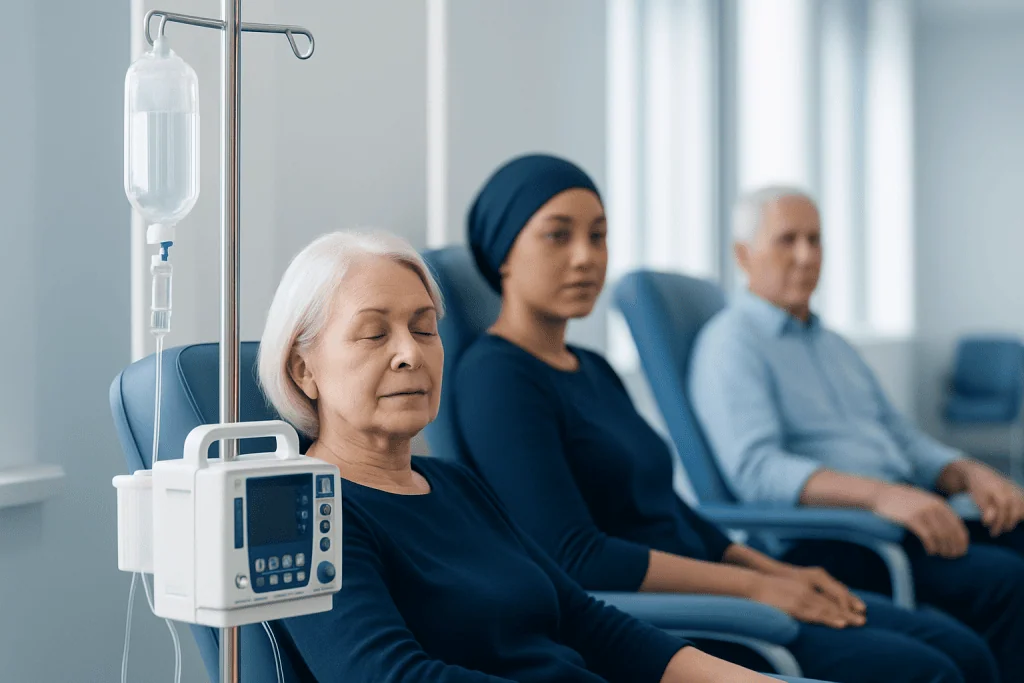
Every person receiving chemotherapy should have their risk of CINV assessed before treatment. The main factor is the emetogenic potential of the chemotherapy regimen, meaning how likely it is to cause vomiting without preventive treatment. Regimens are generally grouped as high, moderate, low, or minimal risk.
Individual factors also matter. CINV may be more likely in people who are younger, have had motion sickness or nausea during pregnancy, have experienced CINV before, or tend not to drink alcohol regularly. Anxiety, inadequate nausea prevention during a prior cycle, and some additional medicines can also contribute.
Risk can change over time. A person who had good control during one cycle may need a different approach later, while someone who had breakthrough nausea may need an adjusted prevention plan before the next treatment. Keeping a short symptom record, including timing, foods tolerated, and medicines taken, can help the oncology team refine care.
Step-by-Step: Prevention and Treatment During Chemotherapy
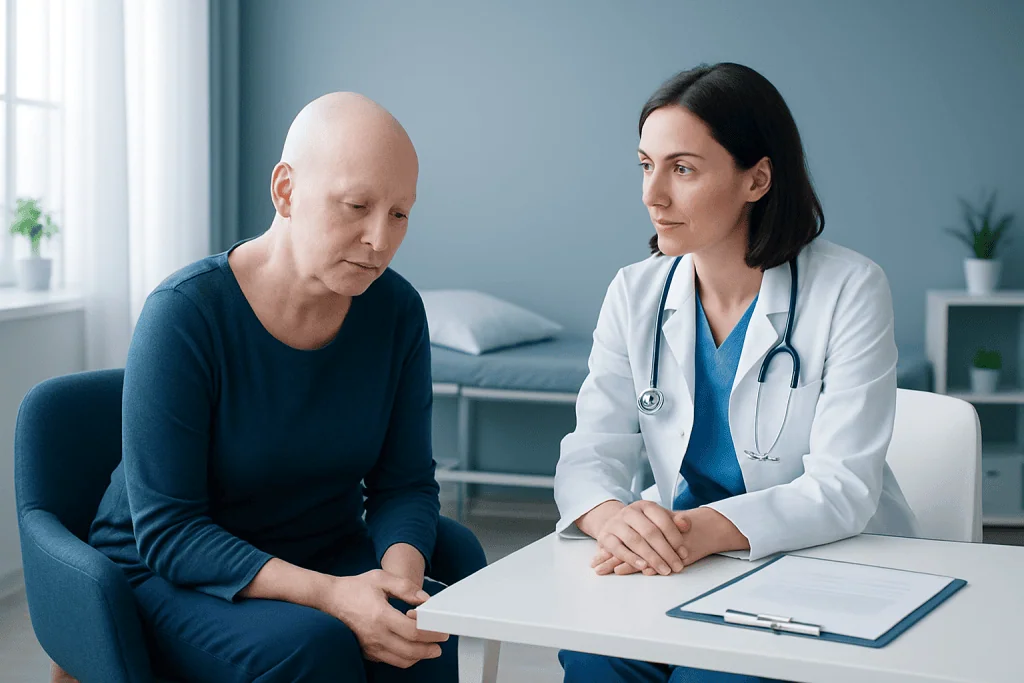
Before chemotherapy begins, the oncology clinician reviews the planned regimen and the person’s health history. Based on this assessment, the team prescribes one or more antiemetic medicines. These may target serotonin, neurokinin-1, dopamine, or steroid-responsive pathways involved in nausea and vomiting. The medicines may be given by mouth, intravenously, through a skin patch, or by another suitable route.
For chemotherapy with a higher risk of CINV, preventive medicines are commonly started before the infusion and continued for a defined period afterward. The exact combination varies. A person should follow the written schedule carefully, even if they feel well, because delayed nausea can occur after they leave the treatment center.
If nausea or vomiting occurs despite prevention, this is called breakthrough CINV. The care team may prescribe a rescue medicine from a different drug class, review possible triggers, and modify the plan for future cycles. Clinicians also consider other explanations, including constipation, reflux, pain medicines, infection, metabolic changes, or progression-related complications.
Acibadem International’s multidisciplinary specialists and JCI-accredited hospitals support international patients receiving cancer care, including symptom assessment and individualized supportive treatment throughout chemotherapy.
Benefits, Limits, and Possible Risks of Antiemetic Treatment
The main benefit of CINV prevention is improved comfort and the ability to drink fluids, eat as tolerated, rest, and continue planned treatment. Effective symptom control may also reduce the risk of dehydration and avoidable emergency visits. Complete prevention is not always possible, but many people obtain meaningful relief with a well-matched medicine plan.
Anti-nausea medicines can cause side effects. Depending on the medicine, these may include headache, constipation, diarrhea, tiredness, dizziness, dry mouth, changes in appetite, or sleep disturbance. Some medicines can interact with other prescriptions or affect heart rhythm in susceptible individuals, so the oncology team should know about all medicines, supplements, and relevant heart conditions.
A person should not stop prescribed antiemetic medicines or add over-the-counter products without speaking with the cancer team. The best choice depends on the chemotherapy regimen, other health conditions, and the pattern of symptoms. If a medicine does not provide enough relief, an alternative or additional option may be appropriate.
What to Expect After Treatment and Self-Care at Home
The recovery timeline depends on the chemotherapy medicines used. Acute symptoms tend to occur on the day of treatment or within 24 hours, while delayed symptoms can appear over the following several days. The oncology team usually provides a medication plan that specifies which medicines to take on treatment day and at home afterward.
Small, frequent meals may be easier than large meals. Bland or cool foods, regular sips of clear fluids, and avoiding strong smells, very fatty foods, or foods that are difficult to digest may help some people. Sitting upright after eating and having help with food preparation can also reduce symptom triggers. These measures support, but do not replace, prescribed anti-nausea medicines.
People are encouraged to contact their care team early if symptoms are interfering with drinking, eating, or taking medicines. Reporting the timing of nausea, number of vomiting episodes, and response to medication helps clinicians determine whether CINV prevention should be changed for the next cycle.
- Take preventive medicines on the planned schedule.
- Keep fluids nearby and take frequent small sips if tolerated.
- Record symptoms and medicines used for discussion at the next appointment.
- Ask the oncology team before using herbal remedies or non-prescription anti-nausea products.
When to Seek Medical Care
Contact the oncology team promptly if vomiting continues despite the prescribed rescue medicine, if fluids cannot be kept down, or if urine becomes very dark or infrequent. These can be signs that dehydration assessment and treatment may be needed. The care team can advise whether urgent review, medication changes, fluids, or tests are appropriate.
Urgent medical care is important for fever during chemotherapy, severe or worsening abdominal pain or swelling, confusion, fainting, severe weakness, chest pain, trouble breathing, blood in vomit, or vomit that resembles coffee grounds. These symptoms may have causes other than CINV and should not be managed at home without clinical advice.
Vomiting bile, which may look yellow-green, can occur after repeated vomiting when the stomach is empty. In a person with advanced cancer, however, it can also be associated with bowel obstruction or other serious complications, especially when there is abdominal pain, distension, constipation, or inability to pass gas. The palliative care or oncology team should be contacted without delay.
Questions People Commonly Ask About Chemotherapy Nausea
What are good signs that chemo is working? Symptoms such as nausea, tiredness, hair loss, or vomiting do not show whether chemotherapy is working. Response is assessed by the oncology team using the cancer type, physical examination, symptoms related to the cancer, blood tests when relevant, and imaging or other planned evaluations. A person should continue reporting side effects, but should not use them to judge treatment success.
Is it normal for an end-stage cancer patient to vomit bile? Bile vomiting can happen after repeated vomiting or when little food is in the stomach, but it should be assessed in an end-stage cancer patient. It may be related to medicines, infection, constipation, or a bowel obstruction. Contact the patient’s palliative care or oncology team promptly, particularly if vomiting is repeated or accompanied by pain, swelling, or inability to pass stool or gas.
What does it mean when a cancer patient starts vomiting? Vomiting can be caused by chemotherapy, radiotherapy, pain medicines, infection, constipation, anxiety, metabolic changes, or a cancer-related complication. The timing in relation to treatment and any accompanying symptoms help clinicians identify the cause. New, severe, or persistent vomiting should be reported to the cancer care team rather than assumed to be an expected effect of treatment.
Does Zofran work for chemo nausea? Zofran is the brand name for ondansetron, a serotonin-blocking antiemetic that can help prevent and treat chemotherapy-related nausea and vomiting. It is often part of a broader prevention plan, particularly for certain chemotherapy regimens, but it may not be sufficient alone for higher-risk treatment. An oncology clinician decides whether it is suitable and how it should be combined with other anti-nausea medicines.
Frequently asked questions
Can CINV begin several days after chemotherapy?
Yes. Delayed CINV can begin more than 24 hours after chemotherapy and may last for several days, depending on the medicines used. This is why an anti-nausea plan may include medicines to take after leaving the treatment center.
Should anti-nausea medicine be taken before nausea starts?
In many chemotherapy regimens, preventive anti-nausea medicine is most effective when taken before symptoms begin. The person should follow the oncology team’s schedule and ask for advice before changing it.
Can anxiety make chemotherapy nausea worse?
Anxiety can contribute to nausea and may trigger anticipatory symptoms before treatment, especially after a previous difficult experience. Relaxation techniques, counseling, and an adjusted medication plan can be helpful when discussed with the cancer care team.
What can a person eat when chemotherapy causes nausea?
Small, frequent meals and gentle foods may be easier to tolerate than large or rich meals. Cool foods, dry foods, and frequent small sips of fluid may help some people, but individual tolerances vary.
When is vomiting during chemotherapy an emergency?
Emergency assessment may be needed for vomiting with fever, severe abdominal pain, abdominal swelling, confusion, fainting, blood in vomit, chest pain, or inability to keep fluids down. The oncology team should also be contacted promptly for persistent vomiting or signs of dehydration.
Will CINV happen with every chemotherapy cycle?
Not necessarily. The risk depends on the chemotherapy regimen and the effectiveness of the prevention plan. If symptoms occurred in an earlier cycle, the oncology team can often adjust medicines before the next cycle.
References
- American Society of Clinical Oncology
- National Cancer Institute
- Multinational Association of Supportive Care in Cancer
- European Society for Medical Oncology
- National Comprehensive Cancer Network
This article is for general information only and is not a substitute for professional medical advice. Please consult a qualified doctor about your individual situation.
Chemotherapy in Turkey — costs, top hospitals & a free quote
JCI-accredited · board-certified surgeons · reply within 24h
Add us as a Preferred Source to see more of our trusted health content across Google Search, AI Overviews and Discover.

Medical Oncology Department
Medical treatment of cancer with chemotherapy, immunotherapy and targeted therapies under a multidisciplinary tumor board.
60 specialists in this unit