Cochlear Implant Surgery Video: Procedure, Recovery and Results
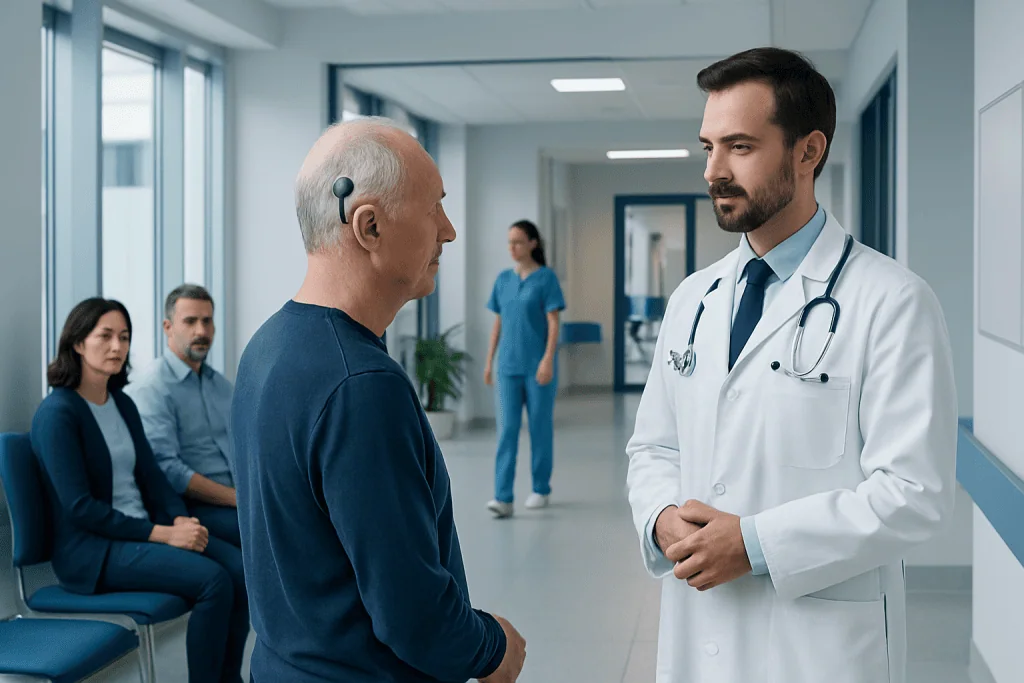
Cochlear implants do not restore natural hearing, but can provide useful access to sound and speech for eligible people with significant hearing loss. The operation is usually performed under general anesthesia and commonly takes a few hours, followed by same-day discharge or a short hospital stay.
Key Takeaways
- Cochlear implants do not restore natural hearing, but can provide useful access to sound and speech for eligible people with significant hearing loss.
- The operation is usually performed under general anesthesia and commonly takes a few hours, followed by same-day discharge or a short hospital stay.
- Most postoperative discomfort is manageable with prescribed or non-prescription pain relief, depending on the clinician's advice.
- The external sound processor is generally activated after the surgical site has healed, followed by repeated programming and hearing rehabilitation.
- Hearing benefit develops over time and depends on factors such as hearing history, nerve function, device use and rehabilitation.
A cochlear implant surgery video typically shows how an electronic device is placed beneath the skin behind the ear and connected to the inner ear to provide sound information to the hearing nerve. It can be helpful for understanding the operation, but individual recovery, hearing progress and suitability should be discussed with a cochlear implant team.
What a cochlear implant surgery video can show
A cochlear implant surgery video can make a complex procedure easier to understand. It commonly illustrates the two main components: an internal implant placed during surgery and an external sound processor worn after healing. Together, these parts bypass damaged sensory cells in the cochlea and send coded sound signals to the hearing nerve.
The video view is educational rather than a prediction of one person’s experience. Surgical approaches, anatomy, hearing history and recovery needs vary. A cochlear implant is not a hearing aid: hearing aids amplify sound, while an implant converts sound into electrical signals that can stimulate the auditory nerve.
Many people find it reassuring to know that the operation is only one part of the process. Care also includes detailed hearing assessment, imaging when needed, activation of the device, programming appointments and auditory rehabilitation. These steps help the brain learn to interpret the new sound information.
How cochlear implants work and who may be eligible
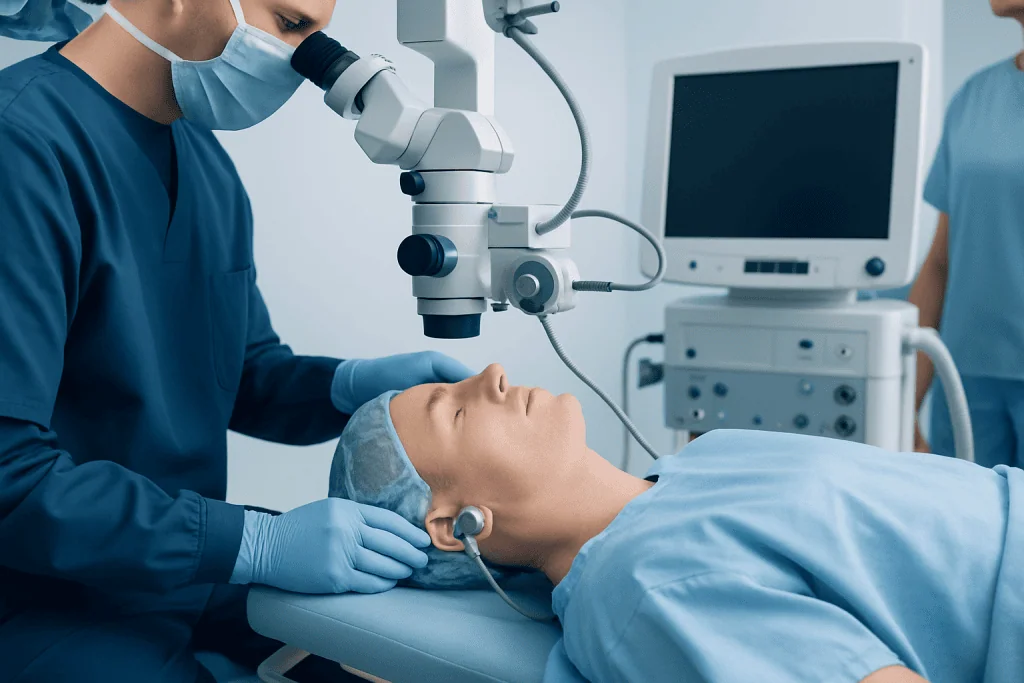
An external microphone and speech processor collect sound and convert it into digital information. A transmitter sends that information through the skin to the implanted receiver. An electrode array in the cochlea then delivers electrical stimulation to different areas of the hearing nerve, allowing the brain to perceive sound.
Candidacy is based on much more than an audiogram. Adults and children may be assessed when they have severe to profound sensorineural hearing loss and receive limited benefit from appropriately fitted hearing aids. Some people with hearing in one ear only, asymmetric hearing loss or other specific hearing patterns may also be considered, depending on local clinical criteria.
A specialist team usually includes an ear, nose and throat surgeon, audiologist and speech and language or auditory rehabilitation professional. Assessment may include hearing tests with hearing aids, medical history, ear examination, imaging scans and discussion of communication goals. The team also checks that the hearing nerve and inner-ear anatomy are suitable for implantation.
People considering this option can learn more about cochlear implant treatment as part of a full clinical assessment. Expectations are important: results may include improved awareness of environmental sounds, better speech understanding and easier communication, but outcomes differ between individuals.
Cochlear implant surgery: step by step
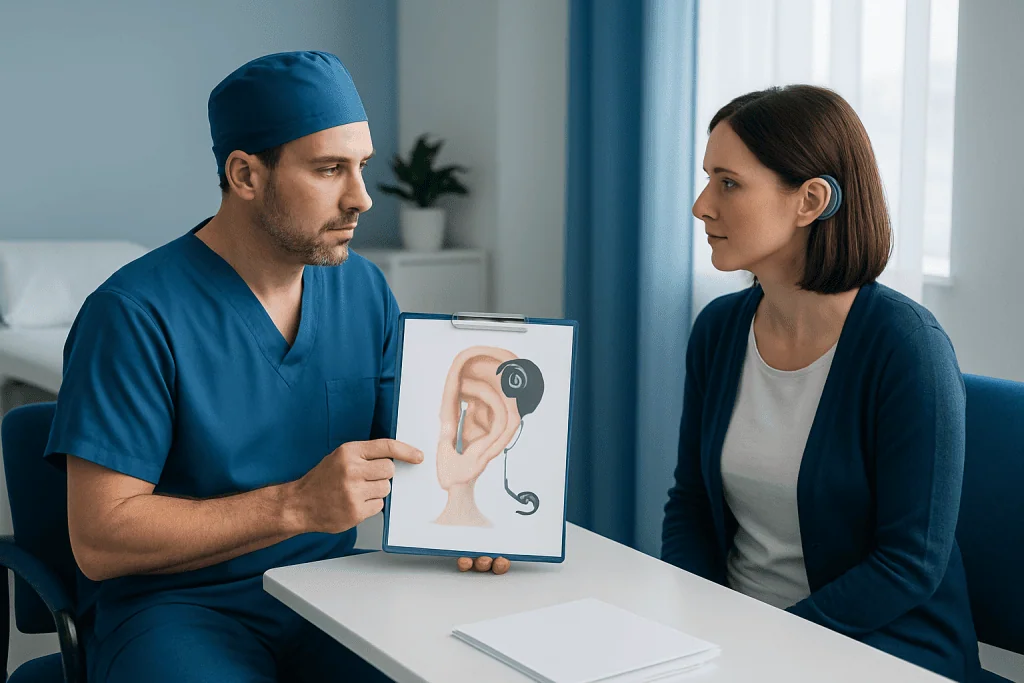
Before surgery, the patient meets the surgical and anesthesia teams, reviews medicines and fasting instructions, and has the opportunity to ask questions. The operation is performed under general anesthesia, so the patient is asleep and does not feel pain during the procedure. Hair is usually only trimmed, if needed, around the incision area behind the ear.
The surgeon makes a small incision behind the ear and creates a space in the bone for the internal receiver-stimulator. Using a microscope and fine instruments, the surgeon carefully accesses the cochlea and inserts the electrode array. The device is secured, and tests may be performed during surgery to confirm that the implant is functioning as expected.
The incision is then closed and covered with a dressing. The procedure often takes a few hours, although the precise duration depends on the ear anatomy, whether one or both ears are treated, and whether another ear procedure is needed. Most patients wake in a recovery area where staff monitor comfort, nausea, dizziness and the surgical dressing.
The external processor is not normally fitted immediately after surgery. The incision and tissues need time to heal first. At a later appointment, the audiologist activates the processor and begins programming it according to the person’s responses and hearing needs.
Is a cochlear implant a difficult surgery?
Cochlear implantation is a specialized ear operation that requires a surgeon experienced in otology or neurotology, but it is an established procedure performed in many specialist centers. The operation involves delicate structures of the inner ear and facial nerve, which is why careful preoperative imaging, planning and surgical expertise are important.
For the patient, the experience is often similar to other procedures done under general anesthesia: there is preparation beforehand, monitoring during recovery, and follow-up after discharge. The clinical team provides individualized instructions based on age, medical history, medications and the type of implant used.
The complexity does not end with the surgery. Device activation and rehabilitation are essential for achieving the best possible benefit. The auditory system needs time and practice to make sense of the new signals, particularly for people who have lived with significant hearing loss for many years.
For children, timely assessment may be particularly important because hearing supports speech, language and learning development. Families should discuss the child’s hearing needs, developmental history and support services with a pediatric cochlear implant team.
Recovery timeline and what results to expect
In the first few days, it is common to have tenderness, swelling or pressure around the incision. Some people experience temporary dizziness, altered taste or tiredness after anesthesia. The care team will explain how to look after the incision, when bathing is permitted and which symptoms require a call to the clinic.
At approximately one to several weeks after surgery, depending on the surgeon’s protocol and healing, the external sound processor is fitted and activated. The first sounds may seem unfamiliar, mechanical or quiet. This is expected: early programming is usually adjusted gradually to maintain comfort while the brain adapts.
Over the following weeks and months, audiology appointments refine the device settings and rehabilitation supports listening skills. Speech understanding can continue to improve for many months and sometimes longer. Consistent device use, attendance at programming sessions and regular listening practice can all support progress.
Results vary. People who lost hearing later in life may recognize some sounds and speech more quickly than people with long-standing deafness, but there is no single pattern. Visual communication strategies, hearing aids in the other ear when appropriate, and support from family or educators may remain valuable parts of communication.
How bad is pain after cochlear implant surgery?
Pain after cochlear implant surgery is usually described as mild to moderate soreness or pressure around the ear and incision rather than severe pain. Discomfort is generally most noticeable in the first few days and improves as swelling settles. Some people also experience a headache or tenderness where the internal receiver was placed.
The surgeon may recommend pain relief appropriate for the individual, taking account of medical history and other medicines. It is important to use medication only as advised and to contact the care team if pain is worsening rather than improving, is not controlled by the recommended plan, or occurs with fever, drainage or increasing redness.
Children, older adults and people with communication difficulties may show discomfort in different ways, such as irritability, poor sleep or reduced appetite. Caregivers should follow the postoperative plan closely and seek advice if they are concerned.
What not to do after cochlear implant surgery
After surgery, patients should avoid getting the incision wet until the surgeon confirms it is safe to do so. They should not scratch, rub or apply unapproved creams or products to the wound. Heavy lifting, strenuous exercise and activities that could cause a blow to the head are commonly restricted for an initial period, though the exact timeframe should come from the surgical team.
Patients should not insert anything into the ear canal unless instructed, and should avoid blowing the nose forcefully if this has been advised. Flying, swimming and contact sports may need to be delayed depending on healing and the individual’s circumstances. The external processor should be protected from water unless it is specifically designed and prepared for water use.
Follow-up appointments should not be missed. They allow the clinician to assess wound healing, remove dressings or sutures when necessary, and plan activation. Once the implant is active, the patient should also follow device-specific safety guidance for medical scans, security systems and sports equipment.
- Do not resume driving until the clinician says it is safe, especially if dizziness is present.
- Do not stop or restart prescribed medicines without medical advice.
- Do not assume the device is activated immediately after surgery; the activation date is planned by the implant team.
Risks, benefits and when to seek medical care
As with any operation, cochlear implant surgery has potential risks. These can include bleeding, infection, dizziness, changes in taste, ringing in the ears, balance problems, facial nerve injury, leakage of inner-ear fluid, device failure or the need for further surgery. The procedure can also affect remaining natural hearing in the implanted ear. The surgeon discusses the relevant risks and benefits for each person before consent.
Potential benefits include improved awareness of sound, better ability to understand speech in some listening situations and greater access to spoken communication. A cochlear implant does not provide identical hearing to natural hearing, and hearing in noisy environments may still be difficult. Realistic goals and ongoing rehabilitation are central to satisfactory care.
Medical advice should be sought promptly for fever, worsening redness or swelling near the incision, pus-like drainage, severe or escalating pain, persistent vomiting, severe dizziness, a severe headache, facial weakness, or sudden changes in health after surgery. Emergency care is appropriate for severe symptoms or any concern that needs urgent assessment.
Acibadem International’s multidisciplinary specialists and JCI-accredited hospitals can assess and treat hearing loss conditions for international patients, including cochlear implant care. A qualified cochlear implant team can explain whether surgery is appropriate and create a follow-up plan tailored to the patient’s hearing and communication needs.
Frequently asked questions
How long does it take to fully recover from cochlear implant surgery?
The incision and early surgical discomfort often improve within a few weeks, but recovery includes more than wound healing. The processor is usually activated after the area has healed, and listening adaptation continues over months through programming and rehabilitation. The exact timeline depends on the person, the surgical course and their hearing history.
When is the cochlear implant turned on after surgery?
The external processor is generally activated after the incision has healed, often several weeks after surgery. The timing is decided by the surgical and audiology team. Early settings are usually adjusted over several appointments as the person becomes accustomed to sound.
Will hearing sound normal with a cochlear implant?
Cochlear implants provide electrical sound information, so sound may initially seem different from natural hearing. With time, many users learn to recognize speech and everyday sounds more effectively. The degree of benefit varies and depends on individual hearing and rehabilitation factors.
Can a person use a hearing aid with a cochlear implant?
Some people use a hearing aid in the non-implanted ear together with a cochlear implant. This is sometimes called bimodal hearing and may improve access to sound in certain situations. An audiologist can advise whether it is suitable.
What happens if a cochlear implant is not used regularly?
Regular use helps the brain adapt to the implant's sound signals and supports progress with listening practice. Not using the processor consistently can slow adaptation and make it harder to evaluate benefit. The implant team can help address comfort, sound-quality or practical concerns that affect use.
Can MRI be performed with a cochlear implant?
Many modern cochlear implants have specific MRI conditions, but requirements differ by device model and magnet design. Before any MRI, the patient should tell the imaging center and treating clinician about the implant. The implant team can provide the device-specific safety information needed for planning.
References
- National Institute on Deafness and Other Communication Disorders
- American Academy of Otolaryngology–Head and Neck Surgery
- U.S. Food and Drug Administration
- World Health Organization
This article is for general information only and is not a substitute for professional medical advice. Please consult a qualified doctor about your individual situation.
Cochlear Implant in Turkey — costs, top hospitals & a free quote
JCI-accredited · board-certified surgeons · reply within 24h
Add us as a Preferred Source to see more of our trusted health content across Google Search, AI Overviews and Discover.

Otorhinolaryngology (ENT)
Care for ear, nose, throat and head-and-neck conditions, including hearing and balance disorders.
126 specialists in this unit