Transitions Rehab: An Evidence-Based Patient Guide
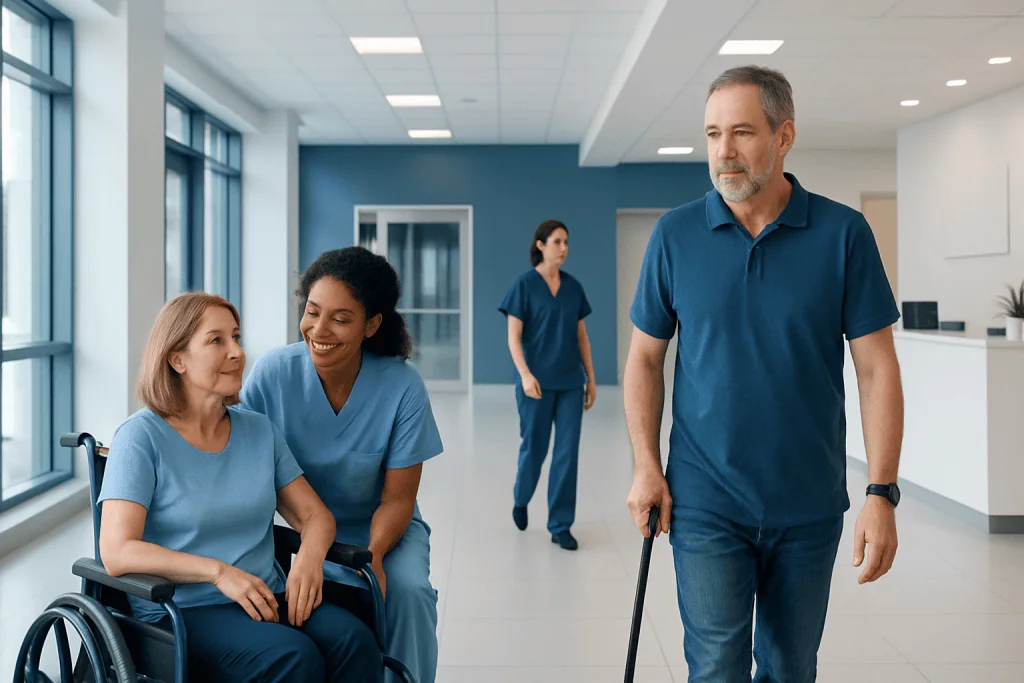
Transitions rehab is a coordinated process, not one single medical procedure or facility type. A good transition plan addresses medications, follow-up appointments, rehabilitation goals, equipment, and warning symptoms.
Key Takeaways
- Transitions rehab is a coordinated process, not one single medical procedure or facility type.
- A good transition plan addresses medications, follow-up appointments, rehabilitation goals, equipment, and warning symptoms.
- Transitional care and rehabilitation often overlap, but transitional care has a broader focus on continuity and safety between settings.
- Medicare coverage depends on the service, setting, medical need, and the person’s individual coverage rules.
- Prompt medical assessment is important if new or worsening symptoms develop after discharge.
Transitions rehab describes coordinated care that helps a person move safely from a hospital stay to rehabilitation, home care, skilled nursing, or outpatient services. It combines medical follow-up, rehabilitation planning, medication review, education, and communication among patients, families, and healthcare professionals.
What Is Transitions Rehab?
Transitions rehab is an organized approach to helping a person move from one level or place of care to another, especially after hospitalization. The goal is to support a safe recovery while reducing gaps in communication, preventing avoidable complications, and helping the individual regain as much independence as possible.
The term may be used by hospitals, rehabilitation programs, skilled nursing facilities, home-health providers, and local services. For example, someone recovering after a stroke, joint replacement, serious infection, injury, or heart-related admission may need a carefully planned transition from hospital to inpatient rehabilitation, a transitions rehab facility, outpatient therapy, or home-based care.
Evidence based transitions focus on practical needs that can affect recovery: understanding the diagnosis, reconciling medicines, arranging follow-up, teaching patients and caregivers what to watch for, and ensuring rehabilitation services match the person’s abilities and goals. The exact plan should be individualized rather than based only on the length of a hospital stay.
How Transitions Rehab Works
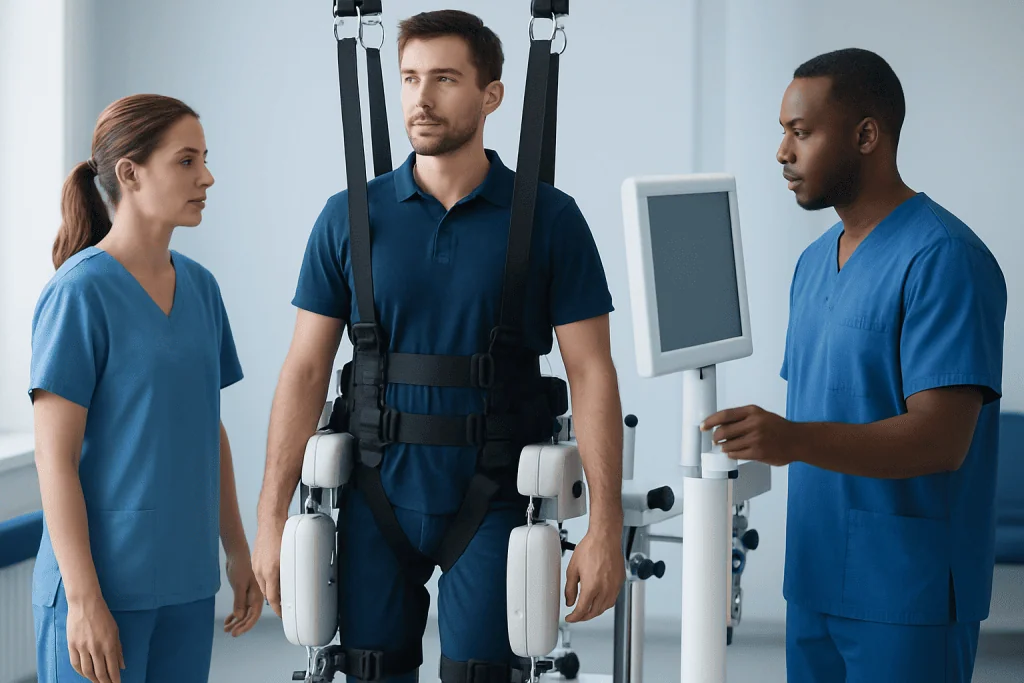
Transitions in rehabilitation begin before discharge whenever possible. A multidisciplinary team may include physicians, nurses, physical therapists, occupational therapists, speech and language therapists, pharmacists, social workers, case managers, dietitians, and mental health professionals. The patient and, where appropriate, family members or caregivers are central members of this team.
The team assesses medical stability, mobility, self-care ability, thinking and communication, swallowing or nutrition needs, home support, transport, and access to medicines. They then recommend the most appropriate next setting. This may be a short inpatient rehabilitation stay for intensive therapy, a skilled nursing setting, outpatient rehabilitation, home health services, or direct discharge home with follow-up.
Evidence based practices for effectively transitioning patients from the hospital include a plain-language discharge plan, an accurate and updated medication list, clear ownership of follow-up tasks, timely communication with the next care team, and confirmation that the patient understands when and how to seek help. Asking the patient to explain the plan back in their own words can identify misunderstandings before discharge.
Who May Benefit From Transitional Rehabilitation?

Transitional rehabilitation can benefit people whose health, mobility, daily functioning, or support needs have changed after an illness, injury, surgery, or hospital admission. It is particularly relevant when a person is not yet ready to manage safely at home without additional support but does not require ongoing acute hospital treatment.
Common reasons for referral include reduced strength or balance, difficulty walking, pain that limits activity, new need for help with bathing or dressing, swallowing or communication problems, medication changes, complex wound care, or a need for monitoring after a serious medical event. People recovering from neurological conditions may require coordinated physical, occupational, speech, and cognitive rehabilitation. Those with heart or lung conditions may need supervised activity progression, education, and close symptom monitoring.
Candidacy is based on the person’s clinical needs, ability to participate in the proposed plan, safety considerations, goals, available caregiving support, and local service availability. A rehabilitation clinician can help determine whether inpatient, outpatient, or home-based rehabilitation is most suitable.
What Happens Step by Step?
Assessment and goal setting: Before discharge or transfer, the care team reviews the person’s diagnosis, treatment received, current symptoms, functional abilities, medicines, and home circumstances. Together, they establish realistic goals, such as walking safely, managing stairs, preparing meals, communicating needs, or returning to work-related tasks.
Discharge and transfer planning: The team prepares written instructions, prescriptions, referrals, therapy plans, equipment recommendations, and follow-up appointments. If the person is moving to another facility, key clinical information should be transferred directly to the receiving team. The patient should know whom to contact with questions once they leave.
Rehabilitation and follow-up: Therapy begins or continues in the recommended setting. Sessions may focus on strength, endurance, balance, transfers, self-care, speech, swallowing, cognition, pain management, or adapting activities to a changing level of function. Progress is reviewed regularly, and the care plan changes as needs improve or new barriers emerge.
Preparation for the next transition: Transitional care is often a series of transitions rather than a single event. Before leaving a rehabilitation setting, the team reassesses safety, caregiver readiness, home access, equipment, medications, and the need for continuing outpatient therapy or primary-care follow-up.
What Is the Difference Between Transitional Care and Rehab?
Transitional care is the broader process of coordinating safe, continuous healthcare as a person moves between settings or providers. It includes communication, discharge planning, medication review, education, follow-up appointments, and attention to social or practical needs that could affect recovery.
Rehabilitation is a clinical service aimed at improving function, independence, and quality of life after illness, injury, surgery, or disability. It may involve physical therapy, occupational therapy, speech and language therapy, rehabilitation nursing, psychological support, and specialist medical care.
In practice, rehabilitation may be one important part of transitional care. A person can receive transitional care without formal rehabilitation if their main need is medical follow-up and support after discharge. Conversely, a person may attend rehabilitation while still needing transition support to coordinate medicines, transport, home services, and ongoing medical care.
Benefits, Limitations, and Possible Risks
Well-coordinated transitions rehab can make the recovery plan easier to understand and follow. Potential benefits include earlier recognition of problems, safer medication use, better continuity between healthcare professionals, access to appropriate therapy, and greater confidence for patients and caregivers. It may also help people make gradual, realistic progress toward daily activities that matter to them.
However, transition planning cannot remove every risk after hospitalization. Recovery may be affected by the underlying condition, age, frailty, pain, fatigue, memory or communication difficulties, home accessibility, financial or insurance arrangements, and availability of caregivers or local services. A plan may need to be adjusted if symptoms change or rehabilitation goals are not being met.
Risks can arise when medication instructions are unclear, follow-up is delayed, information does not transfer between teams, or a patient leaves a care setting before adequate support is in place. Patients and caregivers can reduce these risks by keeping an updated medication list, bringing discharge documents to appointments, asking questions, and reporting concerning changes early.
How Long Will Medicare Pay for Transitional Care?
Medicare does not use one universal payment period for all transitional care or rehabilitation services. Coverage depends on the type of service, whether it is medically necessary, the care setting, the person’s Medicare plan, and whether the provider meets Medicare participation requirements.
For example, Medicare may cover certain home health, outpatient therapy, inpatient rehabilitation, hospital, or skilled nursing services when eligibility requirements are met. Skilled nursing facility coverage has specific qualifying criteria and benefit-period rules, while outpatient rehabilitation coverage is generally based on medical necessity and plan provisions rather than a single fixed number of days.
Medicare also recognizes Transitional Care Management services provided by eligible clinicians after discharge from certain settings. Patients should contact Medicare, their Medicare Advantage plan, or a hospital financial counselor for current, individualized information. Coverage rules can change, and a care team can help clarify what services may be appropriate.
What Are the CMS Guidelines for Transition of Care Management?
CMS Transitional Care Management, often called TCM, is a Medicare billing framework for eligible healthcare professionals who coordinate care after a patient is discharged from certain inpatient or observation settings to a community setting. It is designed to support timely follow-up during a period when medication issues, worsening symptoms, and care gaps can be more likely.
In general, TCM includes communication with the patient or caregiver shortly after discharge, medication reconciliation, review of discharge information, coordination with other professionals and services, and a face-to-face visit within the required time frame based on the person’s medical complexity. The clinician also addresses medical and practical needs related to the transition.
CMS requirements are detailed and may be updated. TCM is not the same as admission to a rehabilitation facility, and it does not guarantee coverage of all services a person may need. Patients should ask their clinician whether TCM applies to their situation and what follow-up plan is recommended.
Frequently asked questions
How long can you stay in transitional care?
The length of transitional care varies widely because it is based on medical needs, functional progress, the care setting, insurance rules, and the support available at home. Some transition-management services focus on the first weeks after discharge, while rehabilitation stays or therapy programs may last longer. The care team should review progress regularly and plan the next step when it is safe and appropriate.
Is a transitions rehab facility the same as a nursing home?
Not necessarily. A rehabilitation facility is designed to provide rehabilitation services and may offer intensive therapy, medical supervision, or both, depending on the setting. Some skilled nursing facilities provide rehabilitation as well as longer-term nursing care, but services, staffing, therapy intensity, and admission criteria differ between facilities.
What should a patient ask before leaving the hospital?
Patients should ask about their diagnosis, medicine changes, activity limits, rehabilitation plan, follow-up appointments, warning signs, and whom to call with questions. It is also helpful to ask whether equipment, home services, transport, or caregiver training will be needed. Written instructions should be reviewed before discharge.
Can transitional care happen at home?
Yes. Many people transition directly home with support from primary care, specialist follow-up, home health services, outpatient therapy, family, or caregivers. The suitability of home-based care depends on the person’s medical stability, ability to manage daily activities, home environment, and available support.
Does everyone need rehabilitation after hospitalization?
No. Some people recover safely with routine follow-up, rest, medication management, and gradual return to activity. Rehabilitation is considered when illness, injury, surgery, or deconditioning affects mobility, self-care, communication, thinking, swallowing, endurance, or other aspects of daily function.
What is meant by transitions rehab Tucson?
This phrase is commonly used in local searches for rehabilitation or transitional-care services in Tucson, Arizona. The quality and suitability of any local program should be assessed by reviewing its clinical services, rehabilitation expertise, communication practices, safety processes, and ability to meet the individual patient’s needs.
References
- Centers for Medicare & Medicaid Services
- Medicare
- Agency for Healthcare Research and Quality
- American Geriatrics Society
- World Health Organization
This article is for general information only and is not a substitute for professional medical advice. Please consult a qualified doctor about your individual situation.
Explore treatments in Turkey — costs, top hospitals & a free quote
JCI-accredited · board-certified surgeons · reply within 24h
Add us as a Preferred Source to see more of our trusted health content across Google Search, AI Overviews and Discover.