Chemo Rashes Treatment: How It Works, Results and What to Expect

Skin rashes during cancer treatment can result from chemotherapy, targeted therapy, immunotherapy, radiation, infections or allergic reactions. A rash does not reliably show that chemotherapy is working, and it should always be discussed with the oncology team.
Key Takeaways
- Skin rashes during cancer treatment can result from chemotherapy, targeted therapy, immunotherapy, radiation, infections or allergic reactions.
- A rash does not reliably show that chemotherapy is working, and it should always be discussed with the oncology team.
- Gentle cleansing, regular bland moisturizing and sun protection can support the skin barrier and reduce discomfort.
- Doctors may recommend topical corticosteroids, antihistamines, antibiotics or other treatments depending on the rash type and severity.
- Urgent assessment is needed for blistering, painful skin, widespread peeling, fever, facial swelling, breathing difficulty or signs of infection.
Chemo rashes treatment is individualized and may include gentle skin care, fragrance-free moisturizers, sun protection and prescription medicines when needed. A new or worsening rash should be reported promptly to the oncology team, because its cause and safest treatment depend on the cancer medicine and the rash’s appearance.
Overview: How chemo rashes treatment works
Chemo rashes treatment focuses on identifying the cause of the skin change, calming inflammation or itching, protecting the skin barrier and preventing infection. Many rashes are mild and improve with supportive measures such as gentle cleansing, fragrance-free moisturizers, loose clothing and avoiding heat or direct sunlight. Some require prescription creams, oral medicines, testing for infection or adjustments to a cancer treatment plan.
The term “chemo rash” is broad. Traditional chemotherapy can cause dry, sensitive or darkened skin, while some targeted cancer medicines commonly cause acne-like eruptions, hand-foot skin reactions or nail and skin inflammation. Immunotherapy can also trigger immune-related rashes. Because these conditions can look similar but need different care, patients should tell their oncology team about any new rash rather than self-treating with multiple products.
In most cases, treatment can improve comfort while allowing cancer therapy to continue. However, the oncology clinician may delay, reduce or change treatment if a reaction is severe. This decision balances skin safety with the goals of cancer care and should not be made by stopping a medicine independently.
What chemo rashes can look and feel like
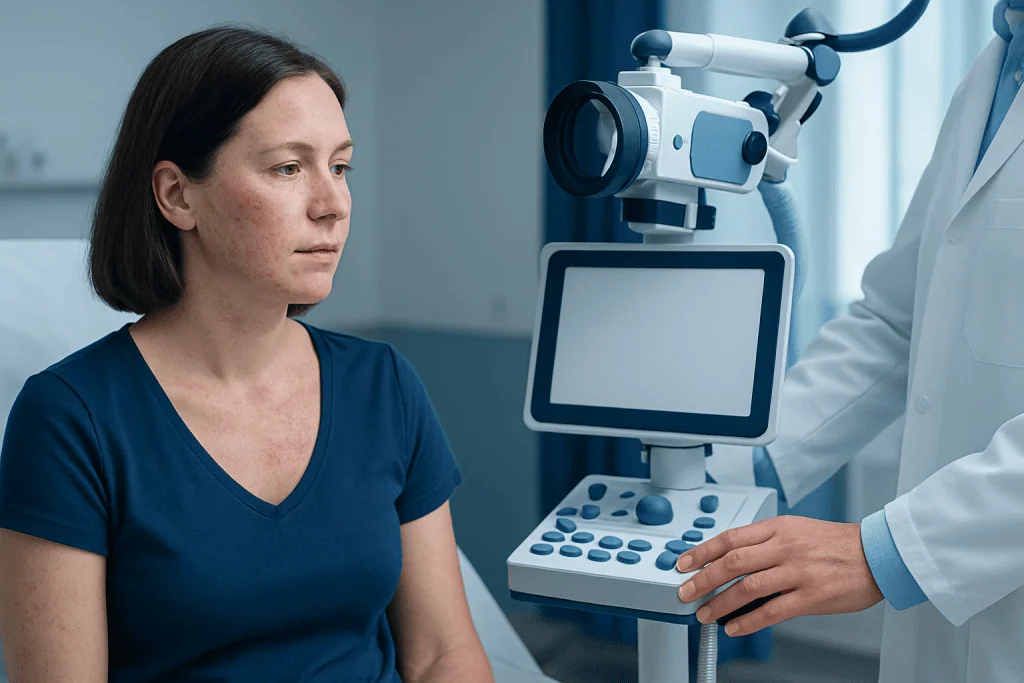
Skin reactions may appear as dryness, scaling, redness, itching, tenderness, small bumps, acne-like spots, darker or lighter patches, cracking around the fingertips, or soreness on the hands and feet. A rash may occur on the face, scalp, chest, back, skin folds, hands or feet. Its timing can also offer useful clues: some reactions begin soon after an infusion, while others develop gradually over days or weeks.
Targeted therapies that affect epidermal growth factor receptor pathways may cause a papulopustular rash, which resembles acne but is not treated exactly like ordinary acne. Certain chemotherapy medicines may contribute to hand-foot syndrome, causing redness, swelling, burning, peeling or pain on the palms and soles. Skin changes may also reflect radiation effects, contact irritation from adhesives, or an infection when immunity is reduced.
Photographs can help the oncology team track a changing rash. Patients may find it useful to note when it began, where it is located, whether it itches or hurts, any new medicines or skin products, and whether fever or other symptoms are present.
Does chemo rash mean chemo is working?

No. A chemo rash does not reliably mean that chemotherapy is working. With some targeted therapies, skin reactions have been associated in research settings with drug activity in certain patients, but a rash is not a dependable measure of treatment response for an individual.
Response is assessed through the cancer care plan, which may include symptoms, physical examinations, blood tests, imaging and other appropriate tests. A mild or absent rash does not mean treatment has failed, and a severe rash does not mean treatment is more effective.
Any rash deserves attention because early treatment can reduce discomfort and help prevent complications. The oncology team can explain whether a particular medicine is known to cause skin reactions and how that may influence monitoring.
Candidacy and clinical assessment before treatment
Nearly anyone receiving cancer treatment who develops a rash may benefit from a clinical assessment. The level of care depends on the severity, the suspected cause, the patient’s overall health and whether there are warning signs such as fever, pain, drainage or rapid spread. Patients with a history of eczema, psoriasis, allergies, previous drug reactions or very sensitive skin should mention this before treatment begins.
The clinician will usually review the cancer medicines, infusion timing, radiation exposure, antibiotics and other new medicines. They may examine the skin closely and ask about itching, pain, blisters, sun exposure, use of soaps or cosmetics, and symptoms of infection. In selected cases, testing may include a skin swab, blood tests, a dermatology consultation or a small skin biopsy.
Assessment also distinguishes a medication-related rash from conditions that may need separate treatment, such as shingles, fungal infection, bacterial infection or allergic contact dermatitis. This careful approach avoids using a product that could worsen the skin or delay appropriate care.
Chemo rashes treatment: step by step
Step 1: Report and document the rash. Patients should contact their oncology team soon after noticing a new skin change. Clear photographs and a list of current medicines, including over-the-counter products and supplements, can support a timely assessment. The team may advise whether the rash can be managed at home, needs a prompt appointment or requires urgent care.
Step 2: Protect the skin barrier. Common first measures include short lukewarm showers, mild fragrance-free cleanser, gentle patting dry and frequent use of a plain, fragrance-free cream or ointment. Broad-spectrum sun protection, protective clothing and avoidance of very hot water, scrubs, alcohol-containing products and fragranced cosmetics can reduce irritation.
Step 3: Treat the specific reaction. Depending on the diagnosis, clinicians may prescribe a topical corticosteroid for inflammation, an oral or topical antihistamine approach for itching, an antibiotic for certain acne-like targeted-therapy rashes, or medicine for infection. Hand-foot reactions may be managed with intensive moisturization, minimizing friction and heat, and individualized medication changes when necessary.
Step 4: Monitor and adjust. Follow-up is important, particularly if the rash spreads or treatment is ongoing. The oncology team may involve a dermatologist with experience in cancer-treatment skin effects. At Acibadem International, multidisciplinary oncology and dermatology specialists in JCI-accredited hospitals can evaluate treatment-related skin concerns for international patients.
What gets rid of chemo rashes?
There is no single remedy that removes every chemo rash. The most effective treatment addresses the underlying cause while reducing symptoms. For mild dryness or irritation, regular bland moisturizers, gentle hygiene and avoiding triggers may be enough. For inflammatory, acne-like or itchy rashes, a clinician may prescribe medicines that are not available over the counter.
Patients should avoid trying acne products, exfoliants, retinoids, essential oils or strong antiseptics unless their oncology team approves them. These products can further irritate fragile skin, particularly during targeted therapy or radiation. Antibiotic ointments should also not be used routinely without medical advice, since they may cause contact allergy and may not treat the actual problem.
Stopping chemotherapy or another cancer medicine without instruction is not safe. If a medication is responsible, the treating clinician may recommend supportive care, a temporary pause, a dose adjustment or a different regimen based on the seriousness of the reaction and the cancer treatment goals.
What is the best cream for chemo rash?
The best cream for a chemo rash depends on its cause and location. For simple dryness or mild irritation, a thick, bland, fragrance-free cream or ointment is often preferred over a thin lotion because it provides stronger barrier support. Products without fragrance, alcohol, acids, scrubbing particles or unnecessary botanical ingredients are usually gentler for sensitive skin.
For red, inflamed or itchy rashes, the best cream may be a prescription topical corticosteroid selected for the body area and severity. The face, eyelids, groin and skin folds require particular caution because these areas absorb topical medicines differently. A clinician may recommend a different product for an acne-like eruption, infection or radiation-related change.
Patients should ask the oncology team or oncology pharmacist before starting any medicated cream. Applying a new product to a small area first may help identify irritation, but it does not replace clinical advice for a widespread or painful rash.
Recovery timeline, benefits, risks and when to seek medical care
How long a chemo rash lasts varies. Mild irritation may improve within several days once triggers are removed and supportive care begins. Other rashes can last for weeks, recur with each treatment cycle or continue while a targeted therapy or immunotherapy is being given. Skin may remain dry, sensitive or discolored for some time after active inflammation settles.
The benefits of early care include less itching and pain, improved sleep and daily comfort, reduced risk of skin cracking or infection, and a greater chance of continuing cancer treatment as planned. Potential risks depend on the treatment used. For example, topical corticosteroids can thin the skin if used too strongly or for too long, while some oral medicines can have interactions or side effects. This is why treatment should be individualized and reviewed.
When to seek medical care: Patients should contact the oncology team promptly for a new, spreading, painful or persistent rash. Urgent medical assessment is needed for fever, chills, rapidly worsening redness, pus or drainage, skin peeling, blisters, sores in the mouth or eyes, purple spots, facial or throat swelling, wheezing, shortness of breath, or a rash with severe weakness. These symptoms may indicate infection or a serious drug reaction and should not be managed at home.
Frequently asked questions
How long does it take for a chemo rash to go away?
Mild chemotherapy-related skin irritation may improve within days after supportive care begins, but many rashes take several weeks to settle. Some return with later treatment cycles or persist while the medicine causing them continues. The oncology team can give a more specific expectation based on the drug and the rash type.
Can a chemo rash appear after treatment has ended?
Yes. Some skin reactions can develop or continue after a treatment cycle, especially when skin is dry, sensitive or healing from inflammation. Delayed rashes can also be caused by other medicines, infection or unrelated skin conditions, so they should be reported to a clinician.
Can patients use moisturizer during chemotherapy?
In general, plain fragrance-free moisturizers are helpful during chemotherapy because they support the skin barrier and reduce dryness. A cream or ointment is often better tolerated than a fragranced or alcohol-based lotion. Patients should check with their care team before applying any product to radiation-treated skin or an open, infected or blistered area.
Should a chemo rash be covered with makeup?
If the skin is intact and not painful, some people may use gentle, fragrance-free cosmetic products after discussing this with their care team. Heavy or irritating makeup, harsh removal products and shared applicators should be avoided, particularly if immunity is low. Makeup should not be used to conceal a rash that has not been assessed.
Is itching during chemotherapy always a rash?
No. Itching can occur before a visible rash develops, or it may be related to dry skin, medicines, liver or kidney changes, allergies or other causes. Persistent, intense or generalized itching should be reported to the oncology team, especially if it is accompanied by yellowing of the skin, swelling or breathing symptoms.
Can patients prevent chemo rashes completely?
Complete prevention is not always possible because some cancer medicines directly affect skin cells or immune activity. However, gentle skin care, daily moisturizing, sun protection, avoiding friction and promptly reporting early symptoms can reduce irritation and help clinicians intervene sooner. The team may recommend preventive medicines for selected treatments.
References
- National Cancer Institute
- American Cancer Society
- American Academy of Dermatology Association
- European Society for Medical Oncology
- Cancer Research UK
This article is for general information only and is not a substitute for professional medical advice. Please consult a qualified doctor about your individual situation.
Oncology care in Turkey — second opinion and treatment plan
JCI-accredited · board-certified surgeons · reply within 24h
Add us as a Preferred Source to see more of our trusted health content across Google Search, AI Overviews and Discover.