Chemotherapy Nail Changes: How It Works, Results and What to Expect
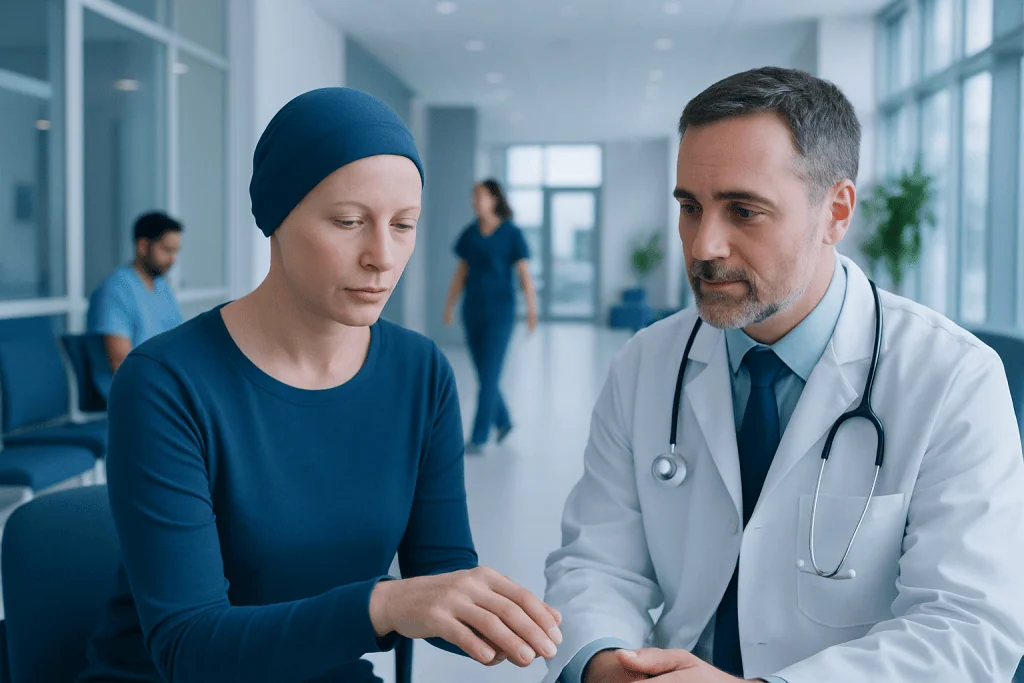
Chemotherapy can affect the nail matrix and nail bed, changing how fingernails and toenails grow and look. Nail changes may begin weeks after treatment starts and can remain visible until the affected portion grows out.
Key Takeaways
- Chemotherapy can affect the nail matrix and nail bed, changing how fingernails and toenails grow and look.
- Nail changes may begin weeks after treatment starts and can remain visible until the affected portion grows out.
- Gentle nail care, protection from trauma and early reporting of painful or inflamed nails can reduce complications.
- Nail changes alone do not reliably show whether chemotherapy is working against cancer.
- Redness, swelling, pus, fever, severe pain or a loose nail should be reported promptly to the cancer care team.
Chemotherapy nail changes are common treatment-related effects that may cause discoloration, ridges, brittleness, tenderness or partial nail lifting. They are usually temporary, but prompt assessment is important if there are signs of infection, severe pain or a rapidly worsening nail problem.
Chemotherapy Nail Changes: How They Happen
Chemotherapy nail changes happen because some cancer medicines temporarily affect rapidly dividing cells, including cells in the nail matrix, where nails are formed, and the nail bed beneath the nail plate. Changes can involve fingernails, toenails or both. They may include darkening, white marks, horizontal grooves, thinning, splitting, slower growth, tenderness or separation of the nail from the skin beneath it.
The appearance and severity depend on the chemotherapy medicine, treatment schedule, other medicines, individual skin and nail characteristics, and whether the hands or feet experience repeated pressure or injury. Nail changes can be distressing, but they are often manageable with supportive care and typically grow out after treatment ends.
Not every nail change during cancer care is caused by chemotherapy. Nutritional changes, infection, injury, other cancer treatments and certain targeted therapies may also contribute. The oncology team can help identify the likely cause and decide whether a dermatology or podiatry assessment is needed.
What Do Chemo Fingernails Look Like?
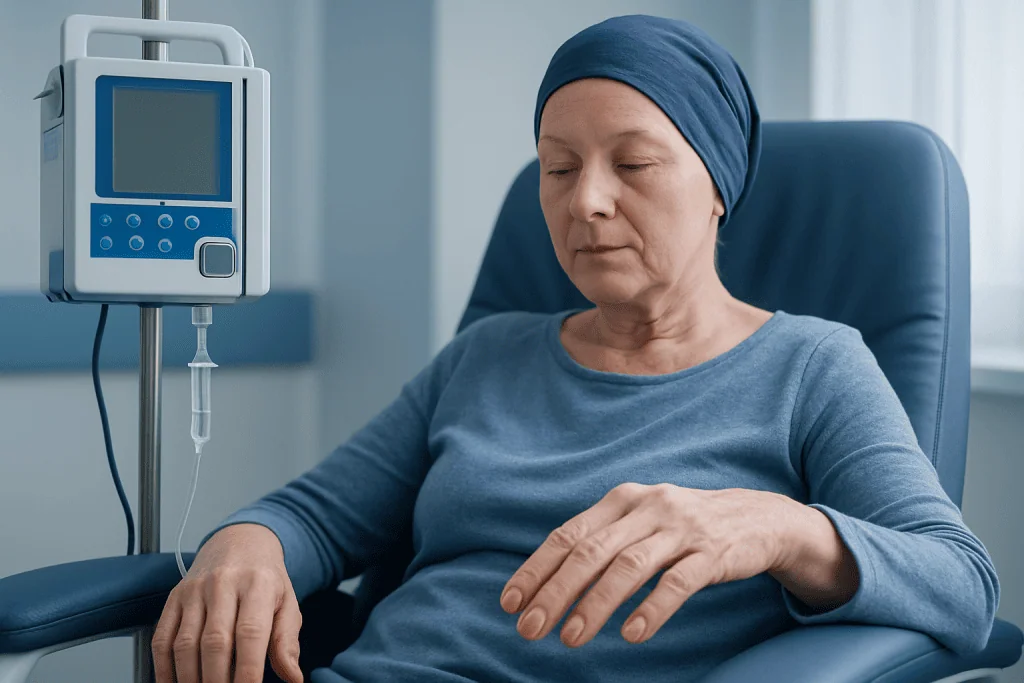
Chemo fingernails can look different from one person to another. Some people notice darker or lighter patches, brown or black lines running lengthwise, or pale bands across the nail. Others develop transverse grooves, sometimes called Beau lines, which may reflect a temporary interruption in nail growth during a treatment cycle.
Nails may become dry, brittle, ridged or prone to splitting. In some cases, the nail may become tender, loosen from the nail bed or partly lift. Toenails can thicken or become painful, particularly when shoes place pressure on them. The surrounding skin may also become dry or irritated.
A new dark streak under a nail should not automatically be assumed to be chemotherapy-related, especially if it affects one nail or looks uneven. Any new, changing or concerning pigmentation should be reviewed by a clinician. The care team can distinguish expected treatment effects from infection, bleeding under the nail and other conditions.
Who Is More Likely to Develop Nail Changes?
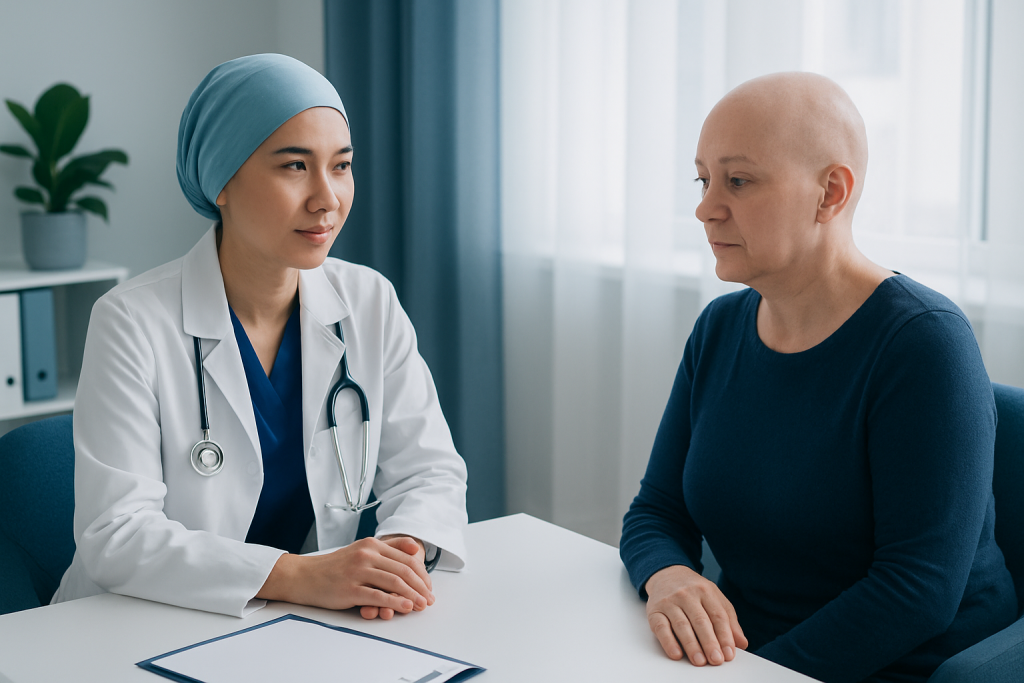
Anyone receiving chemotherapy may develop nail changes, although the likelihood varies by drug and combination of treatments. Taxane-based medicines are among the treatments commonly associated with nail problems, but several other chemotherapy medicines can affect nails as well. Targeted cancer therapies and immunotherapy may also cause nail and surrounding-skin effects.
Risk may be higher when treatment continues over multiple cycles, when nails are frequently exposed to water, cleaning chemicals or physical trauma, or when hands and feet are exposed to pressure from work, exercise or tight footwear. Pre-existing conditions such as psoriasis, fungal nail disease, diabetes or poor circulation can make nail concerns more complicated.
Before chemotherapy begins, patients should tell their oncology team about previous nail infections, chronic skin conditions, numbness in the hands or feet, diabetes, circulation problems, and any regular manicures, pedicures or artificial nails. This information supports safer preventive care during treatment.
How Nail Changes Are Assessed During Chemotherapy
There is no separate procedure required to diagnose most chemotherapy nail changes. Assessment usually begins with a clinical examination of the nails and surrounding skin, along with a review of the cancer medicines, timing of symptoms and any injury or exposure that may have affected the nails.
The clinician may ask whether there is pain, drainage, odor, warmth, swelling, numbness or difficulty walking or using the hands. When infection is suspected, a sample from the skin or nail may be tested. Blood tests may be considered if there are broader concerns, such as low blood counts or nutritional issues.
The usual care process is straightforward: the patient reports a new change, the cancer team examines and documents it, identifies possible causes, and recommends monitoring or treatment. If a nail is lifting, painful or infected, the oncology team may involve dermatology, podiatry or another appropriate specialist. Treatment plans should not be changed without guidance from the prescribing oncology team.
Treatment, Benefits and Possible Risks
Supportive nail care is the main approach for most chemotherapy nail changes. The goals are to relieve discomfort, prevent infection, protect the nail from further injury and preserve daily function. Short, smoothly filed nails, protective gloves for household tasks and roomy footwear can make a meaningful difference.
If there is inflammation, infection, significant nail lifting or troublesome pain, treatment is tailored to the cause. A clinician may recommend protective dressings, medicines for a confirmed bacterial or fungal infection, or specialist nail care. In selected situations, the oncology team may discuss changes to the treatment schedule or dose, balancing side effects with the importance of cancer treatment. Cancer care is individualized, and these decisions require careful medical supervision.
Cooling gloves or socks during certain infusions may be offered at some treatment centers to reduce exposure of the hands and feet to particular medicines. They are not appropriate for everyone and should only be used under the cancer team’s protocol. Patients seeking coordinated oncology assessment and supportive treatment planning can discuss chemotherapy care with their physician.
The main benefit of early attention is prevention of avoidable pain and infection. Risks arise when a damaged nail is cut aggressively, pulled off, covered with artificial nails, or treated with unprescribed products that irritate the skin. A loose nail should be protected rather than removed at home.
Recovery Timeline and Everyday Nail Care
Nails grow slowly, so visible recovery takes time. A new healthy nail gradually pushes forward from the base while the damaged section grows out. Fingernails generally recover sooner than toenails, and a full toenail replacement can take much longer. The timing also depends on the medicine used, the length of treatment and whether the nail bed was injured or infected.
During treatment and recovery, patients can keep nails short without cutting into the skin, file rough edges in one direction, moisturize hands and cuticles with a fragrance-free product, and wear gloves when washing dishes or using cleaning products. Shoes should have enough room in the toe box, and socks should be clean and comfortable.
- Avoid cutting cuticles, biting nails and picking at loose areas.
- Avoid acrylic nails, gel manicures and harsh nail products unless the oncology team says they are suitable.
- Use clean personal nail tools and avoid salon procedures that could cut or injure the skin.
- Protect hands and feet from repeated trauma, heat and prolonged moisture.
Photographing nail changes every few weeks may help patients and clinicians track progress. It is also useful to note the timing of each chemotherapy cycle, since horizontal grooves can correspond to periods when nail growth was temporarily affected.
How Long Does It Take for Chemo Nails to Heal?
Chemo nails usually improve as the nail grows, but healing is gradual rather than immediate. Many people see improvement in fingernails over several months after chemotherapy is completed, while toenails may take many months to fully grow out. If treatment continues for a long period, new changes may appear before earlier ones have reached the nail edge.
Recovery may take longer when there has been infection, nail-bed separation, repeated pressure on the nails or an underlying nail condition. Gentle care and prompt treatment of complications support healing, but they cannot make nails grow quickly. The oncology team can advise what is realistic based on the treatment plan.
If a nail remains painful, increasingly discolored, thickened, loose or inflamed after treatment, medical review is appropriate. Persistent changes may have another cause that needs specific assessment.
What Are Good Signs That Chemo Is Working?
Nail changes are not a reliable sign that chemotherapy is working. Side effects show that the body is responding to a medicine, but they do not measure whether cancer cells are shrinking, stabilizing or disappearing. Some people have very few side effects and still benefit from chemotherapy, while others have noticeable side effects without this predicting the treatment result.
Doctors assess response using the type of cancer, symptoms, physical examinations, blood tests, tumor markers when appropriate, and imaging such as scans. The timing of these checks depends on the diagnosis and treatment plan. Patients should ask their oncologist when and how treatment response will be evaluated.
Changes in pain, appetite, energy or other symptoms can be important to report, but they should be interpreted by the clinical team. Continuing planned follow-up appointments is the safest way to understand how treatment is affecting the cancer and overall health.
What Week of Chemo Is the Hardest?
There is no single hardest week of chemotherapy for everyone. The pattern depends on the medicines used, the schedule, other treatments, baseline health and how the body responds over time. Some people feel more tired or unwell in the days after an infusion, while others find symptoms accumulate over later cycles.
Blood cell counts may fall at a predictable point after certain treatments, which can increase the risk of infection or fatigue. The oncology team explains the expected timing for a specific regimen and may arrange blood tests or supportive medicines when needed. Nail changes can also become more noticeable after repeated cycles because nails grow slowly.
Patients should report symptoms rather than trying to push through them alone. Early communication allows the care team to offer practical support, assess for complications and make safe recommendations for symptom management.
When to Seek Medical Care
Patients should contact their oncology team promptly if a nail or the skin around it becomes red, swollen, hot, increasingly painful, or produces pus or fluid. Fever or feeling suddenly unwell during chemotherapy requires urgent advice from the cancer team, as infection can become serious when immune defenses are reduced.
Medical assessment is also important for a nail that is significantly lifting, bleeding, turning black after an injury, causing difficulty walking, or developing a new unusual dark mark. Do not attempt to drain, cut away or remove a damaged nail at home.
Acibadem International’s multidisciplinary specialists and JCI-accredited hospitals support international patients receiving cancer care, including assessment of treatment-related skin and nail concerns. Patients should always seek guidance from a qualified doctor who knows their chemotherapy regimen and overall health history.
Frequently asked questions
Can chemotherapy cause nails to fall off?
Some chemotherapy medicines can cause a nail to loosen or separate partly from the nail bed. Complete nail loss is less common, but it can occur in more severe cases or when there is injury or infection. A loose or painful nail should be reviewed by the oncology team rather than removed at home.
Are dark lines on nails during chemotherapy normal?
Darkening or dark lines can occur with some chemotherapy medicines because of changes in pigment production and nail growth. However, a new or changing dark mark, especially on one nail, should be shown to a clinician. Assessment helps rule out bleeding, infection and other causes.
Should patients wear nail polish during chemotherapy?
Clear or regular nail polish may be acceptable for some people, but advice varies according to the treatment regimen and the condition of the nails. Artificial nails, gels and products requiring aggressive removal are often best avoided because they can trap moisture, irritate skin or hide infection. Patients should ask their oncology team before using nail products.
Can nail changes happen after chemotherapy has ended?
Yes. Because nails grow slowly, changes caused during treatment may become more visible after the final chemotherapy cycle. The affected part usually moves outward as the new nail grows. Ongoing or worsening symptoms should be checked by a clinician.
Can a manicure or pedicure be unsafe during chemotherapy?
Procedures that cut cuticles, cause even small skin injuries or use shared tools can raise the risk of infection during chemotherapy. Gentle home nail care with clean personal tools is often safer. A patient should ask the oncology team before having a professional manicure or pedicure.
Do chemotherapy nail changes mean treatment should be stopped?
Most nail changes can be managed without stopping chemotherapy. The oncology team considers the severity of symptoms, infection risk, effect on daily activities and the expected benefit of the cancer treatment. Patients should never skip or alter treatment without discussing it with their prescribing clinician.
References
- American Cancer Society
- National Cancer Institute
- Cancer Research UK
- Macmillan Cancer Support
- American Academy of Dermatology
This article is for general information only and is not a substitute for professional medical advice. Please consult a qualified doctor about your individual situation.
Chemotherapy in Turkey — costs, top hospitals & a free quote
JCI-accredited · board-certified surgeons · reply within 24h
Add us as a Preferred Source to see more of our trusted health content across Google Search, AI Overviews and Discover.

Medical Oncology Department
Medical treatment of cancer with chemotherapy, immunotherapy and targeted therapies under a multidisciplinary tumor board.
60 specialists in this unit