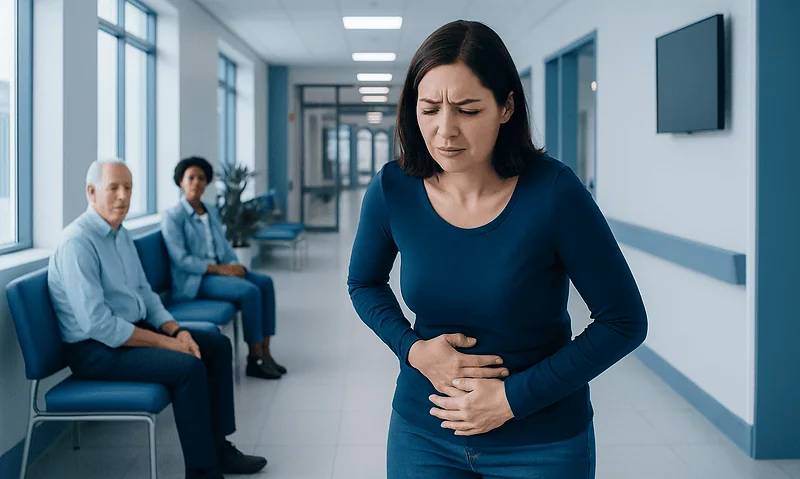
Cherophobia: An Evidence-Based Guide for Patients

Cherophobia means fearing happiness, positive emotions, or events linked to joy. It may develop from past trauma, learned beliefs, anxiety, or other mental health conditions.
Key Takeaways
- Cherophobia means fearing happiness, positive emotions, or events linked to joy.
- It may develop from past trauma, learned beliefs, anxiety, or other mental health conditions.
- Symptoms often include avoidance of celebrations, guilt about feeling happy, and anxiety when good things happen.
- Diagnosis focuses on a careful mental health evaluation rather than a single lab test or scan.
- Treatment may include psychotherapy, especially approaches that help challenge fears and reduce avoidance.
- Medical care is important when fear or avoidance disrupts work, relationships, sleep, or overall well-being.
Cherophobia is a persistent fear of happiness or of situations associated with joy, celebration, or positive emotions. It is not an official standalone diagnosis in major diagnostic manuals, but it can cause real distress, avoidance, and problems in daily life, and it may improve with professional mental health care.
Overview: what cherophobia is
Cherophobia is a fear of happiness or of situations that may lead to happiness. A person with cherophobia may avoid celebrations, success, close relationships, or enjoyable activities because these experiences feel threatening rather than comforting. In simple terms, the person is not choosing sadness; they may feel anxious that happiness will lead to disappointment, loss, punishment, or emotional pain.
Cherophobia is not listed as a separate disorder in standard diagnostic manuals such as the DSM-5, but clinicians may still recognize the pattern as clinically meaningful. It can overlap with anxiety disorders, trauma-related concerns, depression, or certain learned beliefs about emotions. The central issue is not disliking joy itself, but fearing what joy might mean or what might happen next.
This distinction matters. Many people are cautious after hardship, but cherophobia usually involves persistent avoidance, distress, or interference with daily life. If someone repeatedly turns away from positive experiences because they feel unsafe, guilty, or doomed to end badly, a mental health professional can help clarify what is happening and whether treatment would be useful.
How cherophobia may feel in everyday life
Cherophobia can look different from person to person. Some individuals feel tense when invited to birthdays, weddings, holidays, or social gatherings. Others may avoid setting goals, starting relationships, or celebrating achievements because positive emotions trigger worry rather than pleasure. A person may think, “If I let myself be happy, something bad will happen,” or “I do not deserve to feel good.”
This fear can also affect the body. When joy or excitement appears, the nervous system may react with physical signs of anxiety, such as a racing heart, muscle tension, stomach discomfort, sweating, or restlessness. Instead of feeling relaxed during pleasant moments, the person may feel on edge and eager to escape.
Over time, avoidance can narrow daily life. Relationships may become strained if friends or family misread the behavior as coldness or lack of interest. Work, study, and self-esteem can also suffer if a person avoids success or positive recognition. In some cases, cherophobia may exist alongside broader anxiety patterns or other emotional health concerns that deserve attention.
Symptoms and common signs
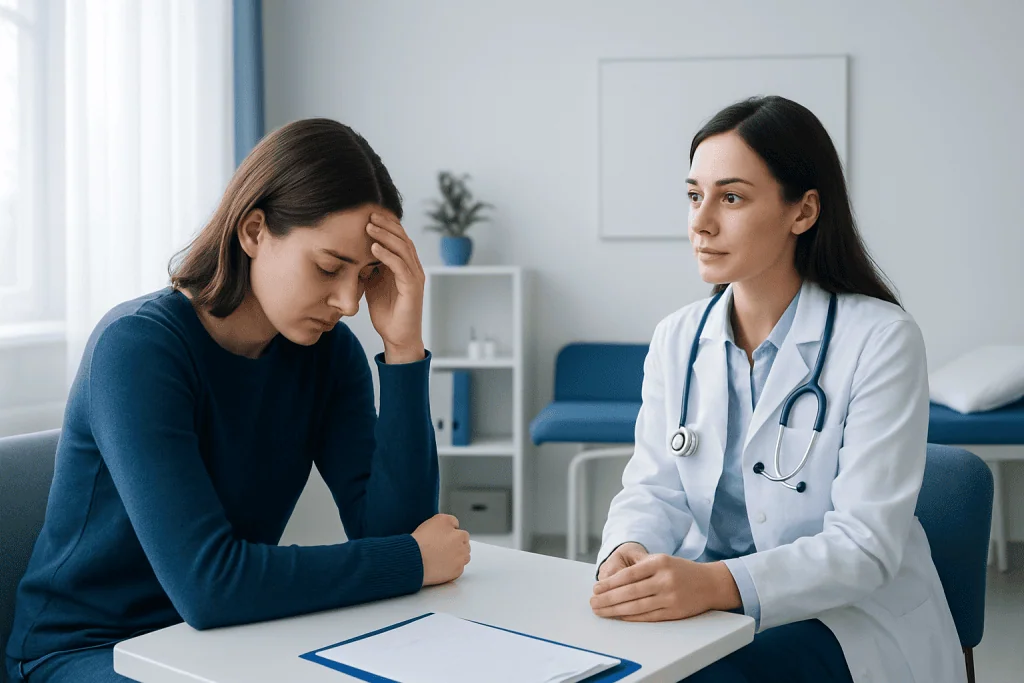
Cherophobia is best understood through patterns of thought, emotion, and behavior. The person may recognize that the fear seems excessive, or they may simply feel strongly compelled to avoid joyful situations. Symptoms can be mild or severe, occasional or frequent, depending on the underlying cause and the person’s coping style.
Common signs may include:
- Avoiding parties, holidays, achievements, or enjoyable plans
- Feeling anxious, guilty, or uneasy when happiness appears
- Expecting bad events to follow good ones
- Believing happiness is unsafe, undeserved, or temporary in a threatening way
- Pulling away from close relationships to avoid emotional vulnerability
- Downplaying success or refusing to celebrate milestones
- Physical anxiety symptoms during positive events, such as tension or palpitations
These signs do not automatically mean a person has cherophobia. Similar symptoms can occur in depression, trauma-related disorders, social anxiety, grief, or obsessive patterns of thinking. That is why a professional assessment is important, especially if symptoms are persistent or interfere with daily functioning.
People can also feel shame about these reactions. Reassurance is important: fearing happiness is not a character flaw. It is often a protective response that may have developed for understandable reasons, even if it is no longer helpful.
Possible causes and risk factors
There is no single known cause of cherophobia. In many cases, it seems to develop from a combination of life experiences, temperament, beliefs, and mental health factors. For example, a person who experienced loss, criticism, trauma, or instability after joyful events may begin to associate happiness with danger. The mind learns to stay guarded as a way to prevent future pain.
Family and cultural messages can also play a role. Some people grow up hearing that too much happiness invites disappointment, selfishness, or punishment. Others may have learned not to express positive emotions openly. These beliefs can become deeply ingrained and continue into adult life, even when circumstances have changed.
Risk factors may include a history of trauma, chronic stress, anxiety disorders, depression, perfectionism, low self-worth, or previous episodes in which a positive event was followed by a painful one. In some people, cherophobia may be tied to broader emotional patterns such as fear of uncertainty, fear of losing control, or difficulty tolerating strong emotions of any kind.
It is also important to consider related conditions. A clinician may evaluate whether symptoms connect with depression, post-traumatic stress, social anxiety, or another mental health issue. Understanding the broader picture helps guide treatment more effectively.
How doctors and mental health professionals diagnose it
There is no single test that diagnoses cherophobia. Evaluation usually begins with a detailed conversation about symptoms, triggers, beliefs, daily functioning, medical history, and emotional health. A psychiatrist, psychologist, or other qualified mental health professional may ask when the fear started, how it affects relationships and work, and whether there are past experiences linked to positive emotions or celebrations.
The aim is to understand whether the fear of happiness is a distinct pattern or part of another condition. The clinician may screen for anxiety disorders, mood disorders, trauma-related disorders, and substance use, and may also ask about sleep, stress, and physical symptoms. This helps build a complete and accurate picture rather than assigning a label too quickly.
Sometimes physical health concerns can intensify anxiety symptoms, so a general medical review may also be useful. However, imaging or laboratory tests are not typically used to diagnose cherophobia itself. Diagnosis depends mainly on clinical assessment and on how much the symptoms affect daily life.
Early evaluation can be helpful because avoidance often becomes stronger over time. If the person learns why the pattern developed and what maintains it, treatment can be more targeted and reassuring.
Treatment options and supportive care
Treatment for cherophobia usually focuses on reducing fear, challenging unhelpful beliefs, and helping the person safely re-engage with positive experiences. Psychotherapy is often the main approach. Forms of psychotherapy such as cognitive behavioral therapy may help a person identify thoughts like “happiness will end badly” and test them in a structured, realistic way. Therapy may also address guilt, shame, perfectionism, or trauma-related beliefs that keep the fear going.
Exposure-based strategies can also help when used carefully by a trained professional. This does not mean forcing happiness. It usually involves gradual, manageable steps toward tolerating pleasant experiences, such as accepting a compliment, enjoying a hobby, or attending a short social event without immediately withdrawing. Over time, the nervous system can learn that positive emotions are not inherently dangerous.
If cherophobia occurs alongside depression, trauma, or significant anxiety, treatment may include care for those conditions as well. In some cases, a psychiatrist may discuss whether medication for anxiety or mood symptoms is appropriate, particularly when symptoms are severe or persistent. A broader psychiatric evaluation may be useful when emotional symptoms are complex or overlapping.
Supportive care also matters. Stress management, regular sleep, movement, social support, and healthy routines can make emotional regulation easier. For international patients who need specialist assessment, Acibadem International’s multidisciplinary teams in JCI-accredited hospitals provide diagnosis and treatment support, including psychology support when appropriate.
Self-care strategies and ways to build comfort with positive emotions
Self-care does not replace treatment, but it can support recovery. A helpful first step is noticing the pattern without self-judgment. Keeping a brief journal of situations that trigger fear of happiness can reveal themes, such as fear of loss, fear of envy, or discomfort with attention. Once triggers are clearer, they may feel less mysterious and more manageable.
Some people benefit from practicing short moments of safe enjoyment rather than trying to “be happy” all at once. This might include listening to music, sitting in nature, sharing a pleasant meal, or allowing a small success to be acknowledged. The goal is to strengthen tolerance for positive emotion, not to force a certain mood.
Useful habits may include:
- Regular sleep and daily structure
- Gentle exercise or movement most days
- Mindfulness or breathing practices to calm physical anxiety
- Limiting alcohol or substances that can worsen mood and anxiety
- Talking with a trusted person about fears linked to joy or success
- Setting small, realistic exposure goals with professional guidance
If self-help efforts lead to more distress, or if the person feels stuck, professional support is the safest next step. Recovery often involves learning that positive feelings can be tolerated gradually, even when they once felt unsafe.
When to seek medical care
Medical or mental health care is appropriate when fear of happiness begins to affect daily life. This may include avoiding relationships, celebrations, work opportunities, or important life events; feeling significant anxiety when good things happen; or struggling with sleep, concentration, or physical symptoms linked to emotional stress.
Prompt evaluation is especially important if the person feels hopeless, has persistent low mood, panic symptoms, severe avoidance, or a history of trauma. It is also important to seek urgent help if there are thoughts of self-harm or suicide, or if emotional distress feels overwhelming and unmanageable. In these situations, contacting emergency services or an urgent mental health resource is the safest choice.
A calm, supportive assessment can help identify whether cherophobia is present on its own or together with another condition. With the right care, many people can reduce avoidance, feel safer with positive emotions, and improve quality of life.
Frequently asked questions
Is cherophobia a real mental health condition?
Cherophobia is a real pattern of fear and avoidance centered on happiness or joyful experiences. Although it is not usually listed as a separate formal diagnosis in major diagnostic manuals, mental health professionals may still recognize it as clinically important when it causes distress or interferes with daily life.
What is the difference between cherophobia and depression?
A person with depression often has low mood, loss of interest, and reduced pleasure overall. A person with cherophobia may still want positive experiences but fears them because they seem unsafe, guilt-provoking, or likely to lead to something bad. The two can occur together, which is why evaluation matters.
Can trauma cause cherophobia?
Yes, trauma or painful life experiences can contribute to cherophobia in some people. If good moments were followed by loss, criticism, punishment, or emotional harm, the brain may begin to connect happiness with danger and encourage avoidance as a protective response.
How is cherophobia treated?
Treatment often involves psychotherapy, especially approaches that help identify fearful beliefs and reduce avoidance step by step. If anxiety, depression, or trauma symptoms are also present, treatment may address those conditions too. A mental health professional can recommend the most appropriate plan.
Can cherophobia go away on its own?
Some people notice improvement when stress decreases or when they gain insight into their triggers. However, persistent avoidance often continues without support because it can become a habit reinforced by temporary relief. Professional care may help recovery happen more safely and effectively.
When should someone talk to a doctor about cherophobia?
A doctor or mental health professional should be consulted if fear of happiness affects work, relationships, sleep, social life, or emotional well-being. Help is especially important if symptoms are getting worse, are linked to trauma, or occur with panic, hopelessness, or thoughts of self-harm.
This article is for general information only and is not a substitute for professional medical advice. Please consult a qualified doctor about your individual situation.
Explore treatments in Turkey — costs, top hospitals & a free quote
JCI-accredited · board-certified surgeons · reply within 24h
Add us as a Preferred Source to see more of our trusted health content across Google Search, AI Overviews and Discover.

More from the Health Library

Spermicide — Explained by Medical Evidence, Not Myths

Cheiloplasty: Procedure, Recovery and Results
Decompensate: A Complete Medical Overview

Scabs in Hair on Head: A Complete Medical Overview
Enthesophyte: A Complete Medical Overview