IBS Attack: An Evidence-Based Guide for Patients
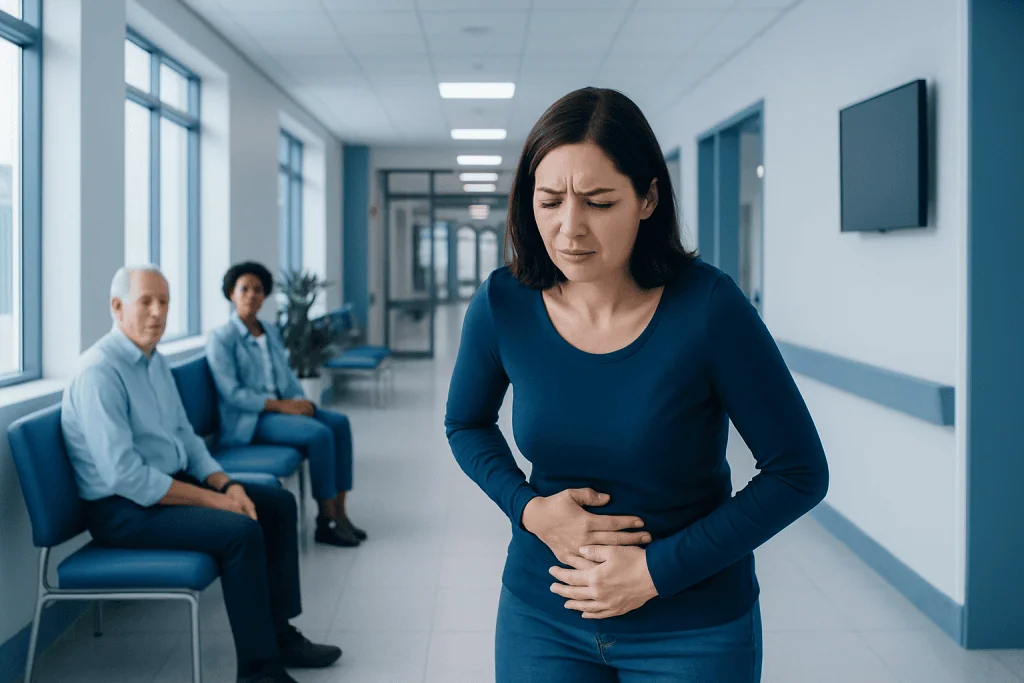
An IBS attack is a worsening of recurring bowel symptoms, not a separate disease or a sign of intestinal damage. Symptoms and triggers vary widely, but food patterns, stress, infection, sleep disruption, and hormonal changes may contribute.
Key Takeaways
- An IBS attack is a worsening of recurring bowel symptoms, not a separate disease or a sign of intestinal damage.
- Symptoms and triggers vary widely, but food patterns, stress, infection, sleep disruption, and hormonal changes may contribute.
- Keeping a symptom-and-food record can help identify personal flare patterns without unnecessarily restricting the diet.
- New, severe, persistent, or changing symptoms should be assessed to rule out conditions other than IBS.
- Treatment may include dietary guidance, stress management, and medicines selected according to the main bowel symptoms.
An IBS attack, often called an IBS flare-up, is a period when irritable bowel syndrome symptoms become more noticeable, such as cramping, bloating, diarrhea, constipation, or urgent bowel movements. Although symptoms can be disruptive, IBS does not damage the digestive tract; individualized lifestyle changes and medical care can help people manage flares.
What Is an IBS Attack?
An IBS attack is an informal term for a flare-up of irritable bowel syndrome (IBS). During a flare, a person may have more intense or frequent abdominal discomfort and changes in bowel habits than usual. The experience can be unpredictable, but it is typically temporary and can improve with a plan tailored to the person’s symptoms and triggers.
IBS is a disorder of gut-brain interaction. This means that communication between the digestive system and nervous system becomes more sensitive or altered, affecting bowel movement, pain perception, and digestion. IBS can cause genuine and distressing symptoms, but it does not usually cause inflammation, ulcers, cancer, or permanent injury to the intestines.
Clinicians commonly group IBS by the dominant bowel pattern: IBS with constipation (IBS-C), IBS with diarrhea (IBS-D), mixed IBS (IBS-M), or unclassified IBS. A person’s pattern can change over time, and a flare may involve symptoms beyond the usual pattern. More general information is available in this guide to irritable bowel syndrome.
How an IBS Flare May Feel
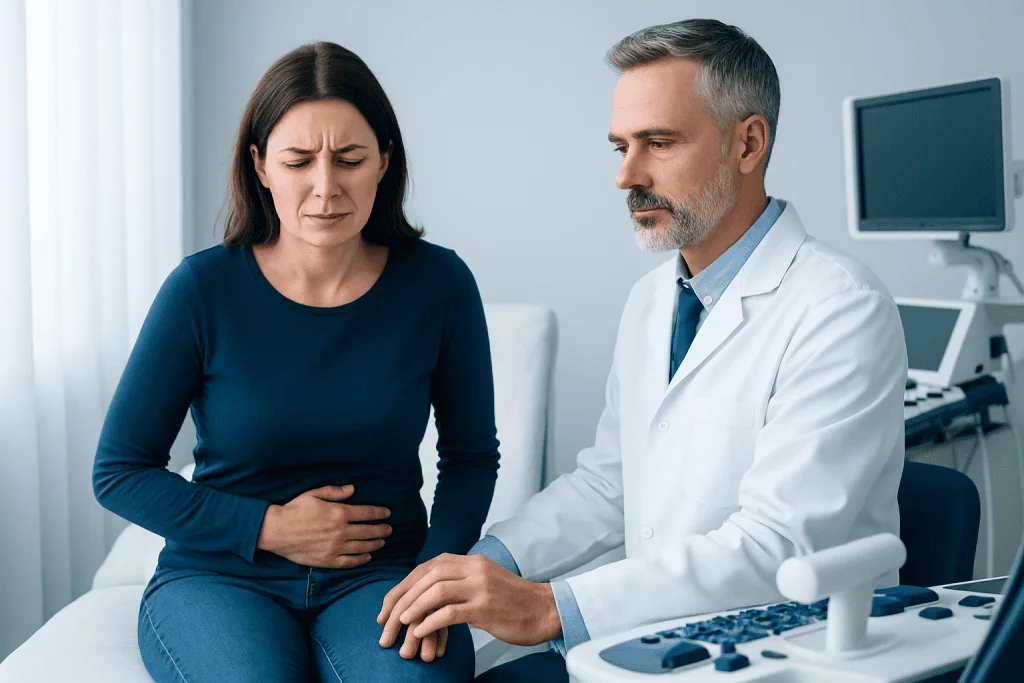
Abdominal pain or cramping is a central feature of IBS. It may improve, worsen, or change after a bowel movement. Some people describe pressure, tightness, sharp cramps, or a dull ache, often in the lower abdomen. Symptoms can come and go over hours or days and may interfere with work, travel, meals, sleep, and social activities.
Changes in stool frequency or appearance are also common. During an IBS attack, a person may experience loose stools, constipation, alternating diarrhea and constipation, urgency, straining, or a feeling that the bowel has not emptied completely. Bloating, increased gas, and visible abdominal distension may be especially bothersome later in the day or after meals.
Other symptoms can include mucus in the stool, nausea, fatigue, or a sensation of abdominal fullness. These symptoms may occur with IBS, but they are not specific to it. Blood in the stool, unexplained weight loss, fever, vomiting that does not settle, or symptoms that regularly wake a person from sleep require medical evaluation rather than being assumed to be an IBS flare.
Why IBS Attacks Happen

There is rarely one single cause of an IBS attack. The digestive tract may be more sensitive to stretching from gas or stool, while contractions of the bowel may become faster, slower, or less coordinated. Signals between the brain and gut can also influence pain and bowel function. This helps explain why symptoms may be affected by both meals and emotional or physical stress.
Potential triggers differ from person to person. Large or high-fat meals, alcohol, caffeine, carbonated drinks, and certain carbohydrates that are poorly absorbed can provoke symptoms in some individuals. These carbohydrates are sometimes described as FODMAPs and are present in foods such as certain fruits, dairy products, wheat-based foods, onions, garlic, beans, and sweeteners. They are not harmful foods, and broad long-term restriction is not appropriate for everyone.
Common non-food contributors include anxiety, acute stress, poor sleep, changes in routine, travel, reduced physical activity, and menstrual cycle changes. Some people notice IBS symptoms after a gastrointestinal infection, a pattern known as post-infectious IBS. Medicines and supplements can also affect bowel habits, so a clinician or pharmacist should review these when symptoms change.
What to Do During an IBS Attack
During a flare, it can help to simplify routines rather than trying several new remedies at once. Eating smaller, regular meals, drinking enough water, and allowing time for unhurried bathroom visits may reduce discomfort. Gentle movement, such as a short walk, may help some people with bloating, constipation, and stress. Others benefit from a warm pack on the abdomen or calm breathing exercises.
For diarrhea-predominant symptoms, hydration is particularly important. Water and oral rehydration fluids may be useful if stools are frequent or loose. For constipation-predominant symptoms, regular fluid intake, gradual fiber adjustments, activity, and a consistent toileting routine can support bowel regularity. Increasing fiber too quickly, however, can worsen gas and bloating in some people.
Over-the-counter products may be appropriate for selected symptoms, but they should be chosen with professional advice, especially if symptoms are new, severe, recurrent, or accompanied by other health conditions. A doctor may recommend medicines for cramping, constipation, diarrhea, pain, or bloating based on the individual’s IBS subtype. It is best not to use anti-diarrheal or laxative medicines as a substitute for assessment when warning signs are present.
Keeping a brief record of meals, stress, sleep, bowel movements, and symptoms can identify repeat patterns. The aim is not to avoid every possible trigger; it is to recognize the most consistent personal contributors and develop a sustainable plan.
Diagnosis: Confirming IBS and Excluding Other Causes
There is no single blood test, scan, or procedure that proves IBS. Diagnosis is usually based on a careful history of recurring abdominal pain associated with bowel movements or changes in stool frequency or form, together with an examination and assessment for warning signs. Doctors may use symptom-based criteria and consider how long symptoms have been present.
Basic tests may be recommended depending on the person’s age, symptoms, family history, and clinical findings. These can include blood tests, stool tests, screening for celiac disease, or tests for inflammation. Colonoscopy or imaging is not required for every person with suspected IBS, but it may be appropriate when symptoms suggest another digestive condition or when routine screening is due.
Several conditions can resemble IBS, including celiac disease, inflammatory bowel disease, lactose intolerance, thyroid disorders, medication-related bowel changes, and some pelvic or gynecological conditions. A correct diagnosis is important because treatments differ. People should tell their clinician about all symptoms, including changes in appetite, menstrual symptoms, recent infections, and any family history of bowel disease or colorectal cancer.
Long-Term Prevention and Symptom Management
Preventing IBS attacks usually means reducing their frequency or impact rather than eliminating all symptoms permanently. Regular meals, adequate hydration, movement, and sleep are useful foundations. For some people, limiting carbonated drinks, eating more slowly, or reducing very large portions can lessen bloating. Smoking cessation and moderating alcohol may also support digestive health.
Dietary changes should be individualized. Soluble fiber, found in foods such as oats and psyllium, may help some people, particularly those with constipation, while wheat bran can increase bloating for others. A short, structured low-FODMAP approach may be considered for persistent symptoms, ideally with a dietitian. The process includes reintroducing foods to identify tolerable amounts and protect nutritional variety.
Stress does not mean symptoms are imagined. Stress can alter gut-brain signaling and contribute to flare-ups, so approaches such as relaxation training, mindfulness, cognitive behavioral therapy, or gut-directed hypnotherapy may be helpful for some people. These strategies can be combined with nutrition and medical treatment rather than viewed as alternatives to necessary care.
Follow-up with a clinician allows the management plan to be adjusted as symptoms change. Acibadem International’s multidisciplinary specialists and JCI-accredited hospitals can assess and treat digestive conditions for international patients when coordinated care is needed.
When to Seek Medical Care
A person should arrange medical review for ongoing bowel symptoms that are new, worsening, or affecting daily life, particularly if they have not previously been diagnosed with IBS. Assessment is also sensible when an established IBS pattern changes significantly or does not respond to usual self-care measures.
Prompt medical attention is important for rectal bleeding or black stools, unexplained weight loss, anemia, fever, persistent vomiting, dehydration, severe or steadily worsening abdominal pain, a new abdominal lump, or symptoms that wake a person at night. These signs do not necessarily indicate a serious condition, but they should not be attributed to IBS without evaluation.
People with a close family history of colorectal cancer, inflammatory bowel disease, or celiac disease should discuss symptoms with a doctor. Anyone who feels faint, confused, unable to keep fluids down, or has severe pain with a rigid or markedly swollen abdomen should seek urgent care.
Frequently asked questions
How long does an IBS attack last?
An IBS attack may last for several hours, a few days, or occasionally longer, depending on the person and the trigger. Symptoms often fluctuate rather than remaining at the same intensity. If symptoms are persistent, increasingly severe, or unlike a person’s usual IBS pattern, medical advice is recommended.
Can IBS cause severe abdominal pain?
IBS can cause significant cramping or abdominal pain, even though it does not usually damage the bowel. Pain often relates to bowel movements, bloating, or changes in stool pattern. Severe, sudden, or progressively worsening pain should be assessed because it may have another cause.
What foods commonly trigger an IBS attack?
Possible triggers include high-fat meals, alcohol, caffeine, fizzy drinks, and foods high in certain fermentable carbohydrates. However, no single food triggers IBS in everyone. A symptom diary and, when needed, dietitian support are safer and more useful than broadly eliminating foods without guidance.
Is an IBS attack the same as food poisoning?
No. Food poisoning is usually caused by an infection or toxin and may cause acute vomiting, diarrhea, fever, and illness after contaminated food. An IBS flare is related to altered gut-brain interaction and bowel sensitivity, although a gastrointestinal infection can sometimes trigger or worsen IBS symptoms.
Can stress trigger an IBS attack?
Stress can contribute to IBS symptoms through communication between the brain and digestive system. This does not mean that IBS is “all in the mind”; the symptoms are real and involve physical changes in gut function and sensitivity. Stress-management techniques may reduce flare frequency or severity for some people.
Should a person fast during an IBS flare-up?
Fasting is not routinely necessary and may leave a person tired or dehydrated, especially if diarrhea is present. Smaller, regular meals and adequate fluids are often more comfortable. If eating triggers ongoing severe symptoms or a person cannot maintain hydration, they should contact a healthcare professional.
References
- National Institute of Diabetes and Digestive and Kidney Diseases
- American College of Gastroenterology
- National Institute for Health and Care Excellence
- International Foundation for Gastrointestinal Disorders
- Mayo Clinic
This article is for general information only and is not a substitute for professional medical advice. Please consult a qualified doctor about your individual situation.
Persistent digestive symptoms? Get evaluated in Turkey
JCI-accredited · board-certified surgeons · reply within 24h
Add us as a Preferred Source to see more of our trusted health content across Google Search, AI Overviews and Discover.

More from the Health Library

What happens if u drink sour milk? A Doctor-Reviewed Answer

Bismuth Subsalicylate: An Evidence-Based Guide for Patients

Polyps: What Patients Need to Know

Advantages Cold Showers — Explained by Medical Evidence, Not Myths

Micropenis: A Complete Medical Overview