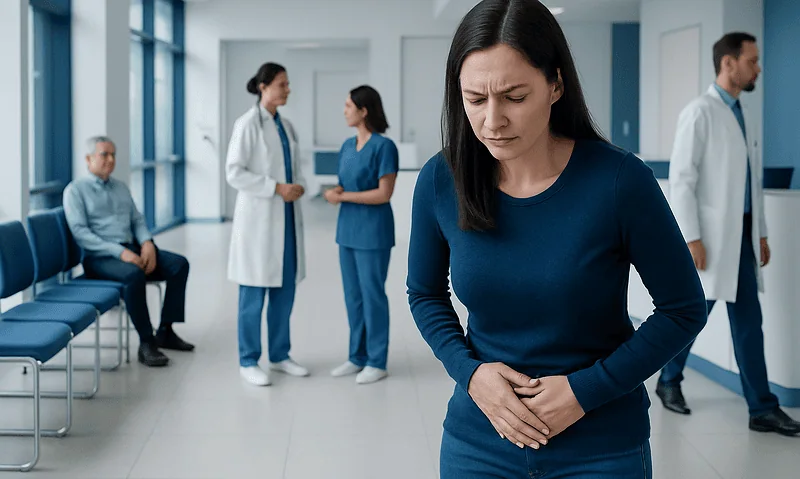
Polyps: What Patients Need to Know

Polyps can form in several parts of the body, including the colon, nose, uterus, stomach, and cervix. Many polyps do not cause symptoms and are found during routine examinations or screening tests.
Key Takeaways
- Polyps can form in several parts of the body, including the colon, nose, uterus, stomach, and cervix.
- Many polyps do not cause symptoms and are found during routine examinations or screening tests.
- Some polyps are benign, while others can develop abnormal changes over time and may need removal.
- Diagnosis usually involves imaging, endoscopy, or tissue sampling depending on the polyp location.
- Treatment ranges from watchful follow-up to medication or minimally invasive removal procedures.
- Any new bleeding, persistent blockage symptoms, or unexplained pain should be assessed by a doctor.
Polyps are growths that develop from the lining of an organ or body passage. Many are harmless, but some can cause symptoms or carry a risk of becoming cancerous, so the right follow-up depends on where the polyp is located and what type it is.
Overview: what polyps are and why they matter
Polyps are abnormal growths that arise from the inner lining of certain organs. They can develop in places such as the colon, nose, stomach, uterus, or cervix. In many cases they are benign, which means non-cancerous, but some types can grow, bleed, cause local symptoms, or show changes that increase cancer risk over time.
A polyp is not a single disease. It is a descriptive term for a growth pattern, and the importance of a polyp depends on its size, shape, number, location, and microscopic features. For example, a small nasal polyp may mainly affect breathing and smell, while a colon polyp may be removed because some bowel polyps can gradually become cancerous.
Many people learn they have polyps during routine screening or examinations done for another reason. This is common because polyps often do not cause symptoms in their early stages. Even when symptoms are absent, doctors may recommend monitoring or removal if a polyp has features linked with future problems.
Understanding polyps helps patients ask practical questions: Where is the polyp located? What type is it? Does it need treatment now? Will follow-up be needed? These points usually guide care more than the word “polyp” itself.
Common types of polyps
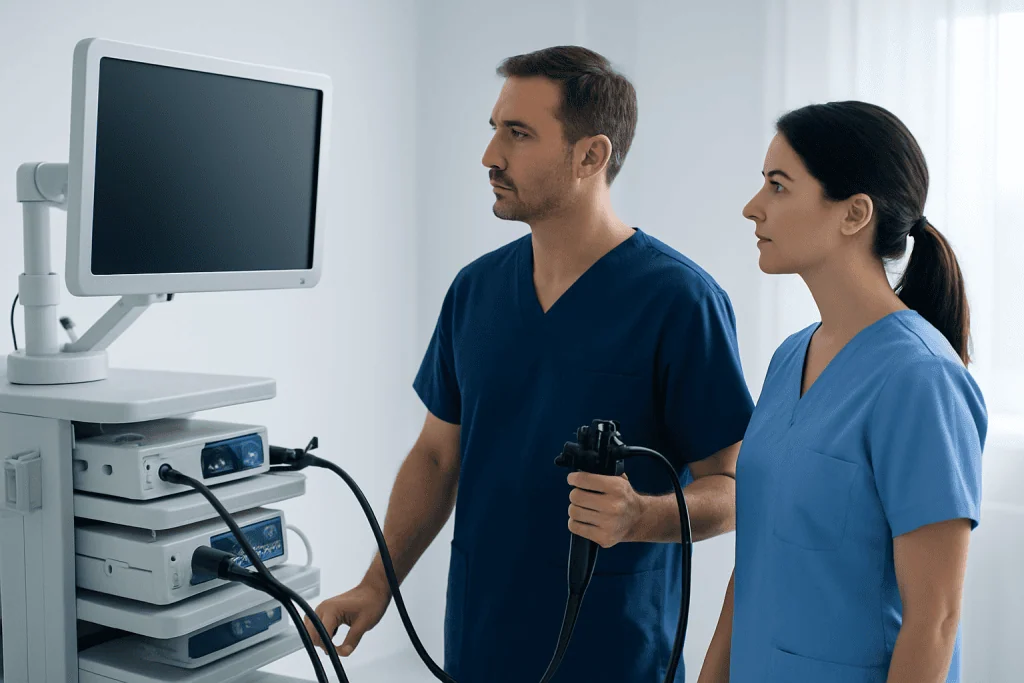
Polyps can form in several body areas, and each type has its own pattern of symptoms and treatment. Colon polyps grow in the large intestine and are often found during screening tests such as colonoscopy. Because some may develop into colorectal cancer over time, they are commonly removed when discovered. This topic may overlap with colon cancer prevention and surveillance in some patients.
Nasal polyps are soft, non-cancerous growths in the lining of the nose or sinuses. They are often linked with long-term inflammation, allergies, asthma, or chronic sinus disease. These growths can block airflow, reduce smell, and contribute to repeated sinus symptoms. Patients with troublesome symptoms may be assessed by specialists in ENT care.
Uterine polyps, also called endometrial polyps, grow from the lining of the uterus. They may lead to irregular bleeding, spotting between periods, or difficulty with fertility in some cases. Cervical polyps form on the cervix and may also cause bleeding or discharge, though many are found incidentally during gynecologic examination.
Other examples include stomach polyps, small intestinal polyps, and less commonly polyps in the bladder or gallbladder. Some are related to chronic irritation or inflammation, while others may appear in inherited syndromes that cause multiple polyps across the digestive tract.
Symptoms: many polyps are silent, but some cause problems
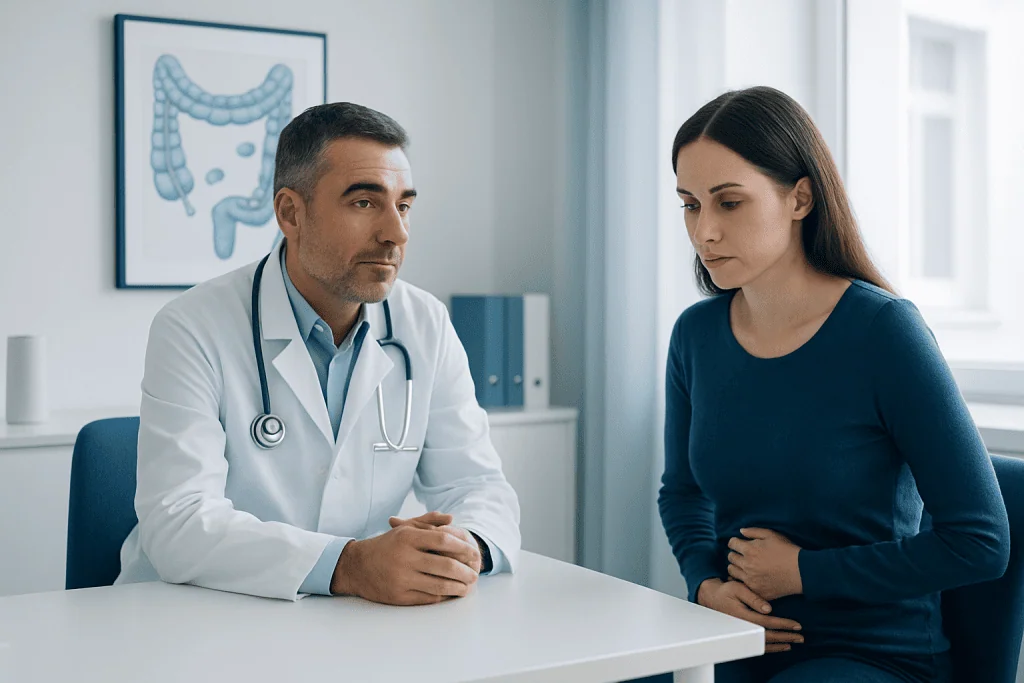
Many polyps cause no symptoms at all. A person may feel completely well and still have a polyp discovered on screening, imaging, or endoscopy. This is one reason routine health checks and age-appropriate cancer screening remain important.
When symptoms do occur, they usually reflect the polyp’s location. Colon polyps may cause rectal bleeding, blood in the stool, mucus, a change in bowel habits, or anemia from slow blood loss. Large polyps can sometimes cause cramping or a feeling of incomplete emptying, although this is less common.
Nasal polyps may lead to ongoing nasal blockage, mouth breathing, facial pressure, snoring, reduced sense of smell or taste, and repeated sinus infections. Uterine or cervical polyps can cause irregular menstrual bleeding, bleeding after intercourse, spotting after menopause, or unusual discharge. Stomach polyps are often symptomless, but some may be linked with indigestion, bleeding, or anemia.
Symptoms alone cannot confirm whether a growth is a polyp or determine whether it is benign. Similar complaints can also occur with hemorrhoids, sinusitis, fibroids, ulcers, or other conditions. A medical evaluation helps identify the real cause and the best next step.
Causes and risk factors
Polyps develop when cells in a lining tissue grow in an abnormal or disorganized way. The exact reason is not always clear, but several factors may contribute. Chronic inflammation is one of the best known. This is especially relevant for nasal polyps, which are often associated with ongoing sinus inflammation, allergies, asthma, or sensitivity to certain medications.
Age is another important factor, particularly for colon polyps. Risk generally rises as people get older. Family history can also matter. Some inherited conditions increase the chance of developing multiple polyps or colorectal cancer at a younger age. Doctors may ask about relatives with colon cancer, numerous bowel polyps, or hereditary syndromes.
Hormonal influences may play a role in uterine polyps, which are more common around or after menopause but can occur earlier as well. Conditions affecting the stomach lining, such as chronic gastritis, may be linked with some gastric polyps. Lifestyle factors such as smoking, obesity, and a diet low in fiber may also be relevant for certain digestive tract polyps, although individual risk varies.
Having a risk factor does not mean a person will definitely develop polyps, and people without clear risk factors can still have them. That is why screening and symptom-based assessment are both important. Doctors combine family history, age, symptoms, examination, and test results to judge what level of follow-up is appropriate.
How polyps are diagnosed
Diagnosis depends largely on where the polyp is located. Colon polyps are commonly identified during colonoscopy, which allows the doctor to examine the inner lining of the colon directly and often remove suspicious growths at the same time. Stool-based screening tests can suggest the need for colonoscopy, but they do not diagnose a polyp by themselves. Patients may be referred for colonoscopy for screening, symptoms, or follow-up.
Nasal polyps are often diagnosed through a physical examination of the nose, nasal endoscopy, and sometimes imaging such as CT scans of the sinuses. In gynecology, uterine or cervical polyps may be found during pelvic examination, ultrasound, hysteroscopy, or biopsy. Stomach polyps are usually discovered during upper endoscopy performed for symptoms such as reflux, anemia, or abdominal discomfort. In some cases, endoscopy helps both diagnosis and treatment planning.
A tissue sample, called a biopsy, is often the most important part of evaluation. Looking at cells under a microscope shows whether a polyp is inflammatory, hyperplastic, adenomatous, precancerous, or malignant. This information guides decisions about treatment and how often future checks are needed.
If a person has multiple polyps, an unusual family history, or polyps at a young age, doctors may suggest further evaluation for hereditary polyposis syndromes. This may include a more detailed family history, genetic counseling, or additional testing. The aim is to tailor prevention and surveillance for the patient and, in some cases, their relatives.
Treatment options and follow-up
Treatment is based on the type of polyp, its location, symptoms, and biopsy results. Some small, clearly benign polyps may simply be monitored over time. Others are removed because they are causing symptoms, bleeding, blockage, fertility problems, or because their type carries a higher risk of cancerous change.
Colon polyps are often removed during colonoscopy in a procedure called polypectomy. This allows both treatment and laboratory analysis. Stomach polyps may also be removed during endoscopy depending on their size and appearance. Uterine polyps can be removed through hysteroscopy, while cervical polyps are often removed during a simple office procedure if needed. If bowel findings are more complex, care may also involve gastroenterology specialists.
Nasal polyps are commonly managed first with medicines that reduce inflammation, such as steroid nasal sprays or other doctor-prescribed treatments. If symptoms persist, if the polyps are large, or if sinus blockage is severe, surgery may be considered to improve airflow and drainage. Even after successful treatment, some polyps can return, so ongoing follow-up may be needed.
After removal, the pathology report determines the next steps. In colon polyps, this can affect when the next colonoscopy is recommended. In uterine, stomach, or nasal polyps, the findings help decide whether the issue is resolved or whether repeat examination is sensible. Near the end of the care pathway, patients may also seek coordinated assessment at centers such as Acibadem International, where multidisciplinary specialists in JCI-accredited hospitals diagnose and treat polyp-related conditions for international patients.
Prevention and self-care
Not all polyps can be prevented, especially when genetic factors are involved. Still, healthy habits may lower risk in some cases and support earlier detection. For bowel health, doctors often encourage a balanced diet rich in fruits, vegetables, and fiber, along with regular physical activity, a healthy weight, and avoiding tobacco. Following recommended screening schedules is one of the most effective ways to prevent problems from colon polyps.
For nasal polyps, managing underlying inflammation can be helpful. This may include controlling allergies, asthma, or chronic sinus disease under medical guidance, avoiding irritants such as smoke when possible, and using prescribed nasal treatments correctly. Self-treating persistent nasal blockage without an assessment may delay the right diagnosis.
People with uterine or cervical polyps cannot always prevent them, but they can support earlier diagnosis by paying attention to unusual bleeding, spotting after menopause, or changes in menstrual patterns. Keeping regular gynecologic appointments is especially useful if symptoms recur or if there is a history of prior polyps.
Most importantly, patients should not ignore follow-up recommendations after a polyp is found. A removed polyp may solve the problem, but surveillance may still matter because new polyps can form later. Asking for a clear plan about repeat testing, symptom monitoring, and pathology results can make long-term care easier to manage.
When to seek medical care
Medical attention is advisable if there is rectal bleeding, black stools, persistent changes in bowel habits, repeated nasal blockage that does not improve, loss of smell, unusual uterine bleeding, bleeding after menopause, or unexplained anemia. These symptoms do not always mean a polyp is present, but they do deserve proper evaluation.
Prompt care is especially important when bleeding is heavy, abdominal pain is severe, breathing through the nose becomes very difficult, or dizziness and weakness suggest significant blood loss. Patients with a strong family history of colorectal cancer or multiple polyps should discuss screening earlier than the general population if advised by a doctor.
It is also sensible to seek medical advice after a test result mentions a polyp, even if no symptoms are present. The main questions are whether the finding is truly significant, whether removal is needed, and what follow-up interval is safest. A qualified clinician can explain the meaning of the result in context.
For patients already diagnosed with a related condition, regular review is part of good care. This is particularly true when a pathology report shows precancerous change, when polyps recur, or when symptoms continue after treatment. Timely specialist evaluation helps keep management accurate, measured, and individualized.
Frequently asked questions
Are polyps always cancerous?
No. Many polyps are benign and never become cancer. However, some types, especially certain colon polyps, can develop abnormal changes over time, which is why doctors may recommend removal or regular follow-up.
Can polyps go away on their own?
Some inflammatory polyps may shrink if the underlying irritation is treated, especially in the nose. Many other polyps do not disappear on their own and may need monitoring or removal depending on their type and location.
What is the difference between a polyp and a tumor?
A polyp is a growth that projects from a lining surface, such as the colon or nose. A tumor is a broader term for an abnormal mass and can be benign or malignant; some polyps are a type of tumor, but not all tumors are polyps.
Do all colon polyps need to be removed?
Many colon polyps are removed when found because some can become cancerous over time and removal is often possible during colonoscopy. The decision depends on factors such as size, appearance, number, and pathology findings.
Can nasal polyps come back after treatment?
Yes. Nasal polyps can recur, particularly when long-term inflammation, allergies, asthma, or chronic sinus disease continue. Ongoing medical treatment and follow-up can help reduce symptoms and monitor for return.
Are uterine polyps a cause of abnormal bleeding?
They can be. Uterine polyps may cause irregular periods, spotting between periods, or bleeding after menopause, although other conditions can cause similar symptoms. A gynecologic evaluation is the best way to identify the cause.
References
- World Health Organization
- Centers for Disease Control and Prevention
- National Cancer Institute
- American College of Gastroenterology
- American Academy of Otolaryngology–Head and Neck Surgery
This article is for general information only and is not a substitute for professional medical advice. Please consult a qualified doctor about your individual situation.
Persistent digestive symptoms? Get evaluated in Turkey
JCI-accredited · board-certified surgeons · reply within 24h
Add us as a Preferred Source to see more of our trusted health content across Google Search, AI Overviews and Discover.