Chewing Gum after Surgery: Procedure, Recovery and Results

Chewing gum may help stimulate bowel movement after some abdominal operations. It is not appropriate immediately after every operation or for every patient.
Key Takeaways
- Chewing gum may help stimulate bowel movement after some abdominal operations.
- It is not appropriate immediately after every operation or for every patient.
- The surgical team should confirm when it is safe to chew gum, drink, and eat.
- Walking, pain control plans, and gradual nutrition are also important for bowel recovery.
- Persistent vomiting, worsening abdominal swelling, severe pain, or inability to pass gas need medical assessment.
Chewing gum after surgery can act like “sham feeding,” stimulating digestive reflexes without eating food. For some patients, especially after abdominal or pelvic surgery, it may support an earlier return of bowel activity when approved by the care team.
Overview: Why Chewing Gum Is Used After Surgery
Chewing gum after surgery is a simple recovery measure sometimes used to encourage the gut to start working again. Chewing creates signals similar to eating: saliva production increases, nerves involved in digestion are activated, and the body may release digestive hormones. This is often called sham feeding because the person chews without swallowing a meal.
After anesthesia and surgery, particularly surgery involving the abdomen or pelvis, the intestines may temporarily slow down. This expected short-term reduction in movement is sometimes called postoperative ileus. It can cause bloating, nausea, discomfort, delayed passing of gas, and a slower return to normal eating.
Gum is not a treatment for a surgical complication and does not replace the recovery plan provided by the surgeon. It may be one small part of enhanced recovery care alongside early, safe movement, careful use of pain medicines, hydration, and a gradual return to food.
How Chewing Gum May Support Bowel Recovery
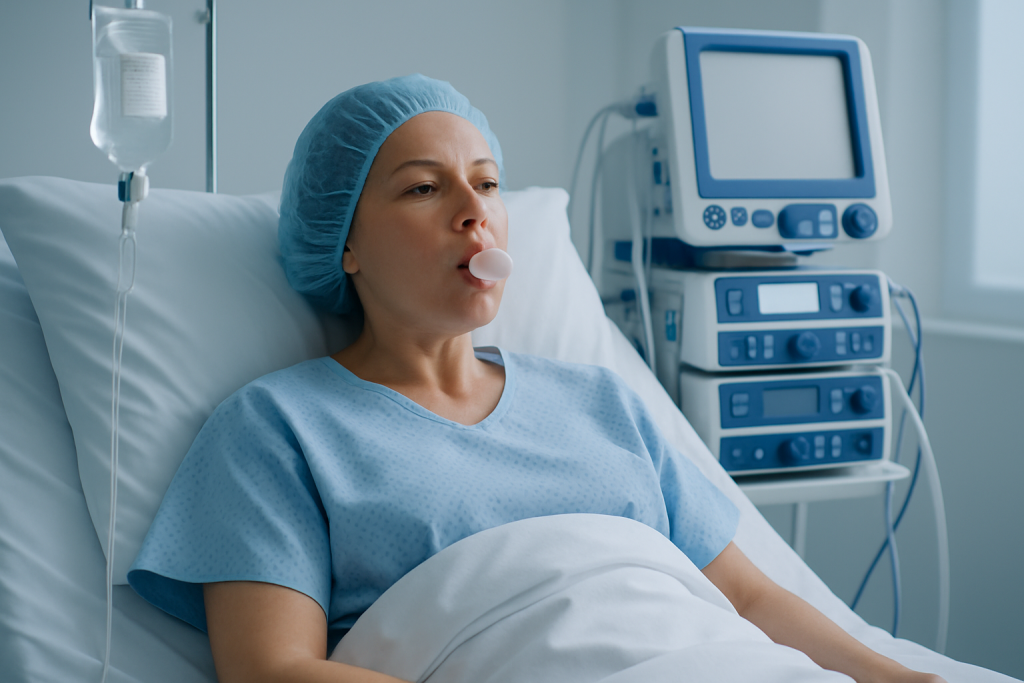
Chewing activates the mouth and digestive nervous system. The body anticipates food entering the stomach and may increase gastrointestinal activity. In some studies of patients undergoing colorectal, gynecologic, and other abdominal procedures, gum chewing has been associated with earlier passage of gas or stool and, in some settings, a shorter time to bowel recovery.
The effect is modest and results vary between operations and hospitals. Modern surgical recovery pathways already use several measures that help reduce ileus, such as minimally invasive surgery where appropriate, early mobilization, balanced fluid management, and pain-relief approaches that limit opioid medicines when possible. Gum may offer an additional low-risk option for suitable patients.
It is important not to begin chewing gum after anesthesia simply because a person feels awake. The airway-protection reflexes, swallowing ability, nausea level, and specific operation all matter. A nurse, anesthesiologist, or surgeon can advise when oral intake, including gum, is safe.
Is It Good to Chew Gum After Surgery?

For selected patients, chewing sugar-free gum after surgery can be helpful, particularly when the goal is to encourage bowel function after abdominal or pelvic surgery. It is generally considered an optional supportive measure rather than a requirement. The most suitable timing, frequency, and type of gum depend on the operation and the individual’s recovery.
Patients should wait for approval from their surgical team. Gum may not be appropriate for someone who is very drowsy, has ongoing vomiting, has swallowing difficulties, is required to remain strictly fasting, has bowel obstruction concerns, or has had certain mouth, jaw, throat, or gastrointestinal operations.
Sugar-free gum is often preferred because repeated exposure to sugar can increase the risk of tooth decay. However, some sugar-free products contain sweeteners that can cause gas, bloating, or loose stools in sensitive people. If gum causes nausea, cramping, jaw pain, or increased bloating, it should be stopped and reported to the care team.
Is Chewing Gum Good for Recovery After Laparoscopic Surgery?
Chewing gum may be appropriate after laparoscopic surgery when the surgeon permits it, especially after laparoscopic operations involving the bowel, stomach, gallbladder, pelvis, or urinary system. Laparoscopic surgery usually involves smaller incisions and may allow earlier mobilization and recovery than open surgery, but anesthesia and handling of abdominal organs can still temporarily slow bowel activity.
The benefit of chewing gum after laparoscopic surgery is not the same for every procedure. Following a short, uncomplicated operation, many people recover bowel function quickly without needing gum. After more extensive procedures, gum may be incorporated into a structured recovery pathway as one part of care.
Patients should follow their personalized instructions about drinking, eating, and medications rather than using gum as a sign that they can resume a regular diet. In particular, gum should not be used to manage persistent nausea, severe abdominal pain, or inability to tolerate fluids. These symptoms require assessment.
Who May Be a Candidate and What the Process Looks Like
Potential candidates include adults recovering from certain abdominal, colorectal, pelvic, or gynecologic procedures who are alert, able to swallow safely, and clinically stable. The decision is made by the treating team after considering the operation performed, anesthesia recovery, bowel status, nausea, aspiration risk, and any dietary restrictions.
Where gum is included in recovery care, the process is straightforward. Once the team authorizes it, the patient receives an appropriate gum and chews it for brief, planned periods while awake. They should not swallow the gum and should stop if they feel unwell. The clinical team continues to monitor abdominal symptoms, hydration, passing of gas or stool, and tolerance of fluids and food.
Gum chewing is not suitable for everyone. It may be avoided after surgery of the mouth, jaw, esophagus, stomach, or upper airway; in people with significant swallowing problems; or when there is a concern for bowel blockage, leakage, severe ileus, or aspiration. People with dentures, temporomandibular joint problems, or dental pain may also find chewing uncomfortable.
- Ask the team when chewing gum is safe after the specific procedure.
- Choose only the type of gum permitted by the care team.
- Do not use gum as a substitute for prescribed nutrition or medication instructions.
- Tell staff promptly about worsening bloating, vomiting, or pain.
When Do Bowels Wake Up After Surgery?
The bowel does not usually restart all at once. The small intestine often begins recovering within hours, while the stomach and colon can take longer. Passing gas, hearing bowel sounds, feeling less distended, tolerating fluids, and eventually having a bowel movement are all possible signs that gastrointestinal activity is returning.
Many people notice progress over the first few days after surgery, but the timeline depends on the type and extent of surgery, whether it was open or minimally invasive, the use of opioid pain medicines, underlying health conditions, and whether a complication develops. Major bowel operations may require a longer recovery than minor procedures.
Walking as soon as it is safe, following fluid and nutrition guidance, and using pain medication exactly as prescribed can support recovery. Patients should not take laxatives, herbal products, or over-the-counter digestive remedies unless their surgical team recommends them. These products may be unsuitable after certain operations.
How to Heal Gums After Surgery?
Gum chewing after surgery is different from healing the gums after dental or oral surgery. After a tooth extraction, gum surgery, implant procedure, or oral operation, chewing gum is usually avoided until the dentist or oral surgeon confirms that the wound has healed sufficiently. Chewing can disturb a clot, irritate stitches, increase bleeding, or place pressure on the operated area.
Oral wound care typically focuses on gentle hygiene, taking prescribed medicines as directed, choosing recommended soft foods, and avoiding smoking or tobacco exposure. Patients should follow specific instructions about rinsing, brushing near the surgical site, and when to return to normal eating. Vigorous rinsing or spitting soon after an extraction may interfere with healing.
Contact the dental or surgical team if bleeding does not settle, pain becomes worse after initially improving, swelling increases, fever occurs, or there is a foul taste or discharge. These symptoms do not always indicate a serious problem, but they should be assessed promptly.
Benefits, Risks and When to Seek Medical Care
The potential benefit of chewing gum post surgery is earlier stimulation of digestive activity in suitable patients. It is inexpensive, non-invasive, and usually well tolerated when used with clinical approval. However, it should never delay evaluation of symptoms that could indicate a complication.
Possible drawbacks include nausea, bloating, jaw fatigue, dental discomfort, or loose stools related to some sugar substitutes. More importantly, chewing too soon after anesthesia may present a choking or aspiration risk if a person is not fully alert or cannot swallow normally. This is why staff approval is essential.
Seek urgent medical care or notify the surgical team immediately for repeated vomiting, worsening or severe abdominal pain, a swollen or rigid abdomen, fever, fainting, shortness of breath, inability to keep fluids down, new wound drainage, or concerns about bleeding. A lack of bowel movement alone is not always an emergency, but it should be discussed if accompanied by worsening symptoms or if recovery is not progressing as expected.
Acibadem International’s multidisciplinary specialists and JCI-accredited hospitals support international patients with individualized surgical recovery plans, including assessment of bowel function and postoperative symptoms.
Frequently asked questions
Can chewing gum after surgery prevent postoperative ileus?
Chewing gum may support earlier return of bowel activity in some patients, but it cannot reliably prevent postoperative ileus. Prevention and management also depend on the operation, early movement, pain-control choices, fluid balance, and prompt recognition of complications.
Can a patient chew gum immediately after anesthesia?
Not usually without permission from the care team. After anesthesia, a person must be alert and able to swallow safely before chewing gum, drinking, or eating. The timing depends on the procedure and the person’s condition.
Should gum be sugar-free after surgery?
Sugar-free gum is often preferred because it limits sugar exposure to the teeth. Some sugar substitutes can cause bloating or diarrhea, so patients should stop chewing and tell their care team if these symptoms occur.
Does chewing gum mean it is safe to eat normally?
No. Gum chewing does not confirm that the stomach and intestines are ready for a regular diet. Patients should advance from fluids to food only according to the instructions provided by their surgeon or nurse.
What if there is no gas or bowel movement after surgery?
A delayed bowel movement can be common after surgery, especially after abdominal procedures or opioid pain medicines. However, worsening swelling, vomiting, severe pain, fever, or inability to tolerate fluids should be reported urgently because these symptoms need assessment.
Can chewing gum be used after oral or dental surgery?
Chewing gum is generally avoided after dental or oral surgery until the treating dentist or surgeon says healing is adequate. Chewing may irritate the wound, dislodge a blood clot, or damage stitches, particularly after an extraction or gum procedure.
References
- American College of Surgeons
- American Society of Colon and Rectal Surgeons
- Enhanced Recovery After Surgery Society
- National Institute of Diabetes and Digestive and Kidney Diseases
- World Health Organization
This article is for general information only and is not a substitute for professional medical advice. Please consult a qualified doctor about your individual situation.
Persistent digestive symptoms? Get evaluated in Turkey
JCI-accredited · board-certified surgeons · reply within 24h
Add us as a Preferred Source to see more of our trusted health content across Google Search, AI Overviews and Discover.

More from the Health Library



Related Specialists

Dr. Nida Özer
Gynecology & Obstetrics
Dr. Bora Çatal
Anesthesiology
Dr. Cem Öz
Aesthetic Plastic & Reconstructive Surgery
Assoc. Prof. Dr. Abdülhak Hamit Karayağız
General Surgery