Child Neurology Second Opinion: When It Can Help

A second opinion can confirm a diagnosis or offer a different perspective on symptoms, testing, or treatment. It may be especially helpful for rare disorders, unclear symptoms, seizures, developmental concerns, or when treatment is not working as expected.
Key Takeaways
- A second opinion can confirm a diagnosis or offer a different perspective on symptoms, testing, or treatment.
- It may be especially helpful for rare disorders, unclear symptoms, seizures, developmental concerns, or when treatment is not working as expected.
- Seeking another specialist's view does not replace the child's main doctor; it can support better-informed decisions.
- Parents should bring medical records, imaging, test results, medication lists, and questions to the appointment.
- Urgent symptoms such as prolonged seizures, sudden weakness, or severe changes in consciousness need immediate medical care, not a routine second opinion.
A child neurology second opinion can help families better understand a diagnosis, test result, or treatment plan when a child has neurological symptoms or a complex condition. It is a common, appropriate step that may bring clarity, reassurance, or additional options for care.
Overview
A child neurology second opinion means asking another qualified pediatric neurologist to review a child’s symptoms, medical history, test results, and treatment plan. This may be helpful when a diagnosis is uncertain, a condition is complex, symptoms are changing, or parents simply want added confidence before making important decisions. In many cases, a second opinion either confirms the original plan or helps refine it.
Neurological conditions in children can affect the brain, spinal cord, nerves, muscles, movement, learning, behavior, development, or seizures. Because some symptoms overlap across different conditions, careful assessment is important. A second specialist may notice details that suggest a different diagnosis, recommend additional tests, or explain the condition in a clearer way.
Families sometimes worry that asking for another opinion may offend the first doctor. In practice, second opinions are a normal part of medicine, especially in pediatric neurology, where conditions can be rare or evolve over time. The goal is not to question anyone’s intentions, but to make sure the child receives the most accurate diagnosis and the most suitable care plan.
When a Second Opinion Can Be Helpful
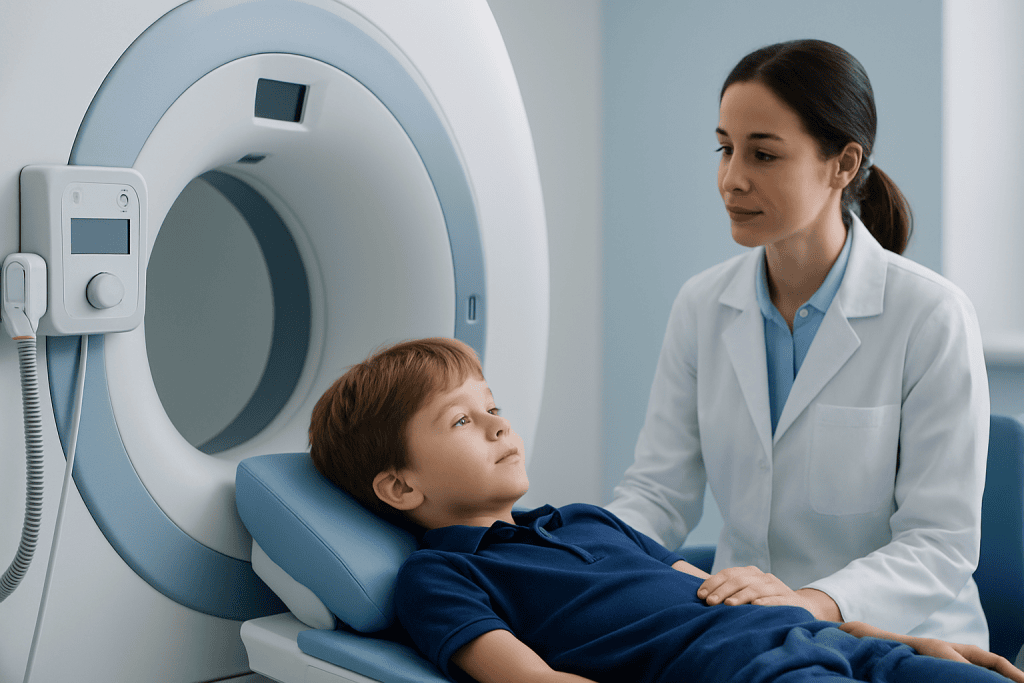
A second opinion can be useful whenever parents feel uncertain or need more explanation. This may happen if a child has unexplained episodes, ongoing headaches, weakness, developmental delays, learning changes, movement problems, or unusual behaviors that may have a neurological cause. It can also help if test results are difficult to understand or if different doctors have offered different explanations.
It is often especially valuable in situations involving epilepsy, neuromuscular disorders, complex migraines, developmental regression, suspected genetic or metabolic conditions, or possible brain or spine abnormalities. Some children are diagnosed with conditions that are uncommon, and a specialist with focused experience may help confirm whether the diagnosis fits.
Parents may also seek another opinion when treatment is not working as expected, side effects are difficult to manage, or a more invasive treatment is being considered. For example, if a child has seizures that continue despite medication, a fresh review may help guide next steps, including epilepsy care or further evaluation. A second opinion can also be helpful before decisions about procedures, rehabilitation plans, or long-term medications.
- The diagnosis is unclear or has changed over time
- Symptoms are worsening or not improving
- Tests have shown an abnormality that needs expert interpretation
- Treatment has not helped or has caused concerning side effects
- A rare condition or surgery is being discussed
- Parents want reassurance before making a major decision
What Issues Pediatric Neurologists Commonly Review
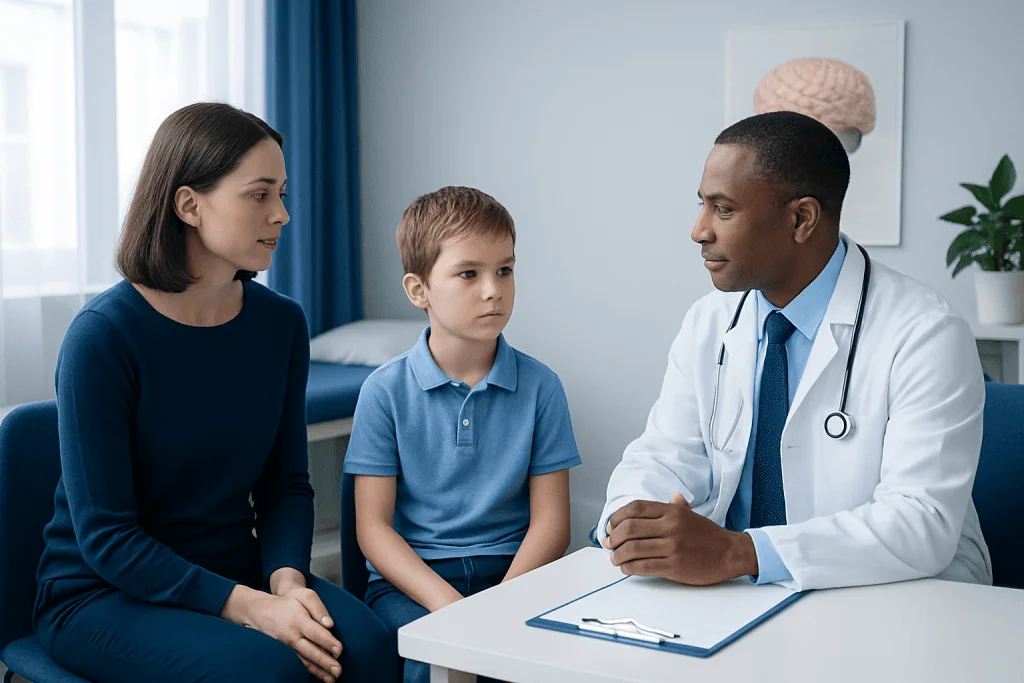
Pediatric neurologists assess a wide range of symptoms and conditions. A second opinion may focus on seizures, fainting-like episodes, developmental delay, autism-related neurological questions, headaches, tics, tremors, muscle weakness, coordination problems, sleep-related events, or concerns after an abnormal MRI or EEG. In some children, the main issue is not one symptom but a pattern of changes over time.
Specialists may also review whether a child’s symptoms could be related to another medical problem outside the nervous system, such as a genetic, metabolic, orthopedic, sleep, or endocrine disorder. This broader view is important because not every event that looks neurological begins in the brain or nerves. Careful interpretation can sometimes avoid unnecessary tests or treatment.
In addition, pediatric neurologists often revisit diagnoses made in early childhood, especially when a child’s development changes. A child once thought to have a benign condition may need closer evaluation if new symptoms appear, while a serious concern may prove less worrisome after expert review. In this way, the second opinion can support both accuracy and peace of mind.
How the Second Opinion Process Works
The process usually begins with collecting the child’s medical records. These may include clinic notes, hospital summaries, growth and development history, school or therapy reports, laboratory results, EEGs, MRI or CT scans, genetic testing, and a current medication list. Parents often find it helpful to write a timeline of symptoms, including when they started, how often they happen, what triggers them, and how the child acts before and after an episode.
During the consultation, the pediatric neurologist will ask detailed questions and perform a neurological examination appropriate for the child’s age. The doctor may assess strength, reflexes, movement, coordination, speech, behavior, vision-related responses, and developmental milestones. In younger children, much of the examination is done through play and observation.
After reviewing the information, the specialist may agree with the original diagnosis, suggest a revised diagnosis, recommend monitoring, or propose further testing. Depending on the concern, this might include MRI scanning, EEG testing, genetic evaluation, developmental assessment, or referral to another specialist. The aim is to build the clearest possible picture before changing treatment.
Some families seek second opinions in person, while others may be able to arrange review of records before travel. Near the end of the process, a written summary is often shared with the family and the child’s main doctor so that everyone involved in care can work from the same information.
Possible Benefits of a Second Opinion
One important benefit is diagnostic clarity. In pediatric neurology, symptoms can overlap, and conditions may look different at different ages. A second expert review can confirm that the diagnosis is correct or identify another explanation that better matches the child’s symptoms and test results.
Another benefit is treatment guidance. The specialist may explain the purpose of each medication, whether other options exist, and what results are realistic to expect. If a child has persistent seizures, movement symptoms, or weakness, the neurologist may review whether therapies such as rehabilitation, medication adjustments, or procedures are appropriate. In selected cases, coordinated care with pediatric rehabilitation can support function, mobility, communication, or daily activities.
A second opinion can also improve communication and confidence. Families often leave with a clearer understanding of what is known, what is uncertain, and what to watch for next. Even when the second doctor agrees fully with the first, that confirmation can make treatment decisions easier and reduce stress for parents.
When a condition is complex, care may involve several specialties. A multidisciplinary approach can be valuable for children with suspected cerebral palsy, neuromuscular disorders, developmental conditions, or structural brain findings. Bringing together neurology, rehabilitation, imaging, genetics, and pediatric care can help create a more complete plan.
How Parents Can Prepare for the Appointment
Preparation can make the appointment more productive. Parents should bring copies of medical records if possible, along with imaging discs or digital files, test reports, medication lists, allergy information, and notes from therapists or teachers when relevant. If the child has episodes such as seizures, staring spells, abnormal movements, or gait changes, a short video recorded safely on a phone can sometimes be very helpful.
It may also help to write down the most important questions in advance. Examples include: What diagnosis is most likely? Are any tests still needed? What are the benefits and risks of treatment? What should the family monitor at home? Is the condition expected to improve, stay stable, or require long-term follow-up?
Parents should be ready to discuss pregnancy and birth history, developmental milestones, family history, past illnesses, and any change in school performance or behavior. These details may seem unrelated, but in child neurology they can offer useful clues. Honest discussion about practical concerns, such as medication adherence or access to therapies, is equally important.
If families are traveling for care, they may wish to ask in advance how records should be sent and whether additional specialists might need to be seen on the same trip. Acibadem International’s multidisciplinary specialists in JCI-accredited hospitals evaluate and treat children with neurological concerns for international patients, with coordinated assessment when needed.
When to Seek Urgent Medical Attention
A second opinion is appropriate for many questions, but some neurological symptoms need immediate care. Parents should seek urgent medical attention if a child has a prolonged seizure, repeated seizures without recovery, sudden weakness on one side, trouble breathing, severe head injury, new confusion, inability to wake normally, or a sudden severe headache with vomiting or neck stiffness. These symptoms should not wait for a routine consultation.
Emergency assessment is also important for signs of infection affecting the nervous system, such as high fever with lethargy, unusual irritability, seizure, or a child who seems markedly less responsive than usual. Infants with a bulging soft spot, poor feeding, or abnormal movements also need prompt review.
After urgent issues are stabilized, a second opinion may still be helpful to understand the diagnosis and long-term care plan. In some cases, further evaluation may include EEG or repeat imaging, depending on what happened and what the first tests showed. Families should always follow emergency advice from qualified clinicians when serious symptoms occur.
Frequently asked questions
What is a child neurology second opinion?
It is an evaluation by another pediatric neurologist to review a child's symptoms, diagnosis, tests, and treatment plan. The goal is to confirm the current approach or identify other reasonable explanations or options.
Does getting a second opinion mean the first doctor was wrong?
No. In many cases, the second specialist agrees with the original diagnosis and plan. Even then, the extra review can help parents feel more confident and better informed.
When should parents consider a second opinion for neurological symptoms?
It may be helpful when symptoms are unclear, unusual, worsening, or not improving with treatment. Families often seek one before surgery, after abnormal imaging or EEG results, or when a rare disorder is suspected.
What records should be brought to the appointment?
Parents should bring clinic notes, hospital summaries, test results, imaging reports and files, medication lists, and any therapy or school reports that relate to the child's symptoms. A written symptom timeline and videos of episodes, when safe and available, can also be useful.
Can a second opinion change the treatment plan?
Yes, sometimes it can. The specialist may confirm the current plan, suggest different tests, adjust medications, recommend monitoring, or involve other specialists depending on the child's needs.
Will the child need more tests?
Not always. Some second opinions mainly involve reviewing existing records and explaining the diagnosis more clearly, while others lead to additional tests if important questions remain unanswered.
References
- American Academy of Neurology
- Child Neurology Foundation
- National Institute of Neurological Disorders and Stroke
- American Academy of Pediatrics
- World Health Organization
This article is for general information only and is not a substitute for professional medical advice. Please consult a qualified doctor about your individual situation.
Child Neurology in Turkey — costs, top hospitals & a free quote
JCI-accredited · board-certified surgeons · reply within 24h
Add us as a Preferred Source to see more of our trusted health content across Google Search, AI Overviews and Discover.

Neurology
Diagnosis and treatment of disorders of the brain, spinal cord, nerves and muscles.
51 specialists in this unit