Childhood Anemia: Causes, Symptoms, and When Blood Tests Are Needed

Childhood anemia is a common condition with many possible causes, including iron deficiency, infections, inherited disorders, and chronic illness. Symptoms may include tiredness, pale skin, irritability, poor feeding, dizziness, or reduced exercise tolerance, but some children have few symptoms.
Key Takeaways
- Childhood anemia is a common condition with many possible causes, including iron deficiency, infections, inherited disorders, and chronic illness.
- Symptoms may include tiredness, pale skin, irritability, poor feeding, dizziness, or reduced exercise tolerance, but some children have few symptoms.
- Blood tests help confirm anemia, show how severe it is, and guide treatment by identifying the underlying cause.
- Treatment depends on the cause and may include dietary changes, iron supplementation, vitamins, treatment of another illness, or specialist care.
- Parents should seek medical advice if a child looks unusually pale, tired, short of breath, or is not growing and developing as expected.
Childhood anemia happens when a child does not have enough healthy red blood cells or hemoglobin to carry oxygen well around the body. It is often treatable, but proper evaluation is important because anemia in children can have different causes.
Overview of childhood anemia
Childhood anemia is a condition in which a child has too few red blood cells, too little hemoglobin, or red blood cells that do not work as they should. Hemoglobin is the protein inside red blood cells that carries oxygen from the lungs to the rest of the body. When oxygen delivery is reduced, children may feel tired or weak, although some have no obvious symptoms at first.
Anemia is not a disease by itself. It is a sign that something is affecting red blood cell production, increasing red blood cell loss, or causing red blood cells to break down too quickly. In children, one of the most common reasons is iron deficiency, but anemia can also be linked to low intake of other nutrients, blood loss, inherited blood conditions, infections, inflammation, or long-term medical problems.
The condition can affect babies, toddlers, school-age children, and teenagers. The pattern may differ by age. Infants may become anemic if iron stores run low after birth, toddlers may drink too much cow’s milk and eat too little iron-rich food, and adolescents may develop anemia during rapid growth or, in girls, with menstrual blood loss.
Because the causes are varied, blood tests are often needed to understand what is happening. Early assessment helps prevent prolonged fatigue, learning difficulties related to poor concentration, and other complications associated with untreated anemia.
Symptoms of anemia in children
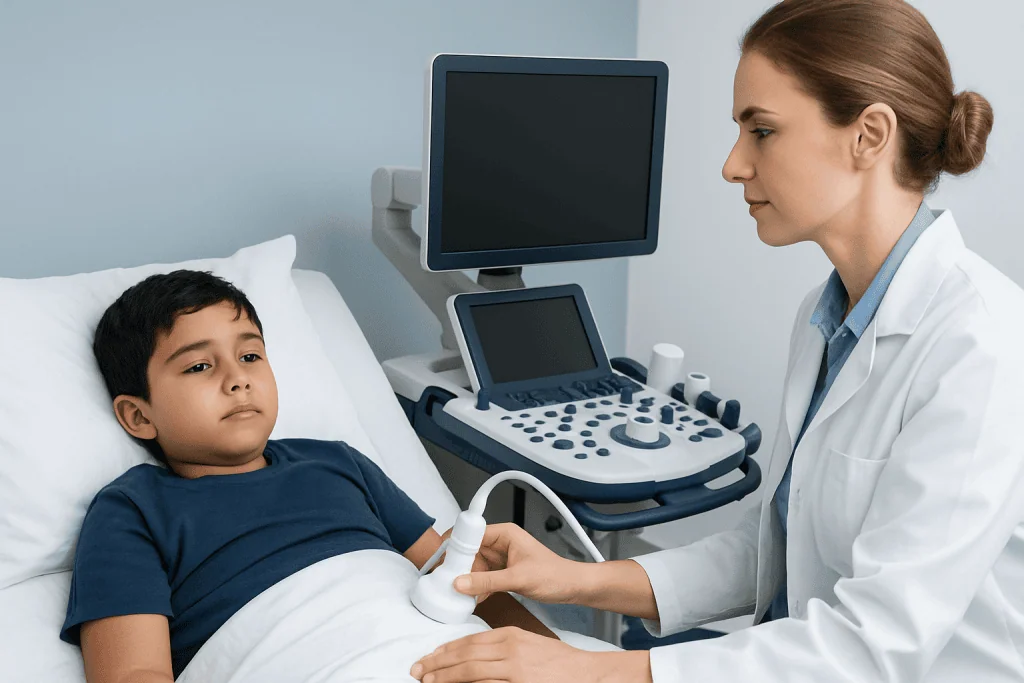
The signs of childhood anemia can be mild and easy to miss, especially if the anemia develops slowly. A child may seem more tired than usual, less interested in play, or more easily upset. Some children become pale, especially around the lips, inside the eyelids, or on the palms. Others may complain of headaches, dizziness, feeling cold, or reduced stamina during sports and physical activity.
In infants and younger children, symptoms can include poor feeding, irritability, delayed weight gain, and sleepiness. Parents may notice that a child is breathing a little faster than usual or wants to be carried more often. School-age children may have trouble concentrating or seem less energetic in class.
More pronounced anemia can cause shortness of breath, a fast heartbeat, faintness, or chest discomfort with exertion. Some children with iron deficiency develop unusual cravings such as eating ice, paper, or non-food items, a symptom known as pica. Depending on the cause, there may also be jaundice, dark urine, frequent infections, bruising, or bone pain.
These symptoms do not always mean a child has anemia, but they do justify medical advice, especially if they persist or worsen. A doctor can assess whether the symptoms are related to anemia or another problem such as infection, dehydration, poor sleep, or a thyroid condition.
Causes and risk factors
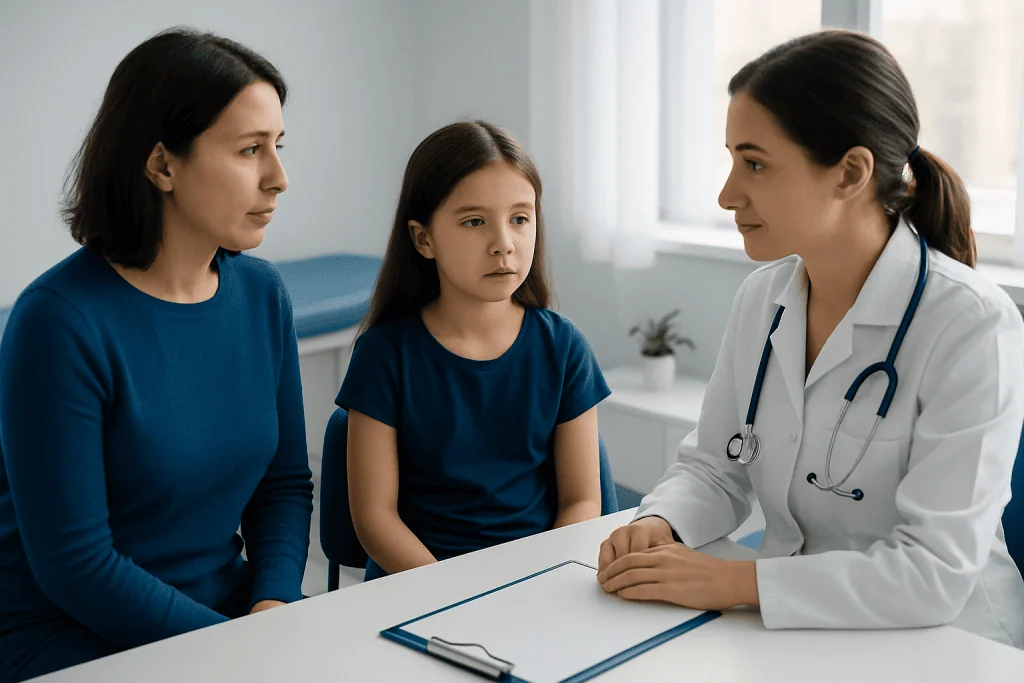
Iron deficiency is the most common cause of anemia in children. Iron is needed to make hemoglobin, and children can run low if their diet does not provide enough iron or if their needs increase during rapid growth. This is especially common in toddlers who drink a lot of cow’s milk, children with limited diets, and teenagers going through growth spurts.
Other nutritional causes include too little vitamin B12 or folate, although these are less common in children. Blood loss is another possibility. It may occur gradually through heavy menstrual periods, gastrointestinal bleeding, or less commonly from parasites or inflammatory bowel disease. Sometimes repeated nosebleeds or unseen bleeding in the digestive tract can contribute.
Certain illnesses can also lead to anemia. Infections, kidney disease, autoimmune conditions, chronic inflammation, and some cancers may reduce red blood cell production or shorten red blood cell survival. Inherited conditions are important as well, including thalassemia and sickle cell anemia, in which the shape or structure of red blood cells is abnormal.
Risk factors include premature birth, low birth weight, poor dietary variety, restricted eating patterns, chronic disease, family history of blood disorders, and exposure to lead. Children who have ongoing symptoms or known risk factors benefit from timely evaluation so that any underlying issue can be identified and managed appropriately.
When blood tests are needed
Blood tests are usually needed when a child has symptoms suggestive of anemia, appears pale or unusually tired, or has risk factors that make anemia more likely. A doctor may also order tests if a child is not growing well, has poor appetite, struggles with attention, or has an illness that can affect the blood. In some cases, anemia is found during routine screening at a certain age or before surgery.
The first test is often a complete blood count, also called a CBC. This shows the hemoglobin level and provides information about the size and number of red blood cells. Those details help doctors narrow down the cause. Additional tests may include ferritin and other iron studies, reticulocyte count, vitamin B12 and folate levels, markers of inflammation, kidney function tests, and a blood smear examined under a microscope.
If the history suggests inherited anemia, the child may need further tests such as hemoglobin electrophoresis or genetic studies. If blood loss is suspected, stool testing or other investigations may be recommended. In children with jaundice or concern for red blood cell breakdown, doctors may look for signs of hemolysis.
These tests are not ordered to worry families, but to make treatment more accurate and safe. For example, not every anemia is caused by iron deficiency, and giving supplements without confirmation may delay the correct diagnosis. When needed, blood analysis may be coordinated through hematology care or other pediatric specialists.
How childhood anemia is diagnosed
Diagnosis starts with a careful medical history and physical examination. The doctor may ask about diet, growth, birth history, medications, recent illnesses, bowel habits, family history, menstrual periods in adolescents, and any signs of blood loss. Questions about pica, fatigue, learning difficulties, and exercise tolerance can also be helpful.
On examination, the doctor looks for pallor, fast heart rate, jaundice, enlarged spleen, unusual bruising, mouth changes, or signs of poor growth. These clues can point toward iron deficiency, hemolytic anemia, nutrient deficiency, chronic disease, or another blood disorder. The pattern of symptoms and test results matters more than one single finding.
Once blood tests are reviewed, anemia is generally classified by the size of the red blood cells and whether the bone marrow is responding normally. Small red blood cells often suggest iron deficiency or thalassemia trait. Larger cells may suggest folate or vitamin B12 deficiency. A high reticulocyte count may mean the body is trying to replace blood cells lost through bleeding or hemolysis.
Some children need referral to a specialist, especially if anemia is severe, unexplained, recurrent, or linked to abnormal white blood cells or platelets. If a more complex blood disorder is suspected, a pediatrician may involve experts in pediatric hematology for further evaluation and treatment planning.
Treatment options for childhood anemia
Treatment depends entirely on the cause. For iron deficiency anemia, doctors usually recommend improving dietary iron intake and, when appropriate, an iron supplement. Foods rich in iron include lean meat, beans, lentils, eggs, fortified cereals, and dark green vegetables. Vitamin C from fruit or vegetables can help the body absorb iron better.
If anemia is caused by another nutrient deficiency, treatment may include folate or vitamin B12 replacement. When blood loss is the reason, the source of bleeding must be identified and treated. For example, an adolescent with heavy periods may need gynecologic evaluation, while a child with digestive symptoms may need assessment by a gastrointestinal specialist.
Inherited or chronic forms of anemia may require more specialized care. Some children need monitoring only, while others may need medicines, occasional blood transfusions, or treatment of the underlying disease. In severe or complicated cases, doctors may use blood transfusion support as part of hospital care, depending on the child’s symptoms and hemoglobin level.
Parents should avoid starting supplements on their own for long periods without medical guidance. Too much iron can be harmful, and self-treatment can mask important diagnoses. With the right plan and follow-up, many children improve well and regain energy, appetite, and normal activity.
Prevention and self-care
Prevention focuses on healthy nutrition and regular pediatric care. Babies should be fed according to pediatric guidance, and families can discuss whether iron-fortified formula or iron-containing complementary foods are appropriate. As children grow, meals that include iron-rich foods are important, especially during toddler years and adolescence when needs can be higher.
Limiting excessive cow’s milk in toddlers can help, since too much milk may reduce appetite for iron-rich foods and in some cases contribute to low iron. A balanced diet with sources of iron, protein, folate, and vitamin B12 supports healthy blood production. Children with restricted diets, food allergies, or vegetarian eating patterns may benefit from personalized nutrition advice.
Routine well-child visits are useful because growth, development, and risk factors can be reviewed over time. Children with a family history of inherited blood disorders or with chronic illnesses may need closer follow-up. Preventive care may also include screening when recommended by a child’s doctor.
If a child has already been diagnosed with anemia, parents can support recovery by giving medicines exactly as prescribed, keeping follow-up appointments, and watching for changes in energy, appetite, or symptoms. Near the end of the care pathway, some families may choose evaluation at centers such as Acibadem International, where multidisciplinary specialists in JCI-accredited hospitals diagnose and treat blood disorders in international patients.
When to see a doctor
Parents should arrange a medical review if a child seems persistently tired, pale, weak, short of breath with normal activity, or is not eating or growing well. A doctor should also assess recurrent headaches, dizziness, reduced school performance, pica, or heavy menstrual bleeding in adolescents. Even mild symptoms are worth discussing if they last.
Prompt medical attention is especially important if the child has severe tiredness, rapid breathing, fainting, chest pain, jaundice, dark urine, significant bruising, or signs of bleeding. These symptoms do not always mean a serious problem, but they need proper evaluation without delay. Infants and very young children should be assessed early because symptoms may be less specific.
Families should seek urgent care if a child is difficult to wake, has severe shortness of breath, appears very weak, or has symptoms after major blood loss. Ongoing or unexplained anemia should never be ignored, because treating the underlying cause is the key to recovery.
With timely diagnosis and appropriate treatment, many children with anemia do very well. A qualified pediatrician can explain the test results, discuss the likely cause, and create a safe plan that matches the child’s age, health, and nutritional needs.
Frequently asked questions
What is childhood anemia?
Childhood anemia means a child has too few healthy red blood cells or too little hemoglobin. As a result, the body may not carry oxygen as effectively as it should, which can lead to tiredness, paleness, and other symptoms.
Is iron deficiency the only cause of anemia in children?
No. Iron deficiency is common, but anemia can also be caused by vitamin deficiencies, blood loss, inherited blood disorders, infections, chronic disease, or red blood cells breaking down too quickly. That is why testing is important before deciding on treatment.
How do doctors test for anemia in children?
Doctors usually begin with a complete blood count to measure hemoglobin and look at red blood cell size and number. Depending on the results, they may order iron studies, vitamin levels, a reticulocyte count, or other tests to find the cause.
Can a child have anemia without obvious symptoms?
Yes. Mild anemia may cause no clear symptoms at first, especially if it develops gradually. Sometimes it is found during routine screening or when blood tests are done for another reason.
What foods can help prevent iron deficiency anemia in children?
Iron-rich foods include meat, beans, lentils, eggs, fortified cereals, and leafy green vegetables. Pairing these foods with vitamin C sources such as citrus fruits, tomatoes, or peppers can help the body absorb iron better.
Should parents give iron supplements without a doctor's advice?
It is best not to start iron supplements without medical guidance. Not all anemia is caused by iron deficiency, and too much iron can be harmful. A doctor can recommend the right treatment based on blood test results.
References
- World Health Organization
- American Academy of Pediatrics
- Centers for Disease Control and Prevention
- National Heart, Lung, and Blood Institute
- MedlinePlus
This article is for general information only and is not a substitute for professional medical advice. Please consult a qualified doctor about your individual situation.
Anemia in Turkey — costs, top hospitals & a free quote
JCI-accredited · board-certified surgeons · reply within 24h
Add us as a Preferred Source to see more of our trusted health content across Google Search, AI Overviews and Discover.