

Childhood Obesity: Causes, Health Risks, and Treatment Options

Childhood obesity is not simply a matter of willpower; it usually has many contributing factors. It can increase the risk of physical and emotional health problems both in childhood and later life.
Key Takeaways
- Childhood obesity is not simply a matter of willpower; it usually has many contributing factors.
- It can increase the risk of physical and emotional health problems both in childhood and later life.
- Assessment focuses on growth patterns, health history, lifestyle, and possible related conditions.
- Treatment usually centers on family-based nutrition, activity, sleep, and behavior changes rather than quick fixes.
- Parents should seek medical advice if a child is gaining weight rapidly or has related symptoms such as snoring, fatigue, or joint pain.
<a href="https://acibademinternational.com/diseases/childhood-obesity/”>Childhood obesity is a complex health condition influenced by eating habits, activity levels, sleep, family patterns, and sometimes medical factors. With early support, many children can improve their health, confidence, and long-term well-being through practical, family-centered care.
Overview of childhood obesity
Childhood obesity means a child has excess body fat that may affect health. Doctors do not judge this by weight alone. They usually look at body mass index, or BMI, in relation to a child’s age and sex, because children are still growing and their bodies change over time.
This condition is increasingly common and can affect children of all ages. It is shaped by many factors, including food choices, portion sizes, physical activity, screen time, sleep habits, emotional well-being, family routines, and sometimes genetics or hormone-related conditions. For this reason, childhood obesity is best understood as a medical and lifestyle issue rather than a personal failure.
Early recognition matters because excess weight in childhood can continue into adolescence and adulthood. Supportive care can help reduce health risks, improve energy and mobility, and build healthier lifelong habits. The most effective approach is usually gradual, realistic, and centered on the whole family.
Symptoms and signs to notice

Childhood obesity itself may not cause obvious symptoms at first. Often, parents notice that clothes become tight more quickly, a child becomes less active, or there is a visible change in body shape over time. Some children may appear healthy and energetic despite excess weight, which is why regular growth checks are useful.
In some cases, excess weight is linked with signs that suggest related health concerns. These can include getting out of breath easily, snoring during sleep, daytime tiredness, sweating more than expected, difficulty keeping up with physical activities, knee or back pain, or skin changes such as darker, velvety patches around the neck or underarms.
Emotional and social signs are also important. A child may become withdrawn, avoid sports, feel embarrassed about appearance, or experience teasing and bullying. These experiences can affect self-esteem and mental health, so care should be kind, respectful, and focused on health rather than blame.
- Rapid weight gain compared with height growth
- Reduced stamina during play or exercise
- Snoring or poor-quality sleep
- Joint discomfort or posture problems
- Low confidence, sadness, or social withdrawal
Causes and risk factors
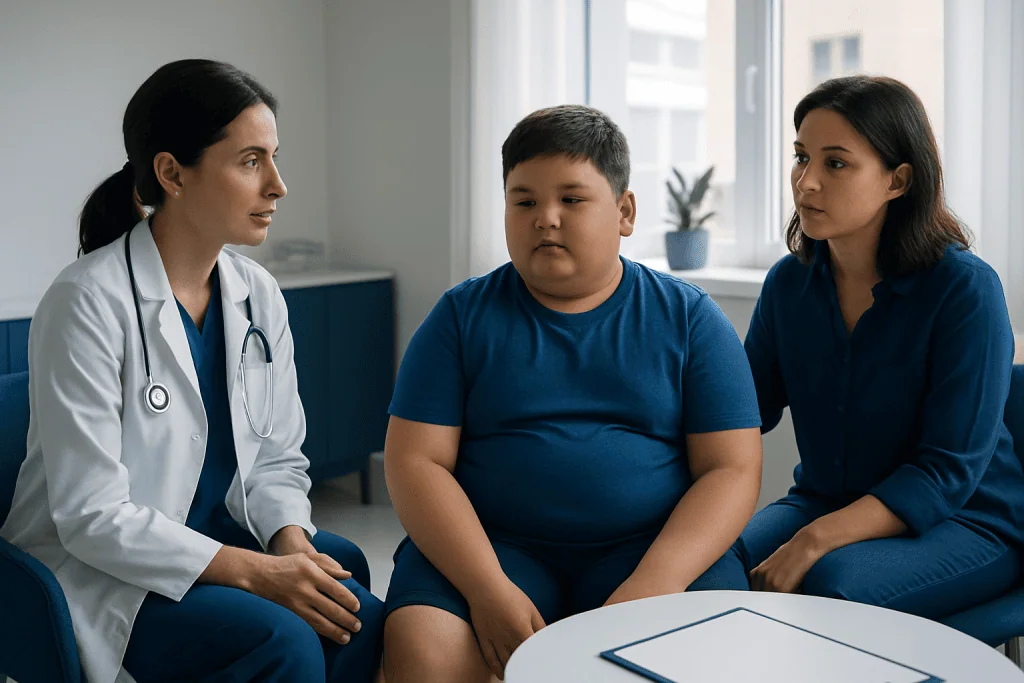
There is rarely one single cause of childhood obesity. Most often, it develops when a child regularly takes in more energy than the body uses. This can happen gradually through frequent high-calorie foods and drinks, large portions, low activity levels, or long periods spent sitting. Sugary beverages, processed snacks, irregular meal patterns, and eating while watching screens can also contribute.
Family and environmental factors play a major role. Children are influenced by what foods are available at home, how meals are structured, how often the family is active together, and how much sleep they get. Limited access to safe outdoor spaces, busy schedules, stress, and heavy screen use can all make healthy habits harder to maintain.
Biology can matter too. Some children have a genetic tendency to gain weight more easily, and uncommon medical conditions can contribute. Hormonal problems, certain medications, and disorders that affect mobility or development may increase risk. In some cases, doctors may also look for related conditions such as diabetes or problems affecting sleep, growth, or metabolism.
- High-calorie diet and frequent sugary drinks
- Low physical activity and increased screen time
- Inadequate sleep
- Family history of obesity or metabolic disease
- Stress, emotional eating, or disrupted routines
- Certain medicines or rare endocrine disorders
Health risks of childhood obesity
Childhood obesity can affect many parts of the body. It may increase the risk of high blood pressure, abnormal cholesterol levels, insulin resistance, type 2 diabetes, fatty liver disease, joint strain, breathing problems, and sleep apnea. The longer excess weight continues, the more likely some of these concerns become.
Bone and joint issues can develop because extra body weight places more pressure on growing bones and muscles. Some children experience foot pain, knee discomfort, or reduced flexibility. Others may become less active because movement feels harder, which can further affect fitness and strength.
The emotional impact should not be overlooked. Children with obesity may be more likely to experience teasing, body image concerns, anxiety, or low mood. When these feelings are recognized early, families and healthcare teams can support both physical and mental well-being. If needed, doctors may evaluate related complications such as sleep apnea or signs of metabolic disease.
How doctors diagnose and assess it
Diagnosis usually begins with a medical history and physical examination. A doctor will review the child’s growth chart, BMI percentile, eating habits, activity levels, sleep, medications, family history, and emotional well-being. Because children are still developing, a single number does not tell the whole story; patterns over time are especially important.
The doctor may also check blood pressure and look for signs of complications, such as insulin resistance or liver problems. Depending on the child’s age, symptoms, and overall health, blood tests may be recommended to assess cholesterol, blood sugar, liver function, or hormone-related concerns. This helps identify whether there are associated conditions that also need attention.
In some children, additional evaluation is needed if weight gain is very rapid, height growth is poor, puberty seems unusual, or symptoms suggest another medical cause. Assessment may involve specialists in pediatrics, endocrinology, nutrition, psychology, or sleep medicine so the child receives well-rounded care.
Treatment options for childhood obesity
The main treatment for childhood obesity is family-based lifestyle change. This usually includes balanced meals, regular physical activity, better sleep habits, and reducing sedentary time. The goal is not a strict diet or rapid weight loss. Instead, treatment focuses on steady, sustainable improvements that support healthy growth and reduce long-term risk.
Nutritional care may involve more vegetables, fruit, whole grains, lean protein, and fewer sugary drinks or heavily processed snacks. Families are often encouraged to eat together when possible, serve age-appropriate portions, keep regular meal times, and avoid using food as a reward. A pediatric dietitian can help create a realistic plan tailored to the child’s routine and needs.
Behavioral support can be very helpful. Children may benefit from goal setting, sleep routines, less screen exposure, and positive reinforcement for healthy habits. When emotional eating, stress, or low self-esteem are part of the picture, counseling may be recommended. In selected cases, especially when obesity is severe or linked to complications, doctors may discuss specialist options such as obesity treatment pathways for adolescents, but these are not first-line care for most children.
Some children need treatment for related conditions at the same time. For example, care may include support for diabetes management or evaluation in an endocrinology service if a hormonal cause is suspected. Near the end of the care pathway, families may also seek multidisciplinary assessment at centers such as Acibadem International, where JCI-accredited hospitals and pediatric specialists support international patients.
Prevention and self-care at home
Prevention starts with everyday routines rather than perfect eating. Families can support healthy growth by offering regular meals, keeping nutritious snacks available, limiting sugary drinks, and encouraging water as the main drink. It also helps to make healthy choices the household norm instead of singling out one child.
Physical activity should be age-appropriate and enjoyable. This may include walking, cycling, swimming, dancing, playground time, or active games. Children usually do better when activity feels fun and social rather than like a punishment. Limiting recreational screen time can create more room for movement, sleep, and family interaction.
Sleep is another important part of weight health. Children who do not sleep enough may be more likely to overeat, feel tired, and move less during the day. Consistent bedtimes, reduced evening screen use, and calm bedtime routines can all help. Parents should remember that progress is often gradual, and small changes maintained over time can make a meaningful difference.
- Serve regular meals and planned snacks
- Choose water instead of sugary drinks when possible
- Encourage active play every day
- Reduce screen time, especially during meals
- Support consistent sleep schedules
- Praise healthy behaviors rather than focusing only on weight
When to see a doctor
Parents should consider medical advice if they are concerned about a child’s weight, especially if weight gain seems faster than height growth. A doctor can assess whether the pattern is within a normal range for development or whether extra support would be helpful. Early advice can prevent frustration and reduce the chance of complications.
It is especially important to seek care if the child has snoring, pauses in breathing during sleep, unusual fatigue, joint pain, chest discomfort with exertion, constipation, frequent thirst, increased urination, or skin changes such as darkening around the neck. Emotional signs also matter, including bullying, social withdrawal, anxiety, or low mood.
If parents have already tried to make healthy changes without success, professional guidance can provide structure and reassurance. A pediatrician or specialist can help identify realistic next steps, rule out medical causes, and build a plan that supports the child’s physical and emotional health.
Frequently asked questions
What is considered childhood obesity?
Childhood obesity is usually defined using BMI for age and sex rather than adult BMI cutoffs. Doctors look at a child’s growth chart over time to understand whether weight is outside the expected range and whether it may affect health.
Can a child outgrow obesity on their own?
Some children may grow into their weight as height increases, but this should not be assumed without medical guidance. A doctor can tell whether a child’s growth pattern is healthy and whether supportive lifestyle changes are needed.
Is childhood obesity caused only by overeating?
No. Childhood obesity usually has several causes, including diet, physical inactivity, sleep, family habits, stress, genetics, and sometimes medical conditions or medicines. This is why treatment works best when it addresses the whole child and family environment.
What foods should families focus on?
In general, families are encouraged to offer balanced meals with vegetables, fruit, whole grains, lean proteins, and healthy fats. Reducing sugary drinks, fast food, and heavily processed snacks can help without making food feel forbidden or stressful.
Are weight-loss medicines or surgery used in children?
These options are not appropriate for every child and are usually considered only in selected situations, often in older adolescents with severe obesity or serious related health problems. Decisions are made carefully by specialists after a full medical assessment.
How can parents talk about weight without harming self-esteem?
It helps to focus on health, energy, sleep, strength, and family habits rather than appearance or blame. Supportive language, shared routines, and praise for positive behaviors can protect confidence while encouraging change.
References
- World Health Organization
- Centers for Disease Control and Prevention
- American Academy of Pediatrics
- National Institute of Diabetes and Digestive and Kidney Diseases
- National Health Service
This article is for general information only and is not a substitute for professional medical advice. Please consult a qualified doctor about your individual situation.
Obesity in Turkey — costs, top hospitals & a free quote
JCI-accredited · board-certified surgeons · reply within 24h
Add us as a Preferred Source to see more of our trusted health content across Google Search, AI Overviews and Discover.
Check your numbers in seconds
BMI, calories, due date, blood pressure and 30+ more clinical calculators — free, instant, doctor-reviewed ranges.

More from the Health Library



Related Specialists

Dr. Bülent Bolat
Cardiovascular Surgery
Dr. Mehmet Severcan
Aesthetic Plastic & Reconstructive Surgery
Assoc. Prof. Dr. Özgüç Takmaz
Gynecology & Obstetrics
Dr. Ülkü Tuba Parlakkılıç
Breast Clinic Clinical Service