Childhood Onset Schizophrenia Treatment: How It Works, Results and What to Expect
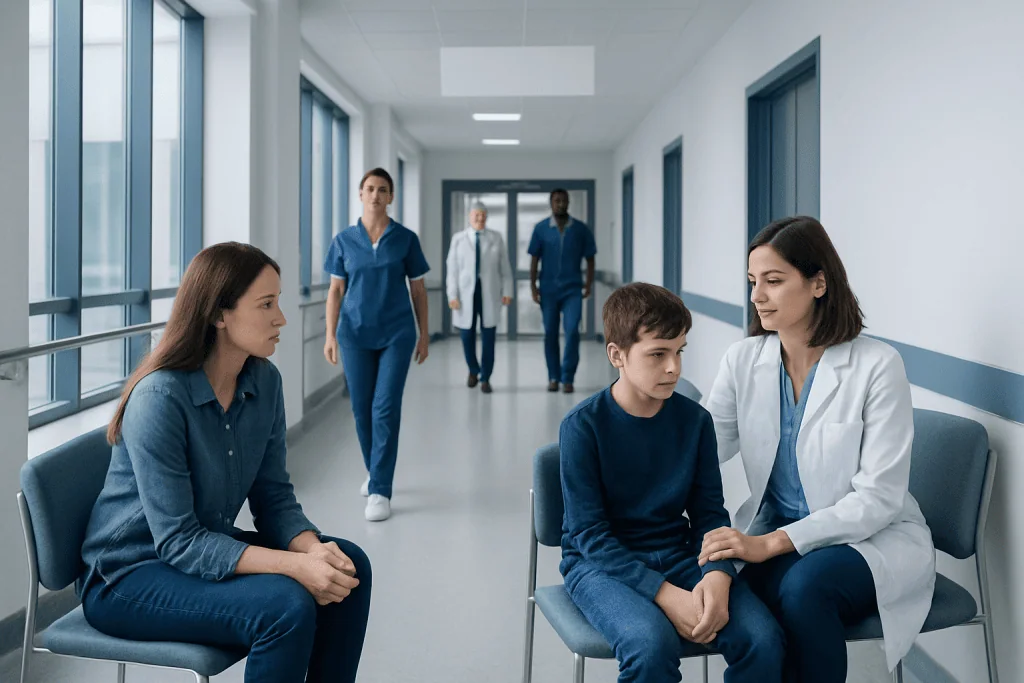
Childhood-onset schizophrenia is rare, particularly before age 10, and requires assessment by experienced child and adolescent mental health specialists. Treatment aims to reduce distressing psychotic symptoms, support development and schooling, and help the child and family manage daily life.
Key Takeaways
- Childhood-onset schizophrenia is rare, particularly before age 10, and requires assessment by experienced child and adolescent mental health specialists.
- Treatment aims to reduce distressing psychotic symptoms, support development and schooling, and help the child and family manage daily life.
- Antipsychotic medicines can be helpful but require close monitoring for benefits and side effects, including physical health changes.
- Family education, therapy, school support and predictable routines are important parts of care alongside medication.
- Urgent assessment is needed if a child may harm themselves or others, cannot care for basic needs, or has severe confusion or rapidly worsening behavior.
Childhood onset schizophrenia treatment is individualized and usually combines carefully monitored antipsychotic medication, psychological and family-based support, education planning, and regular follow-up. Early specialist assessment is important because symptoms can overlap with developmental, neurological, mood-related, trauma-related, and medical conditions.
Overview: How childhood onset schizophrenia treatment works
Childhood onset schizophrenia treatment works by combining medical care for psychosis with practical support for a child’s development, family life and education. The condition involves ongoing difficulties with thinking, perception, emotions and behavior, including psychotic symptoms such as hallucinations, delusions or markedly disorganized thinking. Care is usually coordinated by a child and adolescent psychiatrist with input from psychologists, pediatricians, nurses, social workers and school professionals.
There is no single test or one-size-fits-all treatment plan. The first priority is a careful assessment to confirm what is causing the symptoms and to identify urgent safety needs. When schizophrenia is diagnosed, antipsychotic medication is often a central part of treatment, while family education, psychological interventions, school accommodations and healthy routines help the child function as well as possible over time.
Symptoms and support needs can change as a child grows. Regular follow-up allows clinicians to review progress, adjust treatment thoughtfully, check physical health and help the family make decisions together. Treatment is usually long term, but many children and adolescents can experience meaningful improvement in symptoms, relationships and everyday participation with consistent, specialist-led care.
What are the symptoms of schizophrenia early onset?
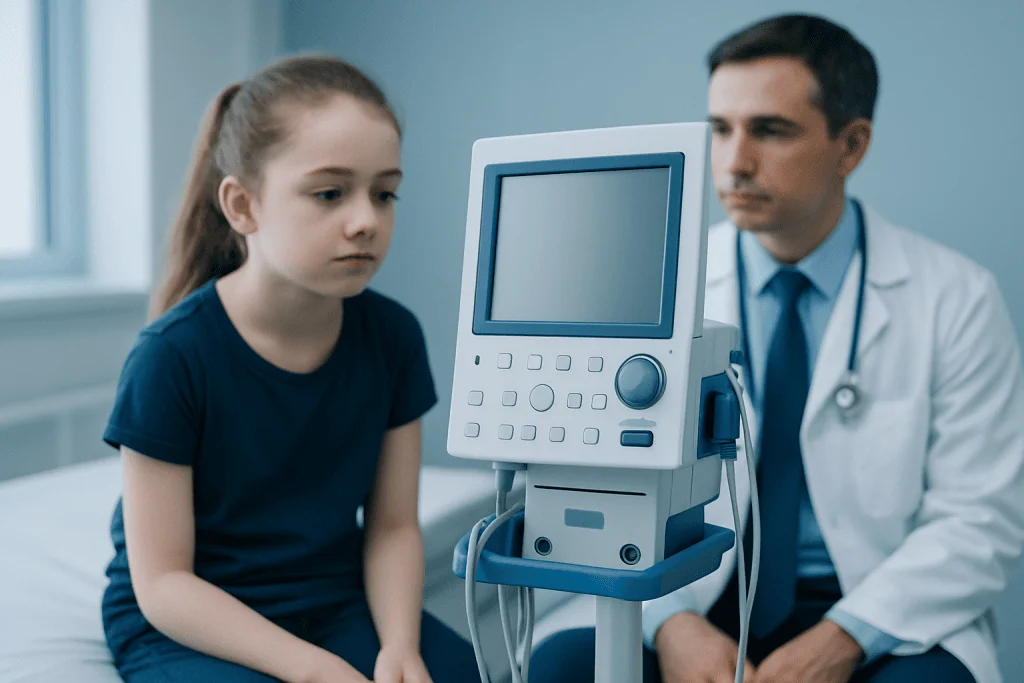
Early-onset schizophrenia refers to schizophrenia beginning before age 18. Before clear psychosis develops, some children show gradual changes such as social withdrawal, declining school performance, reduced motivation, unusual fears, sleep disruption, difficulty concentrating or less interest in personal care. These signs are not specific to schizophrenia and can occur in many other emotional, developmental or medical conditions.
More characteristic psychotic symptoms may include hearing voices or seeing things others do not experience, strongly held beliefs that are not supported by evidence, confused or hard-to-follow speech, and behavior that seems markedly disorganized. A child may also appear emotionally flat, lose interest in activities, speak less, or have difficulty starting and completing everyday tasks.
Children can have vivid imaginations, fears and temporary unusual experiences without having schizophrenia. What matters clinically is the pattern: symptoms that are persistent, distressing, impairing, or accompanied by a clear decline in functioning should be evaluated by a qualified professional. A clinician will consider other possible explanations before making this diagnosis.
Is schizophrenia common in children under 10 years old?
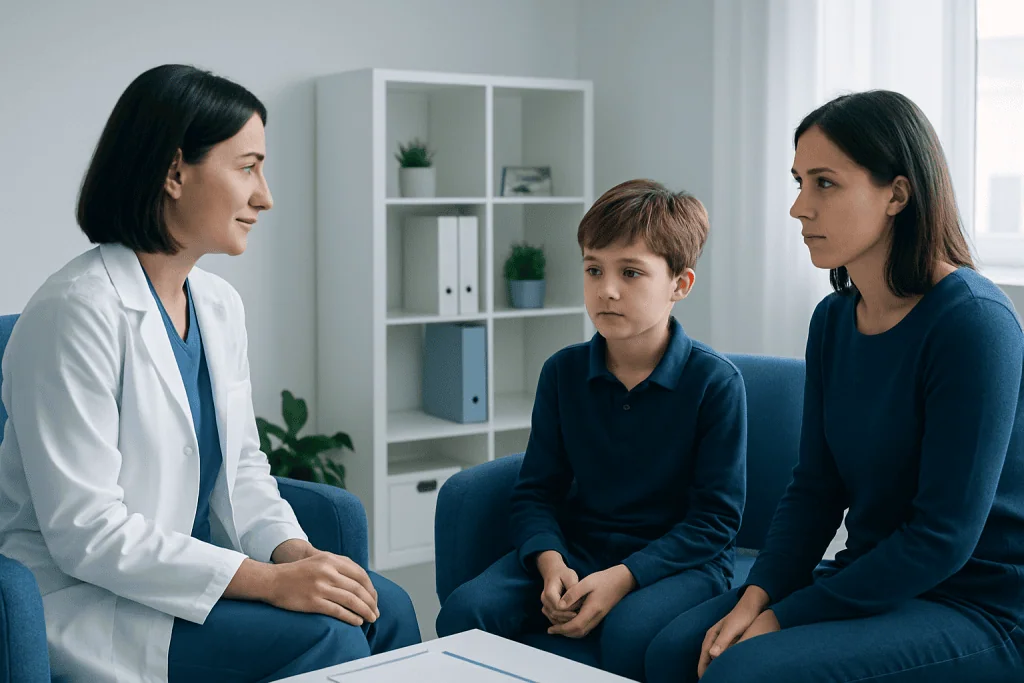
No. Schizophrenia in children under 10 years old is very uncommon. Childhood-onset schizophrenia, generally describing onset before age 13, is considerably rarer than schizophrenia that begins in late adolescence or adulthood. Because it is rare and symptoms can resemble other conditions, diagnosis requires particular care.
In younger children, clinicians may first consider developmental differences, autism spectrum disorder, anxiety, depression, obsessive-compulsive symptoms, trauma-related difficulties, sleep disorders, epilepsy, medication effects, infections, metabolic disorders or other neurological conditions. Hallucination-like experiences may also occur in children for reasons that do not indicate schizophrenia.
A comprehensive assessment helps avoid labeling a child too early while ensuring that serious symptoms receive timely support. Families should not try to determine the diagnosis alone. Recording changes in behavior, sleep, mood, school performance and unusual experiences can help the clinical team understand what is happening.
Assessment and candidacy for treatment
A child may be considered for specialist psychosis treatment when they have persistent symptoms suggesting psychosis and these symptoms significantly affect safety, learning, relationships or self-care. Assessment generally includes conversations with the child and caregivers, a developmental and family history, a review of school functioning, and a physical and neurological examination. Clinicians also ask about medicines, substance exposure in adolescents, sleep, stress and possible trauma.
Blood tests, other laboratory studies, brain imaging or an electroencephalogram may be considered when symptoms, examination findings or medical history raise concern for another cause. The goal is not simply to assign a diagnosis, but to understand the child’s needs and rule out conditions that require different treatment.
Before medication is started, clinicians commonly document weight, height, blood pressure and other baseline health measures. They discuss expected benefits, possible side effects, monitoring plans and the child’s individual circumstances with parents or guardians. When appropriate, the child is included in age-appropriate discussions and shared decisions.
How is a first episode of psychosis treated?
A first episode of psychosis should be assessed promptly by a mental health professional experienced in children and adolescents. Initial care focuses on safety, reducing distress, checking for medical or substance-related causes, and understanding how symptoms affect the child and family. If there is immediate risk of harm, severe agitation, inability to eat or drink, or profound confusion, urgent emergency assessment may be needed.
When psychosis is confirmed, treatment may include an antipsychotic medicine selected for the individual child, along with supportive psychological care and practical family guidance. Medication is usually started and adjusted cautiously, with regular review of response and adverse effects. The care team may also address sleep, anxiety, depression, substance use in older adolescents, and any coexisting developmental or learning needs.
Early intervention also includes helping the family communicate calmly about symptoms, maintaining a low-stress environment and coordinating with school. Hospital care may be recommended for short-term stabilization when symptoms are severe or safety cannot be managed at home. After the acute phase, continuing follow-up is important because recovery is often gradual and relapses can occur if support is withdrawn too quickly.
Treatment steps, benefits, risks and recovery expectations
Treatment commonly begins with diagnostic clarification and a safety plan, followed by an individualized medication and support plan. At early appointments, the team explains symptoms in understandable terms, identifies the child’s strengths and goals, and establishes how progress will be monitored. Parents or guardians are encouraged to report changes in behavior, sleep, appetite, movement, mood and functioning.
Antipsychotic medicines may reduce hallucinations, delusional beliefs, severe thought disorganization and agitation. Improvement may begin over days to weeks, while fuller recovery in concentration, confidence, social participation and school functioning can take longer. A medicine that helps one child may not be the best option for another, so treatment sometimes needs careful adjustment under specialist supervision.
Possible medicine-related effects include sleepiness, restlessness, stiffness or tremor, appetite or weight changes, and changes in blood sugar or blood lipid levels. Some side effects are treatable, and regular physical-health monitoring helps detect concerns early. Medication should not be stopped suddenly without medical advice, as symptoms can return or worsen.
Therapy and rehabilitation support are also important. Family psychoeducation can help caregivers understand psychosis and respond constructively. Individual therapy may help a young person manage distress, build coping skills and return to routines. Educational planning can include reduced workload, extra time, a quiet space, and gradual re-engagement with learning and peers.
What is the best lifestyle for someone with schizophrenia?
The best lifestyle is one that is stable, supportive and realistic for the child’s age and symptoms. Consistent sleep and wake times, regular meals, gentle physical activity, a predictable daily schedule and manageable school expectations can support recovery. Families should aim for calm communication and avoid blaming the child for symptoms that are part of an illness.
It is helpful to reduce avoidable stress without removing all opportunities for connection and achievement. Small, achievable goals—such as attending part of a school day, taking a walk, completing a simple task or seeing a trusted friend—can rebuild confidence. Screen use and nighttime stimulation may need limits when they interfere with sleep.
For adolescents, avoiding alcohol, cannabis and other non-prescribed substances is particularly important because they can worsen psychosis, interfere with treatment and increase relapse risk. Any supplements, over-the-counter products or alternative treatments should be discussed with the treating clinician, since “natural” products can still cause interactions or side effects.
- Keep scheduled mental health and physical-health reviews.
- Support medication use as prescribed and discuss concerns early.
- Maintain sleep, nutrition, activity and age-appropriate social contact.
- Use a written crisis plan with emergency contacts and early warning signs.
When to seek medical care
Parents or caregivers should arrange a medical assessment when a child has persistent unusual beliefs or perceptions, significant social withdrawal, rapidly declining school performance, marked changes in self-care, or increasingly disorganized speech or behavior. It is especially important to seek help when these changes are new, distressing or interfere with daily life.
Emergency help is needed if the child talks about suicide or harming someone else, acts on dangerous commands from voices, becomes severely agitated, cannot care for basic needs, appears confused or has symptoms that begin suddenly with fever, seizures, severe headache or altered consciousness. In these situations, local emergency services or the nearest emergency department should be contacted.
Ongoing care can be complex, and families may benefit from a multidisciplinary team that coordinates psychiatric, pediatric, psychological and educational support. Acibadem International’s multidisciplinary specialists and JCI-accredited hospitals provide assessment and treatment planning for international patients with complex child and adolescent mental health needs.
Frequently asked questions
Can childhood-onset schizophrenia be cured?
There is currently no known cure, but treatment can reduce symptoms and improve daily functioning. Ongoing specialist care, medication when appropriate, family support and educational planning can help a child manage the condition over time. Outcomes vary, so care plans should be reviewed regularly.
At what age can schizophrenia be diagnosed?
Schizophrenia can be diagnosed in childhood, adolescence or adulthood, but onset in childhood is rare. Clinicians diagnose it only after a detailed evaluation, because many other conditions can cause similar symptoms. In young children, developmental history and medical assessment are particularly important.
Do all children with hallucinations have schizophrenia?
No. Hallucinations or unusual sensory experiences can occur with stress, anxiety, trauma, sleep problems, fever, neurological conditions and other mental health conditions. Some children also report experiences that are transient and not part of a psychotic disorder. Persistent or distressing experiences should be assessed by a healthcare professional.
How long does treatment for childhood schizophrenia last?
Treatment is typically long term because schizophrenia is a chronic condition and symptoms may return if care ends too soon. The intensity of treatment may change over time depending on symptoms, functioning and medication response. Any decision to reduce or change medication should be made gradually with the treating specialist.
Can a child with schizophrenia attend school?
Many children can continue education with individualized support. Depending on symptoms, this may involve a gradual return, flexible attendance, learning accommodations and communication between the family, healthcare team and school. The goal is to protect wellbeing while supporting development and participation.
What should parents do during a psychotic episode?
Parents should remain calm, speak simply and avoid arguing about beliefs or perceptions that feel real to the child. They should focus on safety, reduce stimulation and contact the child’s mental health team or urgent services if symptoms are escalating. If there is a risk of harm or the child cannot be kept safe, emergency care is needed.
References
- World Health Organization
- American Academy of Child and Adolescent Psychiatry
- National Institute of Mental Health
- National Institute for Health and Care Excellence
- American Psychiatric Association
This article is for general information only and is not a substitute for professional medical advice. Please consult a qualified doctor about your individual situation.
Schizophrenia in Turkey — costs, top hospitals & a free quote
JCI-accredited · board-certified surgeons · reply within 24h
Add us as a Preferred Source to see more of our trusted health content across Google Search, AI Overviews and Discover.
Check your numbers in seconds
BMI, calories, due date, blood pressure and 30+ more clinical calculators — free, instant, doctor-reviewed ranges.