Childhood Vaccinations: Schedule, Safety, and Disease Prevention
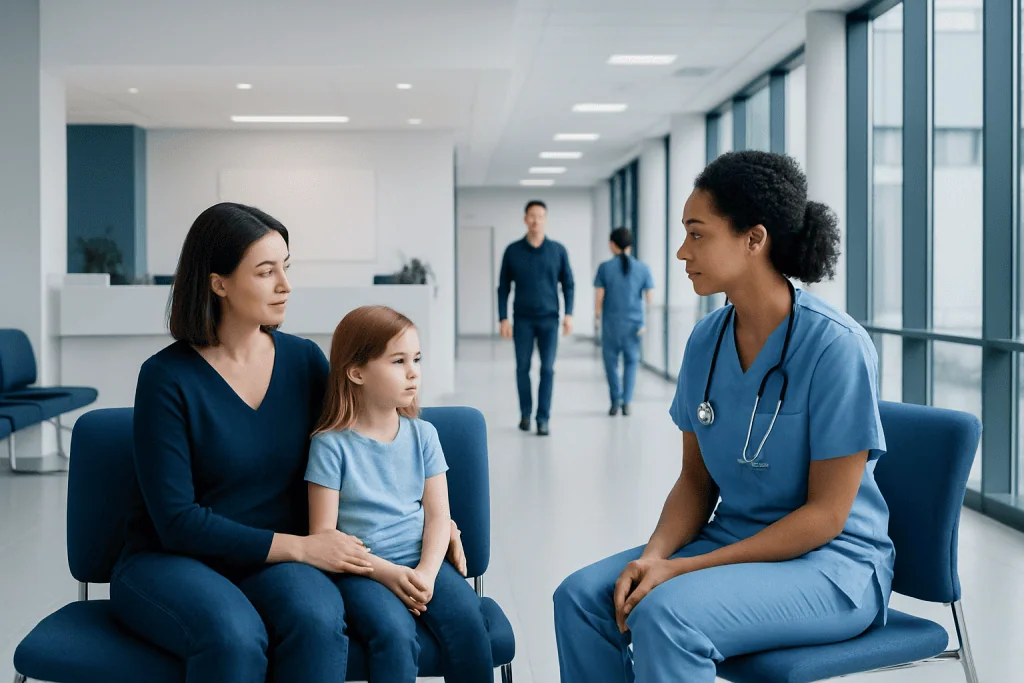
Childhood vaccines help prevent serious diseases such as measles, polio, whooping cough, diphtheria, tetanus, hepatitis, and meningitis. Recommended vaccine schedules are designed around when children are most vulnerable and when vaccines work best.
Key Takeaways
- Childhood vaccines help prevent serious diseases such as measles, polio, whooping cough, diphtheria, tetanus, hepatitis, and meningitis.
- Recommended vaccine schedules are designed around when children are most vulnerable and when vaccines work best.
- Vaccines are carefully studied before approval and continuously monitored for safety after they are introduced.
- Mild side effects such as soreness, low fever, or tiredness are common and usually short-lived.
- Parents should discuss missed doses, chronic illnesses, allergies, travel, and special risks with a qualified pediatrician.
Childhood vaccinations help train a child's immune system to recognize and fight serious infections before exposure occurs. Following the recommended schedule is one of the most effective ways to protect individual children and the wider community.
Overview
Childhood vaccinations are preventive medicines that help the immune system learn how to recognize and respond to specific germs. They do not treat an infection that is already present; instead, they prepare the body in advance so that if a child is exposed later, the immune system can respond faster and more effectively.
Vaccines have greatly reduced many infections that once caused severe illness, disability, or death in children. Diseases such as measles, polio, diphtheria, and Haemophilus influenzae type b are now far less common in countries with strong immunization programs, but they can return when vaccination rates drop.
Parents may have questions about timing, safety, and whether all recommended vaccines are necessary. These are understandable concerns. A pediatrician can help families understand the benefits and risks of each vaccine, adapt the schedule when medically needed, and keep children protected in a safe, organized way.
How Vaccines Work
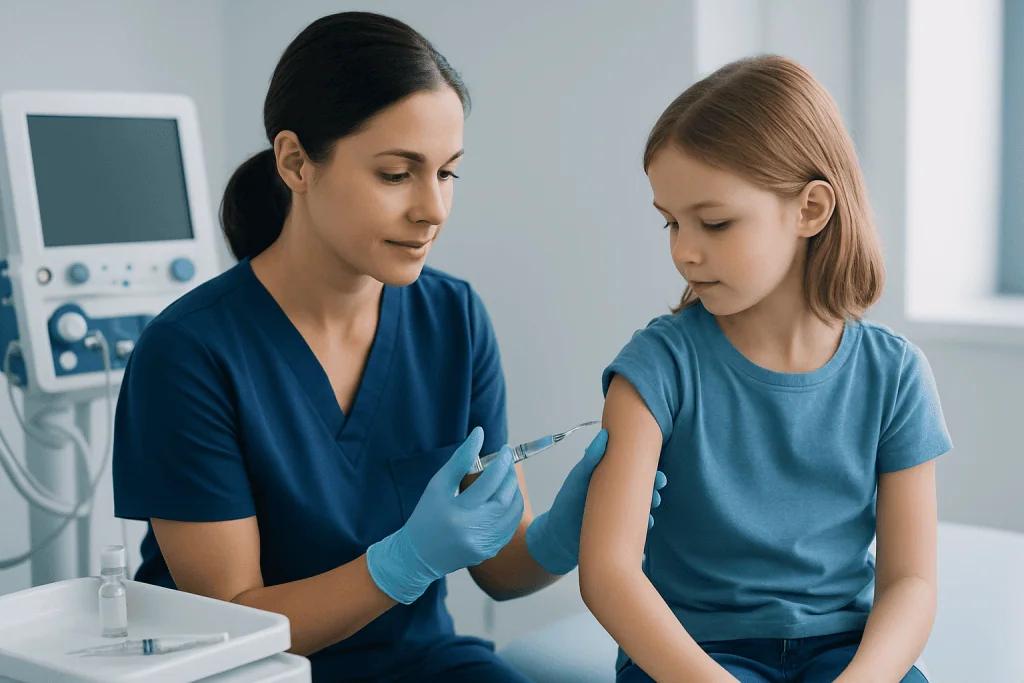
The immune system protects the body by recognizing unfamiliar viruses or bacteria and building defenses against them. Vaccines introduce a harmless form, part, or instruction related to a germ so the immune system can practice without the child having to experience the actual disease.
After vaccination, the body produces immune memory. This means that if the real germ appears later, immune cells and antibodies can respond more quickly. Some vaccines mainly prevent severe disease, while others can also reduce infection and spread within the community.
Different types of childhood vaccines include inactivated vaccines, live attenuated vaccines, protein-based vaccines, toxoid vaccines, conjugate vaccines, and newer platforms used for certain infections. Each type is developed for a specific disease and is assessed for how well it protects children at particular ages.
Childhood Vaccine Schedule
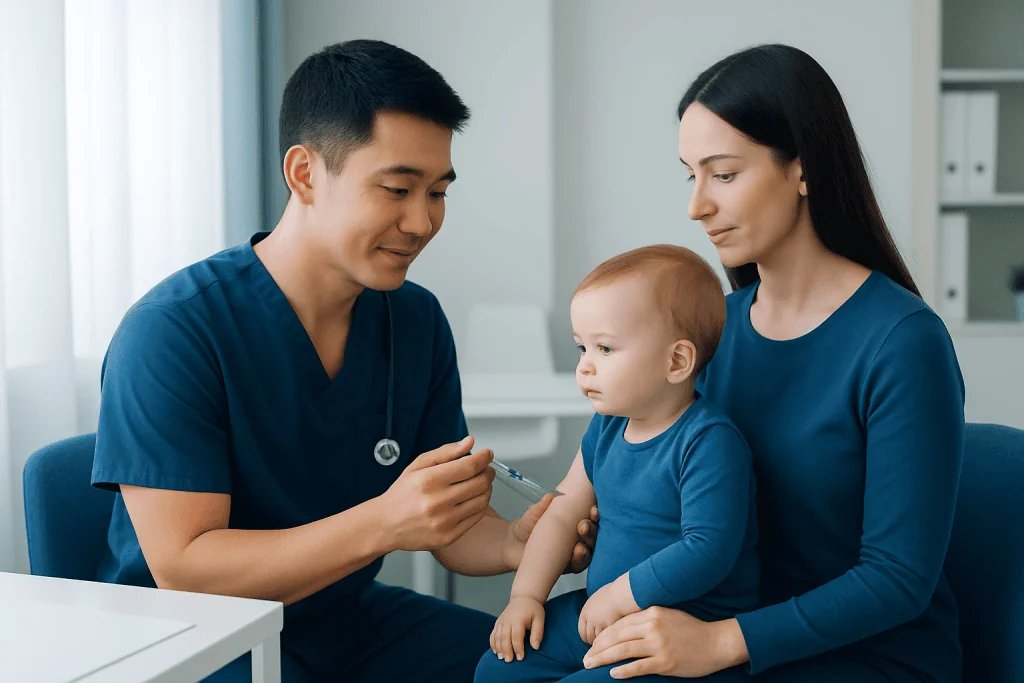
The childhood vaccine schedule is a carefully planned timeline for giving vaccines at ages when children are most likely to need protection and when their immune systems are expected to respond well. Schedules may vary by country because disease patterns, available vaccines, public health priorities, and regulations differ.
In general, vaccines begin at birth or in early infancy for infections that can be dangerous very early in life. Additional doses are given during infancy, toddler years, preschool age, and adolescence to build and maintain protection. Booster doses are important because protection from some vaccines can decrease over time.
Common vaccines in many childhood schedules may include protection against:
- Hepatitis B and sometimes hepatitis A
- Diphtheria, tetanus, and pertussis, also called whooping cough
- Polio
- Haemophilus influenzae type b
- Pneumococcal disease and meningococcal disease
- Rotavirus
- Measles, mumps, rubella, and varicella
- Influenza, COVID-19, and human papillomavirus when recommended by age and local guidance
If a child misses a vaccine, parents should not assume the series must be restarted. In many cases, a catch-up schedule can be used. A pediatrician or public health clinic can review the child’s records and recommend the safest way to become up to date.
Safety and Possible Side Effects
Vaccine safety is assessed through several stages. Before a vaccine is approved for children, it is studied in clinical trials for immune response, common side effects, and safety. After approval, national and international monitoring systems continue to track rare events and update recommendations when needed.
Most side effects are mild and short-lived. A child may have soreness, redness, or swelling where the injection was given. Some children develop a low fever, tiredness, fussiness, headache, or reduced appetite for a short time. These reactions usually reflect the immune system responding and typically improve with simple comfort measures.
Serious allergic reactions are very rare, but vaccination clinics are prepared to recognize and treat them. Parents should tell the doctor about any previous severe allergic reaction to a vaccine or vaccine ingredient. Children with certain immune system conditions may need special guidance, especially before receiving live vaccines.
Vaccines do not overload the immune system. Children encounter many microbes every day through breathing, eating, touching surfaces, and playing. The amount of immune stimulation from routine vaccines is small compared with normal daily exposure, while the benefit is targeted protection against diseases known to cause serious complications.
Diseases Prevented by Vaccination
Childhood vaccinations help prevent infections that can affect the lungs, brain, liver, blood, nerves, and other organs. Some vaccine-preventable diseases can cause complications even in previously healthy children. Vaccination lowers the risk of severe illness and also helps protect babies, pregnant people, older adults, and people with weakened immune systems.
Measles can spread very easily and may lead to pneumonia, ear infections, dehydration, or inflammation of the brain. Pertussis can cause severe coughing spells and breathing problems, especially in infants. Polio can affect the nervous system and may cause paralysis. Diphtheria and tetanus can be life-threatening, while hepatitis B can lead to long-term liver disease.
Vaccines against pneumococcal, meningococcal, and Haemophilus influenzae type b infections help reduce the risk of meningitis, bloodstream infection, and serious pneumonia. Rotavirus vaccination helps protect infants from severe diarrhea and dehydration. Human papillomavirus vaccination, given later in childhood or adolescence, helps prevent several HPV-related cancers in adulthood.
Special Situations and Travel
Some children need individualized vaccine planning. This may include premature infants, children with chronic heart or lung disease, children receiving cancer treatment, children after organ transplantation, and children taking medicines that weaken the immune system. In many cases, vaccination remains important, but timing and vaccine type may need adjustment.
Children with mild illness, such as a cold without high fever, can often still be vaccinated, but the decision should be made by a healthcare professional. Moderate or severe illness may lead a doctor to postpone vaccination until the child has recovered. This helps avoid confusion between illness symptoms and possible vaccine reactions.
International travel can change vaccine needs. Some destinations require or recommend additional vaccines, and some routine vaccines may need to be given earlier than usual before travel. Families should seek travel health advice several weeks in advance whenever possible so there is enough time to complete needed doses.
Helping Children Feel Comfortable
Parents can make vaccination visits easier with calm preparation and reassurance. Babies may be comforted by feeding, cuddling, or gentle distraction. Older children often do better when they receive honest, simple explanations, such as that the vaccine may pinch briefly and helps protect their health.
During the visit, a child can sit on a caregiver’s lap, hold a favorite toy, listen to music, or practice slow breathing. Parents should avoid frightening language and try to stay relaxed, because children often take emotional cues from adults. Praise after the vaccine can help build confidence for future healthcare visits.
After vaccination, parents can monitor the child for common mild reactions and follow the clinician’s advice about comfort measures. A cool cloth may help with arm soreness, and extra fluids and rest may be useful if a child feels tired. Parents should contact a doctor if symptoms seem unusual, severe, or do not improve as expected.
When to See a Doctor
Parents should speak with a pediatrician if they are unsure which vaccines their child has received, if records are missing, or if a child has fallen behind schedule. A doctor can create a catch-up plan based on the child’s age, previous doses, health conditions, and local recommendations.
Medical advice is also important before vaccination if a child has had a severe allergic reaction, a serious reaction after a previous vaccine, a known immune disorder, cancer treatment, organ transplantation, or long-term use of immune-suppressing medicines. These situations do not always mean vaccines cannot be given, but they require individualized assessment.
Urgent medical care should be sought if a child develops signs of a severe allergic reaction shortly after vaccination, such as difficulty breathing, swelling of the face or throat, widespread hives, extreme weakness, or collapse. These reactions are rare, but prompt treatment is important.
For families seeking coordinated pediatric care, Acibadem International’s multidisciplinary specialists and JCI-accredited hospitals diagnose, advise on, and manage childhood vaccination needs for international patients. Parents should always rely on a qualified healthcare professional for decisions about their child’s immunization schedule.
Frequently asked questions
Are childhood vaccinations really necessary if many diseases are now rare?
Yes. Many vaccine-preventable diseases are rare because vaccination programs have kept them under control. If vaccination rates fall, infections such as measles or whooping cough can return and spread quickly.
What should parents do if their child misses a vaccine dose?
Parents should contact a pediatrician or vaccination clinic to review the child's record. Most missed vaccines can be given using a catch-up schedule, and many vaccine series do not need to be restarted.
Can a child receive more than one vaccine at the same visit?
In many cases, yes. Recommended schedules often include multiple vaccines at the same visit because this protects children sooner and reduces the number of appointments. Combination and same-day vaccination schedules are studied for safety and immune response.
Do vaccines cause autism?
Large, well-conducted studies have not found a causal link between vaccines and autism. Autism signs often become noticeable around the same age when several childhood vaccines are given, which can create a mistaken impression of connection.
Should vaccination be delayed if a child has a mild cold?
A mild cold without significant fever usually does not require delaying vaccines, but the healthcare professional will assess the child on the day of the visit. If the child is moderately or severely ill, vaccination may be postponed until recovery.
Are natural infections better than vaccines for immunity?
Natural infection can sometimes produce immunity, but it may also cause serious complications, hospitalization, or long-term harm. Vaccines are designed to provide immune protection with a much lower risk than the diseases they prevent.
References
- World Health Organization
- Centers for Disease Control and Prevention
- American Academy of Pediatrics
- European Centre for Disease Prevention and Control
- UNICEF
This article is for general information only and is not a substitute for professional medical advice. Please consult a qualified doctor about your individual situation.
Explore treatments in Turkey — costs, top hospitals & a free quote
JCI-accredited · board-certified surgeons · reply within 24h
Add us as a Preferred Source to see more of our trusted health content across Google Search, AI Overviews and Discover.