

Chlamydia: An Evidence-Based Guide for Patients

Chlamydia often causes no symptoms, so testing is important after unprotected sex or exposure. A urine test or swab can usually diagnose chlamydia quickly and accurately.
Key Takeaways
- Chlamydia often causes no symptoms, so testing is important after unprotected sex or exposure.
- A urine test or swab can usually diagnose chlamydia quickly and accurately.
- Most cases are treated effectively with prescribed antibiotics, but sexual partners should also be evaluated.
- Untreated chlamydia can lead to pelvic inflammatory disease, infertility, epididymitis, and other complications.
- Using condoms consistently and having regular STI screening can lower the risk of infection.
Chlamydia is a common sexually transmitted infection caused by bacteria, and many people do not know they have it because symptoms may be mild or absent. The condition is usually curable with antibiotics, but early testing and treatment are important to prevent complications and reduce spread to partners.
Overview
Chlamydia is a common sexually transmitted infection caused by the bacterium Chlamydia trachomatis. It can affect the genitals, rectum, and throat, and it may also infect the eyes in some situations. Because many people have no noticeable symptoms, chlamydia can be passed on without anyone realizing it.
In most cases, chlamydia is treatable and curable with antibiotics. The main reasons it matters are that it can silently damage reproductive health if left untreated and that it can increase the chance of passing infection to sexual partners. Timely testing, treatment, and partner notification are key parts of care.
Chlamydia can affect people of any sex or gender who are sexually active. It may occur on its own or alongside other sexually transmitted infections, so clinicians sometimes recommend broader STI screening at the same visit. For readers looking for related information, it may be helpful to learn about gonorrhea, another bacterial STI that can cause similar symptoms and may be tested for at the same time.
How Chlamydia Spreads and Who Is at Risk
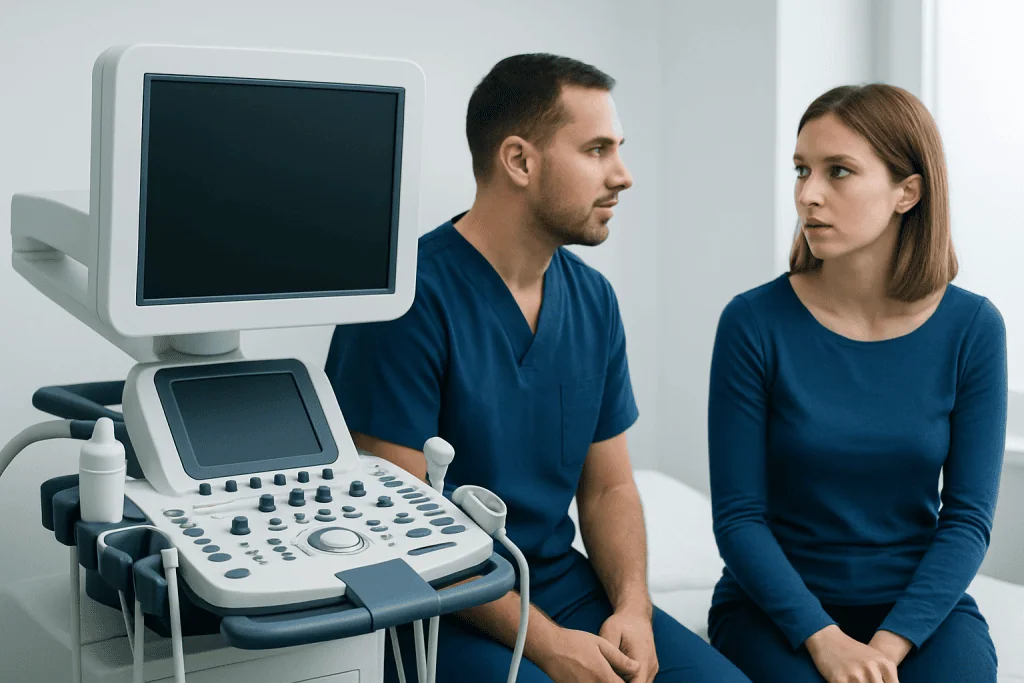
Chlamydia spreads through vaginal, anal, or oral sex with a person who has the infection. It can be transmitted even when there is no ejaculation and even when the infected person feels completely well. It may also pass from a pregnant person to a baby during childbirth, which is why screening in pregnancy is important.
Risk is higher for people who have a new sexual partner, multiple partners, inconsistent condom use, or a previous STI. Age can also matter, because younger sexually active people tend to have higher infection rates. However, chlamydia is not limited to any one age group, and anyone who is sexually active can be affected.
Having chlamydia once does not create lasting immunity. A person can become infected again after successful treatment if they are exposed later. This is one reason why follow-up testing and partner management are often recommended.
Symptoms and Possible Complications

Many people with chlamydia have no symptoms at all. When symptoms do occur, they may appear days to weeks after exposure, but timing varies. In women, symptoms can include unusual vaginal discharge, burning with urination, bleeding after sex, bleeding between periods, or lower abdominal discomfort. In men, symptoms may include discharge from the penis, burning with urination, or pain and swelling in one testicle.
Chlamydia can also infect the rectum and throat. Rectal infection may cause pain, discharge, bleeding, or a feeling of irritation, although it may also be symptom-free. Throat infection is often silent but may occasionally cause soreness. Eye infection can cause redness, pain, or discharge if bacteria are introduced to the eye.
If untreated, chlamydia can lead to important complications. In women, it can spread to the uterus and fallopian tubes and cause pelvic inflammatory disease, which may increase the risk of chronic pelvic pain, ectopic pregnancy, and infertility. In men, it can cause epididymitis and, less commonly, affect fertility. In some people, chlamydia may trigger reactive arthritis. The infection can also make it easier to acquire or transmit HIV.
- Possible signs in women: abnormal discharge, painful urination, pelvic pain, bleeding between periods
- Possible signs in men: penile discharge, painful urination, testicular pain or swelling
- Possible rectal symptoms: pain, discharge, bleeding
- Possible throat symptoms: often none, sometimes a sore throat
Diagnosis and Testing
Chlamydia is usually diagnosed with a laboratory test that looks for the genetic material of the bacteria. These tests are highly accurate and are often performed on a urine sample or a swab taken from the vagina, cervix, urethra, rectum, or throat, depending on symptoms and exposure history. The right sample matters, so patients should tell the clinician what kind of sexual contact occurred.
Testing is recommended for anyone with symptoms, anyone whose partner has tested positive, and people in groups for whom routine screening is advised. Screening matters because silent infection is common. A clinician may also recommend testing for other STIs such as gonorrhea, syphilis, and HIV at the same visit, since coinfection can occur.
During the appointment, the healthcare professional may ask about symptoms, sexual history, prior STIs, pregnancy, and any medications. This information helps guide which tests are needed and whether complications should be considered. If pelvic pain, fever, severe tenderness, or testicular swelling is present, further evaluation may be needed to look for more advanced infection.
Treatment Options and What Recovery Involves
Chlamydia is treated with prescription antibiotics. The exact antibiotic and treatment plan depend on the site of infection, pregnancy status, possible allergies, and whether complications are suspected. It is important for the person to take the full course exactly as prescribed, even if symptoms improve quickly.
Sexual partners should also be informed, tested, and treated when appropriate. If only one partner is treated, reinfection can happen easily. Patients are usually advised to avoid sexual contact until treatment is completed and a clinician says it is safe to resume. For some people, repeat testing after treatment may be recommended, especially if there is concern about reinfection.
If symptoms suggest complications such as pelvic inflammatory disease, treatment may be broader and more urgent. In selected cases, imaging or specialist review may be needed. When pelvic pain or reproductive organ involvement is suspected, clinicians may consider gynecologic assessment and, if needed, treatments related to gynecology care. If another bacterial STI is also present, coordinated management may include care similar to infectious diseases evaluation.
Most people recover well when diagnosis and treatment happen promptly. Persistent symptoms after treatment do not always mean treatment failed; they may reflect reinfection, another infection, or a complication that needs reassessment. Follow-up with a qualified clinician helps clarify the next step.
Prevention, Screening, and Self-care
Consistent condom use during vaginal, anal, and oral sex can reduce the risk of chlamydia, though no method besides abstinence eliminates risk completely. Limiting the number of sexual partners, discussing STI testing with partners, and having regular screening based on personal risk are also helpful prevention strategies.
Routine screening is especially valuable because chlamydia often has no symptoms. A clinician can advise how often testing should be done based on age, pregnancy status, sexual practices, and prior STI history. People who have had chlamydia before may need repeat testing because reinfection is common.
Self-care during treatment includes taking medication exactly as directed, avoiding sex until cleared, and not sharing prescription medicine with others. It can also help to write down questions before the appointment and inform recent partners in a respectful, direct way. If there is concern about reproductive complications or broader sexual health, related information on pelvic inflammatory disease may be useful.
When to Seek Medical Care
Medical care is advisable after possible exposure to chlamydia, after unprotected sex with a new partner, or if a sexual partner reports a positive test. Testing is also important for anyone with symptoms such as burning with urination, genital discharge, pelvic pain, bleeding between periods, rectal discomfort, or testicular pain.
Urgent medical attention is needed if symptoms are severe. Warning signs include significant lower abdominal pain, fever, vomiting, severe pain during sex, fainting, heavy bleeding, or marked swelling and pain in a testicle. These symptoms may suggest a complication that needs prompt evaluation.
Pregnant people should contact a healthcare professional if chlamydia exposure or infection is suspected, because treatment can protect both parent and baby. Near the end of the care pathway, some patients may need coordinated specialist support; Acibadem International’s multidisciplinary specialists and JCI-accredited hospitals diagnose and treat this condition for international patients when further evaluation is needed.
Frequently asked questions
What is chlamydia?
Chlamydia is a sexually transmitted infection caused by the bacterium Chlamydia trachomatis. It commonly affects the genitals, but it can also involve the rectum or throat. Many people do not notice symptoms, which is why testing is so important.
Can chlamydia go away on its own?
It should not be assumed to go away without treatment. Even if symptoms are mild or absent, the infection can continue and may lead to complications over time. A healthcare professional can confirm the diagnosis and prescribe the right antibiotics.
How do people know if they have chlamydia?
The only reliable way to know is through testing. Some people develop symptoms such as burning with urination, discharge, pelvic pain, or testicular pain, but many have none at all. A urine test or swab is commonly used.
Is chlamydia curable?
Yes, chlamydia is usually curable with appropriate antibiotics. It is important to complete the full prescribed treatment and make sure sexual partners are also evaluated and treated when needed. Reinfection can still happen after cure if a person is exposed again.
How long should someone wait before having sex after treatment?
The timing depends on the treatment plan, so patients should follow their clinician’s advice carefully. In general, sex should be avoided until treatment is completed and it is considered safe to resume. This helps prevent passing the infection to a partner or becoming reinfected.
Can chlamydia affect fertility?
It can, especially if it is not treated promptly. In women, untreated infection may lead to pelvic inflammatory disease and damage to the fallopian tubes. In men, complications such as epididymitis can occur and may affect reproductive health in some cases.
References
- World Health Organization
- Centers for Disease Control and Prevention
- National Health Service
- American College of Obstetricians and Gynecologists
- Mayo Clinic
This article is for general information only and is not a substitute for professional medical advice. Please consult a qualified doctor about your individual situation.
Explore treatments in Turkey — costs, top hospitals & a free quote
JCI-accredited · board-certified surgeons · reply within 24h
Add us as a Preferred Source to see more of our trusted health content across Google Search, AI Overviews and Discover.

More from the Health Library



Related Specialists

Dr. Habibe Seyisoğlu
Gynecology & Obstetrics
Assoc. Prof. Dr. Deniz Can Aliş
Radiology
Prof. Dr. Neşe Tuncer
Neurology
Fzt. Mustafa Özcan
Physical Medicine & Rehabilitation