Cholesterol Hair Treatment: Diagnosis, Outlook, and Modern Treatment Approaches

Cholesterol hair treatments are conditioning products, not medicines for high cholesterol. They may temporarily improve softness, manageability, and shine in dry or damaged hair.
Key Takeaways
- Cholesterol hair treatments are conditioning products, not medicines for high cholesterol.
- They may temporarily improve softness, manageability, and shine in dry or damaged hair.
- Persistent shedding, scalp symptoms, or patchy hair loss needs medical assessment rather than cosmetic treatment alone.
- Hair and scalp care should be matched to the cause, including grooming damage, inflammatory scalp disease, nutritional issues, hormonal changes, or medication effects.
- Patch testing and careful use can help reduce the risk of scalp irritation or product buildup.
Cholesterol hair treatment is a cosmetic conditioning approach used to improve the feel and appearance of dry, brittle, or chemically processed hair. Although its name can be confusing, it does not lower blood cholesterol, diagnose a health condition, or reliably treat hair loss.
What is a cholesterol hair treatment?
A cholesterol hair treatment is a cosmetic deep-conditioning product designed to coat, soften, and lubricate the hair shaft. The term usually refers to products containing cholesterol or cholesterol-like lipids, often combined with oils, fatty alcohols, humectants, proteins, and conditioning agents. These ingredients can help reduce roughness and improve how hair feels after washing.
Despite the name, cholesterol hair treatment does not affect cholesterol levels in the blood. It is not a treatment for high cholesterol, heart disease, or cholesterol deposits in the skin. Applying it to the hair or scalp does not meaningfully change the body’s lipid levels.
It is best viewed as supportive hair care for dryness or cosmetic damage. It may make hair look smoother and feel more manageable for a period of time, but it cannot permanently repair hair that has already been structurally damaged. Hair fibers are not living tissue, so lasting improvement depends largely on preventing further damage as new hair grows.
What concerns can it help with—and what can it not treat?
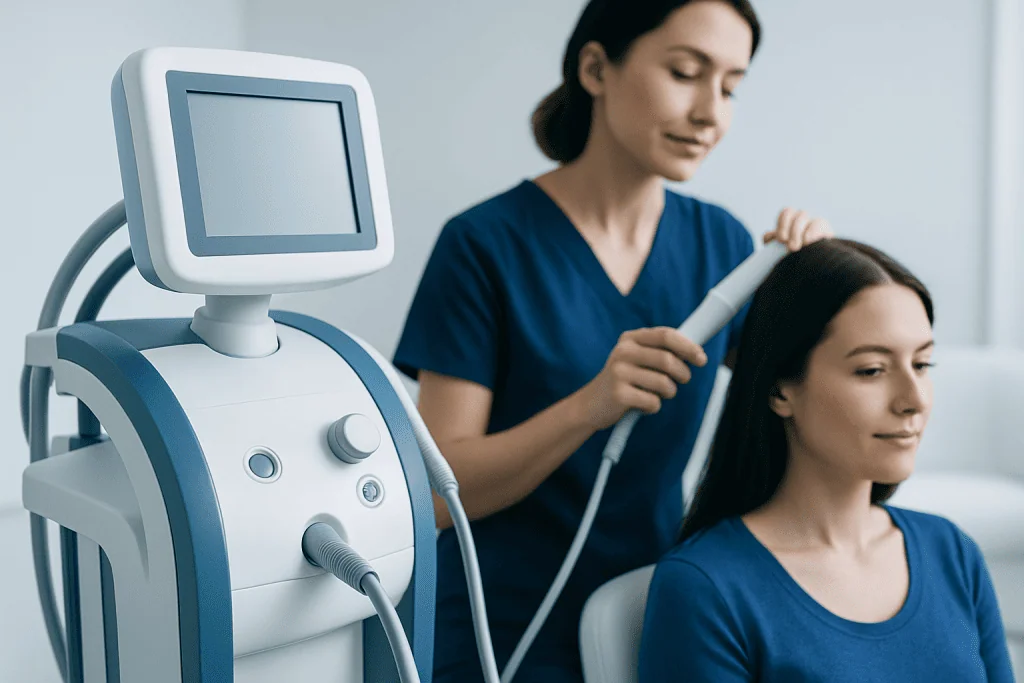
People may use a cholesterol treatment when hair feels dry, coarse, tangled, frizzy, or less flexible after bleaching, coloring, heat styling, relaxing, swimming, or frequent washing. By adding lubricating ingredients to the hair surface, a conditioner may reduce friction between strands. This can make detangling easier and may reduce breakage caused by combing or brushing.
Results vary with hair texture, styling practices, the severity of damage, and the product formulation. Some people find richer products especially helpful for tightly curled, textured, or highly processed hair, while others may prefer lighter conditioning products that do not weigh hair down. A treatment that improves softness does not necessarily improve the underlying strength of the hair fiber.
A cholesterol hair treatment is not an evidence-based cure for thinning hair, genetic hair loss, autoimmune hair loss, scalp infection, or hormonal hair changes. It also cannot restore hair follicles that are no longer producing hair. If there is noticeable shedding or a changing hairline, identifying the cause is more important than changing conditioners alone.
Understanding dry hair, breakage, and hair shedding

Dryness and breakage can sometimes be mistaken for hair loss. Breakage occurs when fragile hair shafts snap, often leaving shorter hairs of different lengths. It may be linked to repeated heat exposure, chemical processing, tight hairstyles, harsh brushing, friction, or inadequate conditioning. Hair may appear thinner even when the follicles are continuing to produce new strands.
Hair shedding means complete hairs are released from the follicle, often with a small white club-shaped bulb at one end. Temporary shedding can occur after illness, surgery, childbirth, major stress, rapid weight change, or certain medications. In other cases, gradual thinning may reflect hereditary pattern hair loss, while sudden round patches can have a different cause and should be assessed promptly.
Scalp health also matters. Itching, flaking, tenderness, redness, scaling, or pustules can point to conditions such as dandruff, dermatitis, psoriasis, or infection. Heavy conditioning products may improve the feel of the hair lengths but may not be appropriate for an inflamed or very oily scalp. Treating the scalp condition, where present, is usually the priority.
How hair and scalp concerns are assessed
There is no medical test used to diagnose whether someone needs a cholesterol hair treatment. Choosing a conditioner is generally based on hair texture, grooming habits, chemical treatments, and the person’s cosmetic goals. A dermatologist or qualified clinician may assess the hair and scalp when symptoms are persistent, severe, or associated with hair loss.
An assessment commonly includes questions about when the concern began, recent illness or stress, diet, medications, family history, hair practices, and the use of dyes, relaxers, extensions, or heated tools. The clinician may examine the distribution of thinning, the condition of the scalp, and whether hairs appear to be breaking or shedding from the root.
Depending on the history and examination, tests may be considered to look for contributing medical issues, such as iron deficiency, thyroid disease, nutritional deficiency, or hormonal changes. Testing is not needed for every person with dry hair. It is more useful when hair changes are unexplained, prolonged, or accompanied by broader symptoms such as fatigue, weight change, or menstrual irregularity.
Modern treatment approaches for damaged or thinning hair
For cosmetic dryness and breakage, the main approach is gentler hair care. This may include using a suitable conditioner after shampooing, applying a deep-conditioning treatment to the hair lengths as directed, limiting high heat, and avoiding repeated bleaching or harsh chemical processing. Wide-tooth combs, careful detangling, and looser protective styles can also reduce mechanical stress on fragile strands.
Products marketed as bond-building, protein-containing, moisturizing, or lipid-rich treatments can have different effects. Protein-heavy products may help some damaged hair feel temporarily stronger, while moisturizing and lipid-containing products may improve softness and flexibility. However, using too many products or leaving heavy products on the scalp can lead to buildup, irritation, or hair that feels limp. A simple, consistent routine is often easier to evaluate than frequent product changes.
If a diagnosed scalp condition or hair-loss disorder is present, treatment is directed at that specific cause and may include medicated shampoos, topical treatments, oral medicines, nutritional correction, or other clinician-guided care. Cosmetic conditioning can be used alongside medical treatment when appropriate, but it should not delay evaluation. A multidisciplinary assessment may help when hair changes have dermatological, hormonal, nutritional, or emotional effects.
Safe use and practical self-care
Instructions differ by product. Many deep conditioners are applied after shampooing to damp hair, concentrated on the mid-lengths and ends, left on briefly, and then rinsed thoroughly. People with an oily scalp, fine hair, dandruff, or scalp sensitivity may benefit from keeping richer products away from the roots unless the label specifically advises scalp application.
Before trying a new product, a small patch test can be useful, particularly for people with eczema, fragrance sensitivity, or a history of reactions to hair products. The product should be stopped if it causes burning, persistent itching, redness, swelling, rash, or worsening flaking. Hair dyes, straighteners, and fragranced treatments can all cause contact dermatitis in susceptible individuals.
General measures that support healthier-looking hair include eating a varied diet with adequate protein and essential nutrients, avoiding crash diets, protecting hair from excessive heat and sun, and handling wet hair gently. Supplements are not automatically helpful and can sometimes be harmful or interact with medicines. A clinician can advise whether testing or targeted supplementation is appropriate when a deficiency is suspected.
When to seek medical care
Medical assessment is recommended for sudden or substantial hair shedding, patchy hair loss, a widening part, a receding hairline, or hair loss accompanied by scalp pain, redness, scaling, crusting, or sores. Early evaluation can be particularly important when hair loss is scarring, because permanent follicle damage may occur in some inflammatory scalp conditions.
A person should also speak with a clinician if hair changes persist for several months, begin after starting a new medicine, or occur with symptoms such as fatigue, unexplained weight change, intolerance to heat or cold, or changes in periods. These features do not always indicate a serious problem, but they can help guide an appropriate evaluation.
For international patients, Acibadem International’s multidisciplinary specialists and JCI-accredited hospitals can assess hair and scalp concerns and coordinate care when medical treatment is needed. A clinician can help distinguish cosmetic hair damage from a condition requiring targeted treatment and provide advice suited to the individual’s scalp, hair type, and health history.
Frequently asked questions
Does cholesterol hair treatment lower blood cholesterol?
No. Cholesterol hair treatment is a cosmetic product applied externally to the hair or scalp, and it does not lower blood cholesterol levels. High cholesterol should be assessed and managed with a healthcare professional through lifestyle measures and, when appropriate, prescribed medication.
Can cholesterol hair treatment make hair grow faster?
There is no good evidence that a cholesterol hair treatment increases hair growth rate or reactivates inactive hair follicles. It may reduce dryness and friction-related breakage, which can help hair retain length and appear fuller over time.
Is cholesterol hair treatment safe for the scalp?
Many people can use these products safely when following label directions, but formulations vary. People with a sensitive, irritated, very oily, or flaky scalp should use caution, avoid applying heavy products directly to the scalp when possible, and stop use if irritation develops.
How often should a cholesterol hair treatment be used?
The appropriate frequency depends on the product, hair texture, and level of dryness or processing. Some people use a deep conditioner weekly or less often, while others need a lighter routine. Using it more often is not always better and may cause buildup or weigh hair down.
Can a cholesterol hair treatment repair split ends?
It can temporarily smooth the appearance of split ends and reduce tangling, but it cannot permanently fuse a split hair shaft back together. Trimming damaged ends and reducing future heat, chemical, and friction damage are the most reliable approaches.
When is hair loss more than a cosmetic concern?
Hair loss deserves medical evaluation when it is sudden, patchy, progressive, associated with scalp symptoms, or accompanied by other changes in health. A clinician can determine whether the issue is breakage, temporary shedding, hereditary thinning, a scalp disorder, or another medical cause.
References
- American Academy of Dermatology Association
- National Institute of Arthritis and Musculoskeletal and Skin Diseases
- Mayo Clinic
- National Health Service
- Cleveland Clinic
This article is for general information only and is not a substitute for professional medical advice. Please consult a qualified doctor about your individual situation.
Hair transplant in Turkey — costs, graft counts & a free assessment
JCI-accredited · board-certified surgeons · reply within 24h
Add us as a Preferred Source to see more of our trusted health content across Google Search, AI Overviews and Discover.
Check your numbers in seconds
BMI, calories, due date, blood pressure and 30+ more clinical calculators — free, instant, doctor-reviewed ranges.