Choosing a Cancer Center: Questions to Ask About Expertise and Safety

Ask about the center’s experience with the specific cancer type and stage, not only cancer care in general. Look for multidisciplinary care, where surgeons, medical oncologists, radiation oncologists, radiologists, and pathologists review cases together.
Key Takeaways
- Ask about the center’s experience with the specific cancer type and stage, not only cancer care in general.
- Look for multidisciplinary care, where surgeons, medical oncologists, radiation oncologists, radiologists, and pathologists review cases together.
- Safety matters at every step, including accurate diagnosis, infection prevention, medication checks, and emergency support.
- Patients should understand treatment goals, possible side effects, and how the team monitors progress.
- Supportive services such as nutrition, pain management, psychological care, and rehabilitation can improve the overall care experience.
Choosing a cancer center can feel overwhelming, but clear questions about expertise, safety, and support can make the decision more confident and informed. A strong cancer center combines experienced specialists, reliable diagnostics, coordinated care, and patient-centered safety practices.
Overview: What to Look for in a Cancer Center
Choosing a cancer center is an important decision that can influence diagnosis, treatment planning, safety, and day-to-day support during care. For many people, the best choice is not simply the closest hospital or the first clinic they visit. It is the center that can clearly explain its expertise, organize care efficiently, and provide treatment in a way that is both evidence-based and patient-focused.
Cancer care is often complex. A person may need imaging, biopsy review, surgery, chemotherapy, radiation therapy, targeted medicines, rehabilitation, and long-term follow-up. Because of this, it helps to choose a center that offers coordinated services rather than fragmented care across many locations. Good coordination can reduce delays, improve communication, and make the treatment journey easier to manage.
Patients and families do not need medical training to ask strong questions. In fact, asking about specialist experience, safety systems, and support services is one of the best ways to understand whether a center is a good fit. Clear answers usually suggest a center that values transparency and shared decision-making.
Questions to Ask About Expertise
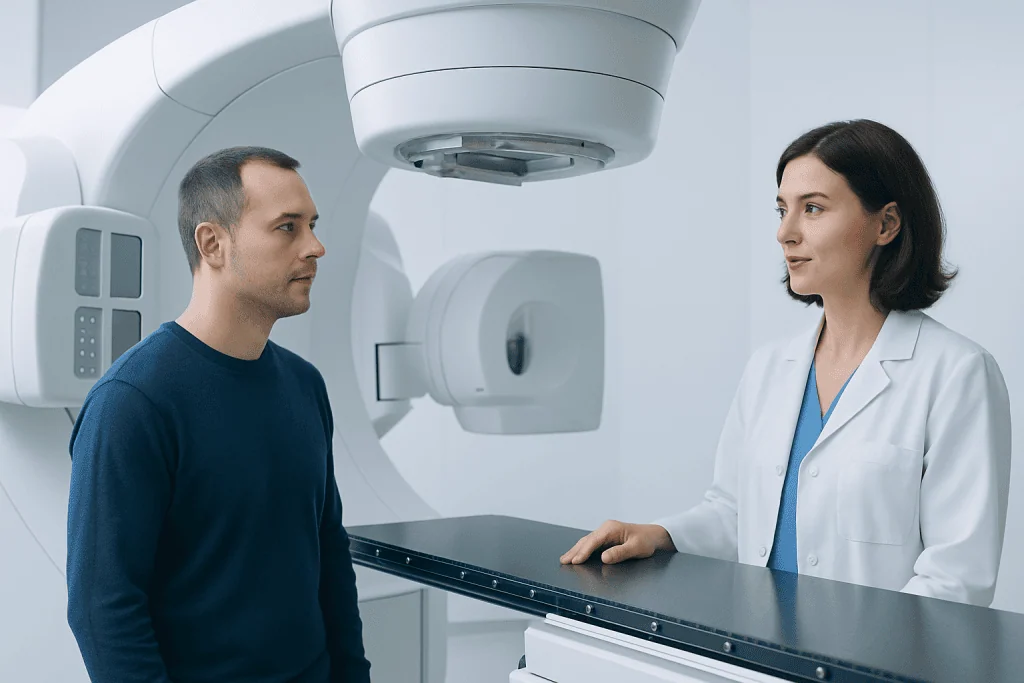
One of the most helpful questions is whether the center regularly treats the exact type of cancer involved. Expertise in breast cancer, lung cancer, colorectal cancer, blood cancers, or rare tumors can differ significantly. Patients can ask how often the team sees this cancer type, whether doctors have subspecialty focus, and whether the center treats early-stage, advanced, and recurrent disease.
It is also useful to ask who will be involved in care. Cancer treatment often includes several specialists, such as medical oncologists, surgical oncologists, radiation oncologists, radiologists, pathologists, and specialist nurses. A center with true multidisciplinary cancer care usually has formal tumor board meetings where different experts review test results together and discuss the most appropriate treatment plan.
Questions about advanced diagnostics and treatment methods are equally important. Patients may ask whether biopsy samples are reviewed by experienced pathologists, whether molecular or genetic testing is available when appropriate, and whether the center offers modern treatment options such as radiation therapy, medical oncology care, or cancer surgery when clinically indicated. The goal is not to seek the newest option automatically, but to confirm that the center can tailor treatment to the individual case.
For uncommon cancers or difficult cases, patients can also ask whether second opinions are encouraged and whether the center participates in clinical research or international treatment guidelines. This can reassure patients that recommendations are being made carefully and according to current standards of care.
Questions to Ask About Safety

Safety in a cancer center goes beyond surgery or chemotherapy itself. It includes how the diagnosis is confirmed, how medicines are checked, how infections are prevented, and how complications are handled. Patients can ask what systems are in place to verify pathology results, match treatments to the correct patient, and reduce medication errors during chemotherapy or other drug treatments.
Another helpful area to explore is emergency readiness. Cancer treatment can sometimes cause fever, allergic reactions, bleeding, dehydration, or severe side effects that need urgent care. Patients should ask whom to contact after hours, whether there is 24/7 support, and how quickly urgent symptoms can be assessed. Knowing this in advance can reduce anxiety later.
Infection prevention is especially relevant for people receiving chemotherapy, stem cell-related treatments, or major surgery. A center should be able to explain its hygiene protocols, isolation practices when needed, and monitoring for treatment-related complications. Surgical safety practices, blood transfusion procedures, and intensive care support may also matter for patients undergoing complex operations.
Imaging and radiation safety can be discussed too. Patients may ask how scans are reviewed, how radiation plans are checked before treatment starts, and how the team protects healthy tissues as much as possible. A strong center will explain these processes in understandable language rather than expecting patients to simply trust them without question.
The Importance of Accurate Diagnosis and Care Coordination
Accurate diagnosis is the foundation of safe and effective cancer treatment. Before choosing a center, patients should ask how pathology, imaging, and staging are confirmed. In some cases, a second review of biopsy slides or scans may refine the diagnosis, which can change the treatment plan. This is particularly important for rare cancers or when findings are unclear.
Care coordination also matters because cancer treatment often involves several steps over weeks or months. Patients can ask whether they will have a primary contact person, such as a nurse navigator or coordinator, who helps schedule tests, explain next steps, and connect different departments. Good coordination can reduce stress and help prevent delays between diagnosis and treatment.
It is reasonable to ask how the center shares information among team members. Electronic medical records, regular multidisciplinary meetings, and written treatment summaries can improve continuity of care. For patients who may also need related services such as PET-CT imaging or biopsies, coordinated access can make the process smoother and more efficient.
Some people may already know the type of cancer they are facing, while others are still at the stage of evaluation for a suspicious lesion or mass. In either case, a center should explain how it confirms whether a condition is cancer and how staging is determined before treatment begins. This clarity helps patients understand why certain tests are necessary and what decisions depend on the results.
Treatment Planning, Communication, and Support Services
A good cancer center should explain the treatment goal clearly. For some patients, the aim is cure. For others, it may be to control disease, reduce symptoms, or improve quality of life. Patients should ask what the plan is, why that plan is recommended, what alternatives exist, and what benefits and risks are expected. The answers should be understandable and honest.
Side effects and daily life during treatment deserve careful discussion. Patients can ask what symptoms are common, which warning signs need urgent attention, and how fatigue, nausea, pain, appetite changes, or emotional stress are managed. It is also helpful to ask whether treatment will affect work, travel, fertility, or physical activity, since these practical issues matter greatly to patients and families.
Supportive care is a major part of high-quality oncology. Services such as nutrition counseling, psycho-oncology, pain management, rehabilitation, palliative care, social work, and survivorship planning can all improve well-being during and after treatment. A center does not need every service in one room, but it should be able to connect patients with these resources in a timely and organized way.
Communication style is another sign of quality. Patients should feel able to ask questions, request explanations in plain language, and involve family members in discussions if they wish. If a center is difficult to reach, unclear about next steps, or dismissive of concerns, that may make a long course of treatment harder than it needs to be.
Practical Factors: Access, Second Opinions, and International Care
Practical issues often shape the treatment experience more than patients expect. Before choosing a center, it helps to ask how quickly appointments can be arranged, whether key tests are available on-site, how long treatment sessions usually take, and whether there are support services for transportation or accommodation planning. For some patients, continuity and convenience are very important, especially if treatment will be frequent.
Second opinions can be valuable and should not be seen as a lack of trust. A reputable cancer center generally welcomes them, particularly for rare tumors, major surgery, or situations where several treatment paths are possible. Patients can ask how medical records, pathology slides, and imaging are shared to make second opinions more efficient.
International patients may need extra help with travel planning, medical translation, remote record review, and scheduling multiple appointments in a short time frame. In these situations, organized patient coordination can make the process much easier. Near the end of the decision process, some families also ask whether the center has experience caring for people traveling from abroad and how follow-up is coordinated after returning home.
For patients comparing centers across countries, it can be helpful to ask about hospital accreditation and how specialist teams work together. Acibadem International’s multidisciplinary specialists and JCI-accredited hospitals diagnose and treat cancer for international patients, and this type of coordinated structure may be one of several factors patients consider when making their choice.
When to Seek Another Opinion or a Different Center
Sometimes the right decision is to continue care where treatment has already begun. In other cases, it may be wise to seek another opinion or consider a different center. This can be helpful if the diagnosis is uncertain, if the cancer is rare or complex, if a major procedure is being recommended, or if the proposed treatment plan has not been clearly explained.
Patients may also reconsider their choice if communication is poor, appointments are repeatedly delayed, or it is difficult to reach the team when urgent concerns arise. Feeling heard, informed, and supported is an important part of quality care. A center does not need to be perfect, but it should have clear systems and respectful communication.
Warning signs can include inconsistent information from different clinicians, lack of access to appropriate specialists, or no clear plan for managing side effects and emergencies. If patients feel uncertain, they can request copies of records, pathology results, and imaging reports and ask another qualified specialist to review them.
In the end, choosing a cancer center is not only about technology or reputation. It is about finding a team with the right expertise, dependable safety standards, coordinated care, and communication that helps the patient feel informed at every stage. Asking thoughtful questions can make this decision more manageable and more confident.
Frequently asked questions
What is the most important question to ask when choosing a cancer center?
A helpful starting question is whether the center has strong experience treating the specific type and stage of cancer involved. Cancer care is highly specialized, so expertise in one cancer may not fully reflect expertise in another. Patients should also ask how treatment decisions are made and which specialists will be involved.
Why does multidisciplinary care matter in cancer treatment?
Multidisciplinary care means several experts review the case together, such as oncologists, surgeons, radiologists, and pathologists. This can improve treatment planning because each specialist contributes a different perspective. It also helps coordinate care and reduce unnecessary delays.
How can a patient ask about safety without feeling uncomfortable?
It is completely appropriate to ask how a center prevents medication errors, handles emergencies, and reduces infection risk. Most high-quality centers expect these questions and should answer them clearly. Asking about safety shows that the patient wants to be informed and involved in care.
Should patients always get a second opinion before cancer treatment?
A second opinion is often useful, especially for rare cancers, complex surgery, or when more than one treatment approach is possible. It may confirm the original plan or present reasonable alternatives. Seeking another opinion is a normal part of informed decision-making and should not offend the treating team.
What support services should a good cancer center offer?
Useful support services may include nutrition advice, pain management, psychological support, rehabilitation, social work, and survivorship care. Not every patient will need all of these, but access to them can make treatment easier to manage. Supportive care is an important part of overall cancer treatment, not an optional extra.
How important is location when choosing a cancer center?
Location can be very important, especially if treatment requires frequent visits over many weeks. However, convenience should be balanced with the center’s expertise, safety systems, and ability to coordinate care. In some cases, traveling farther for specialized treatment may be worth considering.
References
- World Health Organization
- National Cancer Institute
- American Society of Clinical Oncology
- European Society for Medical Oncology
- U.S. Centers for Disease Control and Prevention
This article is for general information only and is not a substitute for professional medical advice. Please consult a qualified doctor about your individual situation.
Oncology care in Turkey — second opinion and treatment plan
JCI-accredited · board-certified surgeons · reply within 24h
Add us as a Preferred Source to see more of our trusted health content across Google Search, AI Overviews and Discover.