Choosing a Gastroenterology Hospital in Turkey: Questions International Patients Should Ask

A good gastroenterology hospital should provide experienced specialists, modern diagnostics, and multidisciplinary care. International patients should ask about accreditation, infection control, interpreter support, and treatment coordination.
Key Takeaways
- A good gastroenterology hospital should provide experienced specialists, modern diagnostics, and multidisciplinary care.
- International patients should ask about accreditation, infection control, interpreter support, and treatment coordination.
- Clear communication about diagnosis, tests, treatment options, risks, and recovery is essential before travel.
- Patients should confirm what happens after discharge, including reports, medication plans, and remote follow-up.
- The best choice depends on the patient’s digestive condition, medical history, and personal travel needs.
Choosing a gastroenterology hospital in Turkey involves more than comparing prices or location. International patients benefit most from asking practical questions about specialist expertise, diagnostic services, safety standards, communication, and follow-up care before making a decision.
Overview: How to Choose a Gastroenterology Hospital in Turkey
Choosing a gastroenterology hospital in Turkey can feel overwhelming, especially for people arranging care from another country. Digestive symptoms may range from common problems such as reflux and abdominal pain to more complex conditions involving the stomach, liver, pancreas, intestines, or biliary system. A careful hospital selection process helps patients feel informed, prepared, and confident about the next steps.
Rather than focusing on one factor alone, it is usually best to look at the full picture. International patients often benefit from asking about specialist experience, available diagnostic tests, endoscopy services, surgical backup, language support, and continuity of care after returning home. These questions can help identify a hospital that is not only well equipped, but also organized around safe and patient-centered care.
Turkey is a common destination for international healthcare, and many hospitals care for patients who travel specifically for digestive evaluations and procedures. For this reason, asking clear questions before booking can make the experience smoother and reduce misunderstandings about treatment plans, timelines, and expected recovery.
Which Specialists and Services Should a Strong Hospital Offer?
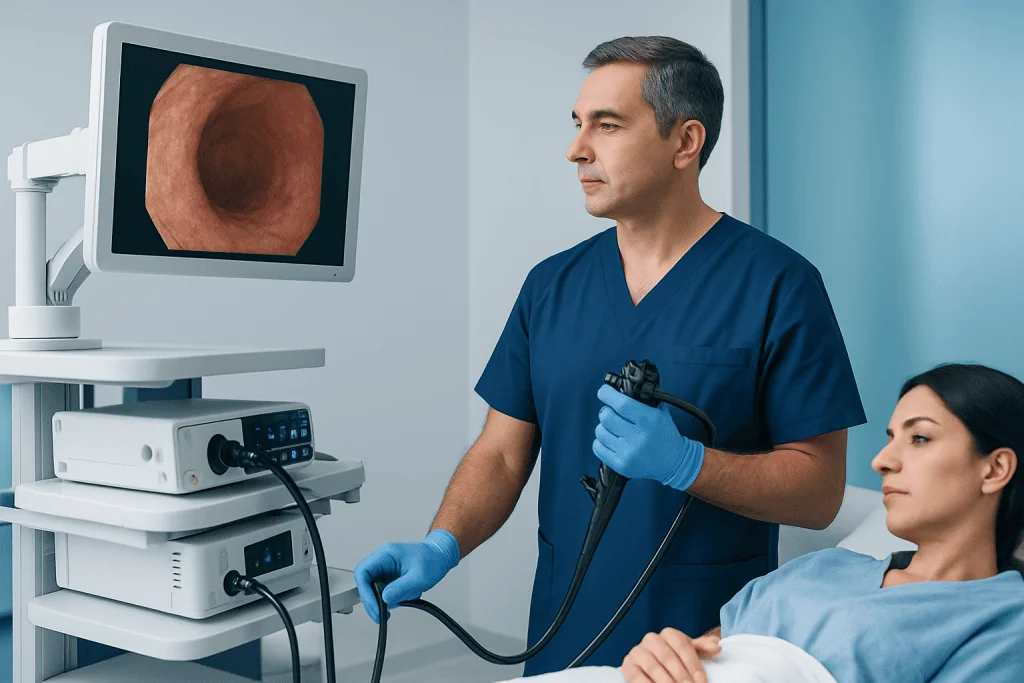
A gastroenterology hospital should provide access to doctors who diagnose and treat a wide range of digestive conditions. This may include specialists in general gastroenterology, hepatology for liver diseases, therapeutic endoscopy, gastrointestinal surgery, radiology, pathology, nutrition, and sometimes oncology. A multidisciplinary structure is particularly important when symptoms may have more than one cause or when treatment could involve both medical and procedural care.
International patients can ask whether the hospital regularly manages the condition they have been told they might have. For example, someone with inflammatory bowel symptoms, swallowing difficulty, chronic reflux, jaundice, pancreatic concerns, or unexplained weight loss may need a more specialized evaluation. If there is concern about conditions such as Crohn’s disease or ulcerative colitis, coordinated input from gastroenterology, imaging, pathology, and nutrition can be especially helpful.
Useful questions include whether the hospital offers:
- Upper endoscopy and colonoscopy
- Advanced endoscopic procedures for diagnosis or treatment
- Imaging support such as ultrasound, CT, or MRI
- Liver and pancreatic evaluation
- On-site pathology services for biopsy review
- Nutrition and dietitian support
- Surgical consultation if a procedure is not enough
A hospital that can manage evaluation, treatment, and follow-up in one coordinated setting may be more convenient and efficient for patients traveling internationally.
What Questions Should Patients Ask About Diagnosis and Testing?
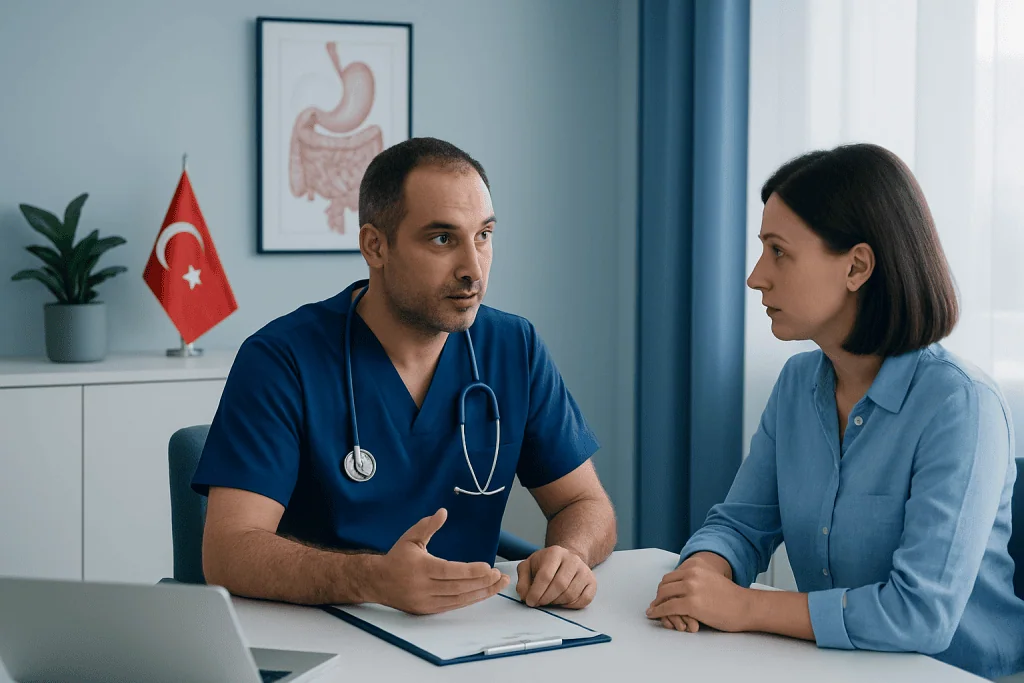
Many international patients travel without a final diagnosis. In that situation, one of the most important questions is how the hospital approaches assessment. Patients can ask which tests are likely to be needed, whether these can be completed in a short timeframe, and how long results usually take. This is especially important for people planning travel dates, hotel stays, and time away from work or family responsibilities.
Digestive conditions often require more than one test. A doctor may recommend blood work, stool tests, endoscopy, colonoscopy, imaging, breath tests, or biopsy analysis depending on the symptoms. Patients should also ask whether prior scans, endoscopy reports, or pathology slides from their home country can be reviewed before repeating tests. This may save time and help avoid unnecessary duplication.
If an endoscopic procedure is expected, it is reasonable to ask about preparation, sedation, possible discomfort, and same-day recovery. Some hospitals may also offer specialized procedures such as endoscopy for diagnosis and treatment, or colonoscopy to investigate bleeding, bowel changes, and colon health. Clear explanations before travel help patients understand what will happen and what they need to prepare.
Patients should feel comfortable asking, “What are you trying to confirm or rule out with this test?” A trustworthy team will explain the purpose of investigations in plain language and discuss what the results could mean for treatment decisions.
How Important Are Safety Standards, Accreditation, and Hospital Infrastructure?
Safety is a central part of choosing any hospital abroad. International patients may want to ask whether the hospital is accredited by a recognized body, how infection prevention is managed, and whether emergency support is available if complications arise. Accreditation alone does not answer every question, but it can be one sign that the hospital follows structured quality and safety processes.
For gastroenterology care, infrastructure matters because some digestive procedures require sedation, endoscopy units, pathology support, advanced imaging, and close monitoring after intervention. Patients should ask whether the hospital has dedicated endoscopy suites, intensive care capabilities if needed, and around-the-clock support for urgent situations. This can be especially relevant for older adults and people with heart, lung, kidney, or bleeding-related conditions.
It is also sensible to ask how biopsy samples are handled, whether pathology is available on site, and how quickly results are reviewed. In digestive medicine, timely pathology can be important for planning next steps. If surgery may be required, patients can also ask how the gastroenterology team works with gastrointestinal surgeons and anesthesiologists.
Hospitals serving international patients should also have clear medication safety procedures, discharge planning, and written instructions in a language the patient understands. These details may seem small, but they play a major role in safe care before, during, and after treatment.
Why Do Communication and International Patient Support Matter?
Good medical care depends on clear communication. For international patients, language support, medical translation, and care coordination can strongly affect the overall experience. It is helpful to ask whether the hospital provides professional interpreters, multilingual coordinators, and written reports in English or another preferred language. Family members should not be expected to translate complex medical information on their own.
Patients can also ask who their main point of contact will be before arrival, during hospitalization, and after discharge. A dedicated coordinator can help with appointment scheduling, document collection, airport transfers, accommodation guidance, and communication between departments. This may reduce stress and make the treatment journey more organized.
Another valuable question is how doctors explain treatment choices. Patients should receive understandable information about possible diagnoses, recommended tests, expected benefits, alternatives, and potential risks. This is particularly important if the care plan may include procedures such as ERCP or surgery for biliary or pancreatic problems.
Near the end of the process, patients should ask how records will be shared with their doctor back home. A complete discharge summary, pathology results, imaging reports, medication list, and follow-up plan can make long-distance care safer and more continuous.
What Should Patients Know About Treatment Planning and Follow-Up?
One of the best questions to ask any gastroenterology hospital in Turkey is how treatment decisions are made after testing is complete. Some conditions are managed with medication, nutrition changes, or observation, while others need endoscopic treatment or surgery. Patients should ask whether the hospital offers a stepwise plan and whether more than one specialist reviews complex cases when needed.
For example, someone with persistent reflux may need medical treatment, lifestyle guidance, and further testing before considering procedural options. A patient with gallstone-related bile duct blockage may need urgent intervention, while another with bowel inflammation may need long-term disease monitoring. If surgery is a possible part of care, it can be helpful to ask whether minimally invasive options are available, such as laparoscopic surgery when appropriate.
Follow-up is equally important for international patients. They should ask how long they are expected to remain in Turkey, when they can fly home, what symptoms should prompt urgent review, and whether virtual follow-up is available. Patients should also understand whether the hospital can coordinate with a local physician after return.
At established centers, discharge planning usually includes diet advice, medication instructions, activity guidance, and warning signs to watch for. Acibadem International’s multidisciplinary specialists and JCI-accredited hospitals diagnose and treat digestive conditions for international patients, with coordinated planning across evaluation, procedures, and follow-up when needed.
Practical Travel Questions International Patients Should Ask
Medical quality is essential, but practical arrangements also matter. International patients should ask how many days they may need in Turkey for consultation, testing, procedures, recovery, and final review. The timeline may differ depending on whether care involves a simple outpatient evaluation or a more complex intervention requiring observation in the hospital.
It is also helpful to ask what medical documents should be sent in advance. Hospitals may request prior endoscopy reports, biopsy results, imaging discs, medication lists, allergy information, and details of major past illnesses or surgeries. Sending these records early may help the team prepare a more efficient plan before travel.
Additional practical questions include:
- Will a visa support letter be provided if needed?
- Is airport-hospital-hotel transportation available?
- Can a companion stay with the patient?
- Are dietary needs accommodated after a procedure?
- What payment steps are required before admission?
- How will urgent problems after discharge be handled?
Patients should also ask about recovery instructions for flying, eating, and returning to normal activities. This is particularly important after sedation, advanced endoscopy, or surgery. Clear pre-travel planning often leads to a more comfortable and predictable treatment experience.
When Is It Time to Seek Prompt Gastroenterology Evaluation?
Not every digestive symptom is urgent, but some situations deserve timely medical attention. A patient should arrange prompt evaluation for ongoing abdominal pain, difficulty swallowing, persistent vomiting, blood in the stool, black stools, yellowing of the skin or eyes, unexplained weight loss, or a lasting change in bowel habits. These symptoms do not always mean a serious disease, but they should not be ignored.
People with long-standing digestive problems should also seek specialist review if symptoms are worsening despite treatment or if a previous diagnosis is still unclear. This can include chronic reflux, recurrent diarrhea, severe constipation, unexplained anemia, or liver-related concerns. In some cases, a focused evaluation at a specialist hospital may help clarify the cause and guide a more effective treatment plan.
If symptoms are severe or sudden, emergency care may be needed rather than planned travel. For example, intense abdominal pain, signs of dehydration, fainting, high fever, severe gastrointestinal bleeding, or confusion should be assessed urgently in the nearest emergency setting first. Travel for treatment is safest when the patient is stable enough for planned care.
The most suitable hospital is one that combines expertise, safety, communication, and thoughtful follow-up. By asking the right questions in advance, international patients can make a better-informed choice and approach care in Turkey with greater clarity and reassurance.
Frequently asked questions
What is the most important question to ask a gastroenterology hospital in Turkey?
A useful starting question is whether the hospital regularly evaluates and treats the patient’s specific digestive problem. This helps clarify whether the team has the right specialists, diagnostic tools, and procedural experience. Patients should also ask how the hospital coordinates care from consultation through follow-up.
Should international patients choose a hospital based only on cost?
No. Cost matters, but it should be considered alongside medical expertise, diagnostic capacity, safety standards, and communication support. The least expensive option may not provide the level of coordination or follow-up a patient needs.
Why does accreditation matter when choosing a hospital abroad?
Accreditation can indicate that a hospital follows recognized quality and safety processes. It may reflect structured standards for infection control, medication safety, documentation, and patient care systems. However, patients should still ask practical questions about their specific treatment pathway.
How can patients prepare before traveling for gastroenterology care?
Patients should gather previous medical records, imaging reports, pathology results, medication lists, and allergy information. Sending these documents in advance may help the hospital plan tests more efficiently. It is also wise to ask about fasting rules, bowel preparation, and travel timing after procedures.
What follow-up support should a hospital provide after treatment?
A hospital should provide a clear discharge summary, test results, medication instructions, and advice on diet, activity, and warning signs. International patients should also ask whether remote follow-up is available and whether records can be shared with their doctor at home. Good follow-up helps maintain continuity of care after travel.
Is it possible to travel without a confirmed digestive diagnosis?
Yes, many patients travel for evaluation rather than a confirmed diagnosis. In these cases, it is especially important to ask what tests may be needed and how quickly results are usually available. A hospital with strong diagnostic services can often streamline the workup.
References
- World Health Organization
- American College of Gastroenterology
- National Institute of Diabetes and Digestive and Kidney Diseases
- European Society of Gastrointestinal Endoscopy
- Joint Commission International
This article is for general information only and is not a substitute for professional medical advice. Please consult a qualified doctor about your individual situation.
Persistent digestive symptoms? Get evaluated in Turkey
JCI-accredited · board-certified surgeons · reply within 24h
Add us as a Preferred Source to see more of our trusted health content across Google Search, AI Overviews and Discover.

More from the Health Library



Related Specialists

Dr. Oya Uğurlubilek
Inpatient Clinic Physicians Clinical Service
Prof. Dr. Mehtap Çakır
Endocrinology
Dr. Enes Cansız
Emergency Service
Dr. Mehmet Kılıç
Emergency Service