Choosing a Hospital for Stroke and Neurovascular Care: Questions Patients Should Ask

Fast access to stroke specialists and urgent imaging is one of the most important features to ask about. A strong stroke hospital should offer coordinated care from emergency treatment through rehabilitation and follow-up.
Key Takeaways
- Fast access to stroke specialists and urgent imaging is one of the most important features to ask about.
- A strong stroke hospital should offer coordinated care from emergency treatment through rehabilitation and follow-up.
- Patients should ask whether the hospital can provide advanced neurovascular procedures when needed.
- Clear communication, family support, and discharge planning are essential parts of high-quality stroke care.
- A hospital’s experience with complex stroke and neurovascular conditions can help guide treatment decisions.
Choosing a hospital for stroke and neurovascular care is an important decision that can affect diagnosis, treatment speed, recovery, and long-term support. Patients and families can make more confident choices by asking clear questions about expertise, emergency pathways, technology, rehabilitation, and communication.
Overview: Why hospital choice matters in stroke and neurovascular care
Stroke and other neurovascular conditions require timely, organized, and highly specialized care. In these situations, the right hospital is not only a place for treatment; it is also the center of decision-making, monitoring, prevention of complications, rehabilitation, and long-term follow-up. Because stroke treatment can be very time-sensitive, patients and families often benefit from understanding what to look for before an emergency happens, especially if a person already has known risk factors or a previous stroke history.
Neurovascular care includes treatment for conditions that affect the blood vessels of the brain and nervous system. This may involve ischemic stroke, bleeding in or around the brain, transient ischemic attack, and vascular abnormalities such as aneurysms or arteriovenous malformations. Some patients may need medication, while others may require urgent procedures, intensive care, or neurosurgical evaluation. A hospital that can coordinate these services quickly and safely is often better prepared for complex cases.
For many families, choosing a hospital can feel overwhelming because there are many factors to compare. It helps to focus on practical questions: who will treat the patient, how quickly tests are done, whether advanced procedures are available, what rehabilitation services exist, and how the hospital supports recovery after discharge. These questions can make the decision more structured and less stressful.
What emergency stroke capabilities should patients ask about?
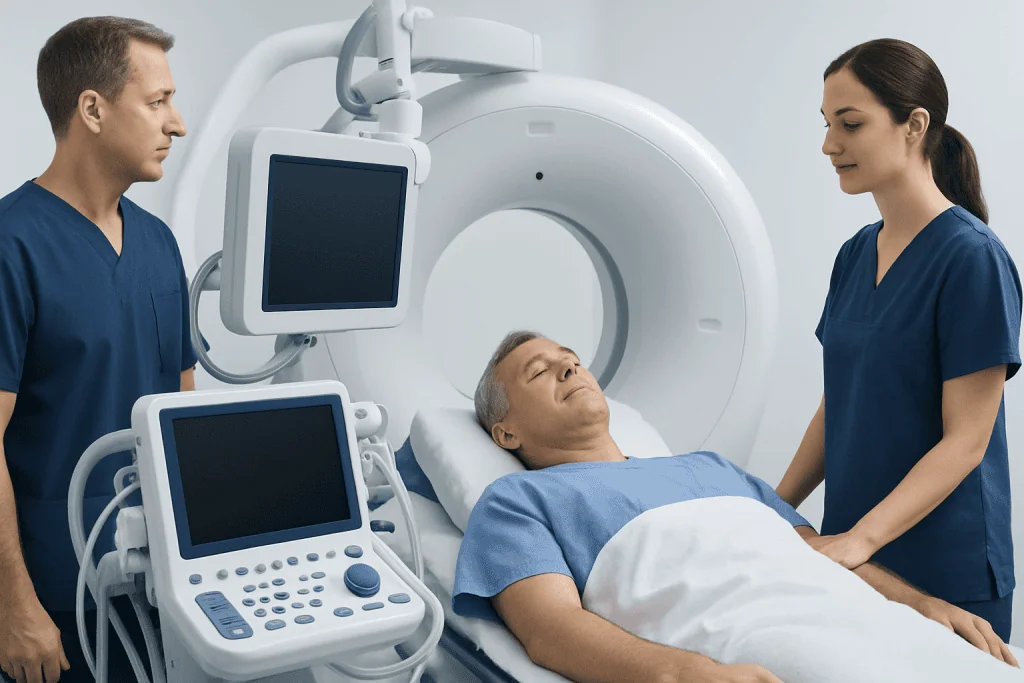
One of the first questions to ask is whether the hospital has a dedicated stroke pathway for emergencies. A strong stroke pathway usually means that the emergency department, neurology team, imaging department, and intensive care staff work together in a coordinated way. This helps reduce delays from arrival to diagnosis and treatment, which is especially important in acute stroke.
Patients and families should ask whether brain imaging such as CT or MRI is available around the clock, and whether neuroradiology specialists can review scans urgently. It is also useful to ask if the hospital can provide time-sensitive treatments for eligible patients, including clot-busting medication and endovascular procedures such as thrombectomy when a large vessel blockage is present. Not every patient needs these treatments, but access to them can be critical when they are appropriate.
Other helpful questions include whether there is a stroke unit or neuro-intensive care unit, how quickly specialists can assess a patient, and whether transfer to another facility is needed for advanced care. If transfer is commonly required, families may want to know how that process works and how delays are minimized.
- Is emergency stroke care available 24 hours a day, 7 days a week?
- How quickly can CT, MRI, or vascular imaging be performed?
- Are stroke neurologists, interventional neuroradiologists, and neurosurgeons available when needed?
- Does the hospital offer advanced treatments on site or through a rapid referral network?
Which specialists and services are important for comprehensive neurovascular care?
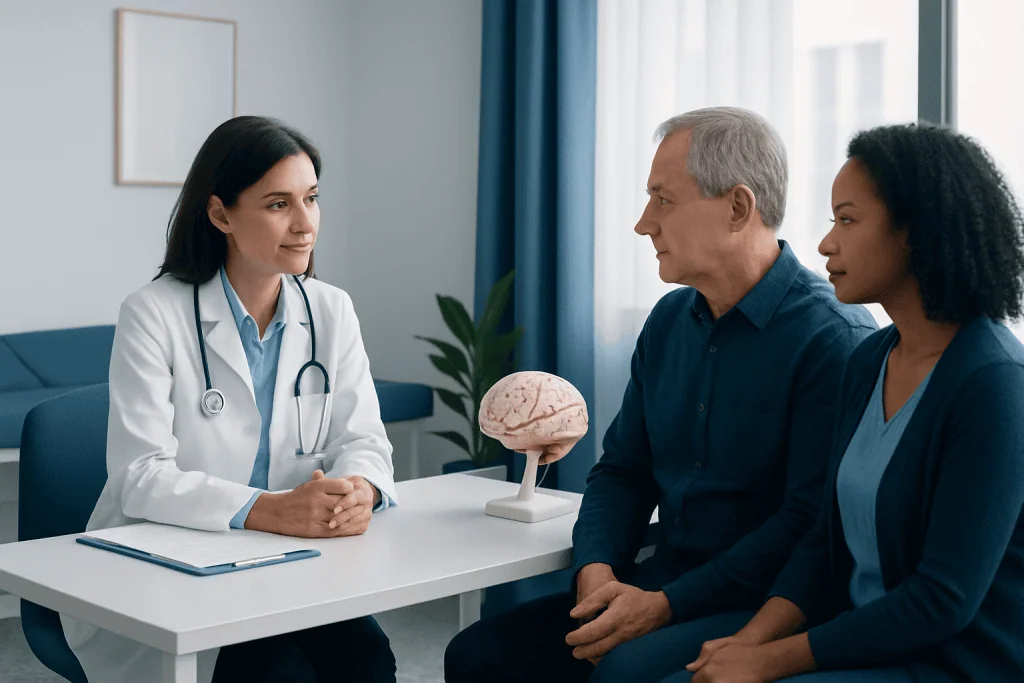
Stroke and neurovascular care often involve more than one type of specialist. Depending on the diagnosis, the patient may need a vascular neurologist, emergency physician, neuroradiologist, interventional specialist, neurosurgeon, critical care physician, rehabilitation doctor, and therapists. Asking whether these experts work together as a multidisciplinary team can provide a clearer picture of how coordinated the hospital’s care is.
Some hospitals are equipped to manage a wide range of brain vessel disorders beyond standard stroke treatment. For example, a patient with a brain aneurysm or other vascular abnormality may need specialist evaluation and procedures such as aneurysm treatment or other interventional neuroradiology approaches. A hospital that can assess both common and complex neurovascular problems may be better prepared if the diagnosis changes after imaging or during the hospital stay.
Families should also ask about rehabilitation services, swallowing assessments, speech and language therapy, physiotherapy, occupational therapy, and neuropsychological support. Recovery after stroke can involve movement, communication, memory, mood, and daily functioning. Hospitals that begin these assessments early are often better able to support a safe and organized transition to the next stage of care.
What questions help evaluate quality, experience, and patient safety?
Patients do not need to be medical experts to ask meaningful questions about quality. It is reasonable to ask whether the hospital has a dedicated stroke unit, how often it treats stroke and neurovascular emergencies, and whether it follows current clinical guidelines. Higher experience does not guarantee a specific outcome, but a team that regularly manages these conditions is often more familiar with complex decisions and complication prevention.
Patient safety is another important area. Families can ask how the hospital monitors neurological changes, prevents pneumonia and blood clots, manages swallowing problems, and reduces the risk of falls. They may also ask how quickly changes in a patient’s condition are escalated to senior doctors and what support is available if intensive care becomes necessary.
Another useful topic is continuity of care. Good hospitals usually have clear handovers between emergency staff, inpatient teams, rehabilitation professionals, and outpatient follow-up services. This can be especially important for patients with conditions such as stroke or brain aneurysm, where ongoing monitoring and prevention planning may continue after discharge.
- Is there a dedicated stroke or neurovascular unit?
- How are complications recognized and managed?
- How is the treatment plan explained to patients and families?
- What follow-up care is arranged before discharge?
How do diagnosis, imaging, and treatment planning affect care?
Accurate diagnosis is the foundation of effective stroke care. Not every episode of weakness, speech difficulty, or sudden confusion is caused by the same problem, and treatment depends on identifying the cause quickly. Patients can ask what imaging tests are used, whether blood vessel imaging is available, and how the team distinguishes between ischemic stroke, bleeding, transient ischemic attack, or another neurological condition.
It is also helpful to ask how treatment decisions are made. In some cases, the team may recommend medical treatment such as antiplatelet or anticoagulant therapy, blood pressure management, and careful monitoring. In others, a procedure such as carotid endarterectomy or an endovascular intervention may be considered if a blocked or narrowed artery is contributing to stroke risk. A patient-friendly hospital should be able to explain the reason for each option, the expected goals, and the possible risks in understandable language.
For many families, communication around uncertainty is especially important. Sometimes doctors need time to determine the exact stroke mechanism, assess heart rhythm, evaluate blood vessels, or look for less common causes. A good hospital should explain what is known, what is still being investigated, and what happens next in the treatment plan.
What should patients know about rehabilitation, recovery, and aftercare?
Recovery after stroke often begins in the hospital, sometimes within the first day if the patient is medically stable. Early rehabilitation can support mobility, communication, swallowing, personal care, and confidence. Patients and families should ask when rehabilitation starts, which professionals are involved, and how recovery goals are reviewed during the hospital stay.
Discharge planning is just as important as emergency treatment. Some people can return home with outpatient therapy, while others may need inpatient rehabilitation, home nursing support, mobility aids, or caregiver training. It is helpful to ask whether the hospital assesses the home environment, provides medication education, and arranges follow-up with neurology, rehabilitation, or primary care teams.
Hospitals should also address secondary prevention, which means reducing the chance of another stroke. This may involve treating high blood pressure, diabetes, cholesterol problems, irregular heart rhythm, sleep apnea, and lifestyle risks such as smoking. Patients should leave the hospital with a clear understanding of warning signs, medicines, appointments, and the steps needed to support recovery over time.
Practical and personal questions that families should not overlook
Medical expertise matters greatly, but the practical experience of care matters too. Families often benefit from asking who will be the main contact person, how updates are shared, whether interpreters are available, and how decisions are explained if the patient cannot speak for themselves. Good communication can reduce confusion and help families participate in care more effectively.
Other practical questions include whether visiting policies allow family involvement, what support exists for international or out-of-town patients, and whether the hospital can help coordinate records and imaging from previous doctors. If a patient has other medical conditions, asking how the hospital manages heart disease, diabetes, kidney disease, or frailty alongside stroke care can also be valuable.
Near the end of the decision process, families may wish to ask about accreditation, team coordination, and services for complex neurovascular patients. At Acibadem International, multidisciplinary specialists in JCI-accredited hospitals diagnose and treat stroke and related neurovascular conditions for international patients. Even so, the most important factor is choosing a hospital that can safely meet the individual patient’s immediate and ongoing needs.
When to seek urgent medical attention
Anyone with sudden facial drooping, arm weakness, speech difficulty, sudden vision loss, severe unexplained dizziness, loss of coordination, or a sudden severe headache should receive urgent medical evaluation. These symptoms may be caused by stroke or another serious neurological problem, and prompt assessment is important. Patients and families should not try to wait and see if symptoms improve on their own.
Even if symptoms last only a few minutes and then go away, urgent medical care is still needed. A transient ischemic attack can be an important warning sign of a future stroke. Early evaluation may help identify treatable causes and reduce future risk.
If a person already has a known neurovascular condition, new or worsening symptoms should also be reviewed promptly by a qualified doctor. Emergency services are often the safest option when symptoms are sudden, severe, or rapidly changing.
Frequently asked questions
What is the most important question to ask when choosing a hospital for stroke care?
One of the most important questions is whether the hospital can provide rapid stroke assessment and treatment at any time of day. This includes urgent brain imaging, specialist evaluation, and access to time-sensitive therapies when appropriate.
Should patients choose a hospital with a dedicated stroke unit?
A dedicated stroke unit is often a very helpful feature because it brings together staff who regularly care for patients with stroke. This can improve coordination, monitoring, rehabilitation planning, and complication prevention.
Why does a multidisciplinary team matter in neurovascular care?
Neurovascular conditions can involve emergency medicine, neurology, neuroradiology, neurosurgery, rehabilitation, and nursing support. A multidisciplinary team helps ensure that diagnosis, treatment, recovery, and prevention are managed in an organized way.
Is rehabilitation part of choosing the right stroke hospital?
Yes. Recovery often starts early, so it is useful to ask when rehabilitation begins and which services are available. Speech therapy, physiotherapy, occupational therapy, and swallowing support may all be important depending on the patient’s needs.
What if symptoms improve before reaching the hospital?
Medical evaluation is still needed even if symptoms go away. Temporary symptoms can be a warning sign of a transient ischemic attack or an evolving stroke risk that should not be ignored.
How can families compare hospitals if they are not medically trained?
Families can focus on clear practical questions: specialist availability, emergency imaging, treatment options, stroke unit care, rehabilitation services, and discharge planning. They can also ask how the hospital communicates with families and coordinates follow-up care.
References
- World Stroke Organization
- American Stroke Association
- National Institute of Neurological Disorders and Stroke
- European Stroke Organisation
- World Health Organization
This article is for general information only and is not a substitute for professional medical advice. Please consult a qualified doctor about your individual situation.
Explore treatments in Turkey — costs, top hospitals & a free quote
JCI-accredited · board-certified surgeons · reply within 24h
Add us as a Preferred Source to see more of our trusted health content across Google Search, AI Overviews and Discover.