Choosing an Interventional Neuroradiology Center: Safety Checks for Patients

A safe interventional neuroradiology center should have experienced neurointerventional specialists and 24/7 emergency support when needed. Advanced imaging, anesthesia support, and intensive care access are important for complex brain and spine procedures.
Key Takeaways
- A safe interventional neuroradiology center should have experienced neurointerventional specialists and 24/7 emergency support when needed.
- Advanced imaging, anesthesia support, and intensive care access are important for complex brain and spine procedures.
- Patients should ask about complication management, follow-up plans, and how the team communicates risks and benefits.
- Hospital accreditation, infection prevention standards, and multidisciplinary teamwork are practical safety indicators.
- A second opinion can be helpful, especially for aneurysms, AVMs, stroke procedures, and other complex conditions.
Choosing an interventional neuroradiology center involves more than location or convenience. Patients can feel more confident by checking team expertise, imaging capability, emergency readiness, infection control, and communication before treatment.
Overview: What an Interventional Neuroradiology Center Does
Interventional neuroradiology, also called neurointerventional radiology or endovascular neurosurgery in some settings, uses image-guided techniques to diagnose and treat problems affecting the blood vessels of the brain, head, neck, and spine. Instead of large incisions, specialists often work through a small tube inserted into an artery or vein, usually in the wrist or groin, and guide tiny instruments to the treatment area using live imaging.
These centers may treat conditions such as brain aneurysms, arteriovenous malformations, carotid artery disease, stroke caused by a blocked vessel, dural fistulas, and some spinal vascular disorders. In some cases, they also perform diagnostic angiography to give doctors a more detailed view of blood vessels before deciding on treatment.
Because these procedures affect delicate structures and may be urgent, choosing the right center matters. Patients are not expected to judge technical details alone, but they can ask clear questions about staff expertise, hospital resources, safety processes, and aftercare. A high-quality center should welcome these questions and answer them in a way that is easy to understand.
Which Safety Features Matter Most
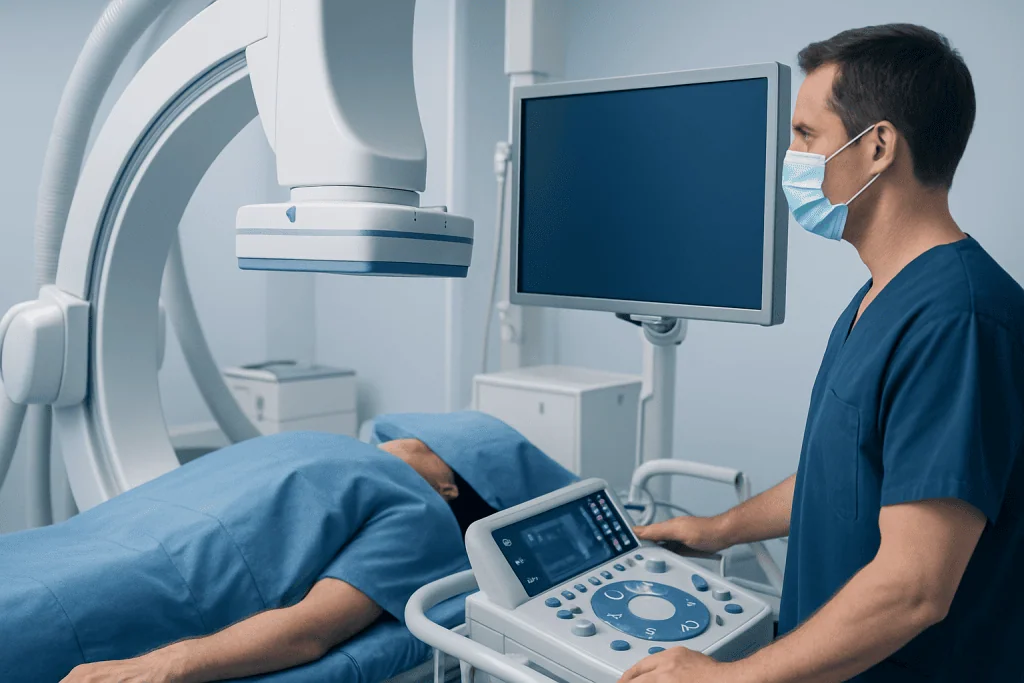
One of the most important safety checks is whether the center has a dedicated, experienced team. This usually includes an interventional neuroradiologist or neurointerventional specialist, stroke neurologists or neurologists when needed, neurosurgeons, anesthesiologists, critical care doctors, and specially trained nurses and technologists. Complex brain and spinal conditions are safest when experts from different specialties can coordinate care quickly.
Another key factor is whether the hospital can support emergencies at any time. Some procedures are planned, while others are urgent, such as treatment for acute ischemic stroke or a ruptured aneurysm. A center should have rapid access to advanced imaging, operating rooms if necessary, intensive care, blood bank services, and specialists who can respond to unexpected complications.
Patients can also look for organizational signs of quality. Helpful indicators include hospital accreditation, clear informed consent processes, standard infection prevention practices, medication safety checks, and routine monitoring during and after procedures. It is reasonable to ask whether the center tracks outcomes and complications internally as part of quality improvement.
- Experienced neurointerventional physician leadership
- 24/7 emergency capability for stroke and bleeding complications
- Modern angiography suites and advanced brain imaging
- Access to ICU, anesthesia, neurosurgery, and neurology support
- Clear discharge instructions and follow-up planning
Questions to Ask About Team Experience and Credentials
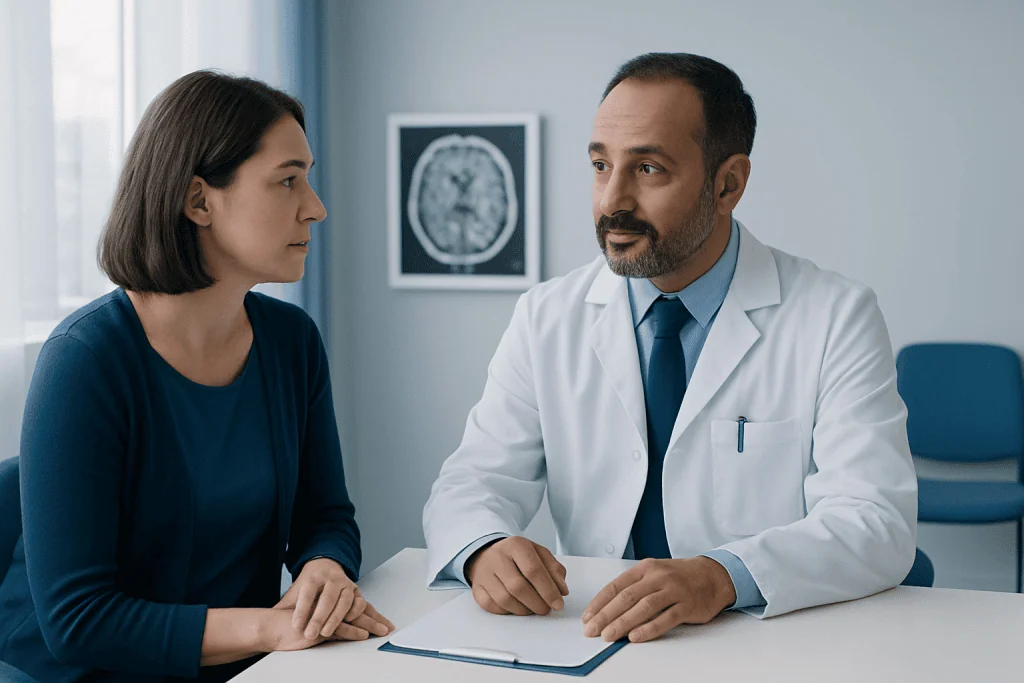
Patients often feel more reassured when they know who will perform the procedure and how often the team treats the same condition. It is appropriate to ask whether the specialist has dedicated training in neurointerventional procedures and whether the center routinely manages the specific issue involved, such as brain aneurysm or acute stroke. Experience does not remove all risk, but it can support better planning and faster decision-making.
It may also help to ask who will be involved before, during, and after the procedure. For example, some patients may need review by a neurologist, neurosurgeon, or vascular surgeon in addition to the neurointerventional team. Multidisciplinary discussion is especially valuable when there is more than one possible treatment, such as observation, surgery, or a catheter-based approach.
Patients should feel comfortable asking practical questions such as: Who is the primary doctor? Who covers nights or weekends? Is an anesthesiologist present if sedation or general anesthesia is needed? How are complications handled? A center that explains these points clearly often reflects a culture of transparency and patient-centered care.
Imaging, Procedure Planning, and Emergency Readiness
Safe neurointerventional care depends heavily on imaging quality. Before treatment, doctors may use CT, MRI, ultrasound, or angiography to understand the shape of a blood vessel problem, the surrounding anatomy, and the urgency of treatment. A center should be able to perform and interpret these tests promptly, especially if the condition is time-sensitive.
Patients can ask how the team decides whether a catheter-based procedure is the best option. Good centers explain why a treatment is recommended, what alternatives exist, and what would happen without treatment. For some conditions, a procedure such as embolization may help close an abnormal vessel or reduce bleeding risk, while in others medical therapy or surgery may be more appropriate.
Emergency readiness is another major safety check. During neurointerventional treatment, rare but serious events can occur, including bleeding, vessel injury, allergic reaction, or stroke. The safest centers are prepared for this possibility with immediate access to rescue equipment, blood pressure monitoring, intensive care, and neurosurgical backup if needed.
Procedure Risks, Recovery, and Follow-Up Care
Every interventional neuroradiology procedure has potential benefits and risks. The exact balance depends on the diagnosis, the patient’s overall health, the blood vessels involved, and whether the problem is stable or urgent. Common general concerns may include bleeding at the catheter site, bruising, contrast reactions, kidney strain in susceptible patients, and stroke-related complications, though the risk level varies widely by procedure.
Patients should receive a clear explanation of what recovery usually involves. Some procedures require only a short hospital stay, while others need monitoring in an ICU or stroke unit. Follow-up imaging may be necessary to confirm that treatment worked as planned, especially after procedures related to aneurysms, fistulas, or vessel narrowing.
It can be useful to ask whether rehabilitation, medication review, or longer-term neurological follow-up is expected. For instance, after treatment related to stroke, recovery may involve coordinated support from neurology, rehabilitation, and speech or physical therapy teams. Strong aftercare planning is part of safety, not an afterthought.
How Patients Can Compare Centers Before Making a Decision
When comparing centers, patients can start with a practical checklist. They may ask whether the hospital treats a high number of complex neurovascular cases, whether it has a dedicated stroke pathway, and whether intensive care and neurosurgery are available on site. Travel distance and convenience matter too, but for complex conditions, specialist resources are often just as important.
Communication style is another useful clue. A reliable center usually explains the diagnosis in plain language, outlines the goals of treatment, and encourages questions from patients and families. It should also discuss what symptoms after discharge would require urgent medical attention and how to reach the team if concerns arise.
For some patients, getting a second opinion is a sensible step rather than a sign of distrust. This can be particularly helpful when the options include observation versus intervention, or when more than one technique may be possible, such as thrombectomy for a blocked vessel in selected stroke cases. Near the end of the decision process, some international patients may also look for centers like Acibadem International, where multidisciplinary specialists in JCI-accredited hospitals diagnose and treat neurovascular conditions for international patients.
Preparing for a Consultation and Procedure
Patients can make consultations more productive by bringing prior scan reports, a medication list, allergy information, and details about past surgeries or strokes. Blood thinners, antiplatelet medicines, kidney disease, diabetes, and contrast allergies are especially important to discuss before angiography or other endovascular procedures. If a patient has questions about whether a procedure is truly necessary, writing them down in advance can help.
During the visit, patients may ask what the goal of treatment is: preventing rupture, restoring blood flow, relieving symptoms, clarifying diagnosis, or reducing future risk. It is also appropriate to ask what type of anesthesia or sedation is planned, how long recovery may take, and when normal activities can resume. If the center offers a procedure such as angiography, it should explain both the value of the test and its possible risks.
Finally, patients should know when to seek urgent help after going home. Sudden severe headache, new weakness, confusion, speech difficulty, heavy bleeding from the catheter site, chest pain, or shortness of breath need prompt medical attention. A good center provides written discharge instructions and emergency contact guidance so patients and families do not have to guess what to do.
Frequently asked questions
What is an interventional neuroradiology center?
It is a medical center that uses image-guided, minimally invasive procedures to diagnose and treat blood vessel problems of the brain, head, neck, and spine. These centers often manage conditions such as aneurysms, stroke, vascular malformations, and narrowed arteries.
How can a patient tell if a center is well prepared for emergencies?
Patients can ask whether the hospital has 24/7 stroke care, intensive care access, anesthesia support, and neurosurgical backup. Fast access to advanced imaging and teams trained to handle complications is also important.
Should patients ask about how many procedures a center performs?
Yes. Asking about experience with a specific condition or procedure is reasonable and can help patients understand whether the team routinely manages similar cases. It is also helpful to ask who will perform the procedure and who will be involved in aftercare.
Are interventional neuroradiology procedures safer than open surgery?
Not always in every case, but they can be less invasive and may offer shorter recovery for selected conditions. The safest choice depends on the diagnosis, anatomy, overall health, and the expertise of the treating team.
Is a second opinion useful before neurointerventional treatment?
A second opinion can be very useful, especially for complex or non-emergency conditions. It may help confirm the diagnosis, clarify treatment choices, and give patients greater confidence in their decision.
What should patients bring to the first consultation?
It helps to bring previous scan reports, imaging discs if available, a full medication list, allergy information, and a summary of past medical history. A written list of questions can also make the discussion clearer and more complete.
References
- World Health Organization
- American Heart Association
- National Institute of Neurological Disorders and Stroke
- Radiological Society of North America
- Society of NeuroInterventional Surgery
This article is for general information only and is not a substitute for professional medical advice. Please consult a qualified doctor about your individual situation.
Interventional Neuroradiology in Turkey — costs, top hospitals & a free quote
JCI-accredited · board-certified surgeons · reply within 24h
Add us as a Preferred Source to see more of our trusted health content across Google Search, AI Overviews and Discover.