Choosing the Right Orthopedic Doctor or Hospital

Look for an orthopedic doctor whose training and experience match the specific problem, such as sports injuries, arthritis, spine care, or joint replacement. A good hospital should offer accurate diagnosis, modern imaging, safe surgical care when needed, and coordinated rehabilitation.
Key Takeaways
- Look for an orthopedic doctor whose training and experience match the specific problem, such as sports injuries, arthritis, spine care, or joint replacement.
- A good hospital should offer accurate diagnosis, modern imaging, safe surgical care when needed, and coordinated rehabilitation.
- Questions about treatment options, recovery time, risks, and follow-up help patients compare providers with confidence.
- Second opinions can be helpful for complex, elective, or major surgery decisions.
- Communication, trust, and access to physical therapy or aftercare are as important as technical skill.
Choosing the right orthopedic doctor or hospital can make diagnosis, treatment, and recovery smoother and more effective. The best choice usually combines the right specialist expertise, clear communication, and a facility that matches the person’s condition and goals.
Overview
Choosing the right orthopedic doctor or hospital is an important step for anyone dealing with bone, joint, muscle, ligament, tendon, or spine problems. Orthopedic care ranges from simple sprains and fractures to arthritis, sports injuries, spinal conditions, and joint replacement. Because the needs can vary widely, the best provider is usually the one whose experience most closely matches the person’s condition.
An orthopedic doctor should be able to explain the diagnosis clearly, outline reasonable treatment options, and help the patient understand what to expect during recovery. In many cases, care also involves physical therapy, pain management, imaging tests, and follow-up visits. A well-chosen hospital supports these steps with safe procedures, coordinated teams, and appropriate rehabilitation services.
For people considering surgery, the setting matters as much as the surgeon. A hospital with strong orthopedic services, modern imaging, infection-prevention practices, and experienced anesthesia and rehabilitation teams can make the care pathway more organized and reassuring. The goal is not simply to find a famous name, but to find the right fit for the medical need.
Symptoms and Situations That Often Need Orthopedic Care
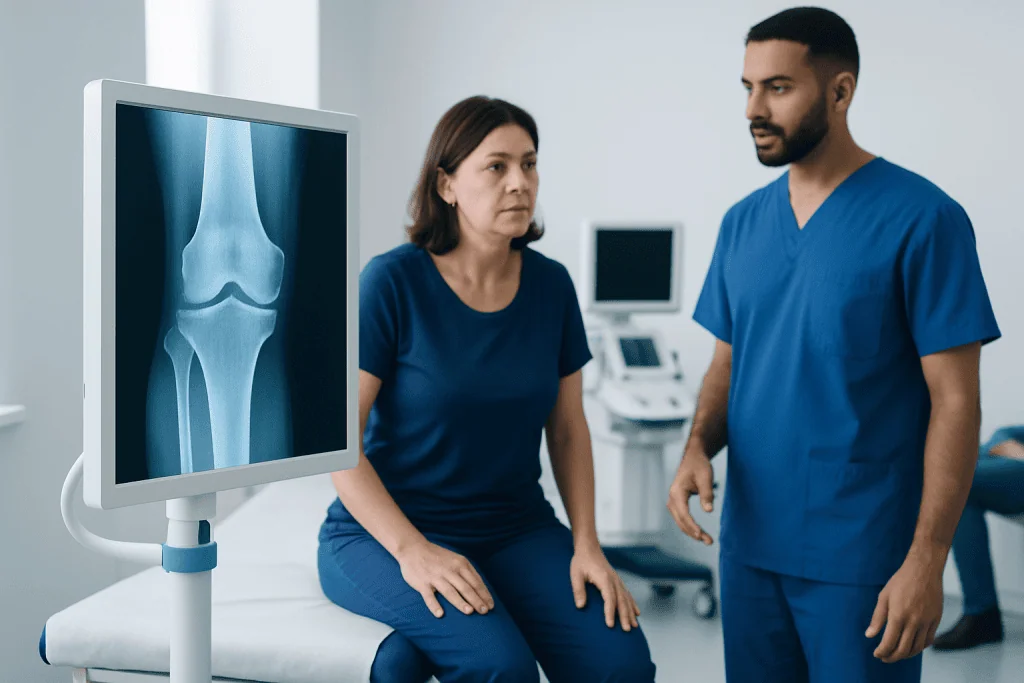
Many people seek orthopedic care for pain that does not improve, swelling after an injury, limited movement, or difficulty walking, lifting, or using a limb. Other common reasons include fractures, dislocations, torn ligaments, shoulder problems, knee pain, hip arthritis, back pain, and neck pain. Children and adults may also need orthopedic evaluation for deformities, growth-related issues, or joint instability.
Some situations are more time-sensitive. A suspected fracture, severe deformity, numbness with weakness, inability to bear weight, or a joint that appears out of place should be assessed promptly. For chronic problems, the decision is less urgent but still important, especially when pain starts affecting sleep, work, exercise, or daily tasks.
When symptoms are ongoing, patients often benefit from a specialist who treats the specific area of concern. For example, a sports medicine orthopedist may be well suited for athletic injuries, while someone with long-standing arthritis may need a surgeon experienced in joint preservation or replacement. Matching the problem to the right expertise can improve both comfort and outcomes.
What to Look for in an Orthopedic Doctor
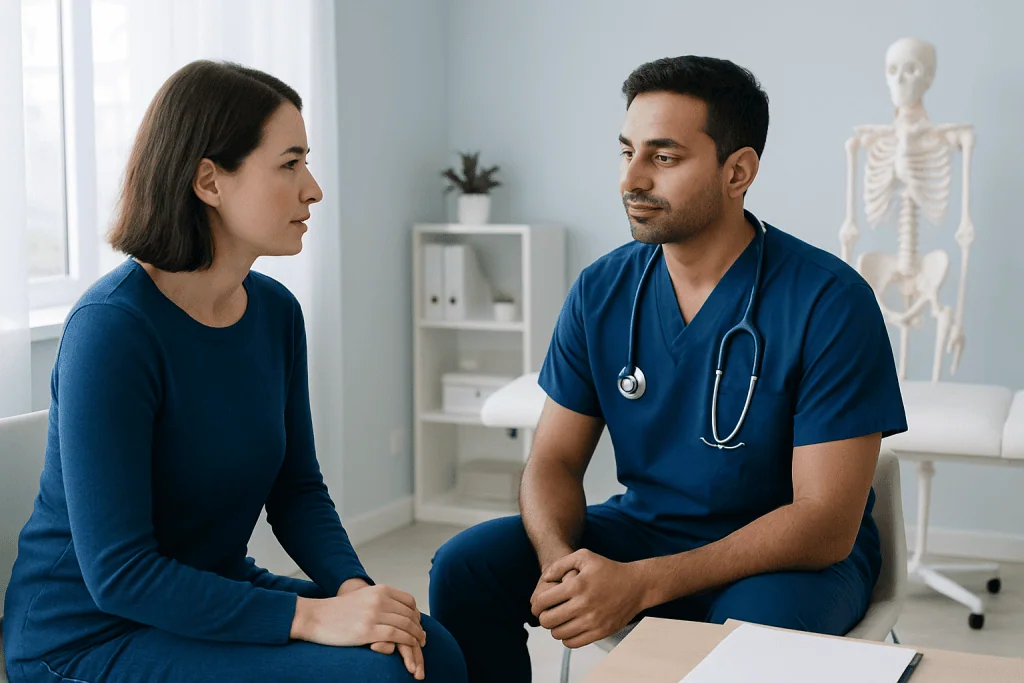
The first thing to consider is training. An orthopedic doctor should be board-certified or otherwise fully qualified in orthopedics, with additional experience in the relevant subspecialty when possible. Subspecialty focus may include sports medicine, spine care, hand surgery, pediatric orthopedics, foot and ankle care, or joint replacement.
Experience matters, but it should be relevant experience. A doctor who regularly treats the same type of problem is more likely to be familiar with current approaches and potential challenges. It is reasonable to ask how often the doctor treats the condition, which treatments are commonly recommended, and whether both surgical and non-surgical options are considered before surgery.
Communication is also essential. The right doctor listens carefully, answers questions in understandable language, and respects the patient’s preferences and concerns. Good orthopedic care is shared decision-making: the doctor explains the medical facts, and the patient decides with support and realistic expectations.
Useful questions to ask include:
- What is the most likely diagnosis?
- What are the non-surgical options?
- When would surgery be recommended?
- What is the expected recovery time?
- Who will provide rehabilitation or physical therapy?
How to Evaluate an Orthopedic Hospital
The hospital or clinic is an important part of the treatment experience. A strong orthopedic center should be able to provide accurate imaging, such as X-rays, MRI, or CT when needed, and coordinate care between doctors, nurses, anesthesiologists, therapists, and rehabilitation staff. For complex cases, multidisciplinary teamwork can make the process smoother and safer.
Patients who may need surgery should ask about operating room standards, infection-prevention practices, pain control methods, and how emergencies are handled. It is also helpful to know whether the hospital offers inpatient rehabilitation, outpatient physiotherapy, and follow-up appointments in the same system. This coordination can reduce confusion and improve continuity of care.
Accessibility also matters. A hospital that is easy to reach, communicates clearly, supports international patients when needed, and provides interpreter services can be especially helpful for people traveling for treatment. In some cases, patients choose a center specifically because it can guide them from diagnosis through recovery in one coordinated pathway. For international patients, Acibadem International offers multidisciplinary specialists and JCI-accredited hospitals that diagnose and treat orthopedic conditions in a coordinated setting.
Causes and Risk Factors for Orthopedic Problems
Orthopedic conditions can arise from a sudden injury, repeated strain, aging-related wear and tear, inflammation, congenital differences, or underlying disease. Sports accidents, falls, heavy lifting, and repetitive work can all contribute to muscle, tendon, ligament, or joint problems. Some issues, such as osteoarthritis, develop gradually over time.
Risk factors vary by condition. A person may be more likely to need orthopedic care if they participate in contact sports, have a physically demanding job, carry extra body weight, have weak bone density, or have a family history of certain musculoskeletal disorders. Previous injuries can also increase the chance of future problems in the same area.
Not every orthopedic problem can be prevented, but understanding the cause helps patients choose the right specialist. A surgeon with experience in trauma may be ideal for fractures, while a joint specialist may be better for arthritis-related pain. Matching expertise to the likely cause is one of the simplest ways to improve decision-making.
How Orthopedic Problems Are Diagnosed
Diagnosis usually begins with a detailed history and physical examination. The doctor may ask when symptoms started, what makes them better or worse, whether there was an injury, and how the problem affects movement and daily life. The exam may include checking strength, joint stability, range of motion, swelling, and nerve function.
Imaging tests are often used to confirm the diagnosis or plan treatment. X-rays can show fractures, alignment problems, and arthritis changes. MRI may help evaluate ligaments, tendons, cartilage, discs, or soft tissue injury. CT scans and ultrasound may also be useful in selected cases. Lab tests are sometimes needed if inflammation, infection, or another medical condition is suspected.
When choosing a provider, it helps to ask how the diagnosis will be confirmed and whether the hospital can perform the tests on site. Faster access to appropriate imaging and review can shorten the time to treatment and reduce unnecessary delays. A clear diagnostic plan is often a sign of an organized orthopedic service.
Treatment Options and Recovery Planning
Orthopedic treatment can be non-surgical or surgical, depending on the condition. Common non-surgical approaches include activity modification, physical therapy, bracing, injections in selected cases, and medicine for pain or inflammation. Many problems improve without surgery, especially when treatment begins early and the plan is followed consistently.
Surgery may be recommended for fractures that need stabilization, severe joint damage, persistent instability, nerve compression, or pain that has not improved with conservative care. Common procedures include arthroscopy, ligament repair, fracture fixation, spinal procedures, and joint replacement. The decision should be based on symptoms, examination findings, imaging, overall health, and the patient’s personal goals.
Recovery planning should be discussed before any procedure. Patients should know how long they may need to limit activity, whether they will need a walker, brace, or crutches, and when physical therapy will begin. It is also useful to ask who will be available for questions after the procedure and how follow-up visits are scheduled. When appropriate, patients may also discuss joint replacement surgery or other relevant options with a specialist who can explain the benefits, limits, and recovery process in context.
Prevention and Self-Care
Not all orthopedic problems are preventable, but many can be managed better with healthy habits. Regular movement, balanced muscle strength, good posture, safe exercise technique, and appropriate footwear can reduce strain on joints and soft tissues. People with ongoing pain often do better when they avoid sudden activity spikes and increase exercise gradually.
Home care should always follow the doctor’s advice, especially after injury or surgery. Rest, ice, compression, and elevation may help some acute injuries, while gentle movement and prescribed exercises may be more useful during recovery. Patients should not ignore persistent pain or return to sports or heavy labor too quickly.
General health also supports orthopedic recovery. Managing weight, maintaining bone health, not smoking, and controlling medical conditions such as diabetes can help healing. If a treatment plan includes physical therapy and rehabilitation, staying consistent with sessions and home exercises often improves function over time.
When to See a Doctor
A doctor should be seen for pain that persists, swelling that does not improve, repeated joint instability, stiffness that limits daily activity, or back and neck pain with ongoing functional problems. Early evaluation is especially useful when symptoms are interfering with walking, sleeping, working, or exercising.
Urgent evaluation is appropriate for a possible fracture, a major injury, a joint that appears dislocated, weakness with numbness, or sudden inability to use a limb normally. Even when the problem seems minor, a timely check can prevent complications and help the patient choose the most appropriate treatment path.
For elective surgery decisions or complex conditions, a second opinion can be a valuable part of care. It is reasonable to compare recommendations from different qualified specialists, especially when the proposed treatment is major or the diagnosis is uncertain. The best orthopedic care is thorough, clear, and tailored to the individual rather than rushed.
Finding Confidence in the Right Choice
Choosing the right orthopedic doctor or hospital is not only about credentials; it is about fit, clarity, and trust. A strong provider combines medical expertise with practical support, from diagnosis to rehabilitation. That combination helps patients feel informed rather than overwhelmed.
Patients may find it useful to bring previous imaging, test results, a medication list, and a short summary of symptoms to the first visit. Writing down questions in advance can also make the consultation more productive. The more clearly the problem is understood, the easier it becomes to compare options and move forward with confidence.
When care is well organized, orthopedic treatment can restore movement, reduce pain, and support a return to daily life. The right doctor or hospital will explain options honestly, involve the patient in decisions, and provide a plan that matches both the condition and the person’s goals.
Frequently asked questions
What should patients ask an orthopedic doctor at the first visit?
Patients can ask about the likely diagnosis, whether surgery is necessary, what non-surgical options exist, and how long recovery may take. It is also helpful to ask how often the doctor treats the same condition and what follow-up care will be needed.
Is it better to choose a specialist or a general orthopedic doctor?
It depends on the problem. For a specific issue such as spine disease, sports injury, hand injury, or joint replacement, a specialist with focused experience may be the better choice.
How important is the hospital compared with the doctor?
Both matter. The doctor’s expertise is important, but the hospital’s imaging, surgical support, rehabilitation services, and safety standards also affect the quality of care.
When is a second opinion useful?
A second opinion is often helpful for complex conditions, major surgery decisions, or when symptoms and test results do not seem to match. It can also help patients feel more confident before committing to a treatment plan.
Can many orthopedic problems be treated without surgery?
Yes. Many conditions improve with physical therapy, activity changes, bracing, pain management, and time. Surgery is usually considered when conservative treatment is not enough or when the problem is severe.
What makes an orthopedic center especially suitable for international patients?
Clear communication, coordinated appointments, access to imaging and rehabilitation, and help navigating the treatment process are especially useful. A center with multidisciplinary teams can make diagnosis and follow-up more organized for people traveling for care.
References
- American Academy of Orthopaedic Surgeons
- Mayo Clinic
- National Institute of Arthritis and Musculoskeletal and Skin Diseases
- World Health Organization
This article is for general information only and is not a substitute for professional medical advice. Please consult a qualified doctor about your individual situation.
Joint and spine care in Turkey — expert assessment & treatment
JCI-accredited · board-certified surgeons · reply within 24h
Add us as a Preferred Source to see more of our trusted health content across Google Search, AI Overviews and Discover.