Chronic Bronchitis: Early Signs, Risk Factors, and How It Is Treated

Chronic bronchitis usually causes a daily cough with mucus that lasts for months and tends to return over time. Smoking is the most common cause, but dust, fumes, air pollution, and repeated lung irritation can also contribute.
Key Takeaways
- Chronic bronchitis usually causes a daily cough with mucus that lasts for months and tends to return over time.
- Smoking is the most common cause, but dust, fumes, air pollution, and repeated lung irritation can also contribute.
- Diagnosis often involves a medical history, physical exam, breathing tests, and sometimes imaging or lab tests.
- Treatment may include smoking cessation, inhaled medicines, pulmonary rehabilitation, vaccines, and oxygen in selected cases.
- Early medical care can help reduce flare-ups, improve breathing, and slow further lung damage.
Chronic bronchitis is a long-term inflammation of the breathing tubes that causes a persistent cough and mucus production. It is often linked to smoking or long-term exposure to airway irritants, and treatment focuses on relieving symptoms, preventing flare-ups, and protecting lung function.
Overview: what chronic bronchitis is
Chronic bronchitis is a long-term condition in which the airways in the lungs, called bronchi, stay irritated and inflamed. This ongoing irritation leads to swelling, extra mucus production, and a cough that keeps coming back. In practical terms, chronic bronchitis means a person has a productive cough on most days for at least three months in a year, in two consecutive years, after other causes have been excluded.
It is considered one of the main forms of chronic obstructive pulmonary disease, or COPD. Not everyone with chronic bronchitis has the same symptoms or the same level of breathing difficulty. Some people mainly notice morning cough and phlegm, while others also develop wheezing, shortness of breath, repeated chest infections, and reduced stamina over time.
A key point for patients is that chronic bronchitis is different from a temporary bronchitis infection after a cold or flu. Acute bronchitis usually improves within days to weeks. Chronic bronchitis lasts much longer because the airways continue to be exposed to irritation or have already developed lasting inflammation.
Early signs and common symptoms
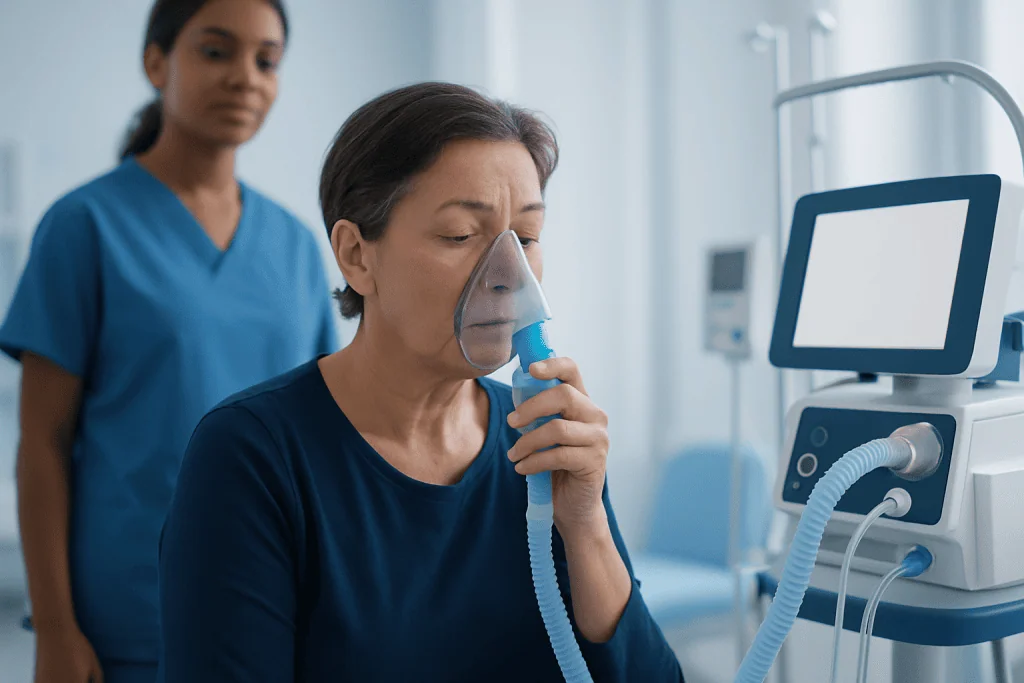
The earliest sign of chronic bronchitis is often a frequent cough that brings up mucus, especially in the morning. The mucus may be clear, white, yellowish, or occasionally thicker during flare-ups. Some people first dismiss this as a “smoker’s cough” or a lingering chest irritation, but a cough that becomes part of everyday life deserves medical attention.
As the condition progresses, symptoms may become more noticeable during exercise, climbing stairs, or cold weather. The airways can narrow because of inflammation and mucus buildup, making it harder for air to move in and out. This may cause chest tightness, wheezing, shortness of breath, or a feeling of not getting enough air.
Common symptoms include:
- A long-lasting cough that produces mucus
- Frequent need to clear the throat or chest
- Wheezing or noisy breathing
- Shortness of breath, especially with activity
- Fatigue or reduced exercise tolerance
- Repeated chest infections or symptom flare-ups
Symptoms can vary from day to day. Many people experience periods when symptoms are relatively stable and other times when coughing, mucus, and breathlessness suddenly worsen. These episodes are called exacerbations or flare-ups and often need prompt treatment.
Causes and risk factors

The leading cause of chronic bronchitis is cigarette smoking. Tobacco smoke irritates the lining of the airways and damages the small hair-like structures that normally help clear mucus and particles from the lungs. Over time, this repeated injury can cause persistent inflammation, excess mucus, and narrowing of the airways.
Chronic bronchitis can also develop in people who have long-term exposure to secondhand smoke, dust, chemical fumes, biomass fuel smoke, or polluted air. Occupational exposure is important in some cases, especially for people who work around industrial dusts, vapors, or irritants without adequate respiratory protection.
Risk can rise further when more than one factor is present. For example, a person who smokes and also works in a dusty environment may be more likely to develop lasting airway disease. Recurrent respiratory infections during childhood, older age, asthma history, and genetic susceptibility may also contribute in some people, although smoking remains the dominant risk factor in many adults.
Chronic bronchitis often overlaps with other lung conditions. A doctor may evaluate whether symptoms are related to asthma, emphysema, or a combined pattern of disease. In some cases, chronic symptoms may also resemble asthma, which is why proper assessment matters before treatment is decided.
How doctors diagnose chronic bronchitis
Diagnosis begins with a careful medical history. A doctor usually asks how long the cough has been present, whether mucus is produced daily, what exposures may be involved, and whether there have been smoking years, flare-ups, wheezing, or limits on physical activity. This history is important because chronic bronchitis is defined partly by the duration and pattern of symptoms.
The physical exam may include listening to the lungs for wheezing or crackles, checking oxygen levels, and looking for signs of labored breathing. However, the exam alone cannot confirm the diagnosis. Breathing tests are often needed to measure how well air moves through the lungs. Pulmonary function testing can help show whether there is airflow limitation consistent with COPD and can also help distinguish chronic bronchitis from other conditions.
Doctors may also request imaging such as chest X-ray to rule out other causes of cough, including pneumonia, lung masses, or other structural problems. In selected cases, additional blood tests, sputum testing, or a CT scan may be appropriate, especially when symptoms are severe, atypical, or associated with frequent infections.
Because chronic cough has many possible causes, diagnosis is often a process of combining symptoms, examination findings, and test results. Identifying the right diagnosis matters because treatment differs depending on whether the person has chronic bronchitis alone, COPD, asthma, infection, reflux, or another lung disorder.
Treatment options and long-term management
The most important treatment step is removing the source of airway irritation whenever possible, especially tobacco smoke. Quitting smoking does not reverse all existing damage, but it can slow further decline, reduce coughing over time, and lower the risk of flare-ups. Avoiding secondhand smoke, workplace irritants, and polluted environments can also support lung health.
Medication is often used to improve symptoms and help keep the airways open. Depending on the person’s condition, a doctor may prescribe inhaled bronchodilators, inhaled corticosteroids in selected cases, or other medicines that reduce exacerbations. During a sudden flare-up, short-term treatment may include rescue inhalers, oral medicines, or antibiotics if a bacterial infection is suspected. In some patients with significant mucus retention, nebulizer treatment may be used to deliver inhaled medication more easily.
Non-drug care is also an important part of treatment. Pulmonary rehabilitation combines supervised exercise, breathing strategies, education, and support for energy conservation. Vaccinations against influenza and pneumococcal disease can help lower the risk of respiratory infections that may worsen symptoms. People with low oxygen levels may need oxygen therapy after proper assessment.
Long-term management works best when patients and clinicians monitor patterns over time. Knowing what a person’s usual cough, mucus, and breathing are like makes it easier to recognize a flare-up early. For international patients who need respiratory evaluation, Acibadem International’s multidisciplinary specialists and JCI-accredited hospitals diagnose and treat chronic airway conditions using a coordinated approach.
Self-care, prevention, and living well with chronic bronchitis
Daily self-care can make a meaningful difference. The first priority is to stop smoking and seek support if quitting is difficult. Many people benefit from a structured plan that may include counseling, behavioral support, and doctor-guided stop-smoking treatment. Staying well hydrated may help keep mucus easier to clear, and regular movement can help maintain stamina and breathing efficiency.
It is also helpful to limit exposure to triggers. Cold air, strong perfumes, aerosol sprays, dust, smoke, and chemical fumes may worsen coughing or wheezing. At home, good ventilation, reduced indoor pollutants, and attention to mold or dampness can support better breathing. At work, respiratory protection may be needed if exposure cannot be avoided.
Helpful habits include:
- Keeping recommended vaccines up to date
- Following prescribed inhaler technique carefully
- Exercising regularly within a doctor’s advice
- Seeking early treatment for worsening symptoms
- Maintaining good nutrition and hydration
- Getting enough sleep and pacing activities during recovery
People living with chronic bronchitis may have periods when they feel quite well and times when symptoms increase. Learning how to use inhalers correctly, recognizing early signs of infection or flare-up, and attending follow-up appointments can help reduce disruption to daily life and may protect long-term lung function.
When to seek medical care
Medical care should be sought if a cough with mucus lasts for weeks, keeps returning, or is accompanied by breathlessness, wheezing, or reduced ability to do normal activities. A persistent “smoker’s cough” should not be ignored, especially if it becomes more frequent or starts affecting sleep, exercise, or work. Early evaluation can help identify chronic bronchitis before repeated flare-ups lead to more limitations.
Prompt care is especially important if symptoms suddenly worsen. Warning signs include rapidly increasing shortness of breath, chest pain, bluish lips, confusion, high fever, or coughing up blood. These symptoms can point to a serious flare-up or another urgent condition and should be assessed without delay.
People already diagnosed with chronic bronchitis should contact a doctor if they notice more mucus than usual, a change in mucus color, increased wheezing, swelling in the legs, or a need to use rescue medication more often. These changes may signal infection, poor disease control, or progression of underlying lung disease.
Frequently asked questions
Is chronic bronchitis the same as COPD?
Chronic bronchitis is one of the main clinical forms associated with COPD, but the terms are not always exactly interchangeable. A person can have chronic bronchitis symptoms as part of COPD, and doctors often use breathing tests to determine the broader diagnosis.
Can chronic bronchitis go away completely?
Chronic bronchitis is a long-term condition, so treatment usually focuses on control rather than cure. However, symptoms often improve meaningfully when smoking stops, triggers are reduced, and the right treatment plan is followed.
What is the difference between chronic bronchitis and acute bronchitis?
Acute bronchitis is usually a short-term illness that follows a viral infection and improves within days to weeks. Chronic bronchitis involves a long-standing cough with mucus that returns over months or years because the airways remain irritated and inflamed.
Does chronic bronchitis always happen in smokers?
No. Smoking is the most common cause, but chronic bronchitis can also occur in people exposed to secondhand smoke, polluted air, dust, or chemical fumes over time. Some people also have other lung conditions or risk factors that contribute.
How is chronic bronchitis treated during a flare-up?
Treatment depends on the cause and severity of the flare-up. Doctors may use inhaled medicines, short-term oral treatment, oxygen assessment, and sometimes antibiotics if a bacterial infection is likely, along with close monitoring of breathing symptoms.
Can exercise help if someone has chronic bronchitis?
Yes, regular activity can help many people maintain endurance, muscle strength, and breathing efficiency. Exercise plans should be individualized, and pulmonary rehabilitation can be especially useful for people who feel limited by shortness of breath.
References
- World Health Organization
- American Lung Association
- National Heart, Lung, and Blood Institute
- Global Initiative for Chronic Obstructive Lung Disease
- Centers for Disease Control and Prevention
This article is for general information only and is not a substitute for professional medical advice. Please consult a qualified doctor about your individual situation.
Chronic Bronchitis in Turkey — costs, top hospitals & a free quote
JCI-accredited · board-certified surgeons · reply within 24h
Add us as a Preferred Source to see more of our trusted health content across Google Search, AI Overviews and Discover.