Chronic Sinusitis or Allergies? How Doctors Tell the Difference

Chronic sinusitis usually involves long-lasting inflammation of the sinuses, often with facial pressure, thick drainage, and reduced smell. Allergies more often cause itching, sneezing, and clear watery mucus, especially after exposure to triggers such as pollen, dust mites, or pets.
Key Takeaways
- Chronic sinusitis usually involves long-lasting inflammation of the sinuses, often with facial pressure, thick drainage, and reduced smell.
- Allergies more often cause itching, sneezing, and clear watery mucus, especially after exposure to triggers such as pollen, dust mites, or pets.
- A careful medical history and physical examination are often the first and most important steps in diagnosis.
- Doctors may use nasal endoscopy, imaging, or allergy testing when symptoms are persistent, unclear, or not improving with treatment.
- Treatment depends on the cause and may include saline rinses, nasal corticosteroid sprays, allergy management, or selected procedures when needed.
Chronic sinusitis and allergies often both cause congestion, pressure, and a blocked nose, so it can be hard to know which one is responsible. Doctors usually tell the difference by looking at how long symptoms last, what triggers them, what the nasal tissues look like, and whether allergy testing is positive.
Overview: Why Chronic Sinusitis and Allergies Get Confused
Chronic sinusitis and allergies can feel very similar because both conditions affect the nose and the nearby air spaces called sinuses. People may notice congestion, pressure in the face, postnasal drip, coughing, and trouble breathing through the nose. Because these symptoms overlap, many people are unsure whether they have a sinus problem, an allergy problem, or both.
Doctors use the term chronic sinusitis, also called chronic rhinosinusitis, when inflammation in the nose and sinuses continues for 12 weeks or longer. Allergies, especially allergic rhinitis, happen when the immune system reacts to substances such as pollen, mold, dust mites, or animal dander. In some people, allergies can contribute to ongoing sinus inflammation, which means the two conditions may exist together rather than as an either-or problem.
The difference matters because treatment is not exactly the same. Allergy care focuses on trigger avoidance and reducing immune reactions, while chronic sinusitis treatment aims to improve sinus drainage and calm inflammation. A doctor’s evaluation helps identify the main cause so treatment can be more targeted and effective.
Symptoms Doctors Look For
When doctors compare chronic sinusitis or allergies, they begin with the details of symptoms. Chronic sinusitis commonly causes nasal blockage, thick mucus, postnasal drip, facial pressure or fullness, and a reduced sense of smell. Some people also report fatigue, bad breath, ear pressure, or discomfort in the upper teeth. The symptoms tend to be steady and long-lasting rather than appearing only at certain times.
Allergies often produce a different pattern. Sneezing, an itchy nose, itchy or watery eyes, and clear runny mucus are especially suggestive of allergic rhinitis. Symptoms may start soon after exposure to a trigger and may be worse during particular seasons or in specific environments, such as dusty rooms or homes with pets.
Still, there is overlap. Both conditions can cause congestion, a runny nose, cough, and sleep disruption. That is why doctors pay attention not only to which symptoms are present, but also to their timing, severity, and associated features.
- More suggestive of chronic sinusitis: symptoms lasting 12 weeks or more, facial pressure, thick drainage, poor smell, ongoing postnasal drip
- More suggestive of allergies: itching, frequent sneezing, watery eyes, clear mucus, symptoms linked to pollen, dust, mold, or pets
- Possible in either condition: congestion, cough, throat clearing, mouth breathing, sleep disturbance
Causes and Risk Factors

Chronic sinusitis develops when the lining of the nose and sinuses remains inflamed over time. This inflammation can narrow drainage pathways and allow mucus to build up. Several factors can contribute, including untreated allergies, repeated infections, nasal polyps, structural problems such as a deviated septum, irritants like smoke, and certain immune or inflammatory disorders. Some people also have asthma or aspirin sensitivity along with chronic sinus disease.
Allergies occur when the immune system treats a harmless substance as a threat. Common triggers include tree and grass pollen, weeds, mold spores, dust mites, and animal dander. Family history, exposure to indoor allergens, and other allergic conditions such as eczema or asthma can increase the likelihood of developing allergic rhinitis.
It is important to know that allergies do not always fully explain sinus symptoms, but they can make sinus inflammation worse. In practice, a person may have sinusitis with an allergic component, or allergy-driven nasal inflammation that later contributes to sinus blockage. Doctors therefore consider the full picture rather than assuming one diagnosis from a single symptom.
How Doctors Tell the Difference
The most useful tool is a careful history. A doctor may ask how long symptoms have lasted, whether they come and go, what the mucus looks like, whether there is itching or sneezing, and whether symptoms worsen with seasons, pets, dust, or damp environments. Long-lasting symptoms with facial pressure and reduced smell tend to point more toward chronic sinusitis, while a clear trigger pattern and itching strongly suggest allergies.
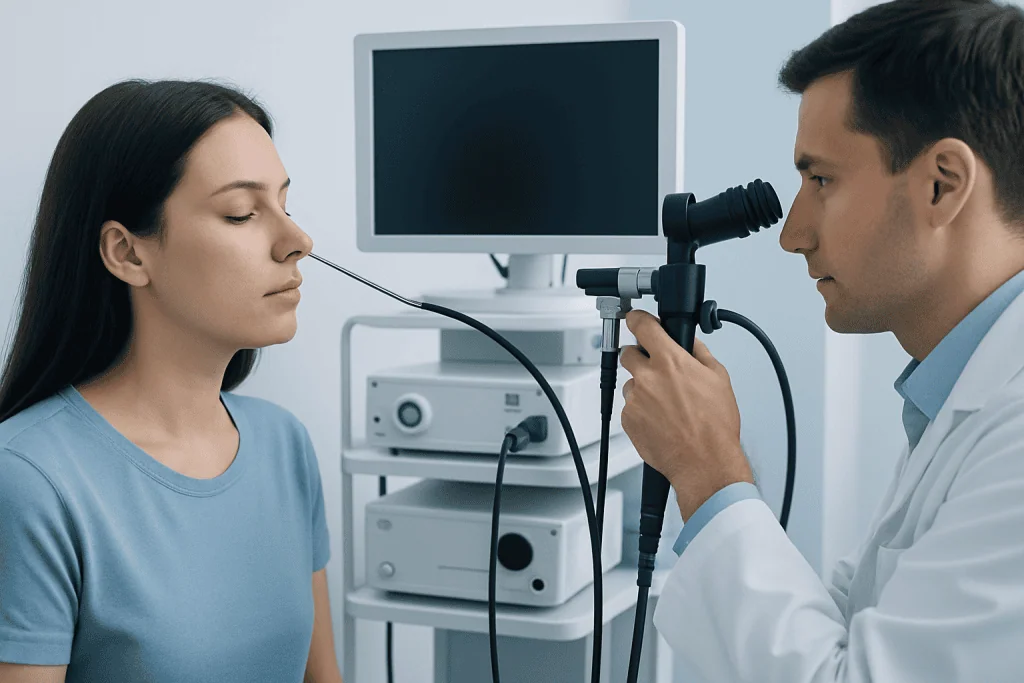
The physical examination also provides clues. During an exam, doctors look inside the nose for swelling, mucus, polyps, and the color of the nasal lining. Pale, swollen tissues can be seen in allergies, while thick secretions, ongoing inflammation, or polyps may support chronic sinusitis. If needed, an ear, nose, and throat specialist may perform nasal endoscopy to examine deeper areas of the nasal passages and sinus openings in more detail.
Tests are used when the diagnosis is uncertain or symptoms are persistent. Allergy evaluation may include skin prick testing or blood tests to identify specific triggers. If chronic sinusitis is suspected, imaging such as a sinus CT scan can show blocked sinus passages, thickened sinus lining, or other structural issues. Doctors generally do not rely on symptoms alone when the problem is severe, recurrent, or not improving.
These steps also help rule out other causes of nasal symptoms, such as nonallergic rhinitis, migraine, dental problems, reflux, or less commonly a growth in the nasal cavity. In some patients, evaluation may also consider related conditions such as nasal polyps, which can contribute to congestion and reduced smell.
Diagnosis: What to Expect at an Appointment
At a typical appointment, the doctor will review symptom duration, past infections, environmental exposures, and any personal or family history of allergy or asthma. Patients may be asked about previous medications, including nasal sprays, antihistamines, antibiotics, or saline rinses, and whether any of these helped. This treatment history can reveal patterns that support one diagnosis over another.
A nasal examination usually follows. In primary care, this may be a basic look into the nose with a lighted instrument. In specialist care, more detailed evaluation may include endoscopy, which can show inflammation, drainage, or polyps that are not visible on a simple exam. If the picture suggests long-term sinus disease or surgery is being considered, a CT scan may be recommended to define the anatomy and extent of inflammation.
Allergy testing is especially helpful when symptoms are seasonal, linked to indoor exposures, or accompanied by itching and sneezing. Identifying triggers can guide practical changes at home and support treatment choices. Often, the final diagnosis is not based on a single test but on a combination of history, examination, and response to treatment.
Treatment Options for Each Condition
Treatment depends on the underlying cause and on whether both conditions are present. For chronic sinusitis, doctors often recommend saline nasal irrigation and an intranasal corticosteroid spray to reduce inflammation and improve drainage. If there are nasal polyps, more advanced inflammation, or repeated flares, treatment may be adjusted by an ENT specialist. In selected cases, procedures such as balloon sinuplasty or endoscopic sinus surgery may be considered to restore sinus ventilation and drainage.
For allergies, management usually focuses on reducing exposure to triggers and controlling the allergic response. Common options include saline rinses, antihistamines, and nasal corticosteroid sprays. Some people may benefit from additional medicines or from allergy testing to clarify the main triggers and shape a long-term plan. Allergy immunotherapy may be appropriate for selected patients after specialist assessment.
Antibiotics are not useful for every case of sinus symptoms and are not a standard treatment for simple allergies. Doctors prescribe them only when there is evidence that a bacterial infection is likely. Because repeated or unnecessary antibiotic use can have downsides, accurate diagnosis is important before starting treatment.
When symptoms are complex or long-standing, multidisciplinary care may help. Near the end of the care pathway, some international patients choose centers such as Acibadem International, where multidisciplinary specialists in JCI-accredited hospitals evaluate and treat sinus and allergy-related conditions.
Prevention and Self-care
Self-care can improve comfort and help reduce flare-ups, whether symptoms come from allergies, chronic sinusitis, or both. Saline nasal rinses can help clear mucus and irritants from the nasal passages. Staying well hydrated, avoiding cigarette smoke, and managing indoor air quality may also support nasal health. If allergies are suspected, reducing exposure to known triggers can make a meaningful difference.
Practical steps depend on the trigger. During pollen season, keeping windows closed and showering after outdoor activity may help. For dust mites, washing bedding regularly and using allergen-reducing covers may be useful. For mold, moisture control and proper ventilation are important. Pet-related symptoms may improve with cleaning measures and limiting exposure in sleeping areas.
For chronic sinus symptoms, consistent use of recommended nasal sprays matters because these treatments often work gradually rather than immediately. It is best to use medicines exactly as directed and to ask a doctor to review spray technique if symptoms are not improving. People should avoid starting repeated courses of over-the-counter remedies without medical guidance if congestion keeps returning.
When to See a Doctor
A medical review is a good idea when nasal symptoms last for many weeks, keep returning, or interfere with sleep, work, or daily life. Medical assessment is especially helpful when there is facial pain or pressure, a noticeably reduced sense of smell, thick drainage, or symptoms that do not improve with basic allergy measures. These features can suggest chronic sinusitis or another problem that needs a closer look.
People should also seek care if they have asthma symptoms that worsen along with nasal symptoms, if they suspect a specific allergy trigger, or if they are considering long-term treatment. Children and older adults may need earlier assessment because symptoms can affect sleep, concentration, and quality of life in different ways.
Urgent medical attention is important for severe swelling around the eyes, vision changes, intense headache, high fever, confusion, or significant facial redness. These signs are uncommon, but they need prompt evaluation. For most people, however, persistent sinus or allergy symptoms can be assessed calmly and effectively through a routine doctor’s visit.
Frequently asked questions
Can allergies cause sinusitis?
Yes. Allergies can inflame the nasal lining and contribute to blockage of the sinus openings, which may increase the chance of ongoing sinus problems. Not everyone with allergies develops chronic sinusitis, but the two conditions often occur together.
How long do symptoms need to last before doctors think of chronic sinusitis?
Chronic sinusitis is generally considered when symptoms continue for 12 weeks or longer. Doctors also look for features such as nasal blockage, drainage, facial pressure, and reduced sense of smell. Duration alone is not enough, so the pattern and examination findings also matter.
What symptom is more likely to suggest allergies than sinusitis?
Itching is one of the strongest clues for allergies, especially when it affects the nose, eyes, or throat. Frequent sneezing and watery eyes also point more toward allergic rhinitis than chronic sinusitis. Sinusitis is more often linked to facial pressure and thick drainage.
Do all sinus symptoms need antibiotics?
No. Many sinus-related symptoms are caused by inflammation rather than a bacterial infection. Doctors usually decide about antibiotics based on the full clinical picture, including duration, severity, and examination findings.
Will a CT scan always be needed?
No. Many patients can be assessed with a history, nasal examination, and allergy evaluation if needed. A CT scan is usually reserved for persistent symptoms, uncertain cases, suspected structural problems, or planning for specialist treatment.
Can someone have both allergies and chronic sinusitis at the same time?
Yes, and this is common. Allergies can worsen swelling inside the nose, while chronic sinusitis can continue because of other factors such as polyps or anatomy. When both are present, treatment often addresses each condition together.
This article is for general information only and is not a substitute for professional medical advice. Please consult a qualified doctor about your individual situation.
Sinusitis in Turkey — costs, top hospitals & a free quote
JCI-accredited · board-certified surgeons · reply within 24h
Add us as a Preferred Source to see more of our trusted health content across Google Search, AI Overviews and Discover.

Otorhinolaryngology (ENT)
Care for ear, nose, throat and head-and-neck conditions, including hearing and balance disorders.
126 specialists in this unitOtorhinolaryngology Specialists at Acibadem





More from the Health Library

What Is ITP? Symptoms, Causes, and How It Is Diagnosed

Achalasia: Trouble Swallowing, Esophageal Testing, and Treatment Choices

Glaucoma Without Symptoms: Who Should Get Eye Pressure and Nerve Testing?

Cushing Syndrome: Weight Gain, High Cortisol, and How Doctors Confirm the Cause

Brain Aneurysm: Warning Signs, Rupture Risk, and How It Is Diagnosed