Glaucoma Without Symptoms: Who Should Get Eye Pressure and Nerve Testing?
Glaucoma often causes no early symptoms, which is why routine eye exams matter. Eye pressure alone does not diagnose glaucoma; optic nerve and visual field testing are also important.
Key Takeaways
- Glaucoma often causes no early symptoms, which is why routine eye exams matter.
- Eye pressure alone does not diagnose glaucoma; optic nerve and visual field testing are also important.
- Risk is higher with age, family history, diabetes, high myopia, and long-term steroid use.
- Early diagnosis and treatment can slow or prevent further vision loss.
- Anyone with risk factors should ask an eye specialist how often they need glaucoma testing.
Glaucoma can develop quietly, often without pain or noticeable vision changes in its early stages. Regular eye pressure and optic nerve testing helps detect damage early, especially in people with higher risk.
Overview: Why Glaucoma Can Be Missed
Glaucoma is a group of eye diseases that damage the optic nerve, the structure that carries visual information from the eye to the brain. In many cases, this damage develops slowly and painlessly. Because central vision may stay normal for a long time, a person may not realize there is a problem until permanent vision loss has already occurred.
This is why glaucoma is often described as a “silent” eye condition. The most common form, open-angle glaucoma, usually progresses gradually. It may not cause redness, discomfort, or obvious blurring in the early stages. Instead, it often affects side vision first, which can be difficult to notice in daily life.
Regular testing is important because vision already lost from glaucoma usually cannot be restored. However, early detection can help protect the remaining vision. An eye doctor may identify suspicious changes through a combination of eye pressure measurement, optic nerve examination, visual field testing, and imaging of the nerve fiber layer.
What Symptoms Can Occur — and Why They May Appear Late
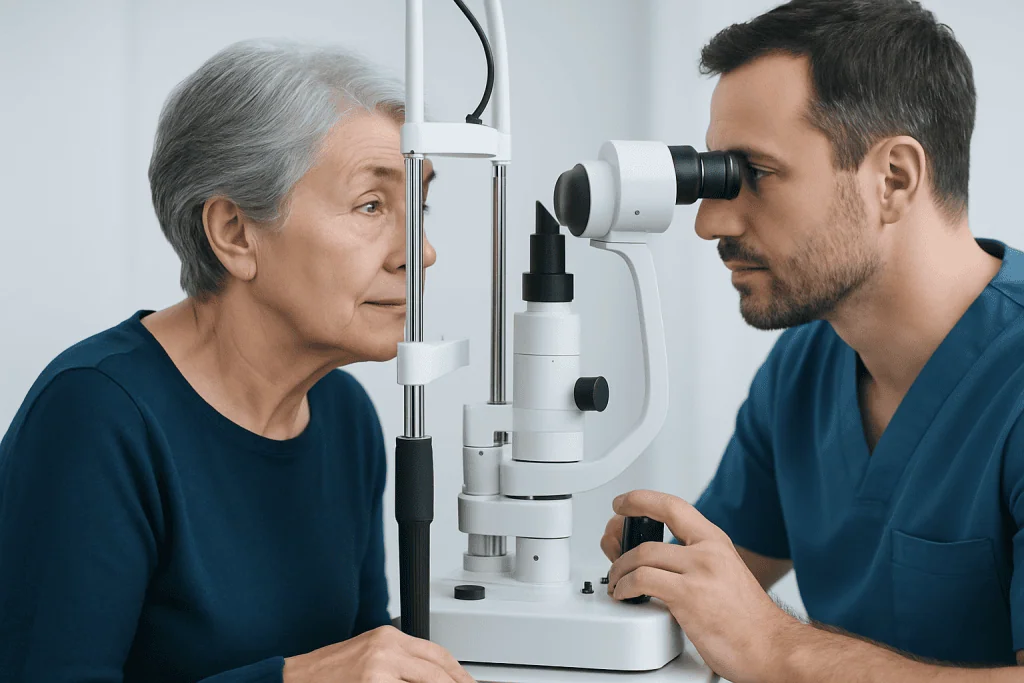
Many people with glaucoma without symptoms feel that their eyes are healthy. In early open-angle glaucoma, there may be no pain and no clear drop in reading vision. A person can still drive, read, and work while subtle peripheral vision loss develops slowly over time.
When symptoms do appear, they may include patchy loss of side vision, difficulty seeing in low light, or trouble noticing objects off to the side. In later stages, narrowing of the visual field can create a “tunnel vision” effect. These changes can interfere with mobility and daily activities, but they often develop gradually enough to be overlooked.
A different and less common form, angle-closure glaucoma, may cause sudden symptoms such as severe eye pain, blurred vision, headache, nausea, halos around lights, and redness. This is a medical emergency and is not the same as the silent pattern seen in most open-angle glaucoma cases. Knowing the difference is helpful, but both forms need professional evaluation.
Who Should Get Eye Pressure and Optic Nerve Testing?
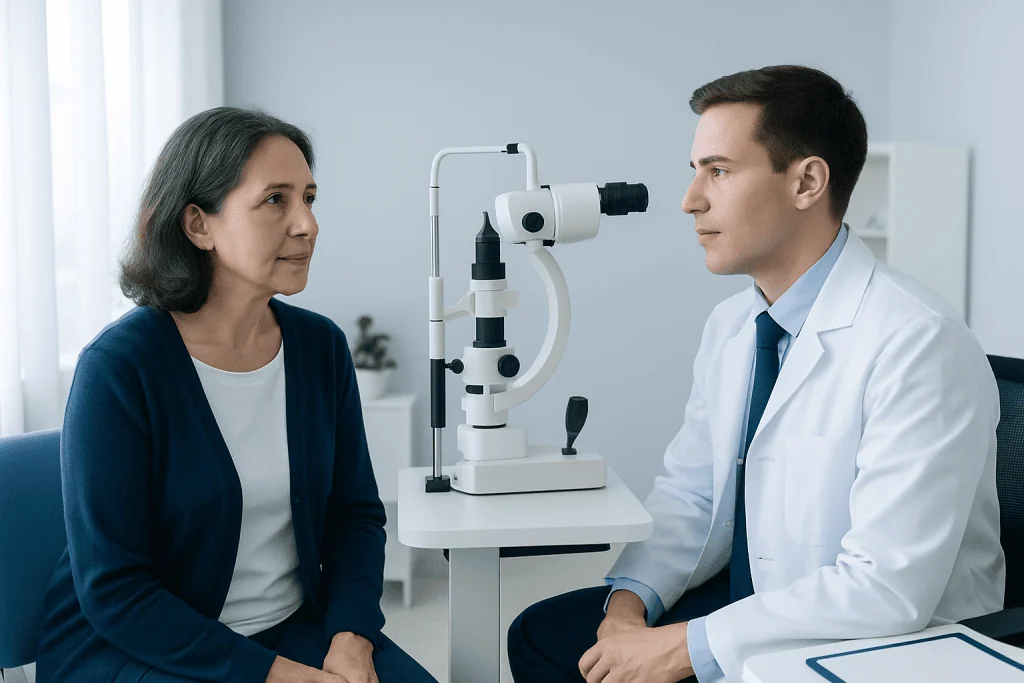
All adults benefit from comprehensive eye examinations at intervals recommended by an eye specialist, but some people should be especially careful about glaucoma testing. Risk increases with age, particularly after midlife, because the optic nerve can become more vulnerable over time. People with a parent, sibling, or child with glaucoma also have a higher chance of developing it themselves.
Other groups at increased risk include people with diabetes, high blood pressure, very high or very low eye pressure, high myopia, previous eye injury, thin corneas, or long-term use of corticosteroid medicines. Some ethnic backgrounds are also associated with higher glaucoma risk. A doctor will consider the whole clinical picture rather than any single factor alone.
Testing is also important for anyone who has been told they have elevated eye pressure or a suspicious-looking optic nerve, even if they see well and have no symptoms. People being monitored for related eye conditions may also need closer follow-up, especially if there is concern about retinal diseases or other causes of optic nerve or visual field changes. The exact schedule for exams depends on age, risk factors, and prior findings.
For many patients, the key question is not only whether pressure is high, but whether the optic nerve is showing damage. Some people develop glaucoma with pressures in the statistically normal range, while others have elevated pressure for years without clear nerve injury. That is why comprehensive testing matters more than relying on one number alone.
Causes and Risk Factors
Glaucoma develops when the optic nerve becomes damaged, often in relation to the pressure inside the eye, called intraocular pressure. The eye constantly makes and drains fluid. If this drainage system does not work efficiently, pressure may build up and place stress on the optic nerve. Over time, this can lead to gradual loss of nerve fibers.
Still, glaucoma is more complex than pressure alone. Blood flow, the structure of the optic nerve, corneal thickness, and individual sensitivity to pressure may all play a role. This helps explain why one person with mildly elevated pressure may develop glaucoma, while another does not, and why some people with normal pressure can still have glaucomatous damage.
Important risk factors include older age, family history, African, Asian, or Hispanic ancestry in certain glaucoma types, diabetes, severe nearsightedness, sleep apnea, long-term steroid use, and past eye trauma or surgery. Certain anatomical features can also increase the risk of narrow or closed drainage angles. Understanding these factors helps guide when testing should begin and how closely a person should be monitored.
How Glaucoma Is Diagnosed
A glaucoma evaluation usually begins with a full eye examination. Eye pressure is measured using tonometry, but this is only one part of the assessment. The doctor also examines the optic nerve through the dilated pupil and looks for changes such as thinning, cupping, or asymmetry between the two eyes.
Additional tests often include visual field testing to check for blind spots and imaging tests such as optical coherence tomography to measure the thickness of the nerve fiber layer. Corneal thickness may also be measured, because it can affect pressure readings and risk interpretation. In some patients, gonioscopy is performed to examine the drainage angle and determine whether the glaucoma is open-angle or angle-closure related.
Diagnosis is based on the overall pattern of findings rather than one isolated result. Some people are labeled as glaucoma suspects, meaning their pressure, optic nerve appearance, or test results are concerning but not yet clearly diagnostic. These patients often need repeat examinations over time so the doctor can tell whether the changes are stable or progressing.
If there is concern for broader structural or neurological causes of vision changes, a doctor may recommend advanced evaluation, including MRI in selected cases. For eye-specific assessment, patients may also undergo a detailed eye examination and specialized optical coherence tomography to support diagnosis and follow-up.
Treatment Options and Long-Term Monitoring
The main goal of glaucoma treatment is to lower the risk of further optic nerve damage and preserve vision. The most common first treatment is medicated eye drops that reduce eye pressure by decreasing fluid production or improving fluid drainage. Some patients may need more than one medicine, and long-term adherence is important because glaucoma treatment often continues for years.
Laser procedures may be recommended when drops are not enough, are difficult to use, or are not well tolerated. In open-angle glaucoma, laser trabeculoplasty can help fluid drain more effectively. In angle-related disease, laser treatment may be used to create an alternative pathway for fluid movement. Surgery may be considered if medications and laser treatment do not control the condition adequately.
Even when treatment is effective, follow-up remains essential. A person may feel no different after starting therapy, but regular testing allows the doctor to check whether the target pressure is being reached and whether the optic nerve remains stable. Treatment plans can be adjusted if testing shows progression.
Patients may also benefit from care tailored to related eye conditions. Depending on the individual situation, an ophthalmologist may evaluate whether procedures such as glaucoma surgery or, in selected patients with coexisting lens issues, lens surgery are part of a broader management plan. Decisions are individualized and based on the type and stage of disease.
Prevention, Self-Care, and Protecting Vision
There is no guaranteed way to prevent all glaucoma, but early detection is one of the best ways to protect vision. Keeping scheduled eye exams is especially important for people with known risk factors. A person who has a strong family history should share that information with both their eye doctor and close relatives, since it may influence when testing starts.
Self-care also includes using prescribed eye drops exactly as directed and not stopping them simply because the eyes feel normal. Missed treatment can allow silent damage to continue. Patients should tell their doctor about side effects, since alternative medicines or procedures may help if a treatment is difficult to continue.
General health habits may support overall eye health. Managing diabetes and blood pressure, avoiding eye injuries, and reviewing steroid medicines with a clinician are sensible steps. People should also be cautious about relying on supplements, exercises, or internet advice as substitutes for proven medical care.
Near the end of the care journey, some patients seek a center that can coordinate diagnostics, medical therapy, laser treatment, and surgery if needed. Acibadem International’s multidisciplinary eye specialists and JCI-accredited hospitals provide diagnosis and treatment for international patients with glaucoma and related eye conditions.
When to See a Doctor
Anyone who has never had a comprehensive eye exam and is getting older, has a family history of glaucoma, or has other risk factors should arrange an appointment with an eye specialist. This is true even when vision seems normal. A routine exam can identify elevated pressure, optic nerve changes, or early field loss before the person notices symptoms.
People already told they have high eye pressure, suspicious optic nerves, or a glaucoma diagnosis should keep regular follow-up visits. It is also important to seek review sooner if prescribed drops are causing troublesome side effects, if vision seems to be changing, or if there is uncertainty about how to use the treatment correctly.
Urgent medical attention is needed for sudden severe eye pain, rapid vision loss, halos around lights, headache with nausea, or marked eye redness. These symptoms can suggest acute angle-closure glaucoma or another urgent eye condition. Prompt treatment can help protect vision and relieve symptoms safely.
Frequently asked questions
Can someone have glaucoma without any symptoms?
Yes. The most common type, open-angle glaucoma, often develops silently and may not cause pain or noticeable vision changes at first. That is why routine eye examinations are so important, especially for people with risk factors.
Is an eye pressure test enough to diagnose glaucoma?
No. Eye pressure is an important clue, but glaucoma diagnosis also depends on the optic nerve, visual field testing, and often imaging studies. Some people have glaucoma with normal pressure, while others have high pressure without nerve damage.
Who is most at risk for glaucoma?
Risk is higher with older age, a family history of glaucoma, diabetes, high myopia, long-term steroid use, and previous eye injury. Certain ethnic backgrounds may also carry increased risk for specific glaucoma types. An eye doctor can explain how these factors apply to an individual.
How often should glaucoma testing be done?
There is no single schedule that fits everyone. The right interval depends on age, family history, eye pressure, optic nerve appearance, and other medical factors. A qualified eye specialist can recommend how often testing should be repeated.
Can glaucoma-related vision loss be reversed?
In most cases, vision already lost from glaucoma cannot be restored. Treatment aims to slow or stop further damage and preserve the vision that remains. This makes early detection especially valuable.
What happens if someone is a glaucoma suspect?
A glaucoma suspect has findings that raise concern, such as elevated eye pressure or an optic nerve appearance that needs closer observation. This does not always mean definite glaucoma is present. Regular follow-up testing helps determine whether the condition is stable or progressing.
This article is for general information only and is not a substitute for professional medical advice. Please consult a qualified doctor about your individual situation.
Glaucoma in Turkey — costs, top hospitals & a free quote
JCI-accredited · board-certified surgeons · reply within 24h
Add us as a Preferred Source to see more of our trusted health content across Google Search, AI Overviews and Discover.
Check your numbers in seconds
BMI, calories, due date, blood pressure and 30+ more clinical calculators — free, instant, doctor-reviewed ranges.

Ophthalmology
Comprehensive eye care from laser vision correction to retina, cornea and cataract surgery.
75 specialists in this unitOphthalmology Specialists at Acibadem





More from the Health Library

Amyloidosis: Unexplained Fatigue, Organ Symptoms, and Getting the Right Diagnosis
Achalasia: Trouble Swallowing, Esophageal Testing, and Treatment Choices
Ankylosing Spondylitis: Back Stiffness, MRI Diagnosis, and Daily Management
Osteoarthritis: Joint Wear, Pain Relief, and Mobility Care

Idiopathic Pulmonary Fibrosis vs COPD: How Symptoms and Tests Differ