Chronic Venous Insufficiency: Leg Swelling, Skin Changes, and Self-Care

Chronic venous insufficiency commonly causes ankle or leg swelling, heaviness, aching, visible veins, and skin discoloration around the lower legs. The condition develops when vein valves do not close well, allowing blood to pool in the legs, especially after long periods of standing or sitting.
Key Takeaways
- Chronic venous insufficiency commonly causes ankle or leg swelling, heaviness, aching, visible veins, and skin discoloration around the lower legs.
- The condition develops when vein valves do not close well, allowing blood to pool in the legs, especially after long periods of standing or sitting.
- Duplex ultrasound is the main test used to assess vein function and guide treatment decisions.
- Compression stockings, walking, leg elevation, weight management, and skin care are central parts of everyday management.
- Medical procedures may be recommended when symptoms, varicose veins, skin damage, or ulcers persist despite conservative care.
- Sudden one-sided swelling, chest pain, shortness of breath, or a painful warm leg requires urgent medical assessment.
Chronic venous insufficiency is a long-term circulation problem in which leg veins have difficulty returning blood to the heart. With timely diagnosis, compression therapy, healthy daily habits, and appropriate medical treatment, many people can reduce swelling, protect the skin, and stay active.
Overview
Chronic venous insufficiency, often shortened to CVI, is a common long-term condition affecting the veins of the legs. Healthy leg veins contain one-way valves that help blood move upward toward the heart. In CVI, these valves become weak or damaged, so blood can flow backward and pool in the lower legs. This increased pressure in the veins may lead to swelling, aching, visible varicose veins, skin changes, and, in more advanced cases, venous leg ulcers.
CVI is not the same as a sudden blood clot, although a previous deep vein thrombosis can increase the risk of developing it. It usually develops gradually and may be more noticeable at the end of the day, after standing, or during warm weather. Many people describe a heavy, tired, or tight feeling in the legs rather than sharp pain.
The condition is manageable. Treatment aims to improve blood flow, reduce swelling, prevent skin damage, and support daily comfort. For many patients, a combination of compression therapy, regular movement, leg elevation, and skin care provides meaningful improvement. When symptoms are more severe or vein reflux is significant, minimally invasive vein treatments may be considered by a vascular specialist.
Symptoms and Skin Changes
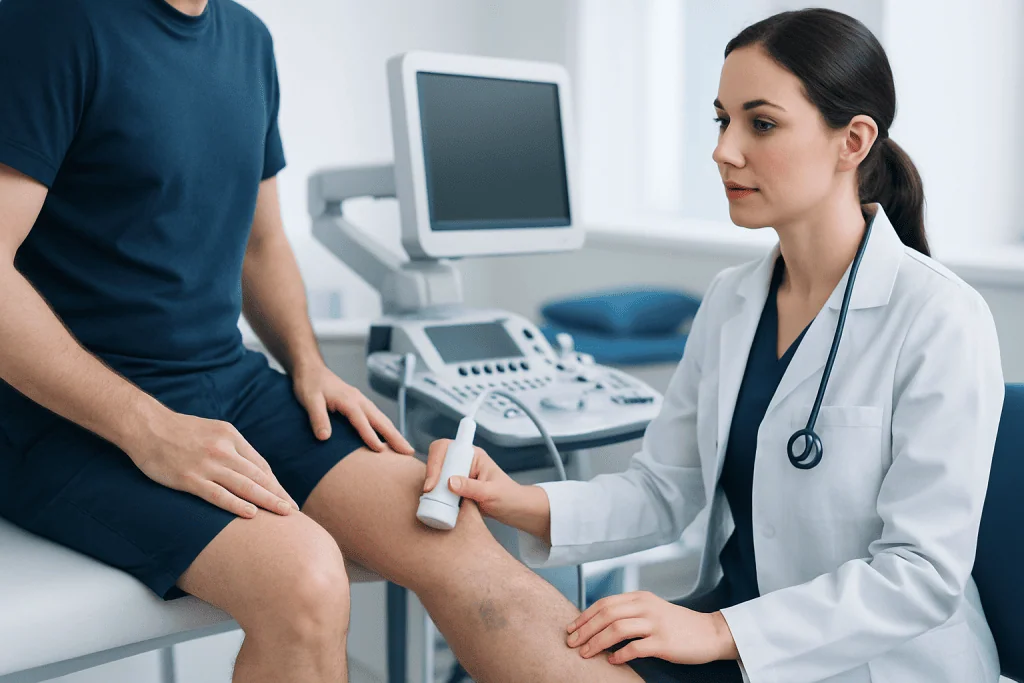
Symptoms of chronic venous insufficiency can range from mild discomfort to ongoing swelling and skin problems. Early signs may include tired, heavy, or aching legs, especially after standing or sitting for long periods. Swelling often appears around the ankles first and may improve overnight when the legs are elevated. Some people notice itching, burning, restlessness, or night cramps.
Visible vein changes are also common. These may include small spider veins, enlarged varicose veins, or bulging veins that become more prominent when standing. The skin of the lower legs may feel tight, dry, or sensitive. Over time, ongoing venous pressure can cause inflammation and changes in skin color, particularly around the ankles and lower calves.
Possible symptoms and signs include:
- Swelling of the feet, ankles, or lower legs
- Heaviness, aching, throbbing, or fatigue in the legs
- Varicose veins or clusters of visible surface veins
- Brownish discoloration, redness, or eczema-like irritation
- Thickened, hardened, or shiny skin near the ankles
- Slow-healing wounds, most often near the inner ankle
Venous ulcers are open sores that may occur when skin and tissues are affected by prolonged swelling and inflammation. They can be uncomfortable and prone to infection if not cared for properly. Early attention to skin changes, even before an ulcer forms, can help reduce complications and support healing.
Causes and Risk Factors
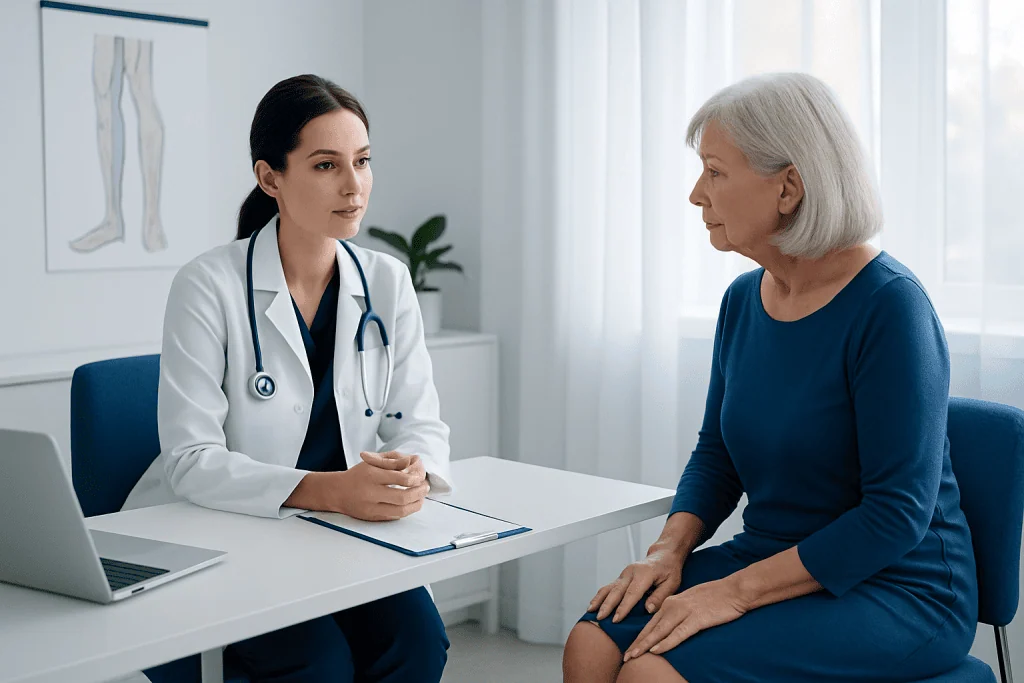
Chronic venous insufficiency is usually caused by increased pressure in the leg veins due to faulty valves or vein wall weakness. When valves do not close properly, blood flows backward in a process called venous reflux. This creates pressure in the lower legs and may stretch the veins further, worsening the cycle. Over time, this pressure can affect surrounding tissues and skin.
Several factors can increase the likelihood of CVI. Age is one factor, as vein valves and walls may become less efficient over time. A family history of varicose veins or venous disease can also play a role. Pregnancy can temporarily increase pressure in leg veins and may contribute to later vein problems in some people. Prior deep vein thrombosis or leg injury can damage vein valves and lead to post-thrombotic venous disease.
Other risk factors include prolonged standing or sitting, reduced physical activity, excess body weight, smoking, and a history of leg swelling. Occupations that require many hours standing, such as teaching, retail work, healthcare, and food service, may make symptoms more noticeable. Long periods of immobility, including long-distance travel, can also worsen swelling.
Having risk factors does not mean a person will definitely develop chronic venous insufficiency. However, understanding these factors can help patients and clinicians choose prevention and self-care strategies. Small daily changes, such as walking more often and avoiding long still periods, may reduce symptoms and support vein health.
Diagnosis
A doctor usually begins by asking about symptoms, daily routines, previous blood clots, pregnancies, surgeries, medications, and family history. A physical examination is often performed while the person is standing, because varicose veins and swelling may be easier to see in that position. The clinician checks the legs for swelling, skin color changes, tenderness, wounds, and pulses to assess circulation more broadly.
The main diagnostic test for chronic venous insufficiency is duplex ultrasound. This noninvasive test uses sound waves to view the leg veins and assess blood flow. It can show whether vein valves are leaking, whether veins are blocked, and whether there is evidence of a current or previous clot. Results help determine whether symptoms are due to superficial veins, deep veins, or both.
In some cases, additional tests may be needed. If the diagnosis is unclear, if symptoms are severe, or if there is concern about pelvic or abdominal vein obstruction, a specialist may recommend further imaging. If a wound is present, the care team may assess arterial circulation before prescribing strong compression, because compression must be used carefully when arterial blood flow is reduced.
Accurate diagnosis is important because leg swelling can have many causes, including heart, kidney, liver, lymphatic, medication-related, and orthopedic conditions. A careful evaluation helps ensure that treatment is appropriate and that other medical issues are not missed.
Treatment Options
Treatment for chronic venous insufficiency is tailored to the severity of symptoms, ultrasound findings, skin condition, and the person’s overall health. The foundation of treatment is often conservative care: compression therapy, activity, leg elevation, and skin protection. These measures can reduce swelling, improve comfort, and lower the risk of skin breakdown.
Compression stockings or bandages apply gentle pressure to the legs to help move blood upward and reduce fluid buildup. They come in different lengths and pressure levels, so they should be selected with guidance from a healthcare professional. Proper fit is essential. Stockings that are too loose may not help, while stockings that are too tight or used in the wrong setting may cause discomfort or skin problems. People with diabetes, nerve problems, or reduced arterial circulation should seek medical advice before using compression.
When varicose veins or refluxing superficial veins contribute to symptoms, a vascular specialist may discuss procedures. Options can include endovenous thermal ablation, non-thermal vein closure techniques, sclerotherapy, or small vein removal procedures. These treatments are generally designed to close or remove veins that are not functioning well, allowing blood to reroute through healthier veins. The choice depends on anatomy, ultrasound results, symptoms, and patient preferences.
Venous ulcers require structured wound care. This may include appropriate dressings, compression under supervision, infection assessment, and treatment of underlying vein reflux when suitable. Healing can take time, and follow-up is important. Patients should avoid applying unverified creams, strong antiseptics, or home remedies to open wounds unless advised by a clinician, as these may irritate the skin or delay healing.
Prevention and Self-Care
Daily habits can make a significant difference in chronic venous insufficiency. Regular walking is one of the simplest and most effective self-care strategies because calf muscles act like a pump, helping move blood back toward the heart. Short walking breaks throughout the day are helpful, especially for people who sit or stand for long periods. Ankle circles, calf raises, and flexing the feet can also activate the calf pump when walking is not possible.
Leg elevation can reduce swelling. When resting, the legs may be raised above the level of the heart for short periods if comfortable and medically appropriate. Avoiding long, uninterrupted standing or sitting is also important. During travel or desk work, changing position, walking briefly, and moving the ankles can reduce pooling in the legs.
Skin care is a key part of prevention. The skin on swollen lower legs can become dry, itchy, and fragile. Gentle cleansing, regular moisturizing, and avoiding scratching may help protect the skin barrier. Shoes should fit well and protect the feet and ankles from minor injuries. People with reduced sensation, diabetes, or previous ulcers should inspect their feet and lower legs regularly and report new wounds early.
Other supportive measures include maintaining a healthy weight, staying physically active, limiting smoking exposure, and following medical advice for other conditions such as high blood pressure, diabetes, or heart disease. Self-care does not replace medical treatment, but it is an important part of long-term control and can help prevent progression.
When to See a Doctor
A medical appointment is recommended when leg swelling is persistent, worsening, one-sided, or associated with skin discoloration, varicose veins, itching, pain, or wounds. Early evaluation is especially important if swelling does not improve with rest and elevation, if the skin around the ankle becomes brown or inflamed, or if a sore is slow to heal. A doctor can identify the cause and recommend safe, targeted treatment.
Urgent medical care is needed for symptoms that may suggest a blood clot or another serious condition. These include sudden swelling in one leg, new calf pain or tenderness, warmth and redness of the leg, chest pain, shortness of breath, coughing blood, fainting, or sudden severe symptoms. These signs should not be managed with home care alone.
Patients already diagnosed with chronic venous insufficiency should seek follow-up if symptoms change, compression becomes painful, skin breaks down, or an ulcer shows increased redness, drainage, odor, swelling, fever, or worsening pain. Regular review can help adjust treatment and prevent complications.
For international patients seeking evaluation, Acibadem International’s multidisciplinary specialists and JCI-accredited hospitals can diagnose and treat venous conditions, including chronic venous insufficiency, within an individualized care plan. As with any health concern, patients should consult a qualified doctor for diagnosis and treatment decisions.
Frequently asked questions
Is chronic venous insufficiency the same as varicose veins?
They are related but not identical. Varicose veins are enlarged surface veins, while chronic venous insufficiency describes a circulation problem in which leg veins do not return blood efficiently. Many people with CVI have varicose veins, but CVI can also involve deeper vein problems.
Can chronic venous insufficiency be cured?
CVI is usually a long-term condition, but symptoms can often be controlled well. Compression, exercise, weight management, and skin care can reduce swelling and discomfort. Procedures may improve refluxing veins in selected patients, but ongoing self-care and follow-up may still be needed.
Do compression stockings really help leg swelling?
Compression stockings can help many people by supporting the veins and reducing fluid buildup in the lower legs. The correct size and pressure level are important for comfort and effectiveness. A healthcare professional should guide use, especially for people with diabetes, nerve problems, foot wounds, or arterial circulation concerns.
What happens if venous skin changes are ignored?
Untreated swelling and inflammation may make the skin more fragile over time. This can lead to dryness, itching, discoloration, thickening, and sometimes venous ulcers. Early care can help protect the skin and reduce the chance of wounds developing.
Is walking safe with chronic venous insufficiency?
Walking is usually encouraged because calf muscle activity helps push blood back toward the heart. Most people benefit from regular, comfortable walking and movement breaks. Anyone with severe pain, a new wound, or another medical condition should ask a doctor what level of activity is safe.
When is leg swelling an emergency?
Sudden one-sided swelling, calf pain, warmth, redness, chest pain, shortness of breath, fainting, or coughing blood requires urgent medical evaluation. These symptoms may be related to a blood clot or another serious problem. It is safest not to wait or rely on home treatment in these situations.
References
- Society for Vascular Surgery
- American Venous Forum
- National Institute for Health and Care Excellence
- European Society for Vascular Surgery
- Mayo Clinic
This article is for general information only and is not a substitute for professional medical advice. Please consult a qualified doctor about your individual situation.
Persistent digestive symptoms? Get evaluated in Turkey
JCI-accredited · board-certified surgeons · reply within 24h
Add us as a Preferred Source to see more of our trusted health content across Google Search, AI Overviews and Discover.

More from the Health Library



Related Specialists

Fzt. Yaren Yıldız
Physical Medicine & Rehabilitation
Dr. Alper Gölpınar
Orthopedic Surgery & Traumatology
Erkan Akpınar
Physical Medicine & Rehabilitation
Ceyhun Cesur
Aesthetic Plastic & Reconstructive Surgery