Claw Hand: A Complete Medical Overview

Claw hand describes a finger posture caused by weakness or imbalance in the hand muscles. Common causes include nerve injury, pressure on the ulnar nerve, and certain neurological or muscle disorders.
Key Takeaways
- Claw hand describes a finger posture caused by weakness or imbalance in the hand muscles.
- Common causes include nerve injury, pressure on the ulnar nerve, and certain neurological or muscle disorders.
- Symptoms may include finger curling, weakness, numbness, reduced grip, and difficulty with fine hand movements.
- Diagnosis usually involves a physical exam, nerve testing, and sometimes imaging or blood tests.
- Treatment may include splints, hand therapy, medicines, or surgery, depending on the cause and severity.
Claw hand is a condition in which one or more fingers bend into a claw-like position because of problems affecting the nerves, muscles, or joints of the hand. It is a sign rather than a diagnosis itself, and the best treatment depends on identifying the underlying cause as early as possible.
What claw hand means
Claw hand is a visible hand deformity in which the fingers, especially the ring and little fingers, bend into a claw-like shape. This usually happens because the small muscles inside the hand are no longer balancing finger movement normally. As a result, the knuckle joints may extend backward while the middle and end joints bend downward.
It is important to understand that claw hand is not a disease on its own. Instead, it is a physical sign that may develop when nerves, muscles, tendons, or joints are affected. In many cases, the problem is linked to damage or pressure involving the ulnar nerve, although other nerves and medical conditions can also be involved.
The condition may appear gradually or after an injury. Some people notice only a change in finger position, while others also develop weakness, numbness, hand fatigue, or trouble holding objects. Because several different health problems can lead to claw hand, an accurate medical assessment is the key first step.
How claw hand affects the fingers and daily function
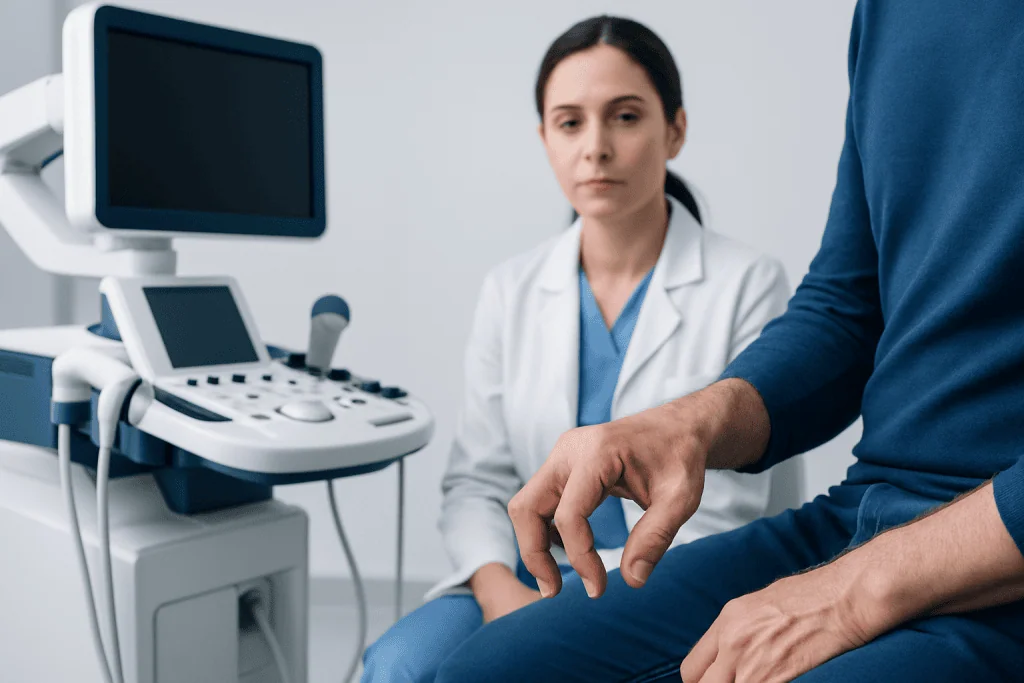
The classic claw posture happens when muscle balance in the hand is disrupted. The muscles that normally help bend and straighten the fingers in a coordinated way become weak, while other muscles continue pulling. This creates the typical pattern of bent finger joints and altered hand posture.
Claw hand may affect one hand or both hands, and it can involve a single finger, several fingers, or the whole hand depending on the cause. Ulnar claw often affects the ring and little fingers most clearly. In more extensive nerve injuries, more fingers may become involved, and hand function may decline further.
Daily activities can become more difficult. Tasks such as buttoning clothes, typing, writing, opening jars, gripping utensils, or carrying shopping bags may feel awkward or weak. Some people also develop muscle wasting in the hand over time, especially if the underlying nerve problem is not treated.
- Difficulty straightening the fingers fully
- Weak grip or pinch strength
- Trouble spreading the fingers apart
- Hand fatigue during repetitive tasks
- Reduced coordination for fine motor activities
Symptoms and possible warning signs
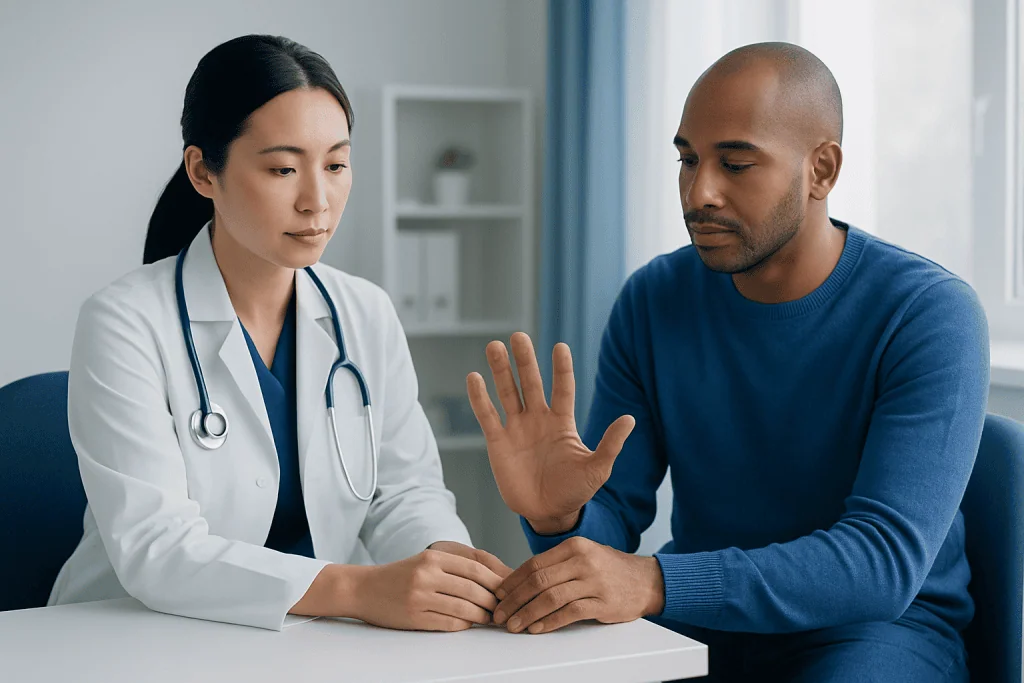
The most noticeable symptom of claw hand is the abnormal finger position. However, the condition often causes more than a cosmetic change. People may also feel weakness, stiffness, altered sensation, or reduced control of hand movements. Symptoms can vary according to which nerve or structure is affected.
If the ulnar nerve is involved, symptoms commonly include numbness or tingling in the little finger and part of the ring finger. Weakness may be more noticeable when gripping objects, pinching between the thumb and fingers, or spreading the fingers. In long-standing cases, the small muscles of the hand may become visibly thinner.
Sometimes claw hand appears after trauma, such as a cut, fracture, elbow injury, or prolonged pressure on the nerve. In other situations, it develops more slowly due to chronic nerve compression, diabetes-related nerve damage, inflammatory disease, or rare neuromuscular disorders. Because early treatment may improve recovery, new or progressive symptoms should not be ignored.
- Curled fingers at rest
- Numbness or tingling in the hand
- Weakness in grip or pinch
- Muscle wasting in the palm or between the fingers
- Hand pain, especially if there is nerve irritation or injury
Causes and risk factors
Claw hand most often develops when the nerves that control the hand muscles are damaged or compressed. The ulnar nerve is a frequent source of the problem because it supplies many of the small intrinsic muscles of the hand. Compression can occur at the elbow or wrist, and direct injury can happen after fractures, cuts, or dislocations. A related condition such as ulnar nerve entrapment may lead to progressive symptoms if not treated.
Other neurological causes are also possible. Damage to the lower brachial plexus, problems affecting the spinal cord, peripheral neuropathy, and certain inherited nerve disorders can all create a clawing pattern. In some cases, claw hand is seen in systemic illnesses that affect nerves or muscles, including diabetes, leprosy in endemic regions, autoimmune disease, or motor neuron conditions.
Not every clawed finger posture is caused by the same mechanism. Tendon injuries, joint contractures, burns with scar tightening, and longstanding inflammatory arthritis may produce a similar appearance. Doctors therefore look at the whole clinical picture rather than the shape of the fingers alone.
- Nerve compression at the elbow or wrist
- Hand, wrist, or elbow trauma
- Peripheral neuropathy, including diabetes-related nerve damage
- Neuromuscular or inherited nerve disorders
- Joint stiffness, scar tissue, or tendon injury
How doctors diagnose claw hand
Diagnosis begins with a careful history and physical examination. A doctor will ask when the hand changes started, whether symptoms appeared after an injury, and whether there is numbness, pain, weakness, or neck and elbow symptoms. The pattern of muscle weakness and sensory loss often helps identify which nerve is involved.
During the examination, the doctor may assess finger movement, grip, pinch strength, reflexes, sensation, and signs of muscle wasting. Certain bedside tests can help suggest ulnar nerve dysfunction or other nerve problems. The position of the fingers at rest and during movement can also provide clues about severity.
Further testing may be recommended to confirm the cause. Nerve conduction studies and electromyography can evaluate how well the nerves and muscles are working. Imaging such as X-ray, ultrasound, or MRI may be used if there is concern about fracture, joint disease, a mass, or nerve compression. Blood tests may be appropriate when a metabolic, inflammatory, or infectious cause is suspected.
Treatment options and recovery
Treatment for claw hand focuses on the underlying cause, how long symptoms have been present, and how much function has been lost. In early or mild cases, treating nerve compression, using a splint, and starting hand therapy may improve finger position and function. Occupational or physical therapy can help maintain joint mobility, strengthen available muscles, and teach safer ways to use the hand.
If there is significant nerve compression, progressive weakness, or a structural injury, surgery may be considered. Depending on the problem, this may involve ulnar nerve decompression surgery, repair of a damaged nerve, tendon balancing, or reconstruction to improve hand function. Some patients with severe or longstanding deformity may be evaluated by teams experienced in hand surgery and rehabilitation.
Recovery can vary considerably. Nerves heal slowly, and improvement may take months even after the source of compression or injury has been addressed. When the underlying cause is a broader neurological condition, treatment may focus on preserving function, reducing discomfort, and preventing contractures rather than fully reversing the deformity.
In complex cases, coordinated care may involve neurology, orthopedics, plastic or hand surgery, rehabilitation specialists, and imaging services. For international patients, Acibadem International offers multidisciplinary assessment and treatment in JCI-accredited hospitals when claw hand is related to nerve, muscle, or structural hand disorders.
Self-care, rehabilitation, and prevention
Self-care does not replace medical treatment, but it can support recovery and help protect hand function. A doctor or therapist may suggest hand exercises, stretching, splints, and activity modification. Following these recommendations consistently can reduce stiffness and support better use of the hand in everyday life.
Protecting the affected hand is also important. People with numbness should take extra care around heat, sharp objects, and repetitive pressure, because sensation may be reduced. If elbow pressure is contributing to the problem, avoiding prolonged leaning on the elbow and adjusting work or sleep positions may help.
Prevention depends on the cause. Not every case can be prevented, but reducing repetitive nerve pressure, seeking prompt treatment after hand or arm injuries, and managing conditions such as diabetes can lower risk. When hand weakness or tingling is treated early, progression to a fixed claw posture may sometimes be avoided.
- Use splints only as advised by a clinician
- Do prescribed hand therapy exercises regularly
- Avoid prolonged pressure on the elbow or wrist
- Protect numb fingers from burns and cuts
- Seek early evaluation for ongoing tingling or weakness
When to seek medical care
Medical evaluation is recommended if a person notices new finger curling, persistent numbness, hand weakness, or difficulty gripping objects. These symptoms may signal a nerve problem that benefits from early treatment. Prompt assessment is especially important if the symptoms are getting worse or affecting daily activities.
Urgent care is needed after a major injury, deep cut, sudden loss of hand movement, or rapidly developing numbness. Immediate assessment is also important if claw hand appears together with severe arm pain, widespread weakness, or signs of infection. In some cases, doctors may investigate related conditions affecting the nerves, such as peripheral neuropathy, to guide treatment.
Because the causes of claw hand are varied, self-diagnosis can be misleading. A qualified doctor can determine whether the problem is due to nerve compression, trauma, joint disease, or another medical condition, and then recommend the most appropriate next steps.
Frequently asked questions
Is claw hand permanent?
Claw hand is not always permanent. In some people, it improves when the underlying nerve compression or injury is treated early. If nerve damage is severe or longstanding, some weakness or deformity may remain.
What nerve usually causes claw hand?
The ulnar nerve is the nerve most commonly associated with claw hand, especially when the ring and little fingers are affected. However, other nerve injuries and broader neurological conditions can also produce a similar hand posture.
Can claw hand happen without pain?
Yes. Some people mainly notice finger curling, weakness, or numbness rather than pain. Others may have discomfort if there is active nerve irritation, injury, or joint stiffness.
How is claw hand different from trigger finger or Dupuytren's contracture?
Claw hand usually results from nerve or muscle imbalance that changes the posture of the fingers. Trigger finger is caused by a tendon problem that makes a finger catch or lock, while Dupuytren's contracture involves thickening of tissue in the palm that gradually bends the fingers.
Can therapy help claw hand?
Hand therapy can be very helpful, especially in early cases or after surgery. It may improve flexibility, support better hand use, and help prevent stiffness or worsening deformity. Therapy is usually most effective when combined with treatment of the underlying cause.
When is surgery needed for claw hand?
Surgery may be considered when there is significant nerve compression, structural injury, progressive weakness, or poor improvement with conservative care. The type of surgery depends on the cause and may target the nerve, tendons, or other hand structures.
References
- National Institute of Neurological Disorders and Stroke
- American Academy of Orthopaedic Surgeons
- American Society for Surgery of the Hand
- National Institute of Arthritis and Musculoskeletal and Skin Diseases
This article is for general information only and is not a substitute for professional medical advice. Please consult a qualified doctor about your individual situation.
Joint and spine care in Turkey — expert assessment & treatment
JCI-accredited · board-certified surgeons · reply within 24h
Add us as a Preferred Source to see more of our trusted health content across Google Search, AI Overviews and Discover.

More from the Health Library

Cardarine — Explained by Medical Evidence, Not Myths

Cappuccino and: An Evidence-Based Guide for Patients

Discharge After Sex: An Evidence-Based Guide for Patients
C Peptide: A Complete Medical Overview
Cerec Crown: What Patients Need to Know