Clear Liquid Diet for Colonoscopy: Preparation, Procedure and Results
Clear liquids are transparent fluids that leave little or no residue in the digestive tract. Most people begin a clear liquid diet the day before colonoscopy, but timing can vary with the appointment time and bowel-prep plan.
Key Takeaways
- Clear liquids are transparent fluids that leave little or no residue in the digestive tract.
- Most people begin a clear liquid diet the day before colonoscopy, but timing can vary with the appointment time and bowel-prep plan.
- Avoid red, purple and blue liquids when instructed, as these colours can resemble blood or stain the lining of the bowel.
- The bowel-prep medicine causes frequent, loose bowel movements; staying near a toilet is expected for several hours.
- A well-prepared bowel improves the chance that the examination can be completed accurately without needing to be repeated.
A clear liquid diet for colonoscopy is a short-term eating plan that helps remove stool from the bowel so the doctor can inspect the colon clearly. It is usually combined with prescribed bowel-cleansing medicine and must be followed exactly according to the individual instructions from the endoscopy team.
Overview: why a clear liquid diet matters before colonoscopy
A clear liquid diet for colonoscopy provides fluids that are easy to digest and leave minimal material in the colon. Together with bowel-cleansing medication, it helps the colon become empty enough for the doctor to examine its lining during colonoscopy. A clean bowel improves visibility and can help the clinician identify changes such as inflammation, bleeding sources or polyps.
Colonoscopy is a procedure in which a flexible camera is passed through the rectum to view the large bowel. It may be recommended for screening, investigation of digestive symptoms, follow-up after previous polyps, or monitoring of some bowel conditions. Preparation instructions vary, so the written plan from the endoscopy service always takes priority over general advice.
The diet is temporary and is not intended to provide complete nutrition. Most people use it for one day, although some may be asked to adjust their food intake earlier, especially if they have constipation, diabetes, a history of inadequate preparation or certain digestive conditions.
How the preparation and colonoscopy process works
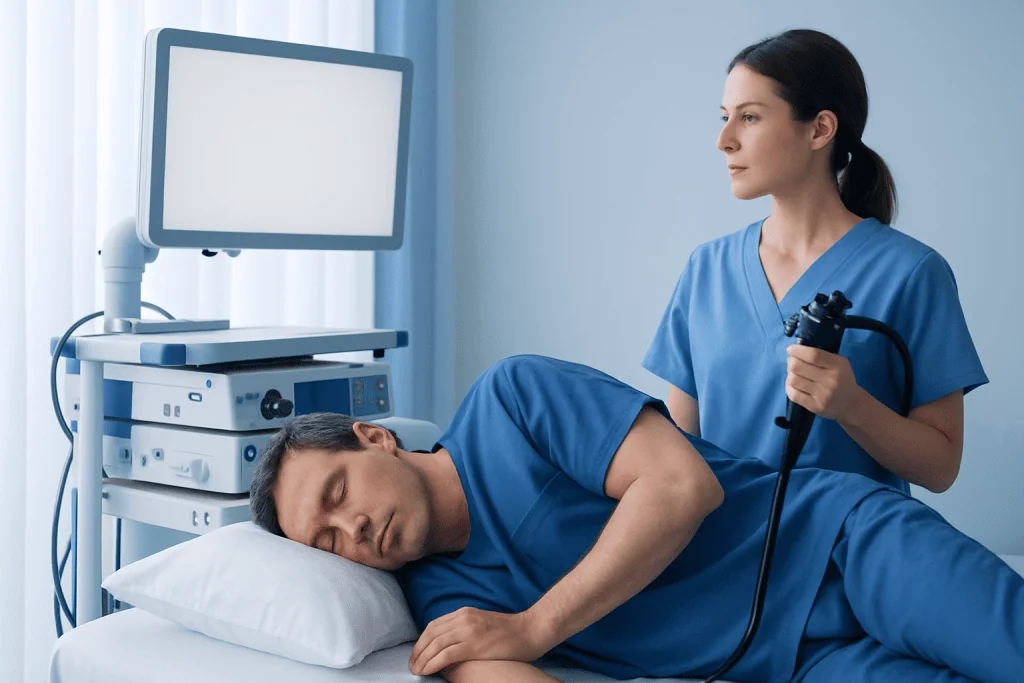
The preparation has two linked parts. First, food choices are adjusted to reduce residue in the bowel. Then a prescribed laxative solution is taken to draw water into the intestine and trigger bowel movements. Many services use a split-dose schedule, meaning part of the preparation is taken the evening before and the remainder on the day of the examination. This approach often provides a cleaner view of the colon.
As the preparation takes effect, stools become progressively looser and lighter in colour. By the end, bowel output is commonly watery and yellow or clear, with little or no solid material. This is generally a sign that the preparation is working, although patients should contact the endoscopy team if they cannot complete the preparation, keep fluids down, or still pass substantial solid stool near the planned procedure time.
At the appointment, the clinical team reviews medical history, medications, allergies and the quality of preparation. Sedation is often used, depending on the setting and patient needs. During the examination, the doctor may take small tissue samples or remove polyps if needed; these actions are usually painless because the colon lining does not sense cutting in the same way as the skin.
What all can you have on a liquid diet before a colonoscopy?
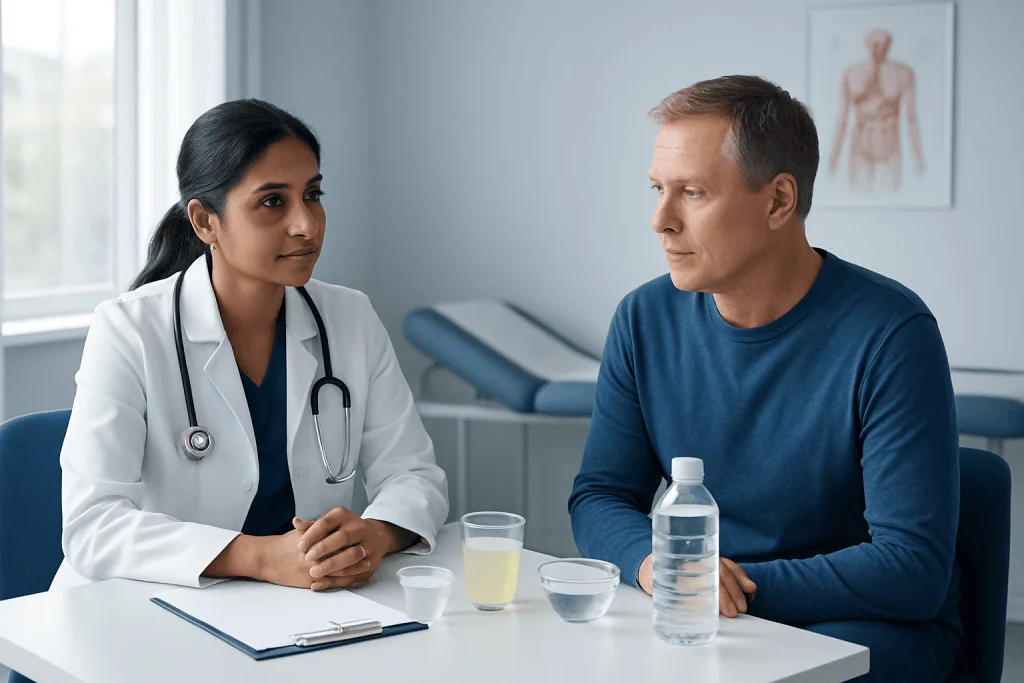
Clear liquids are fluids that can be seen through at room temperature. Commonly permitted options include water, clear broth or bouillon, strained apple or white grape juice, clear sports drinks, tea or coffee without milk or creamer, and clear carbonated drinks. Plain gelatin and ice lollies may also be allowed if they do not contain pieces of fruit, dairy or prohibited colouring.
Many endoscopy services advise avoiding red, purple and sometimes blue drinks, gelatin or ice lollies because these colours can be mistaken for blood or leave a tint on the bowel lining. Alcohol should be avoided. Milk, milk alternatives that are opaque, smoothies, cloudy juice, soups containing solids, and beverages with pulp are not clear liquids.
A patient should drink enough approved fluids to reduce the risk of dehydration while taking bowel preparation. Clear drinks with electrolytes may be useful for some people, but those with kidney disease, heart failure, diabetes or fluid restrictions should ask their clinician which products and amounts are appropriate. Stop all oral intake at the time specified by the anaesthesia or endoscopy team.
- Usually suitable: water, clear broth, strained light-coloured juice, tea or black coffee, clear electrolyte drinks and plain light-coloured gelatin.
- Usually unsuitable: milk, yogurt, smoothies, protein shakes, orange juice with pulp, cream soups, solid food and alcohol.
How many hours before a colonoscopy does a clear liquid diet start?
For many standard bowel-prep plans, the clear liquid diet starts when the person wakes on the day before a colonoscopy. However, there is no single schedule that suits everyone. Some people are allowed a low-fibre breakfast or low-residue meals earlier in the day, while others need to avoid solid food for the full preceding day.
The timing also depends on whether the procedure is scheduled in the morning or afternoon, which bowel preparation has been prescribed, and whether there are factors that make cleansing more difficult. People with chronic constipation, prior poor bowel preparation, slowed stomach emptying, or certain medication use may receive modified instructions.
It is important not to extend fasting unnecessarily. Follow the exact times provided by the clinical team, particularly for the final dose of bowel preparation and the final permitted clear drink. These instructions are designed to balance bowel cleanliness with safety during sedation or anaesthesia.
Can I eat scrambled eggs 2 days before a colonoscopy?
In many cases, scrambled eggs may be permitted two days before a colonoscopy because eggs are low in fibre and leave relatively little residue. Whether they are suitable depends on the specific plan given by the endoscopy service. They should not be eaten once the clear-liquid-only period has begun.
If eggs are allowed, they are generally best kept simple. Avoid adding high-fibre ingredients such as vegetables, seeds, whole-grain bread or beans. Fatty additions and large meals may worsen nausea for some people when bowel-cleansing medicine is started later.
People should not rely on a general list if their instructions say otherwise. The endoscopy team’s plan is individualized and may require a low-fibre diet for several days, particularly after previous inadequate bowel cleansing or in people with constipation.
Will I be on the toilet all night with colonoscopy prep?
Frequent, urgent bowel movements are an expected effect of colonoscopy preparation. They often begin within a few hours of starting the laxative, but the timing differs by product and by person. Some people do need to stay close to a toilet during the evening and after the second dose, though it does not necessarily continue throughout the entire night.
Planning can make the experience more manageable. People may wish to remain at home, wear comfortable clothing, use soft toilet paper or fragrance-free wipes, and apply a protective barrier cream to reduce skin irritation. Drinking permitted clear fluids as directed can support hydration and may make the preparation easier to tolerate.
Severe or persistent vomiting, fainting, marked weakness, severe abdominal pain, inability to drink fluids, or no bowel movement after completing a preparation should be discussed promptly with the endoscopy team. Do not take additional laxatives unless a clinician specifically advises it.
Benefits, possible risks and recovery after colonoscopy
The main benefit of careful dietary and bowel preparation is a clearer examination. If stool remains in the colon, small abnormalities can be hidden, the procedure may take longer, and the doctor may recommend repeating it sooner. Colonoscopy can support diagnosis and, when polyps are removed, may also help prevent some colorectal cancers.
Bowel preparation can cause bloating, nausea, cramping, thirst and temporary sleep disruption. Dehydration or changes in body salts are uncommon but can be more important for people with kidney, heart or liver disease and for those taking medicines that affect fluid balance. The prescribing team may advise adjustments to some medications, including diabetes medicines, blood thinners, iron supplements and certain blood-pressure drugs; these should never be stopped without professional guidance.
After the procedure, mild bloating or passing gas is common because air or carbon dioxide is used to expand the colon. Most people can return to eating as advised once fully awake, beginning with light foods if the stomach feels unsettled. If sedation was used, a responsible adult may need to accompany the patient home, and driving, alcohol, important decisions and operating machinery should be avoided for the period specified by the care team.
Patients seeking assessment or treatment can discuss colonoscopy and digestive concerns with specialists through colonoscopy services. Acibadem International’s multidisciplinary specialists and JCI-accredited hospitals support diagnosis and treatment planning for international patients.
When to seek medical care
Before colonoscopy, patients should contact their healthcare team if they are pregnant, have significant heart, kidney or liver disease, take blood thinners, use insulin or other diabetes treatment, have an implanted medical device, or have had a previous reaction to sedation. These factors do not always prevent colonoscopy, but they may change preparation or monitoring.
Urgent medical advice is appropriate for severe abdominal pain, repeated vomiting that prevents fluid intake, fainting, confusion, signs of a serious allergic reaction, or symptoms of severe dehydration. After colonoscopy, urgent assessment is important for severe or worsening abdominal pain, fever, persistent vomiting, dizziness, or heavy rectal bleeding. A small amount of blood may occur after tissue sampling or polyp removal, but the procedural team should explain what is expected for the individual situation.
A clear-liquid plan can be inconvenient, but it is brief and purposeful. Asking questions before the preparation day, arranging time near a bathroom, and following the provided schedule closely can help the process go more smoothly.
Frequently asked questions
Can I drink coffee on a clear liquid diet for colonoscopy?
Black coffee is commonly permitted during the clear-liquid stage, but milk, cream, non-dairy creamers and opaque additives are usually not allowed. The person should also follow the instructed cutoff time for all drinks before the procedure.
Why are red or purple drinks avoided before colonoscopy?
Red, purple and sometimes blue colouring can stain the bowel lining or resemble blood during the examination. The endoscopy service will state which colours to avoid in its preparation instructions.
Can I take my usual medicines during colonoscopy preparation?
Many medicines can be continued, but some require timing changes or temporary adjustment. This is especially important for blood thinners, diabetes medicines, iron supplements, diuretics and medicines affecting blood pressure, so patients should ask the prescribing clinician or endoscopy team in advance.
What should bowel movements look like before colonoscopy?
As the preparation works, bowel movements usually become watery and change from brown to yellow or nearly clear. If there is still thick, brown output or solid stool close to the procedure time, the patient should call the endoscopy team for advice.
Can I chew gum before a colonoscopy?
Policies differ between centres. Gum may stimulate digestive secretions and can affect fasting instructions, so it is safest to avoid it unless the endoscopy or anaesthesia team specifically says it is permitted.
How soon can I eat after a colonoscopy?
Most people can eat once they are awake and the care team confirms it is safe, often starting with a light meal. If a polyp was removed or another treatment was performed, the doctor may provide specific dietary or activity guidance.
References
- American Society for Gastrointestinal Endoscopy
- American College of Gastroenterology
- National Institute of Diabetes and Digestive and Kidney Diseases
- National Health Service
- Mayo Clinic
This article is for general information only and is not a substitute for professional medical advice. Please consult a qualified doctor about your individual situation.
Persistent digestive symptoms? Get evaluated in Turkey
JCI-accredited · board-certified surgeons · reply within 24h
Add us as a Preferred Source to see more of our trusted health content across Google Search, AI Overviews and Discover.