Clinical Neuropsychologist vs Neurologist vs Psychiatrist: Which Specialist Do You Need?

A neurologist diagnoses and treats disorders of the brain, spinal cord, nerves, and muscles. A psychiatrist diagnoses and treats mental health conditions, often including medication management.
Key Takeaways
- A neurologist diagnoses and treats disorders of the brain, spinal cord, nerves, and muscles.
- A psychiatrist diagnoses and treats mental health conditions, often including medication management.
- A clinical neuropsychologist assesses thinking, memory, attention, language, and behavior using detailed cognitive testing.
- Many symptoms overlap, so patients may need more than one specialist rather than just one.
- Sudden weakness, seizures, severe headache, or stroke-like symptoms need urgent medical attention.
A clinical neuropsychologist, neurologist, and psychiatrist can each play a different role in evaluating brain, nerve, thinking, mood, and behavior concerns. Understanding what each specialist does can help patients and families choose the right first step and get coordinated care more quickly.
Overview: How These Specialists Differ
People often wonder whether they need a clinical neuropsychologist, neurologist, or psychiatrist when symptoms involve memory, mood, concentration, behavior, headaches, or other changes related to the brain. These specialties are related, but they are not the same. Each one looks at the problem from a different clinical angle, and each can be important depending on the symptoms.
A neurologist is a medical doctor who evaluates diseases of the brain, spinal cord, peripheral nerves, and muscles. This includes conditions such as epilepsy, stroke, Parkinson’s disease, multiple sclerosis, neuropathy, tremor, migraine, and some causes of memory loss. Neurologists use the medical history, neurological examination, blood tests, imaging, and other studies to diagnose physical disorders affecting the nervous system.
A psychiatrist is also a medical doctor, but focuses on mental health conditions that affect mood, thinking, behavior, and emotional well-being. Psychiatrists diagnose and treat conditions such as depression, anxiety disorders, bipolar disorder, psychosis, and trauma-related disorders. They can prescribe medicines and may also provide psychotherapy or coordinate care with psychologists and therapists.
A clinical neuropsychologist is usually a psychologist with advanced training in how brain function affects thinking, learning, memory, language, attention, and behavior. Rather than treating nerve disease directly or prescribing medication, this specialist performs detailed cognitive and behavioral assessments. These evaluations help explain whether symptoms are more consistent with a neurological condition, a mental health condition, normal aging, a learning difference, or another cause.
What a Clinical Neuropsychologist Does
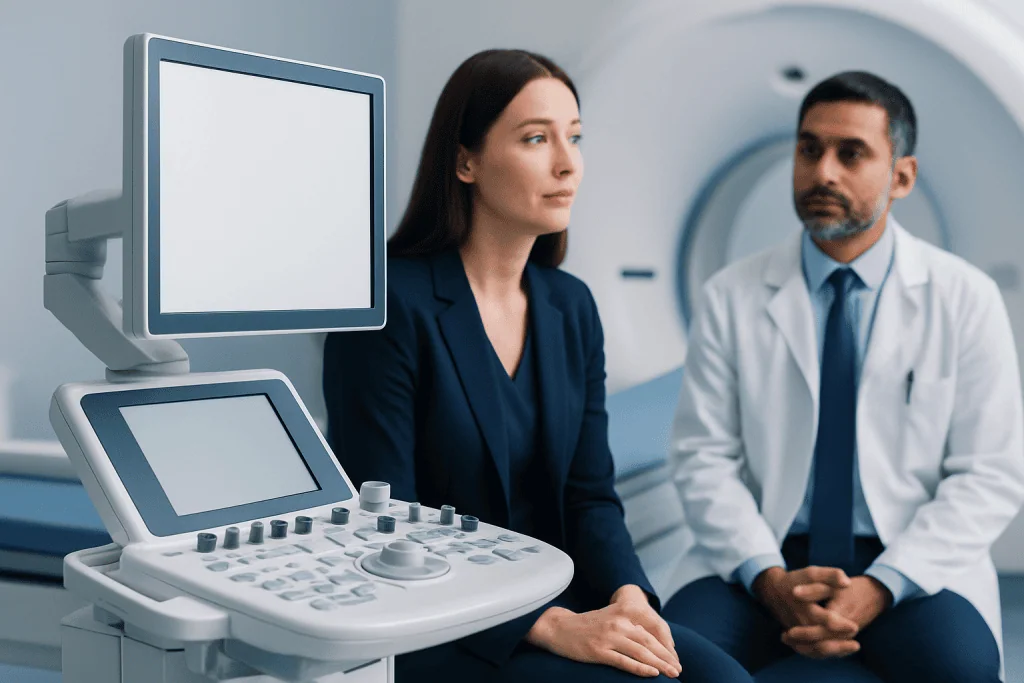
A clinical neuropsychologist studies how the brain’s structure and function relate to everyday abilities. During an assessment, the specialist may evaluate attention, memory, problem-solving, processing speed, language, visual-spatial skills, academic skills, emotional functioning, and personality factors. This can be especially helpful when symptoms are subtle, complex, or have more than one possible cause.
Neuropsychological testing is often used when a person has memory complaints, trouble concentrating, confusion after an injury, unexplained changes in school or work performance, or concerns about dementia. It can also help after stroke, brain tumor treatment, epilepsy, concussion, or other neurological illnesses. In children and adolescents, it may be used to understand learning, developmental, or attention-related concerns.
The goal is not simply to label a problem. A neuropsychological evaluation can show strengths and weaknesses, clarify diagnosis, guide rehabilitation, and support planning for school, work, driving, independent living, and daily routines. It can also help families understand what kind of support may be most useful.
A clinical neuropsychologist usually does not prescribe medication. Instead, this specialist often works closely with neurologists, psychiatrists, rehabilitation teams, and primary care doctors. In some cases, testing helps determine whether a patient should be referred for further neurological workup, mental health treatment, or both.
What a Neurologist Does

A neurologist evaluates symptoms that may come from a disorder of the nervous system. Common reasons to see a neurologist include frequent headaches, seizures, fainting spells, numbness, tingling, weakness, tremor, balance problems, dizziness, movement changes, sleep-related neurological symptoms, and concerns about memory or cognition. Neurologists also manage chronic conditions affecting the brain and nerves over time.
The neurological exam is an important part of the visit. It may include checking strength, reflexes, sensation, coordination, walking, eye movements, speech, and mental status. Depending on the symptoms, the neurologist may order brain imaging, nerve conduction studies, EEG, spinal imaging, blood work, or other tests. If cognitive symptoms are prominent, the neurologist may also refer the patient for formal neuropsychological testing.
Neurologists treat the medical causes of nervous system problems. For example, they may diagnose epilepsy, Parkinsonian syndromes, nerve disorders, migraine, or Alzheimer's disease. Treatment may include medication, symptom monitoring, lifestyle guidance, rehabilitation, and coordination with other specialists.
If symptoms suggest a structural or urgent neurological problem, a neurologist is often the best starting point. Sudden weakness, facial drooping, severe sudden headache, new seizures, or confusion may signal a medical emergency and should not wait for a routine outpatient appointment.
What a Psychiatrist Does
A psychiatrist focuses on mental health conditions that influence mood, thoughts, perception, sleep, behavior, and emotional regulation. Many symptoms that seem neurological at first can actually be linked to depression, anxiety, trauma, substance use, sleep problems, or severe stress. In other cases, a psychiatric condition and a neurological condition can occur together.
Psychiatrists assess patterns such as sadness, hopelessness, panic, irritability, racing thoughts, hallucinations, compulsive behaviors, social withdrawal, or major changes in sleep and appetite. They also evaluate safety issues, including suicidal thoughts, self-harm risk, or severe behavioral disturbance. Because psychiatrists are physicians, they can prescribe and manage medications and consider how physical health may affect mental health symptoms.
A psychiatric evaluation may be especially important when the main concerns are emotional distress, major mood changes, intrusive thoughts, psychosis, or a long history of mental health symptoms. Some cognitive complaints, such as poor concentration or forgetfulness, may improve when depression, anxiety, or sleep disturbance is treated. When the picture is unclear, neuropsychological testing can help sort out whether the primary issue is psychiatric, neurological, or both.
Psychiatrists often work in partnership with psychologists, therapists, neurologists, and primary care teams. This team approach can be valuable when a person has overlapping symptoms, such as memory concerns with depression, or seizures with anxiety related to living with a chronic illness.
Which Specialist Is the Best Fit for Common Symptoms?
The right specialist often depends on the main symptom, how quickly it started, and whether there are physical neurological signs. A clinical neuropsychologist may be the best fit when the main issue is memory, attention, learning, planning, or day-to-day thinking skills, especially if the goal is to understand the pattern of strengths and weaknesses. This is common in suspected dementia, concussion recovery, school difficulties, or unexplained cognitive decline.
A neurologist may be the best first step when symptoms include headaches, seizures, blackouts, tremor, weakness, numbness, walking difficulty, changes in coordination, or signs suggesting disease of the brain or nerves. A psychiatrist may be the best fit when symptoms center on depression, anxiety, panic, trauma, bipolar symptoms, psychosis, obsessive thoughts, or severe changes in mood and behavior.
There is also significant overlap. For example, memory problems may be caused by a neurodegenerative disease, depression, medication effects, poor sleep, or several factors together. Attention problems may reflect ADHD, anxiety, concussion, or a learning disorder. Personality or behavior changes may be psychiatric, neurological, or both. In these situations, seeing one specialist often leads naturally to referral to another.
Some patients benefit from combined care from the beginning. For example, a person with cognitive changes after a stroke may need a neurologist for medical treatment, a clinical neuropsychologist for testing, and a psychiatrist if depression or anxiety develops during recovery. If needed, further care may include neurology care, psychiatric evaluation and treatment, or neuropsychological assessment.
How Diagnosis Is Made and Why Teamwork Matters
Diagnosis begins with a careful history. Doctors and psychologists will usually ask when symptoms started, whether they came on suddenly or gradually, how they affect daily life, and whether there have been injuries, infections, medication changes, stressors, or family history of neurological or psychiatric illness. Input from a family member can be helpful, especially when memory or behavior changes are involved.
Each specialist uses different tools. Neurologists may use imaging studies, neurological examination, EEG, or laboratory tests. Psychiatrists rely on detailed interviews, symptom patterns, and mental status assessment, while also considering medical contributors. Clinical neuropsychologists use standardized cognitive tests to compare an individual’s performance across different thinking domains.
These approaches complement one another. A brain scan may show whether there is a stroke, tumor, or atrophy, but it may not fully explain how the person functions in daily life. Neuropsychological testing can show the pattern and severity of cognitive effects. Psychiatric evaluation can identify depression, anxiety, psychosis, or other emotional factors that may worsen concentration and memory.
Because symptoms overlap, teamwork often leads to the clearest answers. Coordinated care can also reduce delays, avoid duplicate testing, and create a more complete treatment plan. Near the end of the care pathway, some patients may also benefit from rehabilitation support such as physical therapy and rehabilitation when neurological illness affects daily functioning.
Treatment, Follow-Up, and Self-Care
Treatment depends on the underlying diagnosis rather than the job title of the specialist alone. Neurological conditions may require medications, monitoring, rehabilitation, sleep management, or treatment of vascular risk factors. Psychiatric conditions may be treated with medication, psychotherapy, stress management, and support for sleep, substance use, and social functioning. Neuropsychological care may include cognitive strategies, school or work accommodations, caregiver education, and repeat testing over time.
Follow-up is often important because symptoms can change. A single assessment gives useful information, but patterns over time may reveal more. For example, stable testing may support a non-progressive cause such as prior injury, while gradual decline may suggest a neurodegenerative process that needs ongoing neurological care. Similarly, improvements after treatment of depression or sleep problems can clarify the diagnosis.
Self-care also matters. Helpful steps may include good sleep habits, regular physical activity as advised by a clinician, a balanced diet, routine medical care, social engagement, medication review, and avoiding alcohol or substances that can impair thinking. Patients should bring a symptom list, medication list, and examples of day-to-day difficulties to appointments.
For international patients or those needing multidisciplinary evaluation, Acibadem International’s specialists in neuropsychology, neurology, and psychiatry at JCI-accredited hospitals can assess complex symptoms and coordinate care across related specialties. The most effective plan is one that fits the individual patient, their symptoms, and their goals.
When to Seek Medical Attention
Urgent medical attention is needed for sudden neurological symptoms. This includes sudden weakness or numbness on one side, difficulty speaking, facial drooping, loss of consciousness, new seizures, severe sudden headache, sudden vision loss, or sudden confusion. These may be signs of a stroke or another emergency and should be evaluated immediately.
A prompt outpatient appointment is appropriate for symptoms that are persistent, progressive, or interfering with daily life. Examples include worsening memory, repeated falls, new tremor, frequent headaches, concentration decline affecting work or school, major mood changes, panic attacks, hallucinations, or significant sleep disruption. It is also wise to seek evaluation if family members notice changes that the patient does not recognize.
In mental health emergencies, immediate help is essential. Anyone with suicidal thoughts, self-harm risk, severe agitation, or inability to care for themselves should receive urgent psychiatric assessment. Families should not wait for symptoms to become severe before asking for professional guidance.
When the choice of specialist is uncertain, a primary care doctor can help direct the referral. In many situations, starting somewhere is more important than choosing perfectly, because the first specialist can identify warning signs and guide the next step in care.
Frequently asked questions
Should a person see a neurologist or a clinical neuropsychologist first for memory problems?
It depends on the situation. If memory changes are accompanied by headaches, seizures, weakness, walking problems, or sudden decline, a neurologist is often the best first step. If the main goal is to understand thinking and memory abilities in detail, a clinical neuropsychologist may be especially helpful, often alongside neurology.
Can a psychiatrist help with poor concentration and memory?
Yes. Depression, anxiety, trauma, sleep disorders, and some medications can all affect concentration and memory. A psychiatrist can assess whether mental health or emotional factors are contributing and recommend treatment when appropriate.
Does a clinical neuropsychologist prescribe medication?
Usually no. A clinical neuropsychologist focuses on cognitive and behavioral assessment, diagnosis support, and practical recommendations. If medication may help, they typically coordinate with a neurologist, psychiatrist, or another physician.
Is neuropsychological testing the same as brain imaging?
No. Brain imaging shows the structure or activity of the brain, while neuropsychological testing measures how a person thinks and functions in real-world cognitive areas such as memory, attention, and language. The two approaches often complement each other.
Can one person need all three specialists?
Yes. Someone with a brain injury, epilepsy, dementia, or stroke may also develop mood or behavior symptoms and need cognitive testing. In these cases, shared care among neurology, psychiatry, and clinical neuropsychology can provide a more complete treatment plan.
What symptoms suggest urgent medical evaluation rather than a routine appointment?
Sudden weakness, facial drooping, new seizures, severe sudden headache, fainting, sudden confusion, or loss of vision need emergency evaluation. These symptoms may indicate a serious neurological problem. For urgent mental health concerns such as suicidal thoughts or severe agitation, emergency psychiatric help is also important.
References
- American Academy of Neurology
- American Psychiatric Association
- National Institute of Mental Health
- National Institute on Aging
- American Academy of Clinical Neuropsychology
This article is for general information only and is not a substitute for professional medical advice. Please consult a qualified doctor about your individual situation.
Explore treatments in Turkey — costs, top hospitals & a free quote
JCI-accredited · board-certified surgeons · reply within 24h
Add us as a Preferred Source to see more of our trusted health content across Google Search, AI Overviews and Discover.