

Clinical Neuropsychologist vs Neurologist vs Psychiatrist: Who Should You See?

A clinical neuropsychologist focuses on how brain function affects memory, attention, language, learning, mood, and daily functioning. A neurologist diagnoses and treats disorders of the brain, spinal cord, nerves, and muscles, especially when symptoms may have a medical or structural cause.
Key Takeaways
- A clinical neuropsychologist focuses on how brain function affects memory, attention, language, learning, mood, and daily functioning.
- A neurologist diagnoses and treats disorders of the brain, spinal cord, nerves, and muscles, especially when symptoms may have a medical or structural cause.
- A psychiatrist diagnoses and treats mental health conditions and can prescribe medication for mood, anxiety, psychosis, ADHD, and related concerns.
- Many people benefit from more than one specialist because cognitive, neurological, and mental health symptoms often overlap.
- Memory loss, confusion, personality change, seizures, weakness, or sudden symptoms should be assessed promptly by a doctor.
A clinical neuropsychologist, neurologist, and psychiatrist each help with different aspects of brain health, behavior, and emotional wellbeing. Knowing how their roles overlap can make it easier to choose the right specialist and get the most useful care sooner.
Overview: how these specialists differ
People often wonder whether they need a clinical neuropsychologist, a neurologist, or a psychiatrist when problems involve memory, concentration, mood, behavior, or other changes in thinking. The answer depends on the main concern, how symptoms started, and whether there may be an underlying brain, nerve, or mental health condition. These specialists work in related areas, but they do not do the same job.
A clinical neuropsychologist is a psychologist with advanced training in how brain function relates to thinking, emotion, and behavior. This specialist does not usually order brain surgery or manage most medical treatments. Instead, the main role is to carry out detailed cognitive testing and interpret patterns in attention, memory, language, problem-solving, learning, and emotional functioning.
A neurologist is a medical doctor who diagnoses and treats diseases of the brain, spinal cord, nerves, and muscles. This includes problems such as stroke, epilepsy, migraine, Parkinson’s disease, multiple sclerosis, neuropathy, and movement disorders. A neurologist may use the neurological exam, blood tests, imaging, and other investigations to identify medical causes of symptoms.
A psychiatrist is also a medical doctor, but the focus is mental health. Psychiatrists assess conditions such as depression, anxiety disorders, bipolar disorder, schizophrenia, trauma-related conditions, and ADHD. They can prescribe medication and may provide psychotherapy, though many also work together with psychologists, therapists, and neurologists when symptoms overlap.
What a clinical neuropsychologist does
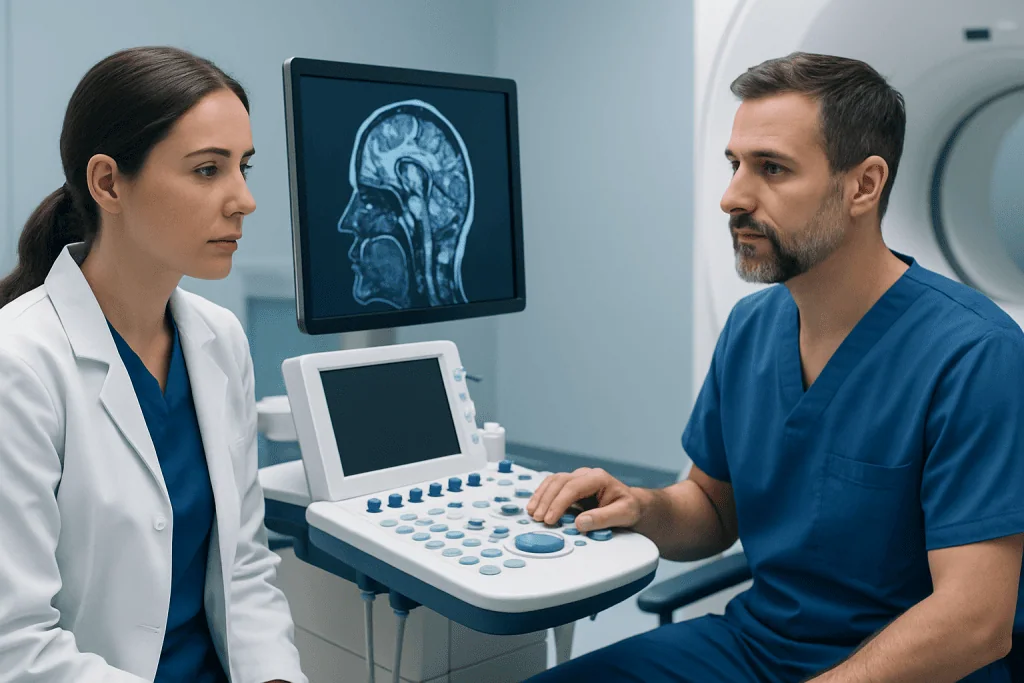
A clinical neuropsychologist looks closely at how a person thinks and functions in everyday life. The assessment often includes an interview, review of medical and educational history, and standardized tests that measure skills such as memory, attention, language, visual-spatial ability, processing speed, and executive function. The goal is not simply to label a problem, but to understand a person’s cognitive strengths and weaknesses in detail.
This kind of evaluation can be helpful when someone has memory complaints, concentration difficulties, learning problems, concussion symptoms, changes after stroke, concerns about dementia, or questions about how a neurological or medical illness is affecting thinking. It can also help separate conditions that may look similar on the surface. For example, poor concentration might relate to sleep problems, anxiety, ADHD, depression, medication effects, brain injury, or a neurodegenerative disorder.
After testing, the neuropsychologist explains the results and provides practical recommendations. These may include strategies for school or work, cognitive rehabilitation, safety planning, emotional support, and guidance for family members. The findings can also help other doctors make more accurate diagnoses and treatment plans.
In many cases, a neuropsychological evaluation is one part of broader care. A person may be referred by a neurologist after a head injury, by a psychiatrist when attention or memory concerns need clarification, or by a primary care doctor when everyday functioning has noticeably changed.
What a neurologist does

A neurologist evaluates symptoms that may come from the nervous system. These symptoms can include weakness, numbness, tremor, seizures, balance problems, severe or unusual headaches, fainting episodes, vision changes, memory loss, or changes in speech. The neurologist takes a medical history, performs a neurological examination, and decides whether further tests are needed.
Depending on the situation, a neurologist may order brain or spine imaging, nerve conduction studies, electroencephalography, blood work, or other investigations. The goal is to find out whether symptoms are caused by a neurological condition such as stroke, epilepsy, multiple sclerosis, neuropathy, Parkinson’s disease, migraine, dementia, or another disorder affecting the brain or nerves.
Treatment from a neurologist may include medication, monitoring over time, rehabilitation referrals, or referral for procedures when appropriate. In some situations, people may need care from a team that includes neurology specialists and neurosurgery experts if structural brain or spine problems are part of the picture.
If symptoms begin suddenly, become rapidly worse, or involve signs such as one-sided weakness, trouble speaking, severe confusion, loss of consciousness, or a first seizure, urgent medical assessment is important. These situations are less about choosing among specialists and more about getting prompt emergency care.
What a psychiatrist does
A psychiatrist assesses emotional, behavioral, and mental health symptoms. This includes concerns such as persistent sadness, loss of interest, panic attacks, mood swings, hallucinations, obsessive thoughts, severe insomnia, substance-related problems, trauma symptoms, or difficulty with attention and impulse control. Because psychiatrists are medical doctors, they can consider both psychological and physical contributors to symptoms.
Psychiatrists diagnose mental health conditions using a detailed clinical interview, medical history, and sometimes information from family members or other clinicians. They may also request lab tests or recommend additional evaluations if there is concern about an underlying neurological or medical cause. Treatment may involve medication, psychotherapy, lifestyle guidance, and coordination with therapists, psychologists, and primary care doctors.
Psychiatric symptoms can sometimes be linked to neurological illness. For example, changes in mood or behavior may occur with dementia, epilepsy, brain injury, thyroid disease, or medication side effects. In those cases, joint care between psychiatry and neurology can be especially useful. A psychiatrist may also suggest neuropsychological testing when cognitive concerns need closer examination.
For people whose main symptoms are depression, anxiety, trauma, bipolar symptoms, psychosis, or major changes in emotional regulation, psychiatry is often the most appropriate starting point. If concentration, memory, or personality changes are accompanied by neurological warning signs, a neurologist may also be needed.
Common symptoms and which specialist may be the best first step
Choosing the right specialist often starts with the dominant symptom. If the main issue is memory decline, confusion, language difficulty, problem-solving trouble, or changes after a concussion or stroke, a clinical neuropsychologist or neurologist may be the best place to begin. A neuropsychologist is especially helpful when detailed testing is needed to understand how cognitive skills are affected in daily life.
If the main symptoms are headaches, seizures, tremor, weakness, numbness, dizziness, blackouts, or other signs suggesting a brain or nerve disorder, a neurologist is usually the right first specialist. Conditions such as epilepsy or Parkinson's disease need medical neurological assessment and treatment.
If the main concerns are depressed mood, anxiety, panic, intrusive thoughts, severe stress, hallucinations, unstable mood, or behavior changes without obvious neurological signs, a psychiatrist may be the best first step. For some people, concentration problems may relate more to ADHD, anxiety, or depression than to a neurological disorder.
There are also situations where overlap is common. A person with memory complaints may be depressed. Someone with epilepsy may have anxiety. A person recovering from concussion may have both attention problems and emotional distress. In these cases, coordinated care may include a neuropsychological evaluation, medical assessment, and mental health treatment rather than a single specialist working alone.
- Memory and thinking changes: neuropsychologist and/or neurologist
- Seizures, weakness, tremor, numbness: neurologist
- Depression, anxiety, bipolar symptoms, psychosis: psychiatrist
- Learning or attention concerns: neuropsychologist, psychiatrist, or both depending on the pattern
- After brain injury or stroke: neurologist plus neuropsychologist, often with rehabilitation support
How diagnosis and testing may differ
One reason these roles can be confusing is that they may all ask questions about memory, mood, behavior, sleep, and daily function. However, the tools they use are different. A neurologist focuses on medical history, the neurological exam, and tests that look for disease in the brain, nerves, or muscles. A psychiatrist focuses on clinical assessment of mental health symptoms and patterns over time. A neuropsychologist uses formal cognitive testing to measure how the brain is functioning in practice.
For example, a brain scan can sometimes appear normal even when a person is struggling with attention, planning, or verbal memory. In that situation, neuropsychological testing may reveal important functional changes that imaging alone cannot show. On the other hand, testing cannot replace medical evaluation when there may be seizures, stroke, inflammatory disease, infection, or another neurological illness.
These assessments often complement one another. A neurologist may diagnose a disease, while the neuropsychologist explains how it affects school, work, driving, finances, or independent living. A psychiatrist may identify treatable depression or anxiety that is worsening concentration and memory. Together, this can lead to a more complete and individualized plan.
When needed, supportive services may also be recommended, such as neurorehabilitation or psychological therapy. The most useful pathway depends on symptoms, age, medical history, and whether the goal is diagnosis, treatment, functional support, or all three.
When more than one specialist is helpful
Many brain-related symptoms do not fit neatly into one category. It is common for a person to see a neurologist for a medical diagnosis, a neuropsychologist for cognitive testing, and a psychiatrist for mood or behavioral treatment. This does not mean something is being missed. Instead, it reflects the fact that the brain affects movement, thinking, emotion, and behavior at the same time.
Examples include dementia evaluations, concussion recovery, stroke rehabilitation, seizure disorders, developmental conditions, and chronic illnesses that affect cognition. In these situations, the best care often comes from a team approach. One specialist identifies the disease, another measures the impact on function, and another helps manage emotional symptoms or medication needs.
Family members can also benefit from this coordinated approach. Cognitive or behavioral changes may affect communication, work, school, finances, medication routines, and safety at home. Clear explanations from different specialists can help families understand what is happening and what support may be needed.
For international patients seeking coordinated assessment, Acibadem International’s multidisciplinary specialists and JCI-accredited hospitals diagnose and treat neurological, cognitive, and mental health conditions with team-based care when appropriate.
When to seek urgent care or arrange an appointment
Urgent medical care is needed for sudden weakness, facial droop, trouble speaking, a new seizure, severe confusion, loss of consciousness, sudden vision loss, or the worst headache a person has ever experienced. These can be signs of a serious neurological emergency. In that situation, emergency services or the nearest emergency department is the safest first step.
A prompt non-emergency appointment is sensible when memory, mood, or behavior changes are persistent, progressive, or affecting daily life. Examples include getting lost in familiar places, major personality change, new difficulty handling work or finances, repeated falls, unexplained decline in school performance, or severe emotional symptoms that do not improve.
If it is unclear where to start, a primary care doctor can help guide referrals. They may suggest a neurologist, psychiatrist, clinical neuropsychologist, or a combination depending on the history. Bringing a list of symptoms, medications, timing of changes, and family observations can make that first visit more helpful.
Seeking evaluation early is often reassuring, even if the cause turns out to be treatable stress, poor sleep, medication effects, or another manageable issue. Early assessment also makes it easier to identify conditions that benefit from timely treatment and practical support.
Frequently asked questions
What is the main difference between a clinical neuropsychologist and a neurologist?
A clinical neuropsychologist evaluates how brain function affects thinking, memory, attention, language, and behavior through detailed testing. A neurologist is a medical doctor who diagnoses and treats diseases of the brain, spinal cord, nerves, and muscles using examinations, imaging, and other medical tests.
Should someone with memory problems see a neuropsychologist or a neurologist first?
Either may be appropriate depending on the situation. A neurologist is especially important if memory problems are new, worsening, or accompanied by confusion, weakness, balance issues, or other neurological signs, while a neuropsychologist is helpful for detailed cognitive testing and understanding everyday impact.
Can a psychiatrist help with concentration and memory problems?
Yes. Concentration and memory symptoms can be related to depression, anxiety, ADHD, trauma, sleep problems, or medication effects, and a psychiatrist can assess these possibilities. If needed, the psychiatrist may also recommend neurological evaluation or neuropsychological testing.
Do these specialists work together?
Very often, yes. Many conditions affect both brain function and emotional wellbeing, so shared care can give a more complete diagnosis and treatment plan. This is common after concussion, stroke, seizure disorders, dementia evaluation, and complex mood or behavior changes.
Does a clinical neuropsychologist prescribe medication?
Usually no. Clinical neuropsychologists are psychologists, not prescribing medical doctors in most settings. Their main role is assessment, diagnosis support, and recommendations for coping strategies, rehabilitation, education, and daily functioning.
When should someone seek urgent help instead of waiting for a specialist appointment?
Urgent help is needed for sudden weakness, trouble speaking, a first seizure, loss of consciousness, severe confusion, sudden vision loss, or a sudden very severe headache. These symptoms can signal a medical emergency and should be assessed immediately.
References
- American Psychological Association
- American Academy of Neurology
- American Psychiatric Association
- National Institute of Mental Health
- National Institute on Aging
This article is for general information only and is not a substitute for professional medical advice. Please consult a qualified doctor about your individual situation.
Explore treatments in Turkey — costs, top hospitals & a free quote
JCI-accredited · board-certified surgeons · reply within 24h
Add us as a Preferred Source to see more of our trusted health content across Google Search, AI Overviews and Discover.

More from the Health Library



Related Specialists

Dr. Hacer Dönmez
Internal Medicine
Prof. Dr. Ayşe Korkmaz Toygar
Neonatal Intensive Care Unit
Dr. Funda Tekkeşin
Pediatric Hematology
Dt. Elif Ceren Güzelel
Oral & Dental Health