Clinodactyly: A Complete Medical Overview

Clinodactyly usually describes a sideways curve of a finger, most commonly the little finger. It is often present from birth and may occur on its own or as part of a genetic syndrome.
Key Takeaways
- Clinodactyly usually describes a sideways curve of a finger, most commonly the little finger.
- It is often present from birth and may occur on its own or as part of a genetic syndrome.
- Mild clinodactyly often needs observation only, while more significant cases may benefit from specialist treatment.
- Diagnosis is based on physical examination and sometimes X-rays to assess bone shape and alignment.
- Medical care is recommended if the finger is painful, functionally limiting, worsening, or associated with other developmental findings.
Clinodactyly is a condition in which a finger curves sideways, most often the little finger, usually because of an unusual bone shape present from birth. In many people it is mild and does not interfere with daily life, but medical assessment can help when the curve is severe, progressing, or affecting hand function.
Overview of clinodactyly
Clinodactyly is a medical term for a finger that curves to one side in the plane of the palm, rather than growing straight. It most often affects the little finger and is commonly noticed in infancy or childhood, although mild cases may become more obvious only as the hand grows. The curve is usually toward the neighboring ring finger.
This difference typically happens because one of the small finger bones develops in an unusual shape, which alters the way the finger grows. In many cases, clinodactyly is mild, painless, and mainly a variation in appearance rather than a serious health problem. Some people have it in one hand, while others have it in both.
A useful point is that clinodactyly is not the same as a temporary bent posture or a finger injury. It refers to a structural difference in alignment, usually present from birth. When the curve is greater, it can affect grip, fine motor tasks, or finger overlap, which is when specialist assessment becomes more important.
What it can look and feel like
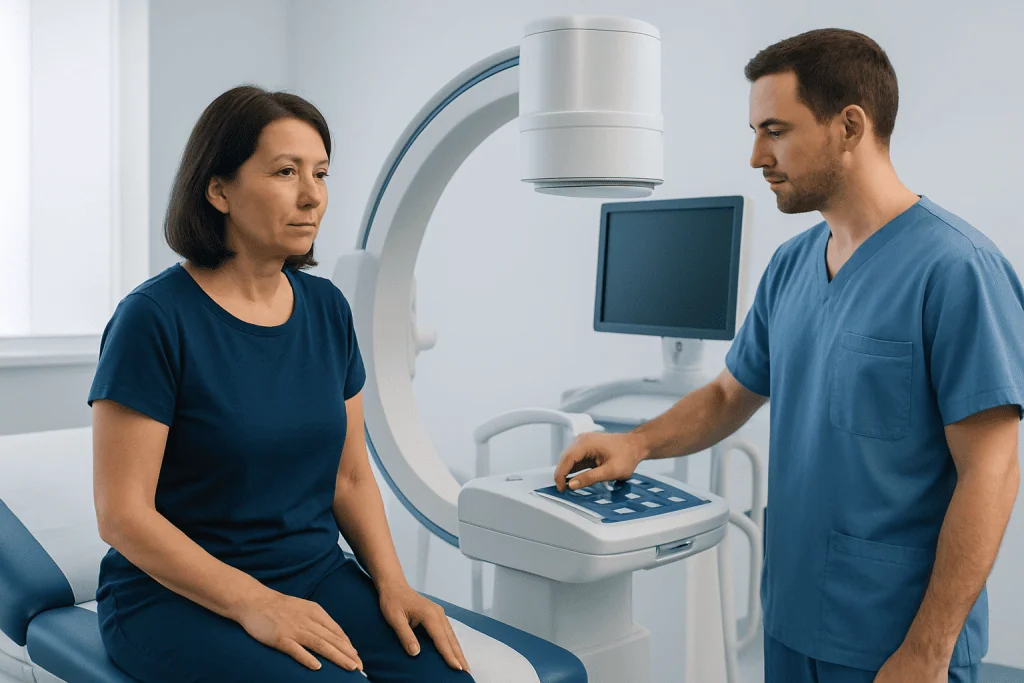
The most visible sign of clinodactyly is a finger that angles sideways. The little finger may appear gently curved or more noticeably slanted, especially when the hand is open. In many children, there is no pain, swelling, redness, or weakness. Parents may simply notice that one finger looks different from the others.
Function varies from person to person. Mild clinodactyly often causes no limitations at all. In more pronounced cases, the curved finger may overlap adjacent fingers, make it harder to place the hand flat, or interfere with tasks that need dexterity, such as writing, buttoning clothes, or playing certain instruments.
Clinodactyly usually does not cause symptoms like sudden pain or numbness. If these symptoms are present, another problem may be involved, such as injury, inflammation, or a separate hand condition. This is one reason why a careful examination matters when a finger shape seems unusual.
- Most often affects the little finger
- Usually present from birth or early childhood
- May be mild and cosmetic only
- Can occasionally affect hand function if the curve is significant
Why clinodactyly happens
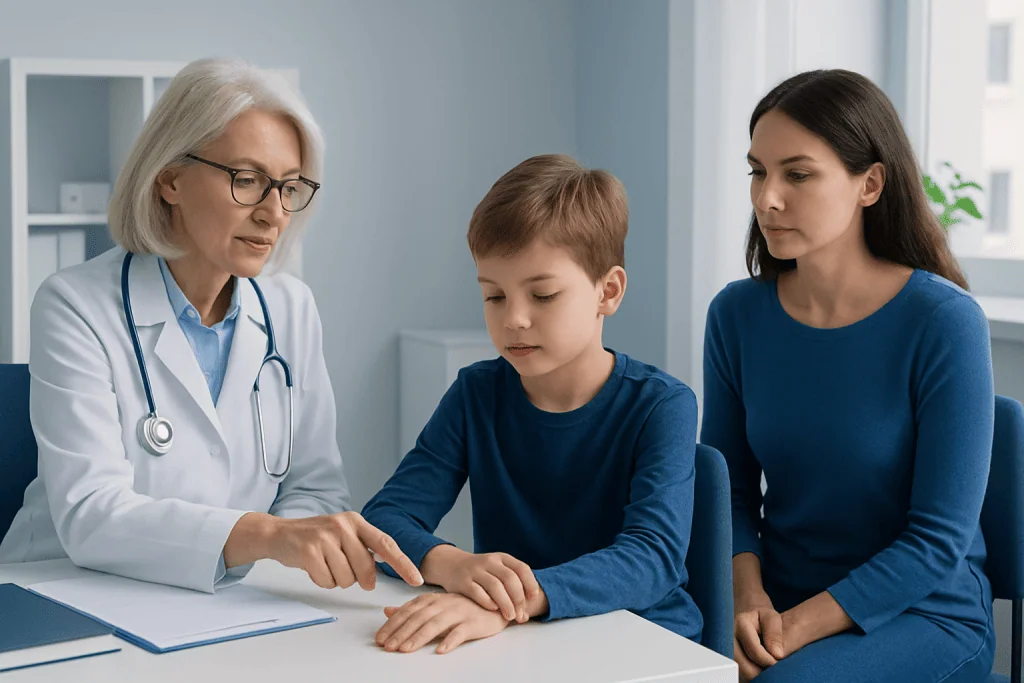
Clinodactyly most commonly develops because one of the finger bones, often the middle phalanx, forms in a wedge-like or irregular shape. As the child grows, this bone shape can guide the finger into a sideways curve. The condition is congenital, meaning it develops before birth, even if it is not recognized immediately.
Sometimes clinodactyly occurs by itself in an otherwise healthy child. In other cases, it can be associated with a broader genetic or developmental syndrome. It has been described in some children with chromosomal conditions such as Down syndrome, although having clinodactyly does not mean a person has a syndrome. It is one physical feature among many that doctors consider in context.
Family history may also play a role. Some hand differences can run in families, suggesting a genetic tendency in certain cases. Specialists may evaluate whether the curve appears isolated or whether there are additional findings involving growth, joints, or other body systems that need attention.
Clinodactyly can also be discussed alongside other congenital hand differences, although each condition is distinct. For example, a specialist may compare it with syndactyly or other developmental hand variations when planning evaluation and treatment.
How doctors diagnose clinodactyly
Diagnosis usually begins with a medical history and physical examination. The clinician looks at which finger is affected, the direction and degree of curvature, whether one or both hands are involved, and whether the curve limits movement or hand use. In children, growth patterns and developmental history are also important.
X-rays are often used to confirm the diagnosis and understand the bone structure causing the curve. Imaging can show whether a finger bone has a wedge shape or another growth difference. These details help doctors estimate whether the curve is likely to remain stable or become more noticeable over time.
When clinodactyly appears together with other physical findings, the doctor may recommend further assessment. This can include genetic evaluation or review by a pediatric specialist. The goal is not to alarm families, but to make sure any associated condition is recognized early and managed appropriately.
Assessment may involve teams experienced in pediatric hand care and imaging. In selected cases, MRI is useful if doctors need more detail about soft tissues or related anatomy, although standard X-rays are usually the main imaging test for bone alignment.
Treatment options and when treatment is needed
Treatment depends mainly on how severe the curve is and whether it affects function. Many mild cases need no active treatment beyond regular follow-up, especially in children whose hands are still developing. If the finger works well and the curve is stable, observation is often the safest and most appropriate approach.
Non-surgical measures may include hand assessment, activity guidance, and monitoring over time. Splints generally do not correct true clinodactyly caused by bone shape, but they may sometimes be used in selected situations for support or associated stiffness. The treating specialist explains what to expect as the child grows.
Surgery may be considered when the curve is marked, progressive, or interfering with daily activities. Procedures aim to improve alignment and function by correcting the abnormal bone shape or repositioning the finger. Surgical planning is individualized and may involve pediatric orthopedic or hand surgery expertise such as orthopedic evaluation and treatment.
Any procedure requires discussion of benefits, timing, healing, and expected results. Surgery is usually not urgent unless function is significantly limited. The decision is made carefully, balancing the degree of deformity with the child’s age, hand use, and family goals.
Living with clinodactyly: self-care and follow-up
For most people with mild clinodactyly, daily life is normal and no special home treatment is needed. Practical support may include choosing comfortable grips for pencils, scissors, or sports equipment if the curve affects hand positioning. Encouraging normal hand use is often more helpful than restricting activity.
Parents of young children can watch for changes over time, such as increased curvature, finger overlap, or difficulty with fine motor skills. Taking occasional photos with the hand in a similar position can help track whether the shape is changing, especially during growth spurts. Follow-up visits allow the clinician to compare function and alignment over time.
Emotional wellbeing also matters. Children may become self-conscious about visible hand differences, even when function is good. Calm, factual explanations and supportive conversations can help. If a hand difference is part of a broader developmental condition, care may involve additional specialists to support the child’s overall health and development.
In some situations, rehabilitation support such as physical therapy and rehabilitation may be recommended after surgery or when hand function needs targeted exercises. This is tailored to the individual rather than used routinely for every case.
When to seek medical care
Medical review is a good idea whenever a parent or patient notices a persistent finger curve that seems present from birth or early childhood. While many cases are mild, a clinician can confirm whether it is clinodactyly and whether monitoring is enough. Early evaluation is especially useful if the curve seems to be increasing as the child grows.
Prompt assessment is recommended if the finger causes pain, catches on neighboring fingers, limits grip or fine movement, or is associated with other hand differences. A doctor should also assess any finger that becomes suddenly crooked after trauma, since this may point to fracture, dislocation, or tendon injury rather than congenital clinodactyly.
If there are additional developmental concerns, unusual facial features, growth differences, or other birth anomalies, further evaluation may be advised to look for an associated syndrome. For international patients who need multidisciplinary assessment, Acibadem International’s specialists in hand, pediatric, and orthopedic care at JCI-accredited hospitals evaluate and treat conditions like clinodactyly in a coordinated way.
Frequently asked questions
Is clinodactyly serious?
Clinodactyly is often mild and not serious, especially when it does not affect hand function. However, a more pronounced curve can interfere with grip or fine motor tasks, so a medical assessment helps determine whether monitoring or treatment is needed.
Does clinodactyly go away on its own?
Because clinodactyly usually results from the way a finger bone formed, it does not typically straighten on its own. Mild cases may remain stable and never need treatment, but the curve can become more noticeable as a child grows.
Can adults have clinodactyly too?
Yes. Clinodactyly is usually present from birth, but some people reach adulthood with a mild curve that never caused problems or was never formally diagnosed. Adults may seek advice if the finger affects function, comfort, or appearance.
Is clinodactyly inherited?
It can be. Some cases appear in families, suggesting a genetic tendency, while others happen without a clear family history. Clinodactyly can also occur as one feature of certain genetic syndromes, although many people with it have no broader disorder.
Will my child need surgery for clinodactyly?
Not necessarily. Many children with mild clinodactyly only need observation and periodic follow-up. Surgery is usually considered only when the curve is significant, getting worse, or affecting hand function.
How is clinodactyly different from a crooked finger after an injury?
Clinodactyly is usually a congenital structural difference that develops before birth and becomes noticeable in childhood. A finger that becomes suddenly crooked after a fall, sports injury, or accident may indicate a fracture or dislocation and should be assessed promptly.
This article is for general information only and is not a substitute for professional medical advice. Please consult a qualified doctor about your individual situation.
Explore treatments in Turkey — costs, top hospitals & a free quote
JCI-accredited · board-certified surgeons · reply within 24h
Add us as a Preferred Source to see more of our trusted health content across Google Search, AI Overviews and Discover.

More from the Health Library

Butterfly Pea Flower: An Evidence-Based Guide for Patients

Natto: A Complete Medical Overview

Twitches: What Patients Need to Know

Pleural Effusion: A Complete Medical Overview

Ascaris: An Evidence-Based Guide for Patients